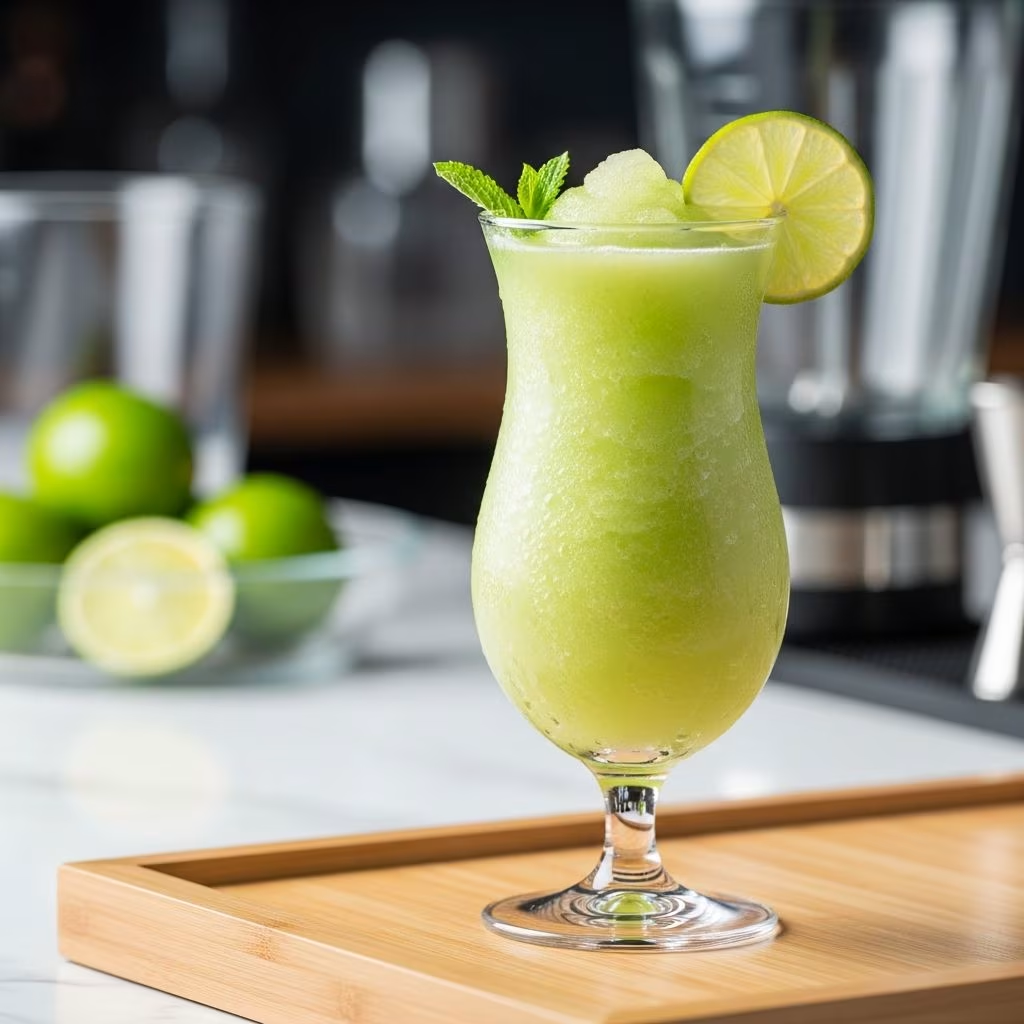
The frozen daiquiri represents one of the most accessible and enjoyable blended cocktails available to home bartenders and experienced mixologists alike. This tropical beverage combines the fundamental elements of a classic daiquiri—rum, citrus, and sweetness—with the addition of ice and frozen fruit to create a refreshing, slushy drink perfect for warm weather entertaining. Whether you’re hosting a summer gathering or seeking a simple way to enjoy quality rum, understanding the mechanics of frozen daiquiri preparation transforms you from a casual mixer into a confident cocktail creator.
Understanding the Foundation of Frozen Daiquiris
Before exploring variations and advanced techniques, it’s essential to grasp the core principles that define a successful frozen daiquiri. At its essence, this drink requires a careful balance between three primary components: alcohol, acidity, and sweetness. The interaction between these elements creates the distinctive flavor profile that makes frozen daiquiris so appealing. When properly executed, the frozen daiquiri offers a silky, well-integrated taste where no single component dominates the palate.
The blending process itself plays a crucial role in achieving the correct texture and consistency. Unlike shaken cocktails that rely on ice for both chilling and dilution, frozen daiquiris depend on a blender to break down ice into fine particles that incorporate smoothly with liquid ingredients. This mechanical action creates a semi-frozen beverage with consistent texture throughout, rather than the watery separation that sometimes occurs in improperly made frozen drinks.
Essential Ingredients and Their Roles
Creating an exceptional frozen daiquiri begins with understanding how each ingredient contributes to the final product. The selection and quality of these components directly impacts the drinking experience.
Rum Selection and Preparation
Rum serves as the spirit foundation, and your choice significantly affects the daiquiri’s character. White rum, particularly varieties like Bacardi or Havana Club, provides a clean, neutral base that allows citrus and fruit flavors to shine prominently. This category of rum works exceptionally well for frozen daiquiris because its subtle vanilla and grain notes complement rather than overpower other ingredients.
Dark rum offers an alternative approach, introducing deeper molasses, caramel, and oak characteristics that create a more complex flavor profile. While less traditional for frozen daiquiris, dark rum appeals to drinkers seeking additional depth and richness. Some bartenders even recommend pre-chilling rum in the freezer before blending, which maintains the cocktail’s intended temperature without requiring excessive ice that could dilute flavors.
Lime Juice and Citrus Balance
Fresh lime juice represents a non-negotiable component for quality frozen daiquiris. The acidity from lime juice brightens the drink while balancing the sweetness from syrup and fruit. Professional bartenders emphasize using freshly squeezed juice rather than bottled alternatives, as fresh juice contains aromatic compounds that contribute significantly to the overall experience. Typical proportions range from approximately ¾ to 1 ounce of lime juice per drink, though personal preference and the lime variety’s natural acidity influence exact measurements.
Simple Syrup and Sweetness
Simple syrup, created by dissolving equal parts sugar and hot water then allowing it to cool, provides the necessary sweetness and texture to a frozen daiquiri. This ingredient dissolves instantly without requiring additional preparation time during mixing. The standard proportion typically measures around 1 to 1½ ounces per drink, though this varies depending on fruit additions and personal sweetness preferences. Some mixologists prepare flavored simple syrups infused with spices, herbs, or fruit to add dimensional complexity.
Frozen Fruit Components
Frozen fruit transforms a standard daiquiri into a layered, textured beverage while reducing reliance on ice that can dilute flavors. Strawberries rank among the most popular choices, offering natural sweetness, vibrant color, and familiar flavor profiles that appeal to broad audiences. However, frozen pineapple, mango, and mixed berries provide excellent alternatives for creative variations. Using frozen rather than fresh fruit accomplishes multiple objectives: it provides necessary volume for proper blending consistency, maintains flavor intensity without dilution, and ensures year-round ingredient availability.
Mastering the Blending Technique
Successful frozen daiquiri preparation requires understanding blender operation and ingredient layering. The sequence in which components enter the blender affects both the final texture and mixing efficiency.
Begin by adding liquid ingredients—rum, lime juice, and simple syrup—to the blender first. This base layer allows proper integration of alcohol and citrus before adding frozen components. Next, add frozen fruit and ice according to your recipe specifications. Starting the blender on lower speeds prevents the motor from straining under pressure, gradually increasing speed until achieving a smooth, uniform consistency. The ideal frozen daiquiri possesses a thick, slushy texture similar to a smoothie rather than a thin, watery beverage.
Blending duration typically ranges from thirty seconds to one minute, depending on your blender’s power and ice quantity. Over-blending can generate excessive heat, warming the cocktail and reducing its appeal, while under-blending produces inconsistent texture with ice chunks disrupting the drinking experience. Quality blenders designed for crushing ice—such as commercial-grade models—accelerate this process and produce superior results compared to standard kitchen blenders.
Classic Recipe Framework
Understanding the proportional foundation allows customization while maintaining balance and drinkability.
| Ingredient | Standard Measurement | Notes |
|---|---|---|
| White Rum | 2 ounces | Can be pre-chilled for optimal temperature |
| Fresh Lime Juice | ¾ to 1 ounce | Always use freshly squeezed |
| Simple Syrup | 1 to 1½ ounces | Adjust based on fruit sweetness |
| Frozen Fruit | 1 to 1½ cups | Depends on desired thickness |
| Ice | 1 to 1½ cups | Use less if fruit provides adequate volume |
This framework serves as a starting point rather than an absolute prescription. Many experienced mixologists emphasize tasting and adjusting proportions to personal preferences, gradually increasing sweetness or citrus until achieving desired balance.
Flavor Variations and Creative Interpretations
While the classic frozen daiquiri stands on its own merits, numerous variations expand the possibilities for creative exploration.
Strawberry Daiquiris
Strawberry variations represent perhaps the most popular frozen daiquiri interpretation. The combination of fresh and frozen strawberries creates dimensional flavor while maintaining the drink’s characteristic smoothness. Some recipes incorporate liqueurs such as Grand Marnier or Triple Sec, adding depth and complexity beyond the basic rum-lime-sugar combination. Frozen limeade concentrate offers an alternative preparation method for those seeking convenience without sacrificing quality, allowing preparation of multiple drinks simultaneously with minimal effort.
Tropical Fruit Interpretations
Pineapple and mango frozen daiquiris transport drinkers to tropical settings through their vibrant flavors and natural sweetness. These fruits pair exceptionally well with rum while requiring less added simple syrup than berry variations. Some bartenders enhance tropical versions with coconut milk, creating drinks that blur the line between frozen daiquiris and piña coladas, offering a creamier mouthfeel and richer flavor complexity.
Non-Alcoholic Variations
Frozen daiquiri appeal extends beyond drinkers who consume alcohol. Non-alcoholic versions maintain the refreshing character of traditional daiquiris by substituting water or additional fruit juice for rum. These virgin daiquiris deliver the same bright, fruity experience while accommodating diverse preferences within social groups.
Garnishing and Presentation
The visual presentation of a frozen daiquiri contributes meaningfully to the overall drinking experience. Classic garnishing approaches include sugar-rimmed glassware, creating textural contrast with each sip. Fresh fruit garnishes—lime wheels, strawberry slices, or pineapple wedges—reference the primary flavors while signaling the drink’s tropical or fruity character. Some mixologists add decorative elements such as cocktail umbrellas or striped straws, transforming casual drinks into festive presentations suitable for entertaining.
Troubleshooting Common Preparation Issues
Even experienced bartenders encounter occasional challenges when preparing frozen daiquiris. Understanding how to address these issues ensures consistent quality.
Excessive Dilution: If your frozen daiquiri tastes watery or weak, you’ve likely over-diluted through aggressive blending or excessive ice. Solution: Use more frozen fruit and less regular ice, reducing blending duration, or pre-chill rum before combining.
Inconsistent Texture: Achieving proper consistency requires adequate frozen fruit and appropriate blending time. If your blender struggles or produces chunky results, ensure you’re using a sufficiently powerful machine capable of crushing ice effectively.
Imbalanced Flavor: Taste adjustments address flavor imbalances during preparation. Too sweet? Increase lime juice. Too sour? Add more simple syrup. These adjustments allow customization to personal preference while maintaining overall balance.
Equipment Considerations
While basic frozen daiquiris require only a standard blender, upgrading to more powerful equipment yields noticeable improvements. Commercial-grade blenders like Ninja or comparable models crush ice more efficiently, creating superior texture and reducing preparation time. These machines also generate less noise while handling tougher ice, making them practical for entertaining larger groups.
Beyond blenders, consider investing in a quality bar spoon, jigger for accurate measurements, and appropriate glassware. Chilled glasses maintain optimal serving temperature, while specialty cocktail glassware enhances presentation and drinking experience.
Scaling for Groups
Entertaining multiple guests efficiently requires understanding how to scale frozen daiquiri recipes. The linear nature of ingredient proportions means multiplying quantities proportionally works effectively—four servings require simply quadrupling individual drink measurements. Pre-measuring ingredients into a large pitcher before blending in batches streamlines preparation, though blending in smaller batches rather than one massive batch typically produces more consistent results.
Alternatively, some bartenders prepare large batches in restaurant-style blenders, portioning into individual glasses with appropriate garnishes. This approach suits large parties where efficiency matters more than individual customization.
Frequently Asked Questions
Can frozen daiquiris be made ahead?
Frozen daiquiris are best served immediately after blending while maintaining optimal temperature and consistency. Storing prepared daiquiris in the freezer separates components and creates undesirable icy texture. However, ingredients can be pre-measured and combined just before serving for convenient entertaining.
What’s the difference between frozen and regular daiquiris?
Classic daiquiris are shaken with ice and served in a coupe glass, resulting in a smooth, chilled cocktail. Frozen daiquiris are blended with ice and fruit, creating a thicker, more textured beverage with more prominent fruit flavors.
How much alcohol is in a frozen daiquiri?
Standard frozen daiquiris contain approximately 1.5 to 2 ounces of rum per serving, similar to most cocktails. However, the mixing with fruit and ice can mask alcohol perception, making these drinks deceptively potent.
Can I use fresh instead of frozen fruit?
Yes, though frozen fruit provides superior results by eliminating the need for excessive ice while delivering consistent texture and intensity. Fresh fruit requires additional ice for proper blending, resulting in increased dilution.
What’s the best rum for frozen daiquiris?
White rum varieties such as Bacardi or Havana Club work exceptionally well, offering neutral flavor that allows fruit and citrus to dominate. However, personal preference and desired flavor complexity guide selection.
Conclusion
Mastering frozen daiquiri preparation transforms an accessible summer beverage into a confident expression of bartending skill. By understanding ingredient relationships, blending techniques, and creative possibilities, home mixologists craft drinks rivaling professional cocktail bars. Whether serving strawberry variations for casual gatherings or experimenting with tropical fruit combinations for adventurous entertaining, frozen daiquiris offer endless customization opportunities within a simple, reliable framework. The combination of quality ingredients, proper technique, and attention to balance creates refreshing drinks that deliver genuine enjoyment to all who experience them.
References
- Frozen Daiquiri Recipe | Social Hour — Tom Macy. 2024. https://www.tommacy.com/frozendaiquiri
- Easy Frozen Strawberry Daiquiri – Recipe — The Creative Bite. 2024. https://www.thecreativebite.com/frozen-strawberry-daiquiri-recipe/
- Frozen Daiquiris (Non-Alcoholic Option) — A Cozy Kitchen. 2024. https://www.acozykitchen.com/fancy-ass-frozen-daquiris
- The Best Frozen Strawberry Daiquiri — Sidewalk Shoes. 2024. https://www.sidewalkshoes.com/frozen-strawberry-daiquiri/
- Frozen Strawberry Daiquiri!! — RecipeTin Eats. 2024. https://www.recipetineats.com/frozen-strawberry-daiquiri/