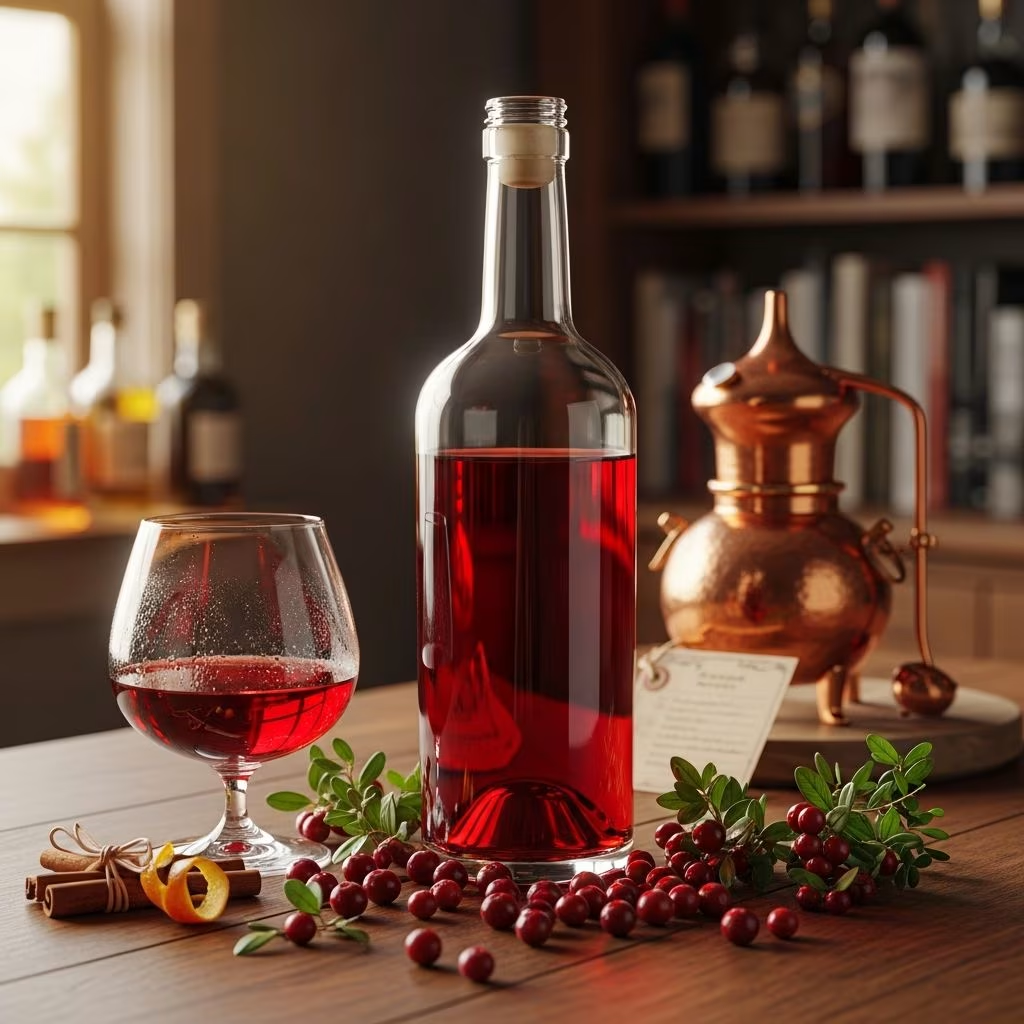
Creating your own cranberry liqueur at home is an achievable endeavor that transforms simple pantry staples into a sophisticated spirit worthy of celebration. Unlike store-bought versions that often contain artificial flavoring and excessive processing, homemade cranberry liqueur captures the authentic tartness and natural sweetness of fresh fruit while allowing complete control over alcohol content and flavor intensity. The process requires minimal culinary expertise, making it accessible to novice and experienced home beverage makers alike.
Understanding the Foundation: Core Components
Every successful cranberry liqueur begins with understanding the four fundamental elements that comprise this jewel-toned spirit. Each component plays a specific role in developing the final product’s character, complexity, and shelf stability.
Cranberry Selection and Preparation
Fresh or frozen cranberries serve as the flavor cornerstone of your liqueur. Fresh cranberries deliver bright, pronounced acidity that forms an excellent base for infusion, while frozen varieties work equally well and often cost less. The advantage of frozen cranberries is their year-round availability and extended shelf life—many home brewers maintain frozen stock specifically for liqueur projects. When using fresh cranberries, select firm berries without soft spots or discoloration. Frozen cranberries require no thawing before processing; in fact, frozen fruit sometimes yields more efficient flavor extraction due to cellular breakdown during freezing.
Processing cranberries before infusion significantly accelerates flavor development. Methods range from simple halving with a sharp knife to pulsing through a food processor until finely minced. The increased surface area created by breaking down whole berries allows greater contact between fruit and alcohol, intensifying the infusion process. This preparation step typically requires five to ten minutes of straightforward work.
Vodka as Your Spirit Base
Vodka’s neutral flavor profile makes it the ideal alcohol foundation for cranberry liqueur. The spirit provides the necessary alcohol content for preservation while remaining transparent enough to allow cranberry characteristics to shine through. Select mid-range vodka brands offering good quality without premium pricing—brands like Smirnoff, Skyy, or Amsterdam provide excellent results at reasonable costs. Avoid bottom-shelf spirits that may introduce undesirable flavors, but premium luxury vodkas offer diminishing returns for liqueur applications since the cranberry infusion becomes the dominant flavor element.
The alcohol proof matters considerably. Standard 80-proof vodka remains most practical for home liqueur production. Higher-proof varieties (100+ proof) accelerate extraction but may produce harsher final flavors if the infusion period extends beyond recommended timeframes. Conversely, lower-proof options thin the finished liqueur and reduce shelf stability.
Sugar and Sweetness Balance
Sugar performs multiple functions in cranberry liqueur production. Beyond sweetening the final product, sugar acts as a preservative agent, helps extract flavor compounds from cranberries, and contributes to the liqueur’s mouthfeel and body. Granulated white sugar remains the standard choice, dissolving completely and offering predictable sweetness levels without color complications.
The critical consideration involves achieving proper sweetness balance without overshadowing cranberry tartness. Most recipes recommend between two to three cups of sugar per three cups of vodka, creating a liqueur that balances fruit acidity with gentle sweetness. Some producers adjust sweetness during the final stages by adding simple syrup gradually and tasting frequently, allowing customization based on personal preference.
Water’s Supporting Role
Water facilitates the infusion process and forms a crucial component in simple syrup preparation. Filtered water prevents mineral or chlorine flavors from compromising the final product. The typical ratio incorporates one to two cups of water per three cups of vodka, though some variations use exclusively vodka for a more potent result.
The Infusion Process: Step-by-Step Execution
Initial Preparation Phase
Begin by preparing your cranberries through your chosen method—halving with a knife for chunky texture or processing for finely minced consistency. Cleanliness proves essential; rinse cranberries thoroughly and drain completely to remove excess moisture that might dilute the final product.
Next, create simple syrup by combining sugar and water in a saucepan over medium heat. Stir continuously for approximately five minutes until sugar dissolves completely and the mixture achieves clarity. Adding a slice of lemon or orange peel during this stage introduces subtle citrus undertones that complement cranberry’s natural flavor profile. Once syrup reaches full clarity, remove it from heat and allow it to cool completely to room temperature. This cooling step proves essential—never combine warm syrup or liquid with vodka, as heat accelerates alcohol evaporation, reducing the final product’s potency and creating undesirable flavor volatility.
Assembly and Initial Infusion
Select a large glass jar with a secure, airtight lid—minimum capacity should accommodate six cups or more. Glass preserves the infusion without leaching chemicals, while clear containers allow visual monitoring of the infusion progress. Add processed cranberries to the jar, followed by the completely cooled simple syrup and vodka. Stir thoroughly to ensure even distribution of all components.
Seal the jar securely and place it in a cool, dark location. A cabinet, pantry, or basement corner works perfectly; light exposure degrades both flavor and color quality. Room temperature storage between 65-70°F represents the ideal range. Avoid fluctuating temperatures that might interfere with the infusion chemistry.
Aging and Development Timeline
The infusion period represents the phase when time performs most of the labor. Flavor development follows a progression that typically spans two to four weeks, though some producers extend infusion to six weeks or beyond for deeper, more complex results. During this period, shake or invert the jar every other day or whenever convenient. This agitation redistributes solids and ensures consistent flavor extraction throughout the liquid.
After two weeks, open the jar and taste a small sample. Many home producers find the liqueur reaches optimal flavor balance at this point, while others prefer additional aging for more mellow, integrated tastes. Continued infusion softens any harsh alcohol edges and allows flavor compounds to fully marry into a cohesive whole.
Achieving Clarity: Straining and Filtering Techniques
Once the infusion reaches desired flavor intensity, separating liquid from solids requires careful technique to achieve the jewel-clear appearance characteristic of premium liqueurs. Improper straining results in cloudiness that, while not affecting taste, diminishes visual appeal and gift-worthiness.
Line a fine-mesh strainer with several layers of cheesecloth to create an effective filtration barrier. Pour the infusion slowly through this setup into a clean bowl or vessel, allowing gravity to do the work rather than forcing liquid through. This initial strain removes larger cranberry particles. For exceptional clarity, repeat the process using fresh cheesecloth, straining the already-filtered liquid a second time. This double-filtration technique eliminates fine particles that might create haziness.
Some producers employ additional refinement by running the strained liquid through coffee filters, though this significantly extends the process. The result justifies the patience for liqueurs intended as special gifts or for personal collections meant for display.
Customizing Your Liqueur Through Flavor Variations
Citrus Enhancements
Orange and lemon zest, added during simple syrup preparation or directly into the infusion, introduce bright citrus notes that elevate cranberry’s natural complexity. These additions complement rather than mask cranberry character, creating dimensional flavor experiences. A single orange or lemon suffices; excessive citrus overwhelms the cranberry foundation.
Spice Integration
Cinnamon sticks, whole cloves, and allspice berries transform cranberry liqueur into a warming winter spirit. Add spices during the initial infusion phase, adjusting quantities based on intensity preferences. Approximately two to three cinnamon sticks and five whole cloves per batch creates noticeable warmth without overpowering cranberry. Remove whole spices before straining to prevent flavor intensification from extended contact with the liquid.
Vanilla and Botanical Additions
A single vanilla bean, split and halved, introduces creamy, sophisticated undertones that round cranberry’s sharp edges. This addition particularly appeals to those seeking a dessert-oriented liqueur suitable for after-dinner service. Similarly, a slice of fresh ginger or a few vanilla pods create entirely different flavor trajectories.
Storage, Shelf Life, and Serving Considerations
Properly prepared cranberry liqueur maintains quality for several years when stored in cool, dark conditions. Glass bottles with secure caps or cork closures preserve the product optimally. Avoid direct sunlight, which fades color and accelerates flavor degradation. A dedicated liqueur cabinet, wine cooler, or dark pantry provides ideal storage environments.
Once bottled and sealed, cranberry liqueur requires no refrigeration, though some producers prefer chilled service for aesthetic and flavor reasons. The high sugar and alcohol content prevent spoilage; however, opened bottles gradually oxidize over months, so seal containers tightly after each use.
Frequently Asked Questions
How long until my liqueur is ready?
Initial drinkability occurs around two to three weeks of infusion. Extended aging from four to six weeks develops more complex, mellow flavors. The timeline depends on personal taste preferences and desired flavor intensity.
Can I use canned cranberry sauce instead of fresh cranberries?
Yes. Canned whole-berry cranberry sauce works effectively and requires no processing. This option suits those without access to fresh or frozen cranberries. Use approximately two cups of cranberry sauce per three cups of vodka, adjusting sweetness through simple syrup additions.
What’s the alcohol content of finished liqueur?
The final product typically measures 15-20% ABV (alcohol by volume), depending on exact ingredient ratios and simple syrup additions. This range creates a approachable spirit suitable for cocktails, cordials, or sipping neat.
How should I serve cranberry liqueur?
Serve neat in small cordial glasses after dinner, combine with whiskey and bitters for cranberry-forward cocktails, or mix with sparkling wine for celebratory drinks. The versatility allows experimentation across various applications.
Gift-Giving and Presentation Ideas
Homemade cranberry liqueur makes an exceptional gift for spirits enthusiasts, holiday celebrations, or host/hostess occasions. Bottle the finished product in attractive glass containers, creating custom labels describing the infusion date, flavor variations, and serving suggestions. Pairing the liqueur with corresponding cocktail recipes or premium chocolate creates thoughtful gift combinations. The personal effort and artisanal quality distinguish homemade liqueurs from commercial alternatives, making them memorable gifts that recipients will treasure.
The transformation from simple ingredients into a refined spirit demonstrates how patience and attention to basic technique yield impressive results. Home liqueur production requires minimal equipment or specialized knowledge while producing products that rival commercial offerings in quality and exceed them in personal satisfaction.
References
- Homemade Cranberry Liqueur Recipe — Nourish and Nestle. 2024. https://nourishandnestle.com/homemade-cranberry-liqueur/
- Homemade Cranberry Liqueur — Mediterranean Latin Love Affair. 2024. https://mediterraneanlatinloveaffair.com/cranberry-liqueur/
- Homemade Cranberry Liqueur Recipe — GF Explorers. 2024. https://gfexplorers.com/homemade-cranberry-liqueur-recipe/
- Easy Homemade Cranberry Liqueur Recipe — Milk Glass Home. 2024. https://www.milkglasshome.com/cranberry-liqueur-recipe/
- Homemade Cranberry Liqueur — Sidewalk Shoes. 2024. https://www.sidewalkshoes.com/cranberry-liqueur/