Huancaína sauce stands as one of Peru’s most distinctive and versatile culinary creations, representing centuries of Andean food traditions blended with accessible ingredients. This vibrant yellow sauce has transcended its origins to become a staple in restaurants and home kitchens worldwide, celebrated for its rich flavor profile and remarkable adaptability. The sauce combines savory, creamy, and subtly spicy elements that complement an impressive variety of dishes, from traditional potato preparations to contemporary pasta creations.
The essence of Huancaína sauce lies in its ability to transform simple ingredients into something extraordinary. Rather than relying on complex cooking techniques, this sauce depends on quality components and proper blending to achieve its characteristic smooth, luxurious texture. Understanding the fundamentals of this Peruvian classic opens doors to countless culinary possibilities while honoring authentic South American cooking traditions.
Understanding the Core Components
The foundation of Huancaína sauce rests on five essential ingredients that work in harmony to create its distinctive character. Each component plays a specific role in developing the sauce’s flavor, texture, and visual appeal.
Ají Amarillo serves as the soul of this sauce, providing both color and authentic Peruvian flavor. This yellow chili pepper, whether used fresh, frozen, or as a paste, delivers a distinctive fruity heat with moderate spiciness. The ají amarillo paste offers convenience for home cooks while maintaining authentic flavor profiles. When fresh peppers aren’t accessible, paste or powder alternatives produce equally satisfying results.
Queso Fresco contributes creaminess and richness while maintaining the sauce’s characteristic bright yellow hue. This fresh white cheese, traditional to Latin American cuisine, blends smoothly without becoming heavy or overwhelming. Some variations employ queso blanco or similar mild white cheeses, which provide comparable results with slight textural variations.
Evaporated milk creates the sauce’s signature creamy consistency while allowing for easy adjustment of thickness. This ingredient distinguishes Huancaína from other Latin American sauces and provides stability during storage. The milk’s slightly caramelized flavor adds subtle depth without dominating other ingredients.
Saltine crackers function as natural thickening agents, adding body and texture without introducing flour or cornstarch. Crushed between three to six crackers typically provides adequate consistency, though specific amounts depend on desired thickness and cheese variety.
Olive oil contributes moisture, richness, and helps achieve optimal blending consistency. This ingredient prevents the sauce from becoming too dense while enhancing flavor development.
Building the Perfect Batch: Technique and Method
Creating excellent Huancaína sauce requires understanding the proper sequence of ingredient combination and blending. The process demands patience, as rushing steps results in uneven texture and incomplete flavor integration.
Initial Preparation Steps
- If using fresh ají amarillo peppers, remove stems and seeds before processing. This step eliminates undesirable fibrous material that could create graininess.
- Gently sauté the ají amarillo in a small amount of oil over medium heat for two to three minutes, which softens the pepper and develops deeper flavor compounds.
- Chop or dice any fresh aromatics such as onion and garlic, then cook them in the same pan until softened but not browned, approximately three to four minutes.
- Break cheese into small cubes to facilitate smooth blending and faster incorporation into the liquid base.
- Gather all ingredients in proximity to your blender to maintain momentum during the blending process.
Blending and Integration
The blending phase determines the final sauce quality and texture. Place the sautéed ají amarillo and aromatics into the blender first, followed by the crumbled cheese and evaporated milk. Begin blending at moderate speed, allowing the cheese to break down gradually and incorporate fully with the liquid. This process typically requires two to three minutes.
As the mixture becomes smoother, add crushed saltine crackers incrementally, one or two at a time, while the blender continues running. The crackers disperse throughout the mixture, thickening the sauce without creating lumps. After each addition, assess the consistency and add more liquid if the sauce appears too thick or additional crackers if it seems too thin.
Continue blending until the sauce reaches uniform smoothness with no visible cheese chunks or cracker particles. The finished sauce should display an even deep yellow color and possess a pudding-like consistency that coats the back of a spoon.
Ingredient Variations and Substitutions
While traditional Huancaína sauce follows established guidelines, creative variations accommodate different preferences, dietary restrictions, and ingredient availability. Understanding these adaptations empowers cooks to personalize the recipe while maintaining authentic character.
| Ingredient Category | Traditional Option | Alternative Options | Notes |
|---|---|---|---|
| Cheese Base | Queso Fresco | Queso Blanco, Ricotta Salata, Mild Cheddar | Select mild varieties that blend smoothly without excessive saltiness |
| Yellow Pepper | Fresh Ají Amarillo | Ají Amarillo Paste, Powder, Hot Paprika | Paste and powder offer convenience; paprika provides color with different heat levels |
| Dairy Component | Evaporated Milk | Heavy Cream, Greek Yogurt, Plain Yogurt | Yogurt versions offer lighter alternatives; cream produces richer consistency |
| Thickener | Saltine Crackers | Gluten-Free Crackers, Breadcrumbs | Gluten-free options maintain authentic preparation for those with sensitivities |
| Oil | Olive Oil | Canola Oil, Vegetable Oil | Neutral oils work well; olive oil adds Mediterranean notes |
Some cooks incorporate additional ingredients such as turmeric for enhanced color and subtle spice, lemon juice or lime juice for brightness, or tomato paste for complexity. These additions remain optional but can elevate flavor profiles for those seeking layered, sophisticated tastes.
Culinary Applications and Serving Suggestions
Huancaína sauce’s versatility extends far beyond traditional potato dishes, making it valuable for home cooks seeking to expand their culinary repertoire. The sauce complements proteins, starches, and vegetables with equal grace, adapting to various flavor profiles and cooking styles.
Traditional Peruvian Preparations
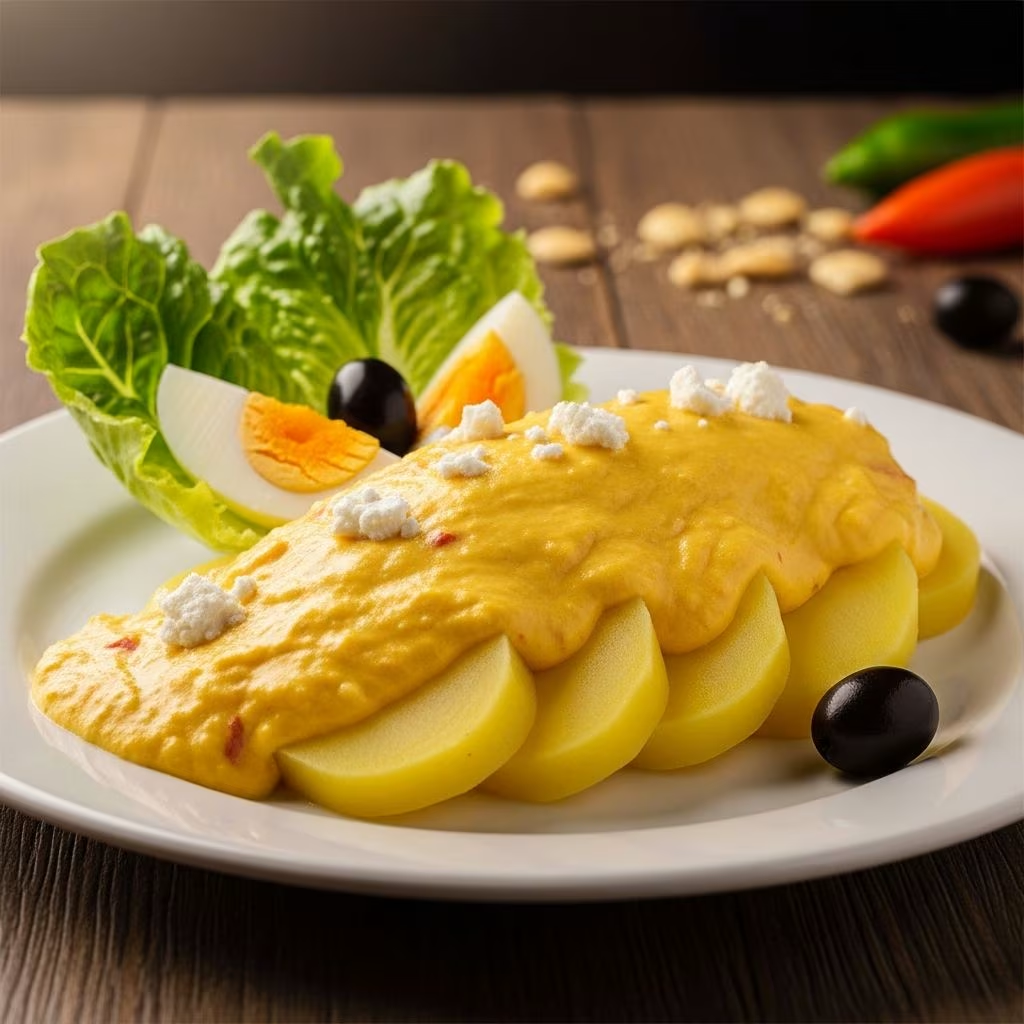
Papas a la Huancaína, the classical Peruvian dish, features sliced boiled potatoes arranged on lettuce and crowned with this golden sauce, hard-boiled egg quarters, and black olives. This presentation showcases the sauce’s beauty while allowing each component to shine individually. The combination of cool potatoes, creamy sauce, and tangy olives creates textural and flavor contrasts that delight the palate.
Contemporary and Fusion Uses
- Pasta dishes benefit from Huancaína sauce as a lightweight alternative to traditional cream-based sauces, coating fettuccine or other long pasta shapes elegantly.
- Rice and grain bowls transform when drizzled with this vibrant sauce, particularly when combined with seasoned chicken or roasted vegetables.
- Protein accompaniments such as grilled chicken, steak, lamb, or fish gain depth and visual interest from the sauce’s golden hue and complex flavors.
- Vegetable applications including roasted yucca, grilled vegetables, or fresh vegetable platters showcase the sauce’s adaptability to plant-based preparations.
- Appetizer vehicles such as tortilla chips, potato chips, boiled quail eggs, or cheese-filled pastries create impressive party presentations.
- Dip and condiment applications allow the sauce to function as a sophisticated accompaniment to charcuterie boards or vegetable platters.
Storage, Shelf Life, and Food Safety
Proper storage extends Huancaína sauce’s usability while maintaining food safety and quality. Refrigeration slows bacterial growth and preserves the sauce’s texture and flavor integrity. The sauce remains fresh and safe for up to two days when stored in a tightly sealed container at temperatures below 40 degrees Fahrenheit. This relatively brief shelf life results from the fresh cheese and dairy components, which naturally have limited stability.
For longer-term storage, some cooks freeze portions in ice cube trays, allowing convenient thawing of individual servings. However, freezing may slightly alter the sauce’s texture, creating graininess upon thawing. The frozen sauce remains suitable for cooked applications such as pasta or rice dishes but may not achieve the same silky consistency when served fresh.
Before serving refrigerated sauce, allow it to reach room temperature for optimal flavor development, as cold temperatures mute the ají amarillo’s fruity notes and the cheese’s creamy character. Simply remove from refrigeration 30 minutes prior to serving and stir gently to redistribute any separation that may have occurred during storage.
Troubleshooting Common Challenges
Even experienced cooks encounter occasional difficulties when preparing Huancaína sauce. Understanding potential problems and their solutions ensures consistent success.
Grainy or Lumpy Texture: This issue typically results from insufficient blending time or cheese that hasn’t fully incorporated. Resolve by returning the sauce to the blender and processing for an additional two to three minutes. Ensure no cheese chunks remain by scraping the blender walls regularly.
Excessively Thick Consistency: If the sauce resembles paste rather than a pourable condiment, gradually add evaporated milk or plain yogurt while blending. Add liquid in small increments, testing consistency frequently to avoid over-thinning.
Insufficient Thickness: When the sauce appears too runny, blend in additional crushed saltine crackers, one at a time, until the desired consistency emerges. Patience proves essential, as crackers require time to fully hydrate and thicken the sauce.
Overly Salty Taste: Some cheese varieties contain significant sodium. If saltiness overwhelms other flavors, incorporate additional evaporated milk or yogurt to dilute the salt concentration. Avoid adding salt until final tasting, as cheese salt levels vary considerably.
Insufficient Flavor: Enhance the sauce by incorporating additional ají amarillo paste, turmeric, lime juice, or fresh garlic. Add these ingredients in small quantities while tasting frequently, preventing the sauce from becoming unbalanced.
Frequently Asked Questions
Can I make Huancaína sauce without fresh ají amarillo peppers?
Yes, absolutely. Ají amarillo paste, powder, or even hot paprika serve as effective substitutes. While fresh peppers provide superior flavor complexity, shelf-stable alternatives ensure you can prepare this sauce year-round regardless of ingredient availability in your region.
Is Huancaína sauce naturally spicy or mild?
The sauce typically presents as moderately spicy, with the ají amarillo providing fruity heat rather than sharp burn. Individuals sensitive to spice can reduce the chili amount, while those preferring more intensity can increase ají amarillo quantities without affecting other ingredients.
What cheese works best if queso fresco isn’t available?
Queso blanco, ricotta salata, or mild white cheddar produce satisfactory results. The key is selecting a fresh, mild cheese that blends smoothly without introducing sharp, aged flavors that might overwhelm the ají amarillo.
How can I make Huancaína sauce dairy-free?
While challenging, dairy-free versions exist using coconut milk instead of evaporated milk and nutritional yeast or cashew cream instead of cheese. These adaptations produce different flavor profiles but maintain the sauce’s creamy, golden character.
Can this sauce be made ahead for parties?
Yes, prepare the sauce up to two days in advance and refrigerate in sealed containers. Bring to room temperature before serving, stirring gently to incorporate any separation. This advance preparation allows hosts to focus on other dishes during entertaining.
Conclusion: Embracing Peruvian Culinary Tradition
Huancaína sauce represents more than a simple condiment; it embodies Peruvian culinary heritage, combining indigenous ingredients with practical cooking methods accessible to home cooks everywhere. Mastering this versatile sauce opens pathways to authentic South American cuisine while providing a distinctive element to countless contemporary dishes. Whether serving traditional papas a la Huancaína or experimenting with creative applications, this golden sauce delivers consistent results and genuine satisfaction, proving that great cooking need not depend on complicated techniques or exotic ingredients.
References
- Huancaina Sauce — Peru Delights. Accessed 2026-04-10. https://perudelights.com/huancaina-sauce-i/
- Huancaína Sauce — Barbecue Bible. Accessed 2026-04-10. https://barbecuebible.com/recipe/huancaina-sauce/
- Papa a la Huancaina Peruvian Recipe — A Cozy Kitchen. Accessed 2026-04-10. https://www.acozykitchen.com/papa-a-la-huancaina
- Spicy Peruvian Cheese Sauce (Salsa a la Huancaína) — Goddess Cooks. Accessed 2026-04-10. https://goddesscooks.com/2021/04/24/spicy-peruvian-cheese-sauce-salsa-de-huancaina/
- Peruvian Yellow Sauce | Huancaína Sauce — Beyond Mere Sustenance. Accessed 2026-04-10. https://beyondmeresustenance.com/peruvian-yellow-sauce/
- Gluten Free Papas a la Huancaina — Eat at Our Table. Accessed 2026-04-10. https://eatatourtable.com/huancaina-sauce-a-peruvian-classic-now-gluten-free/