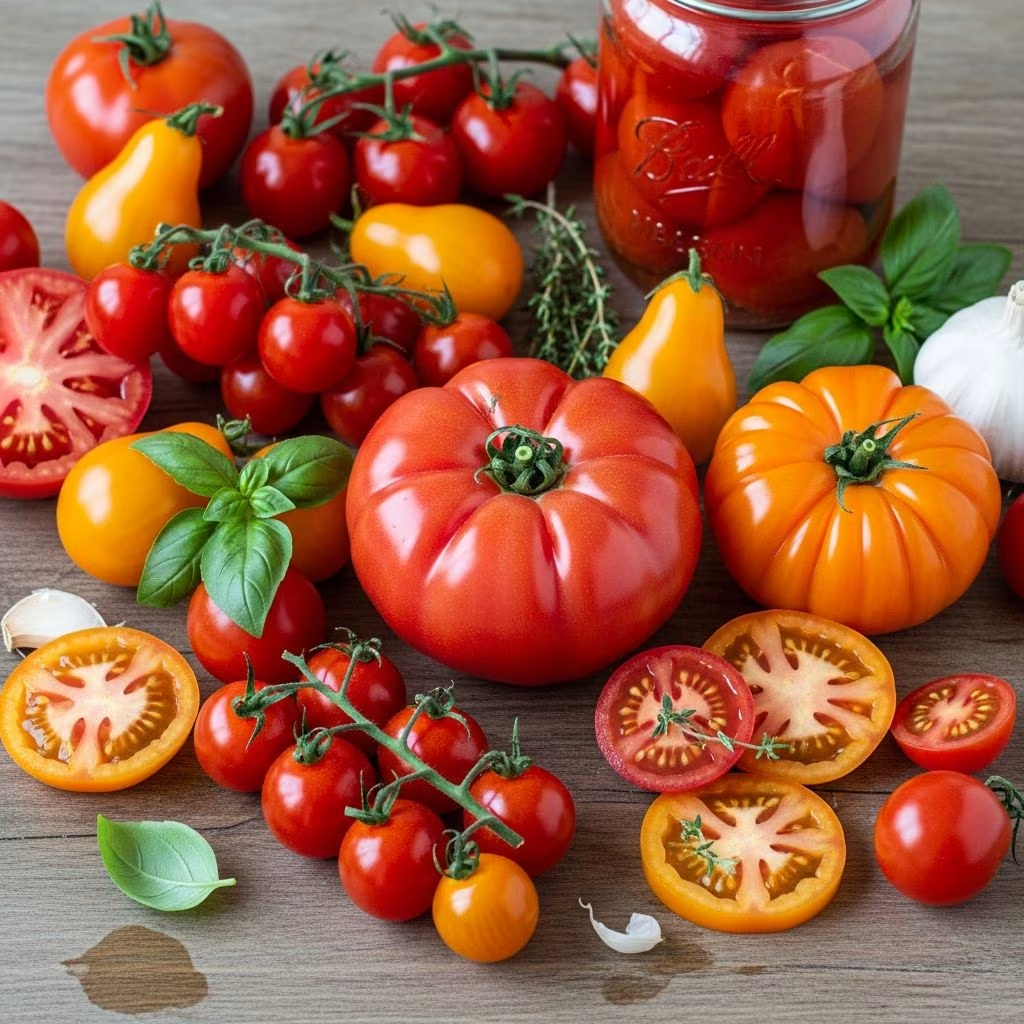
Tomatoes are a staple ingredient in countless kitchens worldwide, yet many home cooks struggle with keeping them fresh for more than a few days. Whether you grow your own tomatoes or purchase them from farmers’ markets and grocery stores, understanding proper storage methods can dramatically extend their shelf life while maintaining their flavor and nutritional value. From simple refrigeration techniques to comprehensive preservation strategies, there are multiple approaches to keep tomatoes at their peak quality.
Understanding Tomato Ripeness and Selection
Before implementing any storage strategy, it’s important to understand the ripeness level of your tomatoes. The moment you bring tomatoes home, assessing their current condition will determine which storage method works best. Tomatoes purchased from retail outlets that are already fully ripe will have a shorter window of optimal freshness compared to those picked while still firm and underripe.
Fully mature red tomatoes retain their best eating quality for approximately 2 to 3 days when kept at room temperature. Conversely, tomatoes that are still firm and underripe can be held for as long as 5 days before reaching peak ripeness. This distinction is crucial because it influences where you store them and how you organize them.
Room Temperature Storage: The Immediate Use Approach
For tomatoes you plan to use within a few days, room temperature storage is often the preferred method. This approach preserves the natural flavor compounds that make tomatoes taste their best, as refrigeration can dull their taste profile.
When storing tomatoes at room temperature, follow these guidelines:
- Position tomatoes with the stem scar facing upward to minimize softening and darkening of the fruit surface
- Keep tomatoes in a well-ventilated ripening dome or paper bag to maintain air circulation while protecting them from environmental contaminants
- Store them in the coolest room temperature location available, away from direct sunlight
- Avoid placing tomatoes near heat sources such as stoves, ovens, or sunny windows, as warmth accelerates the ripening and softening process
This method works exceptionally well for farmers’ market purchases or garden-fresh tomatoes you’ll use shortly. The key is preventing them from sitting in direct sunlight, which will cause them to warm up and ripen too quickly.
Separating Ripeness Levels for Extended Storage
One often-overlooked technique that can significantly extend tomato freshness involves sorting them by ripeness before storage. This strategy prevents fully ripe tomatoes from releasing ethylene gas, which accelerates the ripening of nearby fruit.
The separation process works as follows:
- Divide your tomatoes into two distinct groups: firm, unripe tomatoes and soft, fully ripe red ones
- Place firm tomatoes in one container or bag where they will ripen more slowly and can be stored longer
- Store fully ripe tomatoes separately in a different container to prevent ethylene gas from prematurely ripening the firmer fruits
- Use a clean, dry kitchen towel or paper towel at the bottom of each storage container to absorb natural moisture and reduce mold development
Using breathable storage solutions like rattan baskets or perforated bags maintains air circulation while protecting tomatoes from damage. When layering tomatoes in baskets, you can insert soft paper between layers to prevent bruising while still ensuring adequate airflow.
Refrigerator Storage: The Extended Freshness Method
While refrigeration can affect tomato flavor, it significantly extends storage life for tomatoes you won’t use immediately. This method is particularly useful when you have more tomatoes than you can consume within a few days.
To refrigerate tomatoes effectively:
- Line the bottom of your refrigerator’s crisper drawer with a clean, dry towel to absorb excess moisture
- Place firm tomatoes on the bottom of the drawer and fully ripe tomatoes on top to prevent bruising
- Store tomatoes in sealed ziplock bags after removing as much air as possible using a straw or gentle suction method
- Keep the crisper drawer temperature between 50-55°F for optimal preservation
Cut or chopped tomatoes require immediate refrigeration and should be used within 1 to 2 days if stored covered. Any prepared tomato products like fresh salsa must be refrigerated if not consumed within 2 hours of preparation.
Freezing: The Convenience Preservation Option
Freezing offers one of the quickest and most convenient preservation methods for tomato abundance. Frozen tomatoes retain more nutrients and taste fresher compared to canned alternatives, making this an excellent option for those who prioritize nutritional value.
The freezing process involves:
- Using freezer-grade bags rather than standard storage bags to prevent freezer burn
- Removing as much air as possible from bags before sealing, using a straw to create a vacuum seal
- Gradually building up your winter supply throughout the growing season if you have adequate freezer space
- Investing in a used chest freezer if you have significant tomato quantities to preserve
Freezing doesn’t require preserving large amounts at once, allowing you to process tomatoes as you harvest them or purchase them. This flexibility makes it ideal for ongoing preservation throughout the season.
Water Bath Canning: The Traditional Preservation Method
For those seeking long-term storage solutions, water bath canning represents one of the most effective and time-tested preservation techniques. Because tomatoes are acidic foods, they are ideal candidates for boiling water bath canning, which is simpler than pressure canning.
The water bath canning process includes these essential steps:
- Sterilize glass jars by running them through a hot dishwasher cycle or boiling them in water
- Add the correct measurement of lemon juice and salt to each sterilized jar following your chosen recipe
- Fill jars with tomato mixture, leaving approximately ½ inch of headspace at the top to allow for vacuum seal formation
- Process jars in boiling water for the time specified in your recipe
- Listen for the characteristic “popping” sound indicating successful sealing as jars cool
- Store sealed jars in a dark, cool location with bands removed to prevent moisture collection and rust
If a jar fails to seal properly, consume it immediately or store it in the refrigerator. Properly canned tomatoes can last for approximately one year when stored in appropriate conditions.
Drying: The Space-Efficient Preservation Approach
Dehydrating tomatoes requires the least amount of storage space while creating versatile ingredients for year-round use. This method concentrates flavor and eliminates the liquid content that occupies shelf space.
Tomato drying involves:
- De-coring tomatoes, removing skins if desired, and cutting into wedges
- Shaking out seeds and excess moisture before placing on dehydrator racks
- Drying for 10-12 hours until reaching your desired consistency, whether soft and chewy or completely dehydrated
- Storing completely dehydrated tomatoes in sealed plastic bags or airtight jars in a cool, dark place at approximately 60°F
- Using a food-grade dehydrator rather than microwave methods, which cause uneven drying and burning
Dried tomatoes maintain their color, flavor, and aroma for approximately one year when stored properly. Wrapping dried tomatoes well before freezing extends their storage life even further, though shelf storage in cool, dark conditions is also effective.
Innovative Storage Techniques
Beyond conventional methods, several innovative approaches can extend tomato freshness using minimal equipment. One effective technique involves creating a protective oil layer on tomato surfaces. A very thin application of food-grade oil at the point where the tomato separates from the stem creates a natural protective film once dried, helping prevent air and bacteria from entering the fruit.
Another space-saving approach involves storing tomatoes in breathable baskets in cool locations between 18-22 degrees Celsius, away from heat sources and humidity. This method remains popular among American home cooks and requires no special equipment beyond a simple basket.
Common Storage Mistakes to Avoid
Successful tomato storage requires avoiding several common pitfalls that can significantly reduce shelf life:
- Storing tomatoes in direct sunlight, which warms the fruit and accelerates softening
- Mixing fully ripe and unripe tomatoes without separation, allowing ethylene gas to prematurely ripen firmer fruit
- Using regular storage bags instead of freezer-grade bags when freezing, leading to freezer burn and deterioration
- Sealing storage containers without allowing adequate air circulation, promoting mold growth
- Storing cut or chopped tomatoes at room temperature for more than 2 hours
- Placing stored tomatoes near heat sources, which accelerates ripening and softening
- Using microwave methods for drying tomatoes, which causes uneven drying and scorching
Choosing Your Storage Method: A Practical Comparison
| Storage Method | Duration | Best For | Flavor Retention | Equipment Needed |
|---|---|---|---|---|
| Room Temperature | 2-5 days | Immediate use | Excellent | None |
| Refrigeration | 1-2 weeks | Medium-term storage | Good | Refrigerator |
| Freezing | 8-12 months | Long-term storage | Very Good | Freezer, bags |
| Water Bath Canning | 1 year | Shelf-stable storage | Good | Jars, canner, equipment |
| Drying | 1 year | Concentrated flavor | Excellent | Dehydrator |
Frequently Asked Questions About Tomato Storage
Can you store tomatoes in the refrigerator from the start?
While refrigeration extends storage life significantly, starting at room temperature allows underripe tomatoes to reach full flavor development. Only move tomatoes to the refrigerator once they achieve full ripeness or if you need to extend storage beyond a few days.
Why do refrigerated tomatoes taste different?
Cold temperatures slow down enzyme activity that produces flavor compounds. However, the trade-off in taste is worthwhile if you need to preserve tomatoes longer than room temperature storage allows.
How can you tell if a stored tomato is still good?
Inspect tomatoes for soft spots, visible mold, or strong fermented odors. A tomato with minor surface blemishes is still usable, but discard any showing significant deterioration to prevent affecting nearby fruit.
Is it necessary to wash tomatoes before storing?
Washing tomatoes before storage can introduce excess moisture that promotes mold growth. Wait to wash tomatoes just before use. If you must wash them, ensure they are completely dry before storage.
What temperature is ideal for tomato storage?
Room temperature between 65-75°F works best for short-term storage, while 50-55°F in the refrigerator extends life. For long-term preservation methods like canning and drying, store in cool, dark places around 60°F.
Maximizing Tomato Quality Throughout Storage
Regardless of which storage method you choose, several principles apply across all techniques. Always start with high-quality tomatoes showing no signs of damage or disease. Inspect stored tomatoes regularly and remove any showing spoilage immediately to prevent affecting the entire batch. Maintain consistent temperatures and humidity levels within your chosen storage environment.
For those with garden tomatoes or regular farmers’ market access, developing a rotation system where you use oldest tomatoes first prevents waste. Labeling frozen, canned, or dried tomatoes with storage dates helps you track freshness and use products within their optimal windows.
By implementing these proven storage and preservation techniques, you can enjoy fresh, flavorful tomatoes year-round while minimizing waste. Whether you prefer the simplicity of room temperature storage for immediate use or the comprehensive approach of water bath canning for seasonal abundance, these methods ensure that quality tomatoes remain available for your cooking needs.
References
- Tomatoes: Safe Methods to Store, Preserve, and Enjoy — Nevada Department of Agriculture. https://agri.nv.gov/uploadedfiles/agrinvgov/Content/Plant/Good_Agricultural_Practices/Docs/Commodity_Specific/Tomatoes_Safe_Methods_Store_Preserve.pdf
- How to Preserve Tomatoes — Farmers’ Almanac. https://www.farmersalmanac.com/too-many-tomatoes-preserve-them
- Preserve Tomatoes Fresh For 2 Years — Educational preservation methods and techniques video documentation. https://www.youtube.com/watch?v=NcC3cxlnJ0w