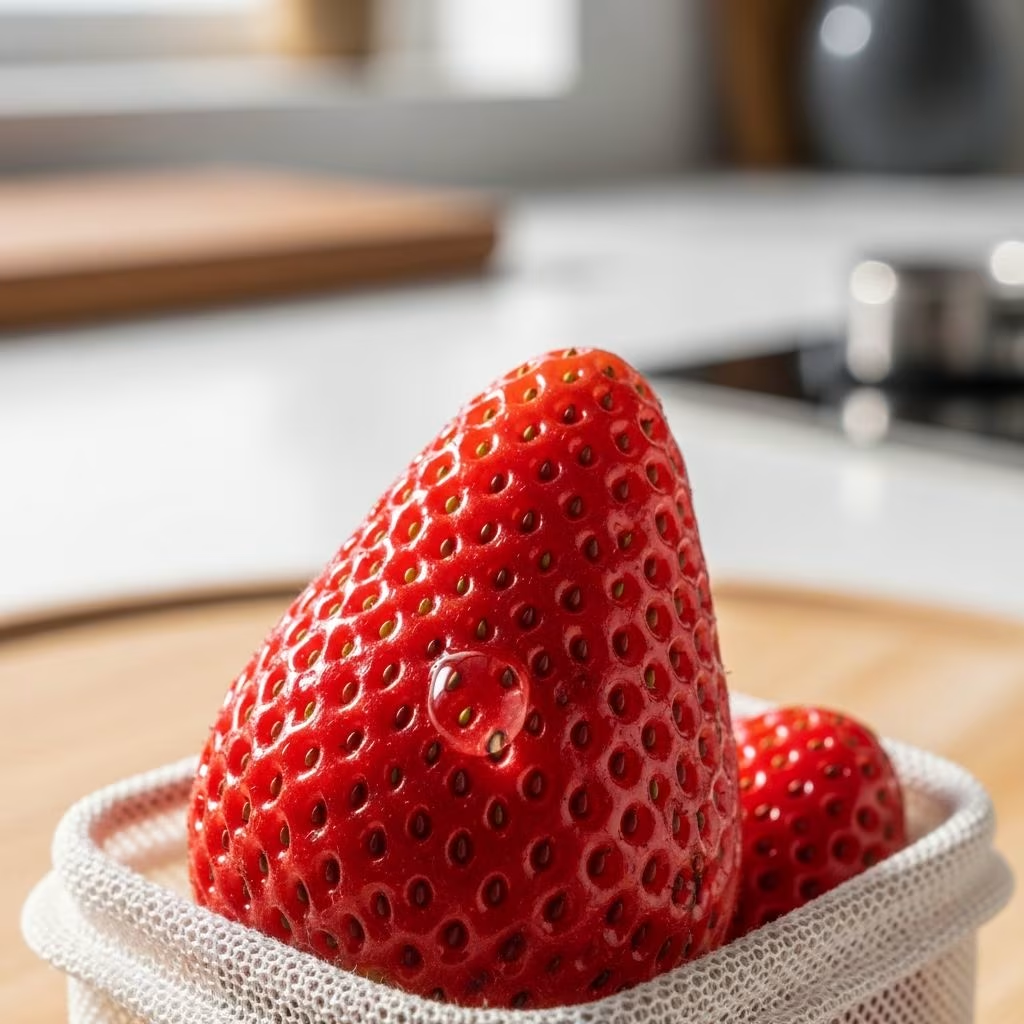
Strawberries are a seasonal delight, bursting with sweet-tart flavor and vibrant color, but their delicate nature makes them prone to quick spoilage. Moisture, bacteria, and improper storage accelerate mold and softening, leading to waste. This guide explores practical, tested strategies to maintain strawberry quality, drawing from reliable food preservation practices. Whether keeping them for immediate use or long-term storage, these approaches help you enjoy berries at their best.
Understanding Strawberry Spoilage
Strawberries spoil rapidly due to high water content (about 91%) and thin skins that allow easy microbial entry. Ethylene gas produced by the fruit speeds ripening, while excess moisture fosters mold like Botrytis cinerea. Key culprits include washing too early, overcrowding, and temperature fluctuations. By controlling these factors, you can extend shelf life significantly.
Fresh strawberries typically last 2-7 days in standard conditions, but optimized methods push this to two weeks or more. Freezing offers months of usability for cooked dishes.
Short-Term Room Temperature Storage
For berries you’ll consume within 48 hours, countertop storage preserves texture and taste better than refrigeration, which can cause chilling injury like mealy texture.
- Keep strawberries in their original clamshell container to allow air circulation.
- Place on a cool kitchen counter away from direct sunlight or heat sources.
- Inspect daily: Discard any soft or moldy berries immediately to prevent spread.
- Do not wash until ready to eat, as water accelerates decay.
This method suits warm kitchens under 75°F (24°C). Expect firmness for up to two days.
Refrigeration Techniques for Extended Freshness
Refrigeration slows bacterial growth and ethylene production. Optimal fridge temperature is 32-36°F (0-2°C) with humidity around 90-95%. Unwashed berries last longer than washed ones.
Basic Fridge Setup
Leave in original packaging if undamaged, or transfer to a breathable container. Line with paper towels to absorb moisture.
- Remove damaged berries first.
- Arrange in a single layer if possible.
- Store in the crisper drawer, lid ajar for ventilation.
This yields 5-7 days of freshness.
Vinegar Soak Method for Maximum Shelf Life
A dilute vinegar solution (acetic acid) kills surface bacteria and mold spores without altering taste when rinsed properly. This technique can extend life to 2 weeks.
- Mix 1 part white vinegar (5% acidity) with 3-6 parts cool water (e.g., ¼ cup vinegar + 1½ cups water).
- Submerge whole, capped strawberries for 2-5 minutes.
- Drain in a colander and rinse under cool running water.
- Pat dry thoroughly with paper towels or spin in a salad spinner lined with towels.
- Line a glass or plastic container with fresh paper towels; add berries in a single layer.
- Top with another towel, seal loosely, and refrigerate.
- Change towels if damp; label with date.
Vinegar’s antimicrobial properties reduce spoilage by 50-70% compared to plain water rinse. No vinegary flavor remains after rinsing.
Stemmed Berries in Airtight Containers
For prepped berries, remove green tops (cores) to prevent decay from the stem end, but skip washing.
- Line airtight container with paper towel.
- Add stemmed berries without crowding.
- Seal and refrigerate; lasts up to 1 week.
Ideal for salads or garnishes; refresh with a light rinse before use.
Layering for Bulk Storage
For larger quantities, layer berries to maximize space while managing moisture.
| Method | Steps | Expected Duration |
|---|---|---|
| Paper Towel Layers | Shallow bowl; towel bottom layer, single berry layer, repeat; cover loosely. | 5-7 days |
| Mason Jar Option | Dry berries upright in jar; lid loose; fridge. | Up to 2 weeks |
| Green Box (Light Filter) | Dark green container reduces light-induced decay. | 7-10 days |
These prevent stacking pressure and moisture buildup.
Freezing Strawberries for Long-Term Use
Freezing halts spoilage indefinitely if done correctly, preserving for smoothies, jams, or baking. Quality peaks within 8-12 months.
Whole or Sliced Dry Pack
Suitable for versatile use without added sugar.
- Select firm, ripe berries; wash gently if needed, hull.
- Pat completely dry.
- Spread on a parchment-lined tray; freeze 2-4 hours until solid (tray pack prevents clumping).
- Transfer to freezer bags or containers; remove air, seal, label.
Lasts 2 months at 0°F (-18°C).
Sugar Pack for Desserts
Draws out juices for syrupy texture, ideal for pies or sauces.
- Hull and halve berries.
- Mix with sugar (¼ cup per 10 oz berries); stir until juices release (30-60 min).
- Pack into freezer containers, leaving ½-inch headspace; seal.
Extends usability to 8-12 months; thaw in fridge.
Tip: Portion into recipe-sized bags to avoid refreezing.
Troubleshooting Common Issues
- Mold appears quickly: Isolate affected berries; ensure dryness and ventilation.
- Berries leak juice: Overripe or wet; use in smoothies promptly.
- Freezer burn: Use airtight packaging; avoid temperature swings.
- Loss of flavor post-thaw: Strawberries soften; best for cooked uses.
Health and Safety Considerations
Always discard moldy berries—do not trim, as mycotoxins can spread invisibly. Wash hands and surfaces. Vinegar soaks reduce pesticide residues and pathogens. For immunocompromised individuals, extra caution with raw berries.
Creative Uses for Aging Strawberries
Don’t toss soft berries: Blend into sauces, infuse vinegar, or bake into muffins. Roast for intensified flavor in salsas.
Frequently Asked Questions (FAQs)
Can I store strawberries with other fruits?
Avoid ethylene producers like apples or bananas, which hasten ripening. Store solo.
Is it better to wash strawberries before storing?
No—washing adds moisture. Clean only before eating, or use vinegar method.
How do I know if strawberries are still good?
Firm, bright red, fresh-scented. Soft, mushy, or off-smelling? Compost.
Does glass vs. plastic matter for storage?
Glass is non-porous, reducing odor absorption; both work if lined properly.
Can I refreeze thawed strawberries?
Only if cooked first; refreezing raw leads to mush.
Implementing these methods reduces food waste and ensures strawberries contribute to delicious meals. Experiment to find what suits your routine.
References
- How to Store Strawberries & Keep Them Fresh — Shari’s Berries. Accessed 2026. https://www.berries.com/articles/fruit/how-to-store-strawberries
- How do you keep strawberries fresh? — Food Talk Central. Accessed 2026. https://www.foodtalkcentral.com/t/how-do-you-keep-strawberries-fresh/16897
- Keeping Your Strawberries Fresh — University of Arkansas Extension (uaex.uada.edu). Accessed 2026. https://www.uaex.uada.edu/counties/miller/news/fcs/fruits-veggies/Keeping-Your-Strawberries-Fresh.aspx
- How to Make Strawberries Last Up to 2 Weeks! — PBS North Carolina (YouTube). Accessed 2026. https://www.youtube.com/watch?v=ulvl6f-f4l8