Pure maple syrup, derived solely from concentrated tree sap, boasts exceptional longevity due to its high sugar concentration that naturally inhibits microbial growth. When handled correctly, unopened containers can remain viable for years, while opened ones thrive in refrigeration for up to a year or more.
Understanding Maple Syrup’s Natural Stability
Maple syrup’s stability stems from its composition: approximately 66% sugar with minimal water activity, creating an environment hostile to bacteria and yeast. This allows unopened syrup to sit on pantry shelves for two years or longer without spoilage, provided it’s kept away from heat and light. Unlike processed sugars with additives, pure varieties rely on this inherent property, making proper storage crucial to avoid rare issues like mold or crystallization.
Factors influencing longevity include packaging, temperature fluctuations, and exposure to air or contaminants. Commercial producers heat syrup to 180-190°F during bottling to sterilize containers, enhancing shelf life further.
Ideal Containers for Maximum Freshness
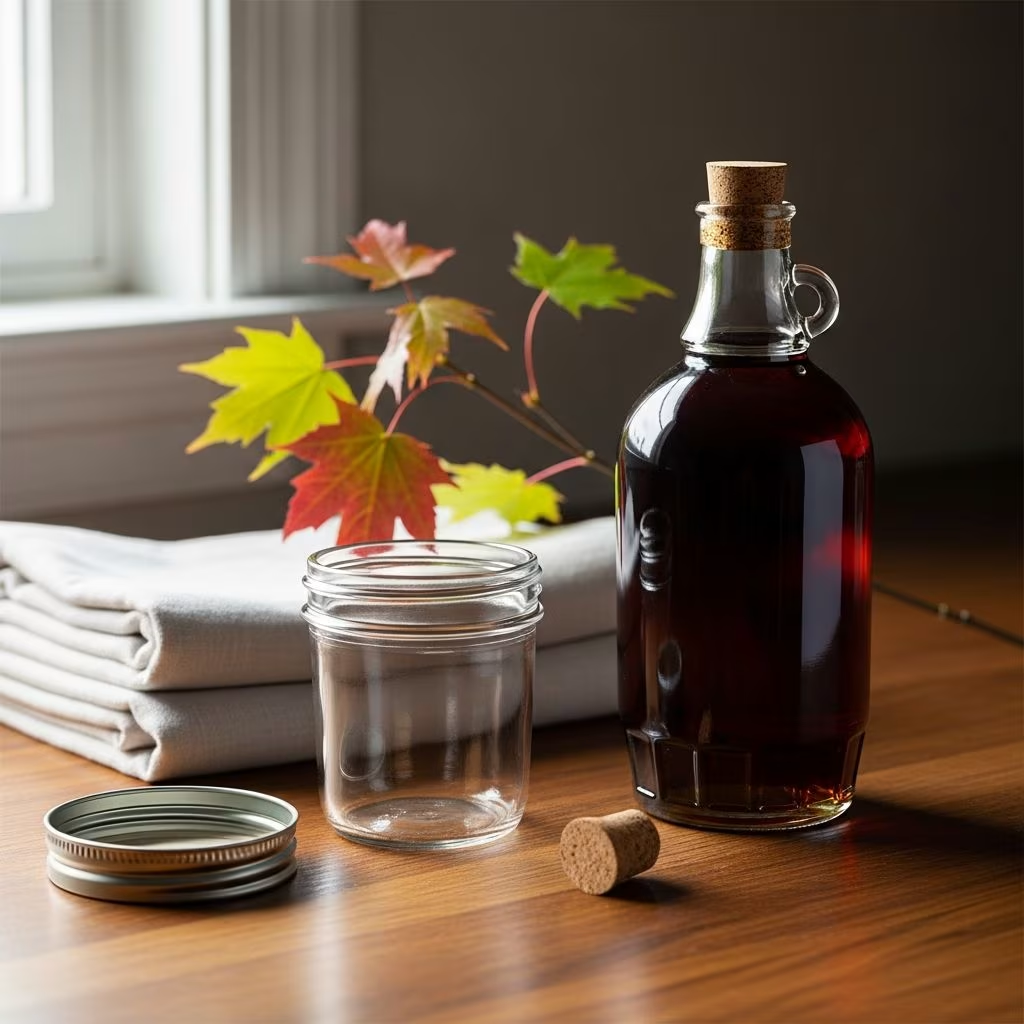
Selecting the right container is foundational to preserving maple syrup’s amber color and nuanced flavor profile. Glass jars, such as canning varieties, are preferred because they are impermeable to oxygen, preventing the darkening that occurs in plastic over time.
- Glass Jars: Opt for food-grade canning jars; their transparency showcases the syrup’s grade-specific hue while blocking degradation.
- Plastic Jugs: Suitable for bulk but inferior for long-term use; oxygen permeation causes flavor loss within 12-18 months.
- Metal Cans: Traditional for large quantities like barrels; effective if food-grade and sealed properly.
Always pair containers with airtight lids. For bulk purchases, transfer to smaller glass jars for daily use, reserving the rest for freezing.
Storage Guidelines for Unopened Maple Syrup
Unopened maple syrup requires minimal intervention: position it in a cool, dark location like a pantry, basement, or root cellar, maintaining temperatures below 70°F and shielding from sunlight.
| Storage Method | Temperature Range | Expected Shelf Life | Best For |
|---|---|---|---|
| Cool, Dark Pantry | 50-70°F | 2+ years | Unopened commercial bottles |
| Root Cellar/Basement | 40-60°F | Indefinite if sealed | Bulk or home-canned |
| Avoid Heat Sources | Above 70°F short-term only | Reduced by months | Not recommended |
Before use, inspect for off odors or visible mold; discard if present, as safety trumps salvage attempts.
Post-Opening Refrigeration Best Practices
Once opened, air exposure accelerates oxidation, so immediate refrigeration is essential. Store at 32-40°F; syrup remains pourable and lasts 1+ year.
Tips for fridge success:
- Wipe rims clean before resealing to prevent sugar crystals forming on threads.
- Use clean, dedicated utensils to avoid introducing contaminants.
- For frequent access, decant a small portion into a glass dispenser, keeping the main supply sealed.
Crystallization in the fridge is harmless—often from minor spills—and resolves with hot water rinsing of the lid.
Freezing for Extended Preservation
Freezing halts all degradation, ideal for bulk or seasonal stockpiles. Pure maple syrup doesn’t solidify completely due to its sugar content, thawing quickly for use.
- Pour into freezer-safe glass or plastic containers, leaving headspace for expansion.
- Seal tightly; label with date.
- Freeze at 0°F or below; viable indefinitely.
- Thaw in fridge or under cool water; use within weeks post-thaw.
Avoid repeated freeze-thaw cycles to preserve quality. Producers note this method suits large jugs perfectly.
Addressing Common Storage Issues
Reviving Crystallized Syrup
Sugar crystals form naturally from concentration or temperature shifts. To fix:
- Submerge sealed bottle in warm (not boiling) water for 5-10 minutes.
- Gently swirl; repeat if needed.
This preserves flavor without dilution.
Salvaging Mold-Contaminated Syrup
Surface mold, though uncommon, arises from contamination. Skim it off, then:
- Heat to 180°F in a saucepan, stirring to integrate.
- Boil briefly if concerned, then cool and re-refrigerate.
Discard if mold permeates deeply or smells rancid—err on caution.
Advanced Techniques: Canning Your Own
For home preservation, hot-pack canning extends pantry life. Use Michigan State University Extension guidelines:
- Filter hot syrup (185-190°F) through cloth to remove niter.
- Boil jars 10 minutes for sterilization.
- Fill hot, invert to seal, process pints 10 minutes in water bath.
- Store cool/dark up to 2 years unopened.
Monitor temps precisely: below 180°F risks spoilage; above 200°F darkens syrup.
Container Preparation and Hot Packing
Proper packing mimics commercial processes. Heat syrup post-filtering, fill sanitized vessels while hot, and invert briefly to sterilize lids. This inhibits yeast/mold, ensuring longevity.
Quality Indicators and When to Discard
Assess syrup by:
- Appearance: Excessive darkening signals oxidation.
- Texture: Heavy crystals or separation warrant gentle reheating.
- Aroma/Taste: Fermented or off notes mean disposal.
Best-by dates guide but aren’t expiration; pure syrup outlasts them with care.
Frequently Asked Questions
Does maple syrup expire?
No true expiration if stored right, but quality peaks within 1-2 years opened.
Can I store maple syrup at room temperature after opening?
Not recommended; refrigerate to prevent mold.
Is plastic safe for maple syrup?
Short-term yes, but glass superior for flavor retention.
How do I thaw frozen maple syrup?
Fridge overnight or room temp 10-30 minutes; avoid microwave.
Why does my syrup get sugary crystals?
Natural from cooling; warm gently to dissolve.
Pro Tips from Maple Experts
Leverage these for optimal results:
- Buy in glass for longevity.
- Portion into use-sized jars.
- Freeze extras immediately post-opening.
- Heat to serving temp slowly for best pour.
By following these strategies, enjoy maple syrup’s delicate flavors year-round.
References
- How to Store Maple Syrup – and save it when it goes bad — Maple Farmers. Accessed 2026. https://www.maplefarmers.com/blogs/all-about-vermont-maple-syrup/how-to-store-maple-syrup
- Canning Maple Syrup | Storing Maple Syrup — Binky’s Culinary Carnival. Accessed 2026. https://www.binkysculinarycarnival.com/canning-maple-syrup-storing-maple-syrup/
- Insider tips: How Best to Store Maple Syrup — Branon Maple. Accessed 2026. https://branonmaple.com/insider-tips-how-best-to-store-maple-syrup/
- Storing maple syrup – Food Preservation — Michigan State University Extension (canr.msu.edu). Accessed 2026. https://www.canr.msu.edu/news/storing_maple_syrup
- Does Maple Syrup Go Bad? Here’s How To Store Maple! — Butternut Mountain Farm. Accessed 2026. https://butternutmountainfarm.com/does-maple-syrup-go-bad-2/
- Storing Maple Syrup — Maine Maple Producers Association. Accessed 2026. https://mainemapleproducers.com/storing-maple-syrup/