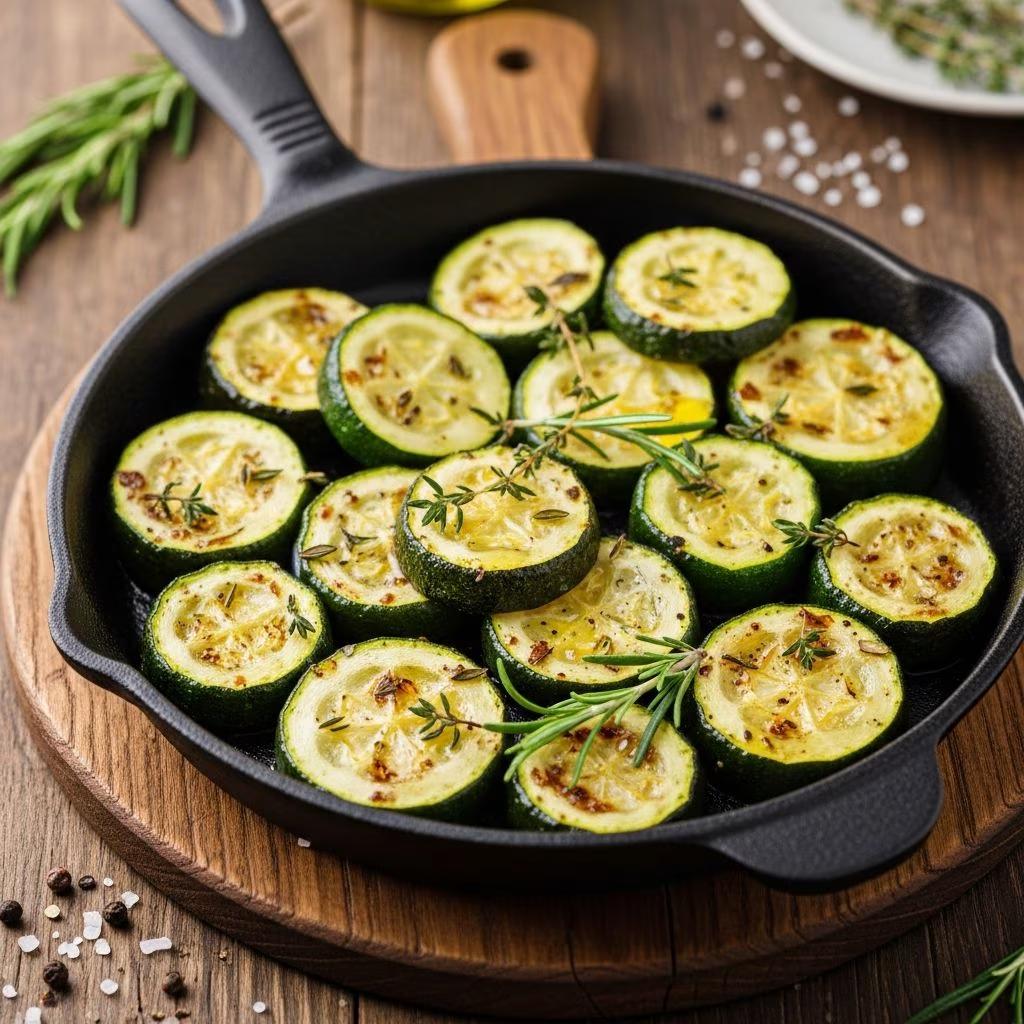
Zucchini is one of the most versatile and accessible vegetables available to home cooks, yet it remains one of the most underutilized in terms of preparation methods. Many people relegate zucchini to simple sautéing or grilling, but when approached with intention and technique, this humble summer squash can be transformed into something truly exceptional. The key lies in understanding how proper preparation, temperature control, and timing work together to coax out the vegetable’s natural sweetness while developing a sophisticated caramelized crust. This guide explores the techniques and considerations necessary to elevate your zucchini preparation from ordinary to impressive.
Understanding the Foundation: Why Preparation Matters More Than You Think
The difference between mediocre and remarkable roasted zucchini begins long before the heat is applied. Successful preparation starts with selecting quality specimens—look for medium-sized zucchini with firm flesh and unblemished skin. Larger zucchini tend to have more seeds and watery flesh, which can compromise the final texture, while smaller specimens provide better flavor concentration and a more pleasant eating experience.
Once you’ve selected your zucchini, the cutting method becomes crucial. Rather than slicing into rounds, lengthwise halving creates a larger surface area ideal for developing that coveted caramelized exterior. This orientation also allows the flesh to become creamy and tender while the cut surface achieves a beautiful golden-brown finish.
Many home cooks skip the scoring step, but this seemingly minor detail has significant implications. By using a sharp knife to create a crosshatch pattern on the flesh side—being careful not to cut completely through the skin—you accomplish multiple objectives simultaneously. The score marks provide pathways for salt to penetrate deeper into the flesh, drawing out excess moisture that could otherwise lead to steaming rather than roasting. Additionally, these indentations create more surface area for browning, resulting in enhanced texture and visual appeal.
The Moisture-Control Strategy: Salt’s Essential Role
Moisture management represents perhaps the most overlooked aspect of vegetable roasting. Zucchini contains significant water content, and if this moisture isn’t properly addressed, it can interfere with browning and create a soggy rather than crispy-edged result. This is where strategic salting becomes instrumental.
After scoring your halved zucchini, sprinkle kosher salt evenly across the cut surface and allow the vegetables to rest undisturbed for approximately fifteen minutes. During this resting period, osmosis draws moisture from the flesh to the surface. You’ll notice a thin layer of liquid accumulating on the salt. This step is non-negotiable for achieving optimal texture—skipping it often results in disappointment despite following all other steps correctly.
After the resting period concludes, use a clean kitchen towel to gently wipe away both the salt and the accumulated liquid. This simple action removes excess moisture while preserving the vegetable’s natural flavor and the benefits of proper seasoning.
Oil Selection and Pan Preparation: Technical Considerations
The choice of fat dramatically influences both the cooking process and the final flavor profile. Neutral oils with high smoke points—such as avocado oil, refined coconut oil, or beef tallow—are essential because they allow the pan to reach the necessary temperature without degrading or imparting unwanted flavors. Standard olive oil, while delicious in other applications, has a lower smoke point and should be reserved for finishing rather than the initial searing phase.
The amount of oil matters as well. Rather than drowning your vegetables, use just enough to coat the bottom of your cooking vessel. This ensures the zucchini makes direct contact with the hot surface, enabling proper caramelization through the Maillard reaction—the chemical process responsible for browning and flavor development.
Your cooking vessel must be oven-safe and preferably cast iron or another heavy-bottomed option. These materials distribute heat evenly and maintain consistent temperature throughout both the stovetop searing and oven-roasting phases. The weight also prevents hot spots that could burn portions of the vegetable while others remain underdeveloped.
The Two-Stage Cooking Method: Why Dual-Heat Approach Succeeds
The most reliable approach to achieving superior results involves a two-stage cooking process that leverages both direct stovetop heat and ambient oven heat. This method provides superior control and reproducibility compared to single-stage approaches.
Stage One: Stovetop Searing
Begin by preheating your oven to 450 degrees Fahrenheit. This ensures the oven reaches the target temperature before you need it, preventing unnecessary delays in the cooking process. Simultaneously, heat your oil in your oven-safe skillet over medium-high heat until it shimmers and just barely begins to smoke. This visual indicator confirms the oil has reached a temperature sufficient for browning.
Carefully place your prepared zucchini halves cut-side down into the hot oil. Resist the urge to move them during the initial cooking phase—this interrupts crust formation. Maintain heat at a level that allows steady browning without rapid burning. If the zucchini begins smoking excessively or darkening too quickly, reduce heat slightly. This stage typically requires five to eight minutes, though timing varies based on heat intensity and zucchini size.
Stage Two: Oven Roasting
Once the cut surface achieves a deep golden-brown color, carefully transfer the entire skillet to your preheated oven. This transfer completes the cooking process using the oven’s surrounding heat rather than direct flame. The zucchini should roast for twenty-five to thirty minutes, though personal texture preferences influence the exact timing. The vegetables are finished when completely tender throughout, with a butter-like consistency when pierced with a fork.
Ingredient Components: Building Your Base Recipe
| Component | Quantity | Notes |
|---|---|---|
| Fresh zucchini | 2-3 medium specimens | Select firm vegetables; halve lengthwise |
| High-smoke-point oil | 1-2 tablespoons | Avocado oil or refined coconut oil recommended |
| Kosher salt | ½-¾ teaspoon | Applied during moisture-drawing phase |
| Finishing salt (optional) | Pinch as garnish | Fleur de sel or Maldon for texture contrast |
Complementary Sauces and Finishing Preparations
While roasted zucchini stands perfectly well on its own, thoughtfully chosen accompaniments elevate the dish further. A traditional vierge sauce—composed of diced tomatoes, shallots, fresh herbs, quality olive oil, and red wine vinegar—provides acidic brightness and herbal complexity that contrasts beautifully with the zucchini’s natural sweetness and richness. This sauce is assembled in a separate bowl while the zucchini roasts, allowing flavors to meld together.
Alternative finishing options accommodate various dietary preferences and flavor profiles. Creamy elements like burrata cheese or Greek yogurt add luxurious texture, while nutty components such as toasted walnuts or pistachios provide satisfying crunch. Fresh herbs—basil, parsley, or mint—contribute bright, garden-fresh notes. For those who enjoy heat, drizzles of high-quality chili oil add complexity and warmth.
After removing the zucchini from the oven, transfer it to paper towel-lined plates briefly to absorb excess oil. This step prevents the finished dish from feeling greasy while maintaining the crispy exterior you’ve worked to develop.
Timing Variations and Personal Preferences
The cooking duration specified in most recipes represents only a guideline, not an absolute requirement. Your ideal doneness depends entirely on your personal texture preferences. Those who prefer zucchini with some remaining firmness and structural integrity can reduce oven time to ten to fifteen minutes, removing the vegetable while it still retains a slight resistance when pierced. Conversely, those who enjoy completely creamy, almost melting texture can extend roasting to the full thirty minutes or even beyond.
Experimentation is encouraged here—try the standard thirty-minute approach first to establish a baseline, then adjust subsequent attempts according to your preferences. Taking brief notes about cooking times and your reaction helps establish your personal ideal method, which becomes increasingly reproducible with practice.
Frequently Asked Questions
What if my zucchini becomes mushy rather than tender with some texture remaining?
Mushiness often results from insufficient moisture removal during the preparation phase. Ensure you’re allowing adequate time for salt to draw out moisture, and definitely wipe away accumulated liquid before cooking. Additionally, reducing roasting time as discussed above prevents over-softening.
Can I prepare zucchini using this method ahead of time for entertaining?
Roasted zucchini is best enjoyed immediately after preparation while the contrast between creamy interior and crispy exterior remains pronounced. However, you can complete preparation steps—cutting, scoring, and salting—several hours in advance. Complete cooking just before serving for optimal results.
Does zucchini variety affect the cooking outcome?
Different zucchini varieties contain varying water and sugar content, which influences both browning speed and final texture. Italian varieties tend to be firmer, while summer squash variants are often more watery. Adjust cooking times slightly based on the specific variety you’re using.
What oil works best if I don’t have avocado oil available?
Refined coconut oil, grapeseed oil, or vegetable oil all work admirably. The essential requirement is a high smoke point—approximately 400 degrees Fahrenheit or above—rather than a specific oil variety.
Can this recipe be adapted for outdoor grilling?
While direct grilling presents challenges with moisture management and even cooking, you can adapt the method by searing on grill grates over high heat, then moving to a cooler zone to finish cooking. Cast iron grill pans placed on the grill create an effective oven-like environment.
Conclusion: From Everyday Vegetable to Impressive Side Dish
Transforming zucchini from a weekday staple into something that commands attention at the dinner table requires nothing more than understanding the fundamental principles of heat, moisture management, and timing. The techniques outlined here represent investments in knowledge that pay dividends across numerous vegetable preparations, making them worth mastering thoroughly. Whether served alongside proteins at an elegant dinner or enjoyed simply as a standalone course, properly roasted zucchini demonstrates that simplicity and sophistication need not be mutually exclusive in the kitchen.
References
- Maillard Reaction in Food Chemistry — American Chemical Society. 2023. https://www.acs.org/
- Safe Food Handling and Temperature Guidelines — U.S. Department of Agriculture Food Safety and Inspection Service. 2024. https://www.fsis.usda.gov/
- Vegetable Composition and Cooking Methods — University of California Cooperative Extension. 2023. https://ucanr.edu/
- Oil Smoke Points and Culinary Applications — Institute of Culinary Education. 2024. https://www.ice.edu/
- Moisture Management in Vegetable Cookery — Serious Eats / J. Kenji Lopez-Alt. 2022. https://www.seriouseats.com/