Introduction to Poultry Roasting
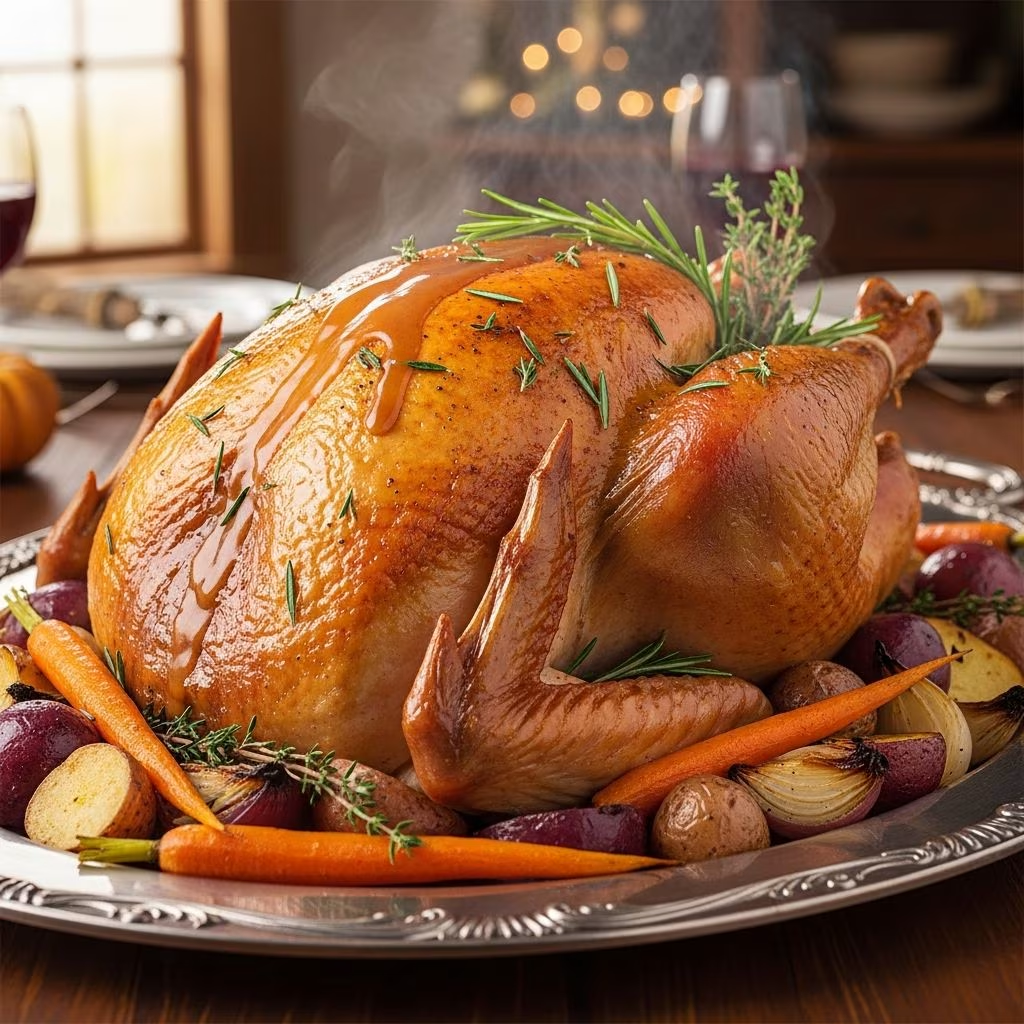
Preparing a whole turkey represents one of the most significant culinary undertakings for many home cooks, particularly during holiday gatherings. The challenge lies not in complexity but in understanding the fundamental principles that govern successful poultry preparation. A properly roasted turkey should emerge from the oven with golden-brown skin, moist white meat, and tender dark meat that easily separates from the bone. The difference between an exceptional bird and a disappointing one often comes down to preparation methods, temperature management, and timing awareness rather than ingredient sophistication.
Essential Preparation Steps Before Roasting
The foundation of excellent turkey roasting begins long before the bird enters the oven. Proper preparation determines whether your final dish will satisfy your expectations or fall short. The following steps establish the groundwork for success:
Thawing and Initial Cleaning
If using a frozen turkey, allow adequate time for thawing in the refrigerator, typically allocating approximately 24 hours for every four to five pounds of bird. Once thawed, remove all packaging materials and locate the giblets and neck, which are typically found in both the main cavity and the neck cavity. Some cooks prefer discarding these items, while others reserve them for making gravy or broth. Rinse the entire turkey thoroughly under cold running water, both inside and outside, to remove any residual packaging materials or bacteria. Pat the bird completely dry using paper towels, as moisture prevents proper browning and promotes steam rather than roasting.
Seasoning the Interior Cavity
The inner cavity deserves as much attention as the exterior. Season the interior generously with salt and pepper before any stuffing or aromatics are added. This step ensures flavor penetration throughout the meat rather than remaining concentrated on the surface. Many preparation methods include placing aromatic vegetables and fresh herbs inside the cavity. Common choices include quartered apples, onions cut into chunks, fresh lemon quarters, and aromatic herbs such as sage, rosemary, or thyme. These items infuse the poultry with subtle flavors and release aromatic compounds during the roasting process, enhancing both the meat and any pan drippings intended for gravy.
Creating a Flavor Base
Prepare a butter-based mixture that will be applied to the bird’s exterior. Soften or melt unsalted butter and combine it with fresh lemon juice, lemon zest, and poultry seasoning. This aromatic mixture serves multiple purposes: it enhances browning, adds flavor to the skin, and helps maintain moisture during the extended cooking period. Some variations incorporate fresh herbs directly into the butter, while others include minced garlic or a touch of honey for sweetness.
Positioning and Trussing Techniques
How you position the turkey in the roasting pan significantly affects cooking evenness and browning patterns. Place the bird breast-side up on a roasting rack positioned within a substantial roasting pan. The rack serves the critical function of elevating the bird above any accumulated pan liquids, allowing hot air to circulate underneath and preventing the bottom from stewing rather than roasting.
Trussing—the process of securing the legs and wings—prevents extremities from overcooking before the body reaches the target temperature. Use kitchen twine or specialized trussing lacers to tie the legs together at the thighs. Tuck the wing tips underneath the body, which keeps them from browning too rapidly and becoming dry. This arrangement also creates a more compact shape that roasts more evenly throughout.
Temperature Management and Roasting Strategy
Temperature control represents the most critical variable in achieving consistent results. The recommended approach involves two distinct temperature phases:
Initial High-Temperature Phase
Begin roasting at 450°F (233°C) for approximately 30 minutes. This initial high heat promotes rapid browning and skin crisping while the interior is still cool. Monitor the bird during this phase; if the breast appears adequately golden brown, proceed to the next step. If the skin remains very pale, continue this phase for an additional 10 minutes to ensure proper surface development.
Reduction to Moderate Temperature
After the initial browning phase, reduce the oven temperature to 350°F (177°C). This moderate temperature allows the interior to cook through without excessive exterior browning. At this point, many cooks apply an aluminum foil tent over the breast area to prevent overcooking while darker thigh meat continues reaching the target internal temperature. This technique, known as “shielding,” slows the browning process on the most delicate meat while protecting against drying.
Calculating Cooking Time Accurately
Cooking duration depends primarily on the bird’s weight and the specific oven characteristics. A general guideline suggests approximately 13 to 15 minutes per pound when using the two-temperature method. However, this serves as estimation rather than absolute truth. Factors influencing actual cooking time include:
- Oven calibration accuracy (many home ovens run hotter or cooler than displayed settings)
- Whether the bird was stuffed with dressing (adds approximately 15 to 25 minutes)
- The type of roasting pan used (dark pans conduct heat differently than light-colored ones)
- Whether foil shielding was applied and when
- Individual oven air circulation patterns
Monitoring Internal Temperatures
Relying solely on cooking time without temperature verification risks either undercooked or overcooked results. Invest in an instant-read thermometer or an oven probe thermometer for accurate doneness assessment. Insert the thermometer into the thickest portion of the thigh without touching bone, as bone conducts heat and produces misleading readings. Safe internal temperatures require 161°F (72°C) in the breast meat and 180°F (82°C) in the thigh meat. White meat cooks faster than dark meat, so checking multiple locations prevents the common problem of overdone breast meat paired with undercooked thighs.
The Basting Process and Moisture Retention
Basting—the periodic application of pan drippings or prepared butter mixture to the bird’s exterior—remains optional but beneficial. If practiced, baste approximately every 30 minutes throughout the roasting period. Combine melted butter with the pan drippings or use the prepared herb butter mixture. Each basting session adds moisture to the skin and promotes even browning. However, some cooks argue that opening the oven door frequently for basting releases heat and disrupts the cooking process. The decision to baste depends on personal preference and your confidence in oven heat retention.
Pan Preparation and Gravy Foundation
The roasting pan serves purposes beyond simply containing the bird. Pour 3 to 4 cups of chicken stock into the bottom of the pan before roasting begins. This liquid base serves multiple functions: it prevents pan drippings from burning, creates steam that aids cooking, and provides the foundation for pan gravy preparation. Some cooks prefer adding apple cider for subtle sweetness that complements both the turkey and traditional side dishes. Any leftover aromatic vegetables not placed in the cavity should be distributed across the pan bottom, as these will flavor the broth and contribute to gravy development.
Rest Period Following Roasting
Perhaps the most overlooked step in turkey preparation, the resting period proves absolutely essential. Once the bird reaches target internal temperatures, remove it from the oven and allow it to rest undisturbed for 20 to 30 minutes on a clean surface or large cutting board. During this rest, residual heat continues gentle cooking while carryover carryover continues reaching final target temperatures in the thickest sections. More importantly, resting allows muscle fibers to relax and reabsorb their released moisture, resulting in significantly juicier meat. Carving immediately after removal from heat causes accumulated juices to run onto the cutting surface rather than remaining within the meat.
Common Mistakes to Avoid
Understanding common pitfalls helps prevent disappointment. Never roast a turkey directly on the oven rack or pan bottom without an intervening rack, as this promotes uneven cooking and bottom burning. Avoid opening the oven door excessively, as each opening causes significant temperature drops that extend cooking time and promote uneven results. Do not skip the drying step after initial rinsing, as surface moisture prevents browning. Resist the temptation to stuff the cavity the night before, as this creates potential bacterial growth conditions; stuff immediately before roasting instead. Never carve before the resting period completes, regardless of anticipation or time pressure.
Frequently Asked Questions
Can frozen turkeys be roasted without thawing?
While technically possible, this approach significantly extends cooking time—approximately 50% longer than standard guidelines. Additionally, thawed birds brown more evenly. Proper thawing in the refrigerator remains the recommended approach for optimal results.
Should stuffing be cooked inside or outside the turkey?
Cooking stuffing inside the bird risks insufficient heating in the stuffing’s center before the surrounding meat overcooks. Cooking dressing separately in a baking dish ensures even heating throughout while eliminating this concern. If cavity stuffing is preferred, loosely pack the cavity and verify that the stuffing’s center reaches 165°F (74°C).
What size turkey is appropriate for different guest counts?
Plan approximately 1 to 1.5 pounds per person, accounting for bone weight. A 14-pound bird serves approximately 10 to 12 people with minimal leftovers, while a 16-pound bird provides approximately 12 to 14 servings with some surplus.
How should leftover turkey be stored safely?
Remove meat from bones within two hours of serving and store in airtight containers at 40°F (4°C) or below. Properly stored leftovers remain safe for three to four days. Turkey meat can also be frozen for up to three months in freezer-safe containers.
Equipment Essentials
Successful turkey roasting requires appropriate equipment. A heavy-bottomed roasting pan with substantial sidewalls prevents pan drippings from splattering across the oven. A sturdy V-shaped rack elevates the bird adequately and provides stable positioning. An instant-read or probe thermometer eliminates guesswork regarding doneness. Heavy-duty kitchen twine or specialized trussing lacers secure the bird properly. A reliable meat baster or brush applies butter and pan drippings evenly. Heavy-duty aluminum foil protects delicate breast meat when needed.
Variations and Alternative Methods
While traditional roasting produces excellent results, several alternative approaches merit consideration. Some cooks prefer starting with the bird breast-side down for the initial phase, allowing dark meat to benefit from direct heat before flipping to promote breast browning. This method requires additional oven handling and risks skin tearing but produces evenly cooked results when executed successfully. High-heat methods that maintain elevated temperatures throughout cooking produce crispier skin but require vigilant monitoring. Slow-roasting at lower temperatures produces exceptionally moist meat but requires extended cooking periods.
References
- USDA Food Safety and Inspection Service – Turkey Storage and Handling Guidelines — United States Department of Agriculture. 2024. https://www.fsis.usda.gov/food-safety/safe-food-handling-and-preparation/poultry/turkey-storage-and-handling
- FDA – Safe Internal Temperature for Poultry — U.S. Food and Drug Administration. 2024. https://www.fda.gov/food/food-safety/what-you-need-know-about-food-safety
- Grits and Pinecones – Simple and Perfect Roast Turkey — Grits and Pinecones. 2024. https://www.gritsandpinecones.com/simple-and-perfect-roast-turkey/
- The Good Hearted Woman – Simply Perfect Roast Turkey — The Good Hearted Woman. 2024. https://thegoodheartedwoman.com/perfect-roast-turkey/
- Tastes Better From Scratch – Easy, No-Fuss Thanksgiving Turkey — Tastes Better From Scratch. 2024. https://tastesbetterfromscratch.com/easy-no-fuss-thanksgiving-turkey/