Chowder represents one of the most beloved comfort dishes across culinary traditions, offering warmth and satisfaction in every spoonful. While traditional versions often rely on cream or butter-based broths, contemporary adaptations explore global flavors and alternative ingredients. A coconut-infused variation brings tropical brightness to this classic preparation, transforming the familiar into something entirely fresh and exciting. This particular preparation combines delicate white fish with the richness of coconut milk, enhanced by warming spices and finished with a textured topping that adds both flavor and visual interest.
Understanding the Foundation: Key Ingredients and Their Roles
The success of any chowder depends on understanding how individual components work together to create a cohesive dish. Each ingredient contributes specific properties—whether structural, aromatic, or textural—that elevate the final result.
The Protein Base
White fish serves as the primary protein in this preparation, offering delicate flavor and a tender texture when cooked properly. Cod provides a mild, slightly sweet profile that pairs beautifully with coconut and spice notes. The fish fillets should be relatively thick to prevent overcooking during the simmering process. Most recipes recommend using skinless, boneless portions ranging from 680 grams to approximately 24 ounces, allowing for proper seasoning and even cooking throughout. When selecting fish, appearance matters—look for flesh that appears firm and translucent rather than opaque or bruised. Alternative options like halibut offer similar cooking properties and flavor neutrality, making them suitable substitutes if cod becomes unavailable or unaffordable.
Aromatics and Flavor Builders
The aromatic foundation begins with leeks, which provide a subtle onion-like sweetness without the sharp bite of raw onions. Leeks contain layers that trap soil, so thorough cleaning between each layer prevents grit from contaminating the finished dish. Fresh ginger contributes warming spice and slight peppery notes, while garlic adds depth and savory complexity. These three ingredients, when gently softened in fat, create the flavor base upon which all subsequent layers build.
Spice Complexity
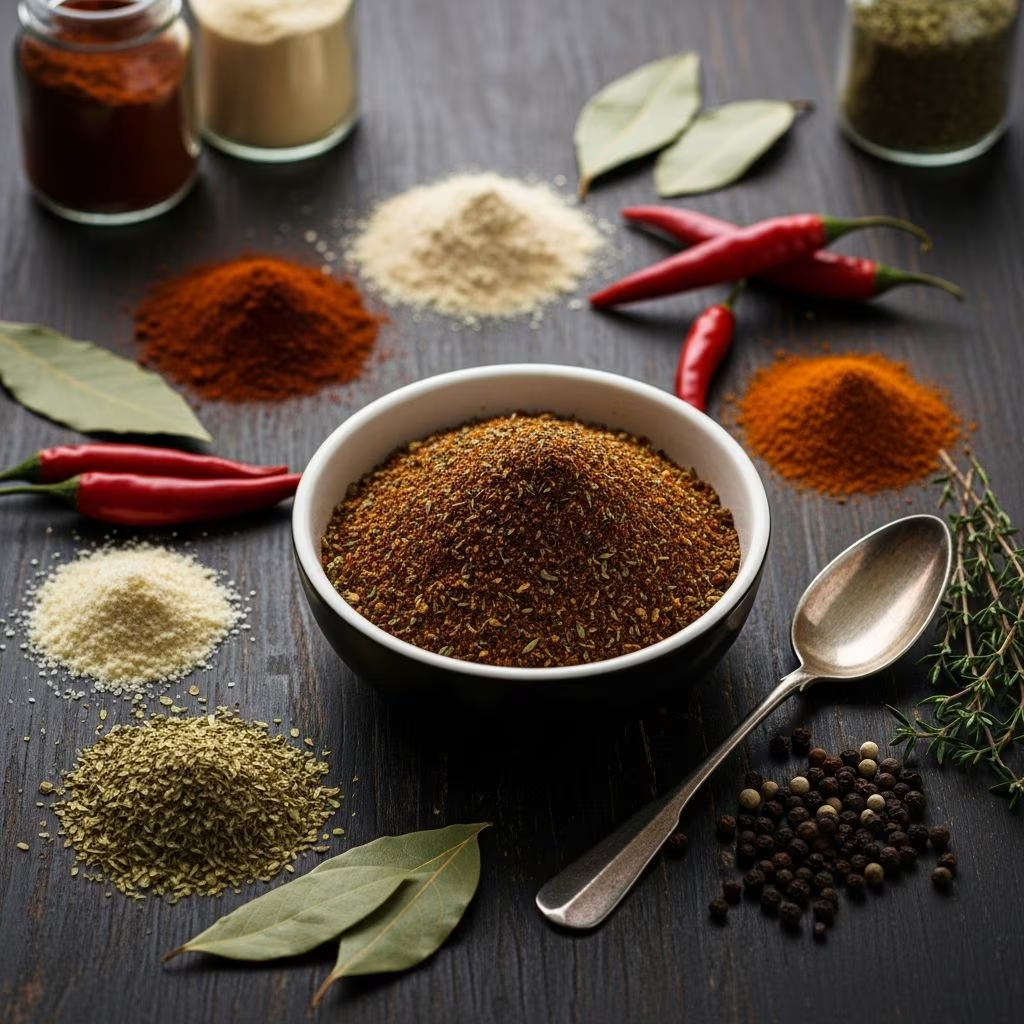
Ground turmeric, coriander, and cardamom work in concert to create warmth and earthiness reminiscent of Southeast Asian cuisine. Turmeric contributes golden color and subtle bitterness balanced by the warm, slightly citrusy notes of coriander. Cardamom adds floral complexity and aromatic sweetness. A fresh serrano chili introduces gentle heat that builds gradually rather than overwhelming the palate. These spices, toasted briefly in fat after the aromatics have softened, bloom and release their essential oils, intensifying their flavor impact dramatically.
The Creamy Component
Unsweetened coconut milk provides the richness traditionally supplied by heavy cream or butter in standard chowder preparations. Full-fat coconut milk contains sufficient emulsifying properties to create a silky mouthfeel without requiring additional thickening agents. Two cans of 400 milliliters each provide adequate richness for proper consistency and flavor development. The choice of unsweetened varieties prevents unwanted sugar from competing with the spice profile.
Supporting Players
Baby potatoes, whether Yukon Gold or red varieties, provide textural contrast and subtle starch that naturally thickens the broth. Celery contributes aromatic depth and refreshing vegetal notes. Ghee or unsalted butter serves as the cooking fat and flavor carrier for the spices. Oyster crackers, traditionally paired with chowder, receive a flavor upgrade through toasting in ghee and coating with paprika, transforming ordinary crackers into a sophisticated textural element.
The Cooking Process: Technique and Timing
Proper execution of cooking technique ensures that delicate fish remains moist, vegetables achieve ideal tenderness, and flavors meld without becoming muddy or overdeveloped.
Building the Aromatic Base
The process begins by seasoning the fish generously with kosher salt and setting it aside. This advance seasoning allows salt to penetrate the protein structure, promoting more even seasoning throughout. Meanwhile, ghee heats in a medium-sized pot or Dutch oven over moderate flame. When the fat reaches the proper temperature—hot enough to make aromatics sizzle but not so hot that they brown—leeks, garlic, and ginger are added. These ingredients cook for approximately three minutes with occasional stirring, softening gradually while maintaining pale color. Patience during this phase prevents browning that would create bitter, burnt flavors.
Blooming the Spices
Once aromatics reach the proper texture, turmeric, coriander, and cardamom are stirred into the pot. The residual heat and fat cause these spices to release volatile aromatic compounds, a process known as blooming. After about thirty seconds, the kitchen fills with warm fragrance—a signal that the spices have activated properly. This brief toasting step dramatically amplifies spice impact compared to adding raw ground spices directly to liquid.
Building the Broth
The serrano chili, potatoes, coconut milk, and water combine to form the broth. The mixture comes to a boil, then heat reduces immediately to maintain barely a simmer—just small bubbles breaking the surface occasionally. This gentle approach prevents potatoes from disintegrating and allows flavors to meld gradually rather than aggressively. The pot remains loosely covered with the lid slightly ajar, allowing steam to escape while preventing excessive evaporation. After ten to twelve minutes, potatoes achieve fork-tender consistency.
Cooking the Fish
The reserved fish fillets nestle carefully into the simmering broth, with some of the hot liquid spooned over them. The pot recovers its loose cover, and cooking continues at the bare simmer for four minutes. This initial phase partially cooks the exterior while leaving the interior relatively underdone. Celery is then stirred in, and cooking continues for approximately five minutes more. The fish is ready when it appears opaque throughout and flakes easily when tested with a fork. Overcooking results in dry, tough texture, so vigilant observation prevents this common error.
Finishing the Broth
A final taste assessment allows for seasoning adjustments. Fresh lime juice squeezed directly into the pot brightens flavors and adds necessary acidity that prevents the dish from becoming heavy or one-dimensional. Additional salt may be required depending on individual taste preferences and the saltiness of the fish used.
Preparing the Toasted Cracker Garnish
While the chowder simmers, the crackers receive special treatment. In a separate small skillet, the remaining ghee heats over medium-low flame. Oyster crackers distribute evenly in the hot fat, stirring constantly to ensure even coating and browning. After approximately five minutes, the crackers turn golden brown and develop toasted aroma. At this point, paprika dust coats the crackers, providing warm color and subtle peppery flavor. This two-step process—toasting then paprika application—creates textural contrast and flavor complexity that elevates humble crackers into a refined component.
Composition and Serving
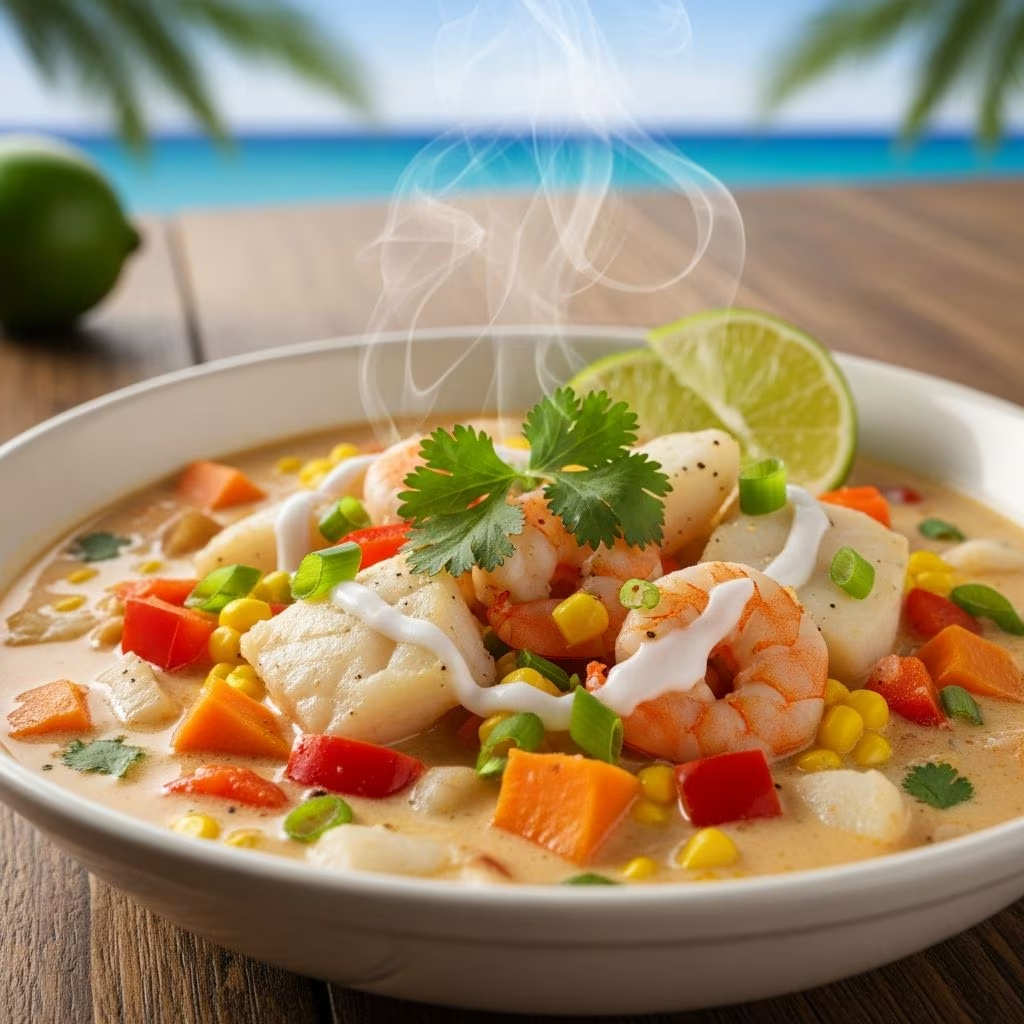
Assembly matters as much as individual component preparation. The chowder ladles into bowls, with the fish broken into large, attractive pieces rather than left in intact fillets. Celery leaves scatter across the surface if available, providing fresh color and subtle aromatic accent. The toasted paprika crackers crown each bowl, adding both visual interest and textural contrast. Lime wedges accompany each serving, allowing diners to adjust acidity to personal preference.
Understanding Flavor Profiles and Ingredient Science
The marriage of tropical and comfort-food elements creates complexity rarely found in single-note dishes. Coconut milk contains fat-soluble compounds that dissolve and distribute throughout the broth, creating silky mouthfeel and carrying spice flavors throughout the dish. The milk proteins also contribute subtle sweetness that balances bitter spice notes. Turmeric’s curcumin compounds provide both color and mild bitterness countered by the warm sweetness of cardamom. Fresh ginger contains gingerol compounds responsible for its characteristic peppery heat. These chemical interactions create a flavor experience greater than the sum of individual ingredients.
Nutritional Considerations
This preparation emphasizes protein from white fish while incorporating complex carbohydrates from potatoes and vegetable fiber from celery and leeks. Ghee provides fat-soluble vitamins and aids nutrient absorption from spices. The dish achieves satisfying richness through coconut milk rather than heavy cream, offering an alternative for those preferring plant-based lipids. A single serving provides substantial protein content—crucial for muscle maintenance and tissue repair. The aromatic spices contribute bioactive compounds including antioxidants and anti-inflammatory agents.
Variations and Adaptations
Protein Alternatives: Halibut, sea bass, or even firm white fish varieties offer similar cooking properties and subtle flavor profiles. Some preparations substitute shrimp or scallops for entirely different textural experiences.
Vegetable Modifications: Root vegetables like parsnips or turnips substitute for potatoes, while mushrooms add umami depth. Some versions include baby corn or snow peas for textural contrast.
Spice Adjustments: Those preferring milder heat reduce or omit the serrano chili. Additional turmeric intensifies color and earthy notes, while cumin substitutes for coriander if preferred.
Topping Options: Crispy fried shallots, toasted nuts, or herb oil drizzles offer alternatives to paprika crackers while maintaining the textural contrast principle.
Make-Ahead and Storage Guidance
The aromatic base and broth develop optimal flavor after several hours of resting, making advance preparation practical. However, the fish cooks best when added close to serving time to prevent overcooking. The toasted crackers maintain ideal crispness for approximately one hour after preparation. Leftover chowder stores in airtight refrigerated containers for up to two days, though texture gradually softens as the fish continues absorbing liquid. Gentle reheating over low flame prevents the fish from further deteriorating or the coconut milk from separating.
Frequently Asked Questions
Can I use canned fish instead of fresh fillets?
While canned fish works in other preparations, fresh fillets create superior texture and appearance in this recipe. Canned fish tends toward mushiness when simmered further.
What if I cannot find baby potatoes?
Regular potatoes cut into bite-sized pieces work adequately, though cooking time may adjust. Aim for uniform sizing to ensure even doneness.
Does the dish freeze well?
The broth freezes successfully for approximately one month. However, texture quality diminishes after thawing due to fish protein breakdown. It is best enjoyed fresh or within two days.
Can I substitute butter for ghee?
Yes, though ghee offers higher heat tolerance and slightly different flavor profile. Clarified butter provides similar cooking properties.
How can I make this dish spicier?
Increase the serrano chili quantity, add red pepper flakes, or incorporate cayenne pepper. Adding these elements gradually prevents overwhelming delicate fish flavors.
References
- Coconut Cod Chowder With Seasoned Oyster Crackers — Patient.info. Accessed April 8, 2026. https://patient.info/recipes/high-protein-recipes/coconut-cod-chowder-with-seasoned-oyster-crackers
- Coconut Cod Chowder — Sprigs of Rosemary. February 2021. https://www.sprigsofrosemary.com/2021/02/coconut-cod-chowder.html
- Turmeric and Curcumin: Bioavailability and Mechanisms of Bioactivity in Human Health — Journal of Medicinal Food. 2010. DOI: 10.1089/jmf.2009.1146. https://doi.org/10.1089/jmf.2009.1146
- Nutritional Composition and Health Benefits of Fish — American Journal of Clinical Nutrition. National Institutes of Health, U.S. Department of Health and Human Services. https://www.ncbi.nlm.nih.gov/