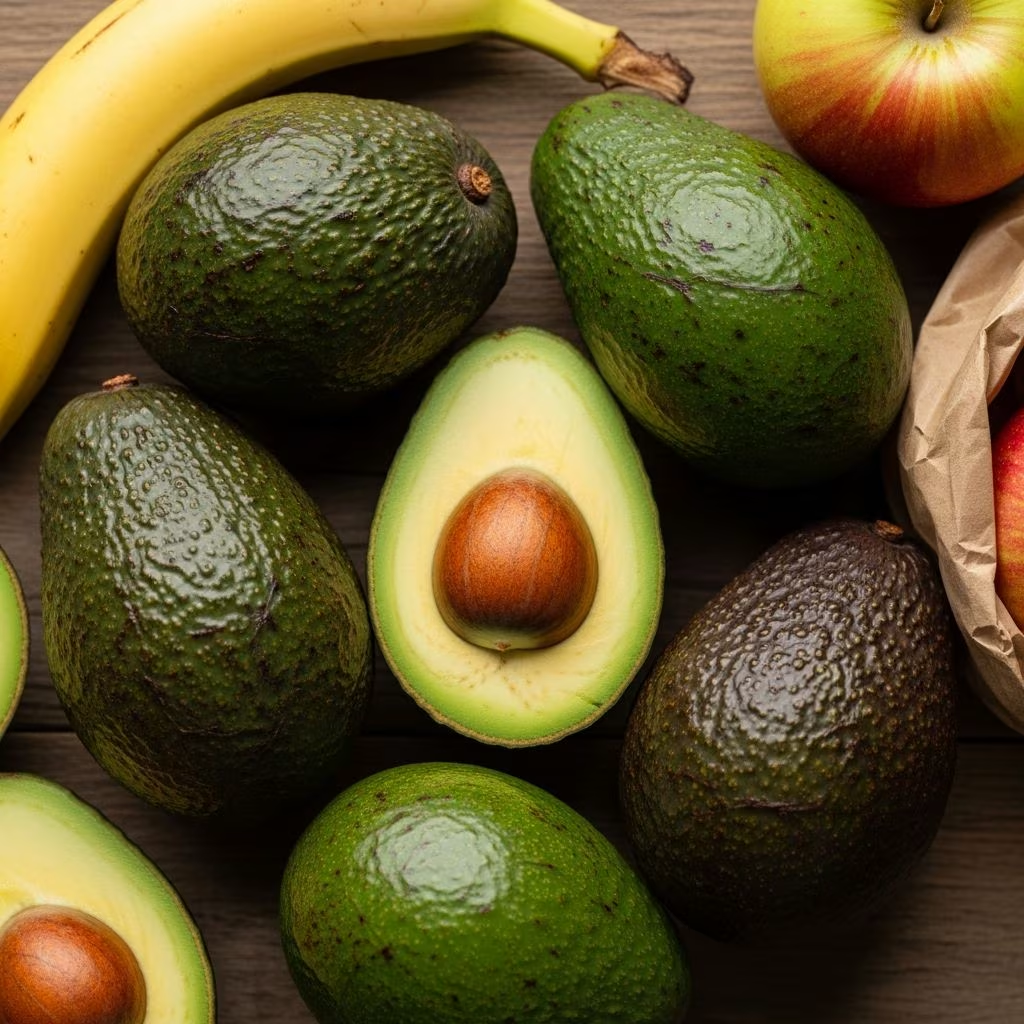
Avocados bring creamy texture and rich flavor to dishes like salads, toast, and dips, but their ripening process can frustrate even seasoned cooks. Often, you buy them firm only to wait days for perfection. Fortunately, simple household methods harness natural plant hormones to accelerate this without compromising quality. This guide explores reliable strategies, science-backed explanations, storage advice, and pitfalls to dodge for consistently ripe results.
Understanding Avocado Biology for Better Ripening
Avocados are climacteric fruits, meaning they ripen after harvest through ethylene gas production—a natural hormone that breaks down cell walls and converts starches to sugars. Unripe avocados produce little ethylene, staying hard and bland. Triggering this gas speeds softening and flavor development. Temperature also plays a role: warmth boosts enzyme activity, hastening the process. Knowing this helps select methods that mimic nature efficiently.
Commercial growers control ripening with controlled ethylene exposure, but at home, we replicate it using fruits like bananas or kiwis, which emit high levels. Patience remains key—rushing with heat sources like ovens alters texture unfavorably, yielding mush without true ripeness.
Top Methods to Ripen Whole Avocados Quickly
Several techniques stand out for their speed and simplicity. Each traps or supplies ethylene while maintaining optimal conditions. Here’s how to implement them step by step.
Paper Bag with Ethylene Producers
The classic approach uses a brown paper bag to contain ethylene from ripe bananas or apples. Fold the bag loosely to allow air circulation while trapping gas.
- Select a firm, unripe avocado and 1-2 ripe bananas (yellow with brown spots).
- Place items inside the bag without crowding.
- Fold the top and leave at room temperature (around 70°F).
- Check after 24 hours; most ripen in 1-3 days.
This method often works overnight for nearly ripe fruit, making it ideal for last-minute needs.
Rice Burial Technique
Uncooked rice absorbs ethylene from the avocado itself, concentrating it around the fruit for even ripening.
- Pour 2-3 inches of dry rice into a deep bowl.
- Bury the avocado completely, ensuring full coverage.
- Store in a warm spot; inspect daily.
- Expect 2-4 days, rinsing rice afterward to reuse.
Rice’s starch content enhances gas retention, outperforming loose storage.
Sunlight and Warmth Exposure
Direct sunlight raises temperature, naturally accelerating ethylene release without added items.
- Position avocados on a sunny windowsill for 1-2 days.
- Avoid direct scorching; indirect light suffices indoors.
- Combine with bagging for faster results in cooler climates.
This passive method suits small batches and integrates easily into kitchen routines.
Comparing Ripening Methods: Which is Best?
Choose based on urgency, available items, and batch size. The table below summarizes pros, cons, and timelines.
| Method | Timeframe | Pros | Cons | Best For |
|---|---|---|---|---|
| Paper Bag + Banana | 1-2 days | Fastest, reliable | Needs ripe fruit | Urgent needs |
| Rice Bowl | 2-4 days | No extra produce | Messier cleanup | Solo avocados |
| Sunlight | 2-3 days | Free, simple | Weather-dependent | Small quantities |
Handling Cut or Partially Ripe Avocados
Discovering an unripe avocado mid-prep ruins plans. Salvage it by minimizing air exposure, which causes browning via oxidation.
- Brush exposed flesh with lemon or lime juice to block enzymes.
- Reassemble halves around the pit.
- Wrap tightly in plastic and refrigerate.
- Monitor daily; it softens in 2-5 days but may lack peak flavor.
For immediate use, mash unripe flesh into cooked dishes where texture matters less.
Storage Tips for Ripe and Unripe Avocados
Proper storage extends usability. Keep unripe ones at room temperature away from ethylene sources like apples to delay softening. Once ripe (yields gently to thumb pressure), refrigerate to last 3-7 days. Halved ripe avocados store best wrapped with pit in, onion alongside, or submerged in water (change daily).
- Unripe: Countertop, single layer.
- Ripe whole: Crisper drawer.
- Halved: Plastic wrap + fridge.
Signs of Perfect Ripeness and What to Avoid
Ripe avocados feel firm yet squeezable, with dark green-black skin depending on variety (Hass darkens most). Inside, flesh is vibrant green, buttery, and nutty. Avoid overly soft spots indicating overripeness or rot—ditch if sunken or off-smelling.
Common Mistakes:
- Microwaving: Softens exterior but leaves core hard and pasty.
- Oven baking: Similar issues, plus uneven cooking.
- Fridge for unripe: Halts process entirely.
Science Behind Ethylene and Plant Hormones
Ethylene, a gaseous hormone, regulates ripening in climacteric fruits. Bananas peak at 100-150 ppm, dwarfing avocados’ initial output. Bags increase concentration 10-fold, per agricultural studies. Warmth (68-77°F) optimizes this without stressing the fruit.
Recipe Ideas for Freshly Ripe Avocados
Ripe avocados shine in guacamole, smoothies, or salads. Blend with cilantro, onion, and lime for dip; spread on toast with eggs; or puree into chocolate mousse for dessert.
Frequently Asked Questions (FAQs)
Can I ripen avocados in the microwave?
No— it cooks rather than ripens, resulting in poor taste and texture.
How long does the paper bag method take?
Typically 24-48 hours, varying by initial firmness.
Is rice safe for ripening?
Yes, uncooked rice just traps gas; no absorption into the fruit occurs.
What if my avocado is already cut and unripe?
Reassemble, juice-treat, wrap, and fridge—it’ll improve slowly.
Do all avocados ripen the same way?
Most do, but organic or tree-ripened varieties may vary slightly.
Advanced Tips for Bulk Ripening and Long-Term Planning
For parties, buy a mix of ripeness stages. Label bags by purchase date. Experiment with apple slices for subtler ethylene. In hot climates, monitor sunlight method to prevent overheating. Freeze ripe mashed avocado in portions for off-season use—thaw for sauces.
Mastering these techniques transforms avocado shopping from gamble to guarantee. Implement one today for tomorrow’s perfect guac.
References
- Avocado Ripening Guide — Avocados From Mexico. 2023-05-15. https://avocadosfrommexico.com/education/how-to/ripen-avocado/
- Postharvest Biology of Avocados — University of California Agriculture & Natural Resources. 2022-08-10. https://ucanr.edu/sites/postharvest/files/34947.pdf
- Ethylene in Fruit Ripening — USDA Agricultural Research Service. 2021-11-03. https://www.ars.usda.gov/research/publications/publication/?seqNo115=354892
- Avocado Storage and Ripening — Hass Avocado Board. 2024-02-20. https://hassavocadoboard.com/resources/storage-ripening
- Climacteric Fruit Physiology — Journal of Experimental Botany (Oxford Academic). 2020-06-12. https://doi.org/10.1093/jxb/eraa235