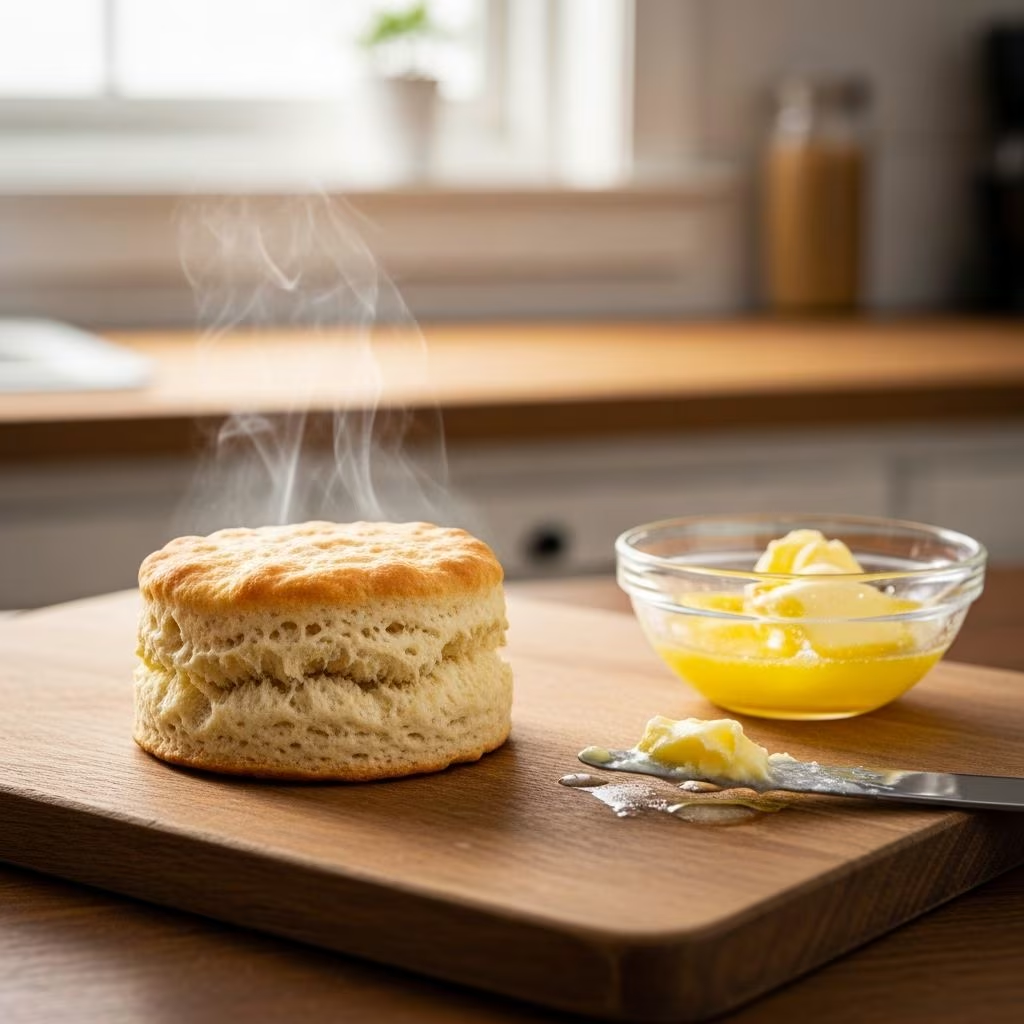
Biscuits are a beloved staple in many kitchens, yet they present a unique challenge once they have cooled. Unlike many baked goods, biscuits require careful reheating to maintain their defining characteristics—the delicate flaky layers, warm interior, and satisfying crumb structure that make them so appealing. When reheating is done improperly, biscuits can become dry, tough, or unevenly heated. Understanding the proper techniques for warming biscuits ensures they taste nearly as fresh as when first baked, allowing you to enjoy leftovers without compromise.
Understanding the Challenge of Reheating Baked Goods
The primary concern when reheating biscuits relates to moisture retention and even heat distribution. Biscuits contain fat (typically butter) that gives them their characteristic flaky texture. During the initial baking process, this fat creates steam pockets within the dough, which are responsible for the light, layered crumb. When biscuits cool, these steam pockets collapse, and the exterior begins to firm up. Reheating must gently warm the interior while avoiding excessive heat that would evaporate remaining moisture or create a hardened surface.
The challenge intensifies when dealing with biscuits stored in the refrigerator or freezer. Cold storage slows starch retrogradation—the process where starch molecules realign, causing staleness—but it also cools the biscuit throughout. Reheating must therefore accomplish two goals simultaneously: restoring warmth and reviving the texture that cooling has compromised.
The Oven Method: Traditional Excellence
The oven remains the gold standard for reheating biscuits across most scenarios. This method provides gentle, even heat distribution and helps restore the biscuits’ original texture more effectively than quick-cooking alternatives.
Oven Reheating for Refrigerated Biscuits
Biscuits stored in the refrigerator represent the most straightforward reheating scenario. Begin by removing the biscuits from their container approximately 30 to 40 minutes before reheating, allowing them to reach closer to room temperature. This preliminary step reduces the reheating time required and promotes more uniform warming. Preheat your oven to 280°F. Wrap the biscuits loosely in aluminum foil—this traps steam around the biscuits while preventing the exterior from over-browning. Place the foil-wrapped biscuits directly on the oven rack and bake for 10 to 15 minutes. Oven temperatures and heating patterns vary, so monitoring the biscuits during the final few minutes prevents over-heating.
Oven Reheating for Frozen Biscuits
Frozen biscuits require more time and slightly higher temperatures to properly thaw and warm simultaneously. Remove frozen biscuits from their packaging and wrap them in aluminum foil. Set your oven to 400°F for savory varieties (buttermilk, cheese and herbs, or meat-filled biscuits) or 350°F for sweet versions (cinnamon or berry-flavored biscuits). Bake for approximately 20 to 25 minutes, then carefully unwrap the foil to expose the biscuit tops. Return to the oven for an additional 5 minutes until the tops achieve a light golden-brown color. This two-stage process prevents interior drying while allowing the surface to develop a pleasant appearance and slight crispness.
Special Considerations for Gluten-Free and Specialty Biscuits
Gluten-free biscuits require extended reheating time due to their different crumb structure and moisture content. Preheat the oven to 400°F, wrap the biscuits in foil, and bake for 30 to 35 minutes before unwrapping. Allow an additional 5 minutes for the tops to warm and develop color. Similarly, sausage biscuits and other meat-inclusive varieties benefit from 25 to 30 minutes of wrapped heating followed by 5 minutes unwrapped. The extended time ensures the meat filling reaches adequate temperature throughout while the biscuit exterior remains tender.
Air Fryer Technology: Speed Without Sacrifice
Modern air fryer appliances have emerged as an excellent alternative for reheating biscuits, offering faster results than traditional ovens while maintaining quality. The circulating heat in an air fryer promotes even warming without the drying effects sometimes associated with conventional microwaves.
To reheat biscuits in an air fryer, set the temperature to 280°F and place the biscuits in the basket in a single layer. Bake for approximately 8 minutes, checking progress after 6 minutes. The shorter time frame makes this method particularly convenient for individuals reheating just one or two biscuits. Air fryers excel at restoring crispness to the exterior while keeping interiors moist, though individual air fryer models vary in performance and temperature distribution.
Microwave Method: Quick Results with Caveats
While convenient, microwave reheating presents challenges for maintaining biscuit texture. Microwaves work by exciting water molecules, which can result in uneven heating and potentially rubbery or overly soft biscuits. However, for single biscuits or when time is extremely limited, microwaves can work in controlled circumstances.
For one biscuit, microwave on full power for 5 to 10 seconds. Add 5 additional seconds for each additional biscuit. The goal is to warm the biscuit to a comfortable eating temperature without exceeding 10 to 15 seconds total, as longer times risk creating an undesirable texture. A biscuit warmed to an internal temperature of approximately 110 to 130 degrees Fahrenheit will feel adequately warm. Many cooking experts recommend avoiding microwave reheating when other options are available, as the results typically cannot match oven or air fryer methods.
Storage Duration and Proper Preparation
Proper storage significantly impacts how well biscuits reheat. Biscuits stored at room temperature in a sealed container remain usable for one to two days, though they begin deteriorating in texture quality after the first day. Refrigerated biscuits maintain better quality for up to 30 days when kept in sealed containers or freezer bags. Frozen biscuits can be stored for up to 6 months without substantial quality loss.
Before reheating frozen biscuits, allow them to thaw at room temperature for at least 2 hours. This reduces required oven time and promotes more even internal warming. If time does not permit full thawing, add 5 to 10 minutes to the recommended baking time when reheating from frozen.
Comparing Reheating Methods
| Method | Temperature | Time | Best For | Key Advantage |
|---|---|---|---|---|
| Oven (Refrigerated) | 280°F | 10-15 min | Bulk reheating | Even heat distribution |
| Oven (Frozen) | 400°F (savory) / 350°F (sweet) | 25-30 min | Large quantities | Thorough reheating throughout |
| Air Fryer | 280°F | 8 min | Quick individual reheating | Speed and texture preservation |
| Microwave | Full power | 5-15 sec | Emergency situations only | Fastest option |
Enhancing Flavor During Reheating
Strategic additions during reheating can elevate biscuit quality beyond simple warmth restoration. Brushing biscuit surfaces with melted butter before the final uncovered warming stage introduces richness and enhances browning. Alternatively, herbal butter infused with chives, garlic, or rosemary can add complementary flavors. These applications should occur during the final 5 minutes of reheating to prevent burning.
For sweet biscuits, light honey brushing or cinnamon sugar dusting applied during the final uncovered minutes creates appealing texture contrast and flavor enhancement. These additions require careful timing to prevent excessive browning while ensuring they soften slightly from the residual heat.
Troubleshooting Common Reheating Problems
Dry or Hard Biscuits
Excessive heat or prolonged cooking causes biscuits to lose moisture and become unappealing. This occurs most often when temperatures exceed recommendations or when foil is removed too early. Solution: Reduce oven temperature by 25 degrees and decrease cooking time by 5 minutes for your next attempt.
Unevenly Heated Biscuits
Rotating pans halfway through reheating helps ensure even warming, particularly in ovens with hot and cool spots. If using an oven method, rotate the baking sheet at the midway point of the initially recommended time.
Gummy or Overly Soft Texture
This typically results from microwaving or excessive steam during oven reheating. Allow biscuits to rest unwrapped for a few minutes after removing from heat, permitting steam to escape and the structure to set.
Best Practices for Optimal Results
- Always bring refrigerated biscuits to near room temperature before reheating
- Use aluminum foil wrapping to trap moisture during the primary heating phase
- Unwrap biscuits during the final few minutes to allow browning and surface crisping
- Monitor oven temperatures carefully, as home ovens often vary by 25 degrees or more
- Avoid microwave reheating unless absolutely necessary
- Store leftover biscuits in airtight containers to prevent moisture loss
- Consider using an oven thermometer to verify accurate temperature settings
Frequently Asked Questions
Can you reheat biscuits that have been refrigerated overnight?
Yes, refrigerated biscuits reheat successfully for up to 30 days of storage. Remove them from refrigeration 30 to 40 minutes before reheating, then follow standard oven reheating instructions at 280°F for 10 to 15 minutes.
What is the maximum storage time for frozen biscuits?
Properly stored frozen biscuits maintain acceptable quality for up to 6 months. Beyond this timeframe, freezer burn and texture deterioration become increasingly likely.
Should biscuits be covered while reheating in the oven?
Yes, biscuits should be wrapped in aluminum foil for the initial heating phase to trap steam and prevent moisture loss. Remove the foil during the final 5 minutes to allow surface browning.
Is it possible to reheat biscuits multiple times?
While technically possible, each reheating cycle degrades texture and moisture content. It is best to reheat biscuits only once and consume them shortly after.
Do convection ovens require temperature adjustments?
Yes, convection ovens typically require reducing the temperature by 25 degrees Fahrenheit due to their more efficient heat circulation.
Conclusion: Preserving Biscuit Quality Through Proper Technique
Reheating biscuits successfully requires understanding how heat, moisture, and time interact with the biscuit structure. The oven method provides the most reliable results across various scenarios, while air fryers offer a faster alternative without sacrificing quality. By following temperature guidelines, utilizing foil wrapping strategically, and monitoring reheating progress, you can restore stored biscuits to a condition remarkably close to their fresh-baked excellence. With these techniques mastered, enjoying leftover biscuits becomes not a compromise but a genuine pleasure.
References
- How to Reheat Callie’s Hot Little Biscuits — Callie’s Biscuits. Accessed 2026. https://calliesbiscuits.com/blogs/hotlittlesuppers/our-biscuit-size
- Reheating Guide – District Biscuit Company — District Biscuit Company. Accessed 2026. https://www.districtbiscuitco.com/pages/baking
- Warming Fully Baked Biscuits — General Mills Foodservice. Accessed 2026. https://www.youtube.com/watch?v=PoXNUDQ1l0A
- What is the best way to reheat biscuits? — Cappello’s Support Center. Accessed 2026. https://support.cappellos.com/hc/en-us/articles/38715295395860-What-is-the-best-way-to-reheat-biscuits