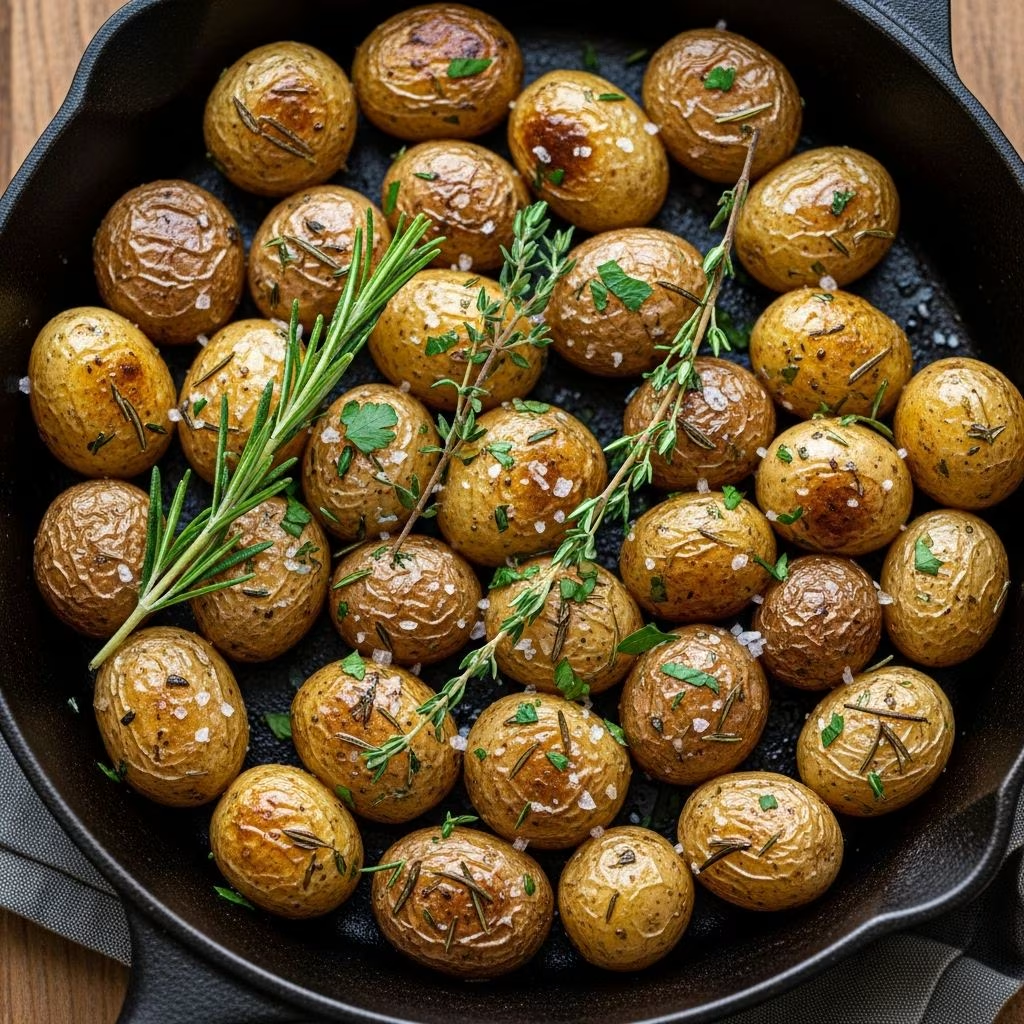
Roasted potatoes represent one of the most versatile and satisfying side dishes in the culinary world. When combined with aromatic fresh herbs like dill, these humble vegetables transform into a sophisticated accompaniment that elevates any meal. Whether you’re preparing dinner for your family or hosting guests, mastering the technique of herb-roasted potatoes ensures you can consistently deliver restaurant-quality results in your home kitchen.
Why Dill Transforms Ordinary Potatoes Into Something Special
The partnership between dill and potatoes creates a flavor combination that appeals to both traditional and adventurous palates. Dill brings a distinctive, slightly sweet herbaceous quality that complements the earthy, starchy nature of potatoes without overwhelming the dish. This herb has been used in European and Mediterranean cuisine for centuries, particularly in Bulgarian and Eastern European cooking traditions where potatoes feature prominently in everyday meals.
The beauty of using dill lies in its versatility—it works beautifully with both dried and fresh varieties, though fresh dill imparts a brighter, more delicate flavor. When roasted, the herb’s essential oils intensify, creating an aromatic experience that extends beyond taste alone. Combined with garlic, olive oil, and butter, dill creates a complex flavor profile that makes these potatoes memorable rather than mundane.
Essential Ingredients and Their Specific Roles
Creating exceptional roasted potatoes requires understanding what each ingredient contributes to the final result:
- Potatoes: The foundation of this dish deserves thoughtful selection. Baby yellow potatoes, Yukon golds, and creamer varieties work exceptionally well because their waxy texture creates crispy exteriors while maintaining creamy interiors. Russet potatoes can substitute if preferred, though they tend toward fluffier texture. Choose similarly-sized potatoes so they cook evenly; halving or quartering larger specimens ensures uniform cooking.
- Quality Olive Oil: This provides the primary cooking medium that facilitates browning through the Maillard reaction. Extra virgin olive oil adds flavor complexity, though regular olive oil prevents burning at higher temperatures. A minimum of one tablespoon per pound of potatoes ensures proper coating and crisping.
- Butter or Ghee: These dairy fats add richness and help achieve that coveted golden-brown exterior. Butter contributes distinctive flavor notes, while ghee offers a dairy-free alternative that doesn’t burn at high temperatures and provides subtle nutty undertones.
- Fresh and Dried Dill: Dried dill incorporates into the initial oil mixture, infusing flavor throughout the cooking process. Fresh dill, added post-roasting, provides bright, delicate notes that make the dish feel restaurant-quality. Using both creates layered herbaceous complexity.
- Garlic: Whether minced fresh or powdered, garlic adds savory depth. Fresh minced garlic develops nutty, mellow qualities during roasting, while garlic powder distributes more evenly throughout the dish.
- Lemon: Optional but highly recommended, lemon juice and zest brighten the overall flavor profile, cutting through richness and adding subtle citrus notes that make the dish feel lighter and more refined.
Temperature and Timing Fundamentals
Success in roasting potatoes depends significantly on proper temperature management. Different recipes suggest varying temperatures, each producing slightly different results:
| Oven Temperature | Cooking Time | Best Results | Potato Size |
|---|---|---|---|
| 375°F (190°C) | 40-45 minutes | Gentle cooking, creamy interior | 1-inch cubes |
| 400°F (204°C) | 30-40 minutes | Balanced crisping and tenderness | Halved or quartered |
| 425°F (218°C) | 25-30 minutes | Maximum exterior crispness | Halved or small pieces |
| 450°F (232°C) | 15-20 minutes | Intense browning, high-heat crisping | Halved lengthwise |
Higher temperatures create crispier exteriors but risk overcooking smaller pieces or burning the herbs. Lower temperatures allow more even cooking but require extended time. Most home cooks find 400-425°F optimal for achieving that perfect balance between crispy exterior and tender center.
Step-by-Step Preparation Process
Proper technique begins long before potatoes enter the oven:
- Select and Size: Choose potatoes of uniform size, or cut larger ones to match smaller specimens. Aim for 1-inch pieces or halves depending on your variety and preference. Consistent sizing ensures even cooking throughout the batch.
- Prepare the Oil Base: Combine olive oil, melted butter or ghee, minced garlic, and dried dill in a large mixing bowl. Whisk vigorously to create an emulsified mixture that coats potatoes evenly. Some cooks prefer mashing the ingredients with a fork to create a thicker paste-like consistency.
- Coat Thoroughly: Add prepared potatoes to the oil mixture and toss using your hands or wooden spoon until every piece receives complete coating. This step prevents uneven browning and ensures flavor distributes throughout.
- Season Appropriately: Add sea salt and freshly ground black pepper to taste. Remember that salt intensifies during cooking, so use a lighter hand than you might for other dishes. Season again after roasting if needed.
- Arrange on Baking Sheet: Line a rimmed baking sheet with parchment paper or silicone mat to prevent sticking and facilitate cleanup. Arrange potatoes in a single layer, spacing them apart rather than crowding. Crowded pans create steam rather than crisping.
- Roast with Attention: Place in preheated oven and roast for the initial period, then stir or flip potatoes approximately halfway through cooking. This encourages even browning on all surfaces. Some potatoes brown faster than others, so stirring ensures consistent results.
- Final Flourish: When potatoes emerge golden and fork-tender, immediately toss with fresh chopped dill and squeeze of lemon juice. The residual heat slightly wilts fresh herbs while developing their flavor.
Ingredient Variations and Creative Substitutions
While the classic dill preparation provides outstanding results, numerous variations accommodate different preferences and dietary needs:
- Replace butter with additional olive oil or avocado oil for dairy-free versions
- Substitute dried dill with fresh thyme, rosemary, or oregano for different flavor profiles
- Add nutritional yeast for cheesy flavor without dairy
- Include smoked paprika for subtle smokiness
- Mix in finely minced onion for additional depth
- Incorporate red pepper flakes for gentle heat
- Use lemon zest instead of juice to avoid excess moisture
- Add Dijon mustard to the oil mixture for tangy complexity
Common Challenges and Solutions
Even experienced cooks encounter occasional difficulties when roasting potatoes. Understanding these common issues helps troubleshoot problems:
Why Are My Potatoes Soggy Rather Than Crispy?
Soggy potatoes typically result from overcrowding the baking sheet, creating steam rather than allowing dry heat to create crispy exteriors. Additionally, insufficient oil coating prevents proper browning. Ensure adequate spacing and proper oil coverage, and verify your oven temperature using an independent thermometer, as inaccurate ovens may cook at lower temperatures than displayed.
How Can I Prevent Burned Herbs?
Dried herbs added to the oil mixture at the beginning can burn at higher temperatures. Reserve some dried herbs to add midway through cooking, or use fresh herbs exclusively as a final garnish. This timing prevents herb burning while maintaining maximum flavor.
What If My Potatoes Cook Unevenly?
Uneven cooking stems from potatoes of different sizes. Standardize sizing by cutting larger potatoes into pieces matching naturally smaller specimens. Additionally, ensure your oven heats evenly by rotating the baking sheet halfway through cooking.
Can I Prepare These Potatoes in Advance?
You can prepare the oil mixture and cut potatoes several hours ahead, storing them separately in the refrigerator. However, don’t combine them until immediately before roasting, as prolonged contact with acidic lemon or raw garlic can discolor potatoes. Fresh dill should always be added immediately after roasting rather than before, as extended cooking diminishes its bright flavor.
How Do I Adjust Recipes for Different Quantities?
Maintain consistent ratios regardless of quantity: approximately one tablespoon each of oil and butter per pound of potatoes, one clove of minced garlic per pound, and one tablespoon of fresh dill per pound. Cooking time may vary based on oven characteristics and potato size, but the foundational proportions remain constant.
Serving Suggestions and Complementary Pairings
Herb-roasted potatoes complement an impressive range of main dishes. Grilled fish and poultry benefit especially from these potatoes’ herbal brightness. Mediterranean-inspired dishes like roasted chicken with lemon or herb-crusted salmon find perfect partners in dill-roasted potatoes. Traditional meat dishes including roasted beef, lamb, or pork also pair beautifully, as do lighter vegetarian preparations.
These potatoes work equally well served warm or at room temperature, making them suitable for casual family dinners, elegant entertaining, or picnic settings. They maintain their appealing texture for several hours after cooking, though they’re best enjoyed within the first two hours while the exterior remains crispy.
Storage and Reheating Guidelines
Leftover roasted potatoes store in airtight containers for up to three days in the refrigerator. Reheat in a 375°F oven for approximately ten minutes until warmed through and re-crisped, or quickly pan-sear them in a hot skillet with minimal oil. Microwave reheating produces disappointing soggy results, so oven methods preserve quality better.
Nutritional Perspective
Potatoes provide significant nutritional value, offering vitamin C, potassium, manganese, and resistant starch when cooled. Dill adds antimicrobial properties and contains small amounts of essential vitamins and minerals. The olive oil contributes heart-healthy monounsaturated fats and polyphenols. This combination creates a side dish that satisfies both taste and nutritional considerations.
Final Thoughts on Mastering This Essential Technique
Roasting potatoes with dill exemplifies how simple ingredients transform through proper technique into memorable dishes. By understanding ingredient roles, managing temperature precisely, and paying attention during cooking, you develop confidence to execute this recipe reliably. Start with the classic preparation, then experiment with variations once you’ve mastered the fundamentals. This approach builds culinary skills while developing your personal cooking style.
References
- USDA FoodData Central: Potatoes, raw, Yukon Gold variety — U.S. Department of Agriculture. 2024. https://fdc.nal.usda.gov/
- Nutrition and Health Benefits of Herb Seasonings — National Institutes of Health, PubMed Central. 2023. https://www.ncbi.nlm.nih.gov/pmc/
- The Maillard Reaction in Food Science — Institute of Food Technologists. 2022. https://www.ift.org/