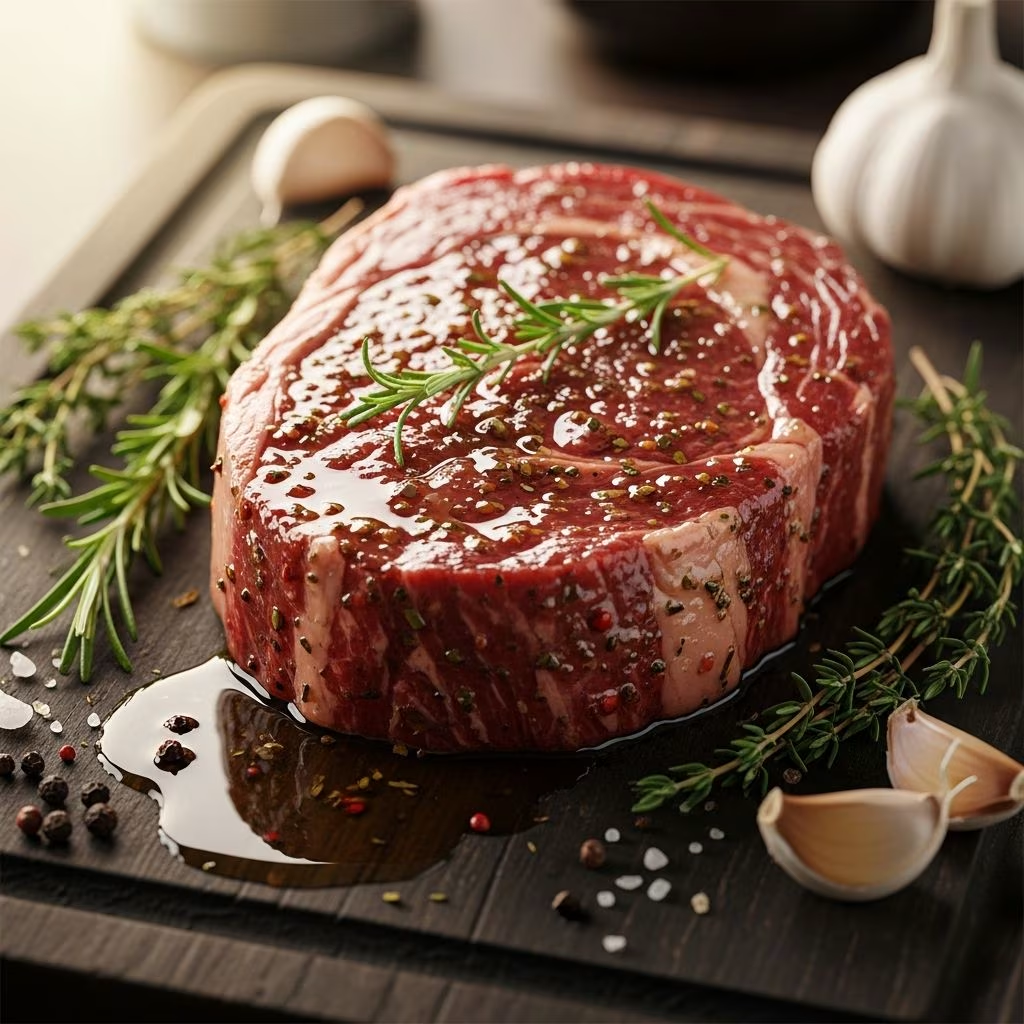
Ribeye steaks are renowned for their inherent tenderness and rich marbling, which make them a premium choice among beef enthusiasts. However, elevating these already exceptional cuts through proper marinating techniques can transform them into extraordinary culinary experiences. A well-executed marinade not only enhances the natural beef flavors but also adds complexity and depth that makes each bite memorable. This comprehensive guide explores the science, methods, and best practices for marinating ribeye steaks to achieve optimal results.
Understanding the Science Behind Marinating
Marinating is a culinary technique that has been used for centuries to infuse meat with additional flavors and potentially improve texture. The process works through several mechanisms. Acidic components in marinades, such as vinegar, citrus juice, and wine, can break down muscle fibers over time, potentially tenderizing the meat. However, this effect requires careful monitoring, as excessive acid exposure can lead to mushy, undesirable textures. The enzymes present in certain marinade ingredients also contribute to breaking down proteins, though this process is more significant for tougher cuts than for naturally tender ribeyes.
Ribeye steaks are already naturally tender due to their location on the animal and their abundant intramuscular fat. This means that marinating ribeye is primarily about flavor enhancement rather than tenderization. The salt in marinades can penetrate the meat surface through osmosis, helping retain moisture during cooking. Aromatics like garlic, herbs, and spices infuse throughout the meat, while oil-based components help distribute fat-soluble flavor compounds evenly across the steak.
Optimal Marinating Duration for Ribeye Cuts
Determining the correct marinating time is crucial for achieving the desired balance between flavor development and texture preservation. Unlike tougher cuts that might benefit from extended marinating periods, ribeye steaks require more conservative timing to maintain their signature tender quality.
- Minimum marinating time: At least two hours allows sufficient time for surface flavors to penetrate the meat
- Optimal range: Between two to twelve hours provides excellent flavor development while minimizing the risk of texture degradation
- Extended marinating: Beyond twelve hours, particularly with acidic marinades, can begin to compromise the meat’s texture
- Quick marinating options: Some Asian-inspired marinades can produce adequate flavor in as little as thirty minutes
The specific marinating time within this range depends on several factors, including the acidity level of your chosen marinade, the thickness of your steaks, and your personal flavor preferences. Thicker cuts can handle longer marinating periods than thinner ones, as they require more time for flavors to penetrate to the center.
Essential Marinade Ingredient Categories
Creating a balanced, flavorful marinade involves combining ingredients from several key categories. Understanding each category’s role helps you develop marinades that complement ribeye’s rich beef character.
Acidic Components
Acids serve multiple functions in marinades. They help flavor penetration, can provide subtle tenderizing effects, and add brightness to the overall flavor profile. Common acidic ingredients include:
- Balsamic vinegar, which adds sweetness and depth
- White or rice vinegar, which provides sharp acidity
- Citrus juices (lemon and orange), which offer fresh, bright notes
- Wine or Worcestershire sauce, which contribute complex umami flavors
When using citrus marinades, reduce the marinating time to one to one and a half hours, as the acidity can begin cooking the exterior of the meat, potentially resulting in an undesirable mushy texture.
Oil and Fat Components
Oils serve as the carrier for fat-soluble flavor compounds and help maintain moisture during cooking. Quality options include:
- Extra virgin olive oil, providing fruity, herbaceous notes
- Sesame oil, contributing nutty, Asian-inspired flavors
- Neutral oils like vegetable or canola oil, which allow other flavors to shine
Umami and Savory Elements
These ingredients build depth and complement beef’s natural savory character:
- Soy sauce or tamari, providing deep umami and salt
- Worcestershire sauce, adding fermented complexity
- Mustard (particularly Dijon), contributing sharp, pungent notes
- Liquid smoke, providing subtle smokiness without actual smoking
Aromatic and Spice Elements
These components create the flavor foundation and distinguish one marinade from another:
- Garlic, from minced fresh cloves to garlic powder
- Fresh herbs like rosemary and thyme, adding earthy, Mediterranean characteristics
- Dried spices including ginger, pepper, paprika, and onion powder
- Heat elements like sriracha or hot sauce, introducing spicy complexity
Sweetness Balancers
A small amount of sweetness rounds out marinades and helps develop caramelization during cooking:
- Brown sugar, honey, or maple syrup
- These ingredients also help create an attractive crust when grilling
Popular Marinade Flavor Profiles
Different combinations of ingredients create distinct flavor experiences. Here are established approaches that consistently yield excellent results:
| Flavor Profile | Key Ingredients | Best Marinating Time | Ideal Cooking Method |
|---|---|---|---|
| Classic Asian | Soy sauce, balsamic vinegar, garlic, honey, ginger | Overnight | Grilling or pan searing |
| Mediterranean Citrus | Olive oil, lemon juice, orange juice, rosemary, garlic | 1-1.5 hours | Grilling |
| Sesame Asian Fusion | Sesame oil, tamari, balsamic, sriracha, brown sugar | 30 minutes to 12 hours | Cast iron searing |
| Bold Umami | Olive oil, soy sauce, Worcestershire, balsamic, mustard, herbs | 2 hours minimum, overnight preferred | Grilling |
| Citrus and Herb | Lemon juice, olive oil, Italian seasoning, garlic, pepper | 2 hours to overnight | Grilling or broiling |
Preparation Methods and Storage
How you prepare and store your marinated steaks affects both flavor development and food safety. Begin by patting your ribeye steaks dry with paper towels, removing surface moisture that could inhibit proper marination. Some recipes suggest piercing the steak throughout with a fork to create channels for marinade penetration.
For combining marinade ingredients, several approaches work effectively. An immersion blender fully incorporates all components, creating an emulsified mixture that clings evenly to the meat. Alternatively, whisking ingredients together in a bowl achieves good results without specialized equipment.
When combining steaks with marinade, use glass dishes, plastic containers, or heavy-duty plastic bags. Glass provides excellent material for observing the marinating process and doesn’t interact with acidic ingredients. Plastic bags offer convenience and space efficiency, allowing you to lay steaks flat for even marinade distribution. Whatever container you choose, always marinate in the refrigerator to maintain food safety.
If marinating for extended periods, turning or rotating the steaks halfway through ensures even flavor distribution. This is particularly important when using gallon-sized bags with only half the container filled with marinade.
Pre-Cooking Preparation
Proper preparation before cooking is essential for achieving restaurant-quality results. Remove your marinated steaks from the refrigerator and pat them thoroughly dry with paper towels. This step is critical because excess surface moisture inhibits proper browning and crust development when cooking.
Allow the steaks to rest at room temperature for twenty to thirty minutes before cooking. This equilibration process ensures even cooking from surface to center. Cover the steaks loosely with foil or plastic wrap during this resting period to prevent surface drying.
Some recipes suggest reserving a portion of the marinade for basting during cooking or creating a finishing sauce. When doing this, set aside this portion before adding raw steaks to the main marinade batch. This prevents cross-contamination and food safety issues.
Cooking Methods for Marinated Ribeye Steaks
Different cooking techniques can be employed depending on your equipment and preferences. Grilling over direct high heat typically requires ten to twelve minutes for medium-rare doneness, turning steaks once during cooking. Cast iron pan searing involves flipping the steak every thirty seconds to develop an even, deep crust, cooking until the internal temperature reaches five to ten degrees below your target doneness before finishing with additional marinade.
Regardless of cooking method, use a meat thermometer to ensure proper doneness: 125-127°F for medium-rare, 130-135°F for medium. Allow cooked steaks to rest for five minutes before serving to redistribute juices throughout the meat.
Common Mistakes to Avoid
Understanding common pitfalls helps ensure successful marinading experiences. Over-marinating, particularly with acidic preparations, can compromise texture, resulting in mushy or undesirable consistency. Marinating at room temperature rather than refrigerating risks bacterial growth and food safety issues. Failing to pat steaks dry before cooking prevents proper crust development. Using insufficient marinade relative to steak quantity may result in uneven flavor distribution. Finally, marinating in reactive containers like aluminum or cast iron can affect flavor and cause discoloration.
Frequently Asked Questions
Can you over-marinate ribeye steaks?
Yes, marinating for longer than twenty-four to forty-eight hours, particularly with acidic marinades, can break down muscle fibers excessively, resulting in mushy texture. Ribeye steaks need less time than tougher cuts since they’re already naturally tender.
Is it necessary to marinate ribeye steaks?
Marinating is optional since ribeye is naturally flavorful and tender. However, marinating adds complexity and enhanced flavor dimensions that complement the steak’s existing qualities.
Can you freeze marinated steaks?
Yes, marinated steaks can be frozen for extended storage. Place them in a freezer bag with marinade and freeze for up to three months. Thaw in the refrigerator before cooking.
What’s the best container for marinating steaks?
Glass dishes and plastic bags both work well. Avoid aluminum or cast iron, which can react with acidic ingredients.
Should you save marinade after cooking?
Discard marinade that has contacted raw meat due to food safety concerns. Only use reserved portions that were set aside before adding raw steaks.
Conclusion
Marinating ribeye steaks represents an accessible yet sophisticated approach to enhancing an already premium cut. By understanding the science behind marinating, selecting complementary ingredient combinations, respecting optimal timing parameters, and following proper preparation techniques, you can consistently achieve exceptional results. Whether you prefer bold Asian flavors, Mediterranean brightness, or classic umami profiles, the techniques outlined in this guide provide a framework for creating memorable beef dishes that impress family and guests alike.
References
- Ribeye Steak Marinade — Amanda’s Cookin’. 2024. https://amandascookin.com/ribeye-steak-marinade/
- Marinated Ribeye Steaks — Chew Out Loud. 2024. https://www.chewoutloud.com/garlic-marinated-ribeye-steaks/
- Sesame-Marinated Cast Iron Ribeye — Well Seasoned Studio. 2024. https://www.wellseasonedstudio.com/cast-iron-sesame-ribeye/
- Marinated Ribeye Steaks — Robert St. John. 2024. https://robertstjohn.com/recipe/marinated-ribeye-steaks/
- Citrus Marinated Ribeye Steaks Recipe — Lana’s Cooking. 2024. https://www.lanascooking.com/citrus-marinated-ribeye/
- Steak Marinade of Your Dreams — Julia’s Album. 2024. https://juliasalbum.com/steak-marinade/
- World’s Best Steak Marinade — The Recipe Critic. 2024. https://therecipecritic.com/worlds-best-steak-marinade/