White sauce, also known as béchamel in classical French cuisine, stands as one of the foundational sauces in cooking. This versatile creation transforms simple ingredients into a silky, elegant accompaniment that elevates both everyday meals and special occasion dishes. Whether you’re preparing creamy pasta, layered lasagne, scalloped vegetables, or a comforting casserole, understanding how to create a perfectly balanced white sauce is an invaluable culinary skill that opens doors to countless delicious possibilities.
Understanding the Foundation: What Makes White Sauce Essential
The beauty of white sauce lies in its elegant simplicity and remarkable versatility. At its core, this sauce requires only a handful of pantry staples that most home cooks already have on hand. The fundamental appeal of white sauce extends beyond mere convenience—it serves as a blank canvas upon which you can paint flavors, textures, and culinary creativity. From traditional applications in classic European cuisine to modern interpretations in contemporary cooking, white sauce demonstrates how mastering basic techniques can unlock infinite gastronomic possibilities.
This sauce earned its place in culinary traditions worldwide because it performs multiple functions simultaneously. It acts as a binding agent in layered dishes, creates luxurious coating for vegetables, adds richness to lean proteins, and serves as the foundation for countless regional specialties. Understanding the science behind white sauce preparation ensures consistent results and builds confidence in the kitchen.
Essential Ingredients and Their Roles
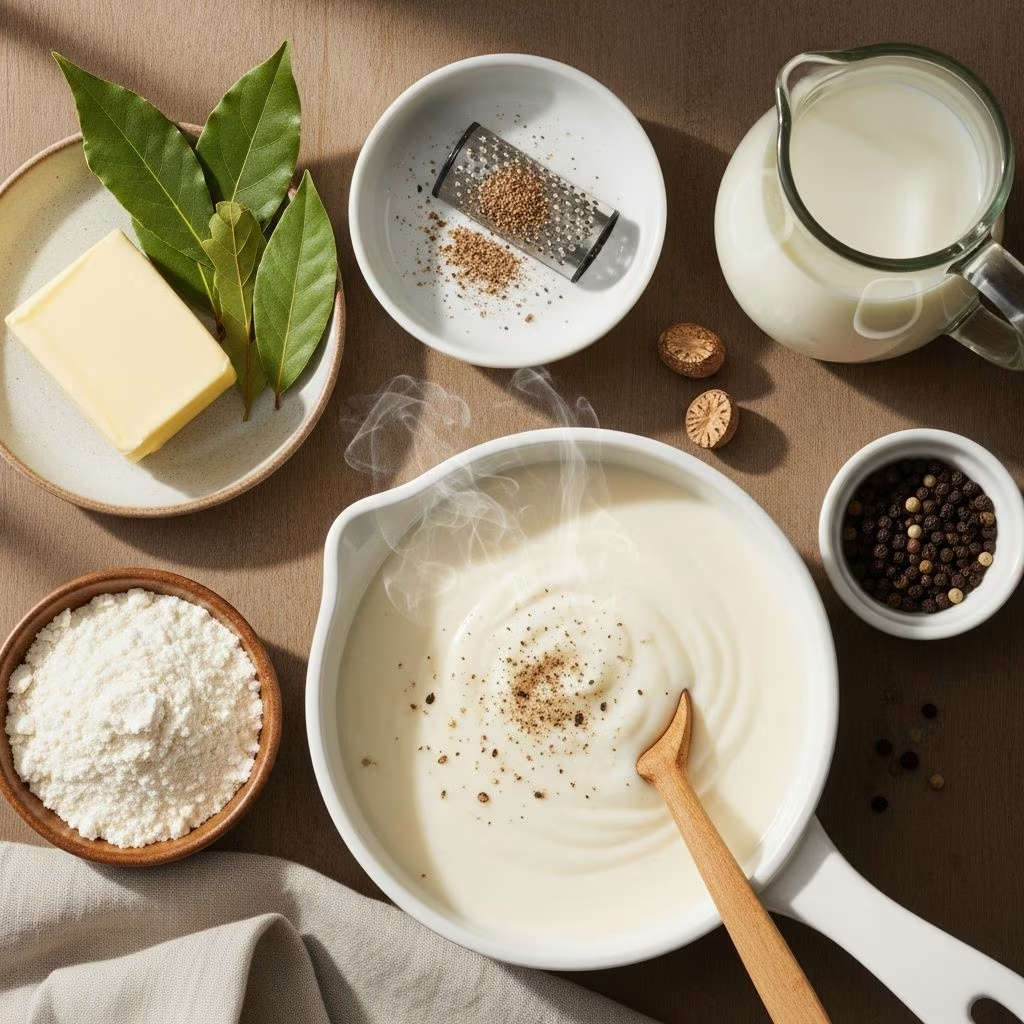
Creating white sauce begins with selecting quality ingredients that work in harmony. Each component plays a specific role in achieving the desired texture and flavor profile.
- Butter: This ingredient provides both flavor and structural support to the sauce. The fat in butter coats flour particles, preventing them from clumping together and creating lumps in the finished sauce. Salted butter adds subtle flavor depth, though unsalted varieties work equally well if you prefer to control sodium levels precisely.
- All-Purpose Flour: Flour serves as the thickening agent through a process involving starch gelatinization. When flour starch absorbs liquid and undergoes heat treatment, it swells and thickens the sauce to the desired consistency. The choice of flour type influences final results—all-purpose flour remains the standard, though gluten-free alternatives work when adjusted for proper ratios.
- Milk or Cream: The liquid component dramatically influences sauce richness and mouthfeel. Options range from skim milk for lighter versions to heavy cream for luxurious applications. Two-percent milk offers a balanced middle ground, providing creaminess without excessive fat content.
- Seasonings: Salt and white pepper form the traditional seasoning foundation, though creative cooks expand possibilities with nutmeg, cayenne, celery salt, or fresh herbs depending on intended applications.
Understanding Sauce Consistency Levels
White sauce exists in multiple thickness variations, each serving specific culinary purposes. Recognizing these distinctions helps you select appropriate ratios for your intended dish.
| Sauce Type | Butter/Flour Ratio | Milk Quantity | Best Uses |
|---|---|---|---|
| Thin White Sauce | 1 tablespoon each | 1 cup | Soups, light coatings, delicate vegetables |
| Medium White Sauce | 2 tablespoons each | 1 cup | Standard applications, most recipes, creamy pasta |
| Thick White Sauce | 3 tablespoons each | 1 cup | Binding ingredient, substantial coatings, casseroles |
| Heavy White Sauce | 4 tablespoons each | 1 cup | Soufflés, molded dishes, structural base |
The Step-by-Step Preparation Method
Creating perfect white sauce involves a deliberate sequence of steps that build upon each other. Following this methodology ensures smooth, lump-free results every time.
Step One: Melting the Base begins with placing butter in a saucepan over medium heat. Allow it to melt completely, creating a pool of foaming liquid ready for the next ingredient. This preparation phase typically takes one to two minutes and sets the stage for successful sauce development.
Step Two: Creating the Roux introduces flour to the melted butter. Using a whisk rather than a spoon prevents lumps from forming and ensures even flour distribution throughout the fat. Whisk the flour into the butter until the dry ingredients become fully moistened and the mixture achieves a smooth, paste-like consistency. This roux cooking phase should last only one to two minutes—overcooking causes browning and alters the sauce’s color and flavor profile.
Step Three: Gradual Milk Introduction represents the critical stage where most home cooks encounter difficulties. Rather than pouring all milk at once, introduce it gradually while whisking constantly. Begin with a small quantity, perhaps one-quarter cup, whisking until fully incorporated before adding more. This methodical approach prevents lumps from forming as starch cells hydrate evenly. Continue adding milk in increments, maintaining constant whisking motion until all liquid combines smoothly with the roux.
Step Four: Cooking to Completion involves reducing heat to medium-low and allowing the sauce to simmer gently for approximately five minutes. During this time, the starch continues absorbing liquid, and the sauce gradually thickens to final consistency. The heat also eliminates any raw flour taste that might otherwise persist. Constant gentle stirring prevents scorching on the pan bottom.
Step Five: Final Seasoning Adjustment happens after the sauce reaches desired thickness. Add salt, pepper, and any additional seasonings to taste. This final step allows you to customize flavor intensity based on personal preference and intended applications.
Troubleshooting Common White Sauce Problems
Even experienced cooks occasionally encounter challenges when preparing white sauce. Understanding how to identify and correct problems transforms potential failures into learning opportunities.
Lumpy sauces result from insufficient whisking or too-rapid milk incorporation. If lumps appear, strain the sauce through a fine-mesh sieve, pressing gently with a spoon to break down particles. For future attempts, remember to whisk vigorously and add milk gradually.
Thin, watery consistency indicates inadequate cooking time or insufficient flour ratios. Continue simmering to allow starch to swell further, or create a slurry by mixing cornstarch with cold milk and whisking it into the sauce to increase thickness.
Broken or separated sauces typically result from overheating cream-based versions. Remove from heat immediately and whisk in a tablespoon of cold milk to stabilize the emulsion. Prevention involves maintaining moderate heat throughout cooking.
Raw flour taste persists when insufficient cooking time occurs. Ensure the sauce simmers for the full five-minute period after milk incorporation, stirring regularly to eliminate raw starch flavors.
Flavor Variations and Creative Adaptations
The true power of white sauce emerges through creative flavor customization. These variations transform the basic recipe into distinct sauces suited for specific dishes.
- Mustard Sauce: Reduce butter and flour to one tablespoon each, then stir in three tablespoons Dijon mustard after the initial cooking phase. This tangy variation complements beef, ham, and roasted vegetables beautifully.
- Herb-Infused Versions: Add fresh parsley, thyme, basil, or dill to the finished sauce for aromatic complexity. Fresh herbs should be added near the end to preserve their delicate flavors.
- Garlic and Parmesan Creation: Sauté minced fresh garlic in the butter before adding flour, then incorporate finely grated Parmesan cheese into the finished sauce for umami depth and savory richness.
- Nutmeg-Enhanced Classic: A whisper of freshly grated nutmeg added to the completed sauce creates the traditional French béchamel, perfect for lasagne and formal applications.
- Wine-Enriched Elegance: Replace one-quarter cup of milk with dry white wine or sherry for sophistication. Add wine when incorporating milk, allowing alcohol to cook off during the simmering phase.
- Acid Brightening: A squeeze of fresh lemon juice added just before serving brightens flavors and cuts through richness, creating balance on the palate.
Practical Applications and Serving Suggestions
White sauce finds applications across numerous dishes and cuisines. Understanding these uses helps home cooks appreciate the sauce’s versatility and culinary importance.
Creamy pasta dishes come alive with white sauce coating tender noodles, binding them together while adding richness and luxurious mouthfeel. Layer pasta with white sauce and other ingredients for baked applications like lasagne and baked ziti.
Vegetable dishes transform when coated with white sauce—scalloped potatoes, creamed spinach, and cauliflower preparations all benefit from the sauce’s binding and enriching properties. The sauce allows simple vegetables to become substantial side dishes worthy of special attention.
Casseroles and baked dishes rely on white sauce as a foundational component, creating cohesion among ingredients while adding moisture and flavor. Ham and scalloped potato combinations exemplify this application perfectly.
Creamed soups utilize thin white sauce as a base, with vegetables and proteins added for nourishment and satisfaction. This classic preparation remains popular in contemporary cooking despite modern trends toward lighter preparations.
Professional Tips for Consistent Excellence
Experienced cooks employ specific techniques to ensure reliable results and professional-quality sauces consistently.
- Always use cold milk when incorporating gradually into the roux, as temperature differential helps prevent lumping.
- Maintain medium heat throughout preparation—excessive temperature causes undesirable browning and flavor changes.
- Invest in a quality whisk rather than relying on spoons or forks, as proper whisking tools provide superior control and prevent lumps.
- Allow finished sauce to rest briefly before serving, enabling starch to fully swell and thicken to final consistency.
- Store finished sauce in the refrigerator for up to three days, covered with plastic wrap pressed directly against the surface to prevent skin formation.
- Reheat stored sauce gently over low heat, whisking in additional milk if it thickens excessively during storage.
Frequently Asked Questions
Can I substitute ingredients in white sauce recipes?
Yes, white sauce offers substitution flexibility. Olive oil works for butter in some applications, cornstarch can replace flour when adjusted for quantity, and various milk types produce satisfactory results. However, each substitution slightly alters flavor and texture, so adjustments may be necessary.
How long does white sauce keep in the refrigerator?
Properly stored white sauce remains fresh for up to three days when kept in an airtight container. Cover the surface directly with plastic wrap to prevent skin formation, which occurs as the sauce cools and thickens.
Can white sauce be frozen for later use?
White sauce freezes reasonably well for up to two months, though the texture may become slightly grainy upon thawing. Freeze in ice cube trays for portion-controlled storage, then transfer frozen cubes to freezer bags. Reheat gently with additional milk stirred in to restore smooth consistency.
What causes my white sauce to taste floury?
Insufficient cooking time allows raw starch flavor to persist. Ensure the sauce simmers for a full five minutes after milk incorporation, stirring regularly. This extended cooking eliminates raw flour taste completely.
Why does my sauce separate or break?
Overheating cream-based sauces causes separation. Maintain medium heat and remove from heat if excessive bubbling occurs. Whisk in cold milk immediately to stabilize the emulsion and restore smoothness.
How do I know when white sauce reaches the correct thickness?
Perform the spoon test by dipping a spoon into the sauce and running your finger down the back. If a distinct line remains without the sauce flowing back together immediately, the consistency is correct for medium white sauce applications.
References
- Basic White Sauce Recipe — BettyCrocker.com. 2024. https://www.bettycrocker.com/recipes/basic-white-sauce-recipe/f610bfaf-e83b-4243-997b-ec16b8f5e155
- Creamy White Sauce Pasta — A Couple Cooks. 2024. https://www.acouplecooks.com/white-sauce-pasta/
- White Pasta Sauce (Creamy Garlic Parmesan) — The Burnt Butter Table. 2024. https://www.theburntbuttertable.com/white-pasta-sauce-creamy-garlic-parmesan/
- White Sauces & What to do with them — Frugal Hausfrau. 2024. https://frugalhausfrau.com/white-sauces-what-to-do-with-them/
- 26 tasty ways with bechamel and white sauce — Women’s Weekly Food. 2024. https://www.womensweeklyfood.com.au/dinner/white-bechamel-sauce-recipes-31762/