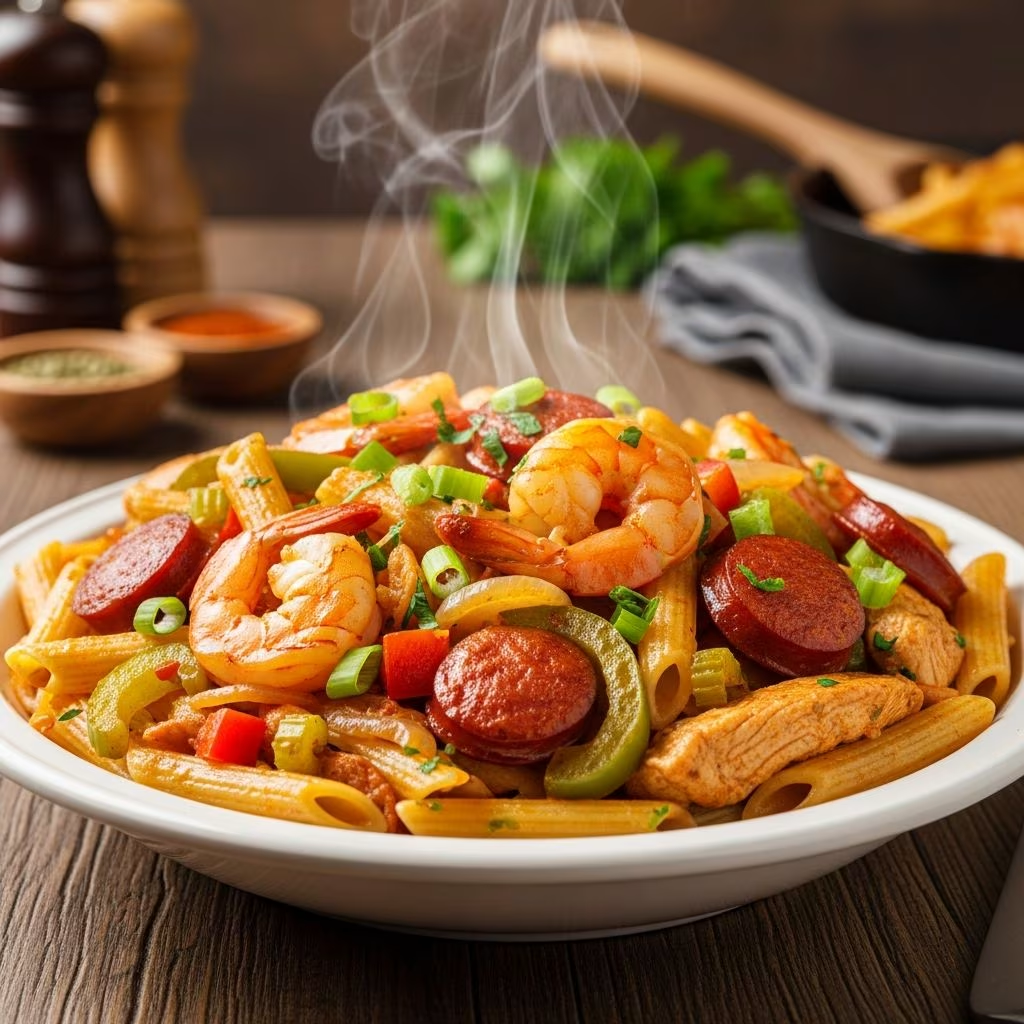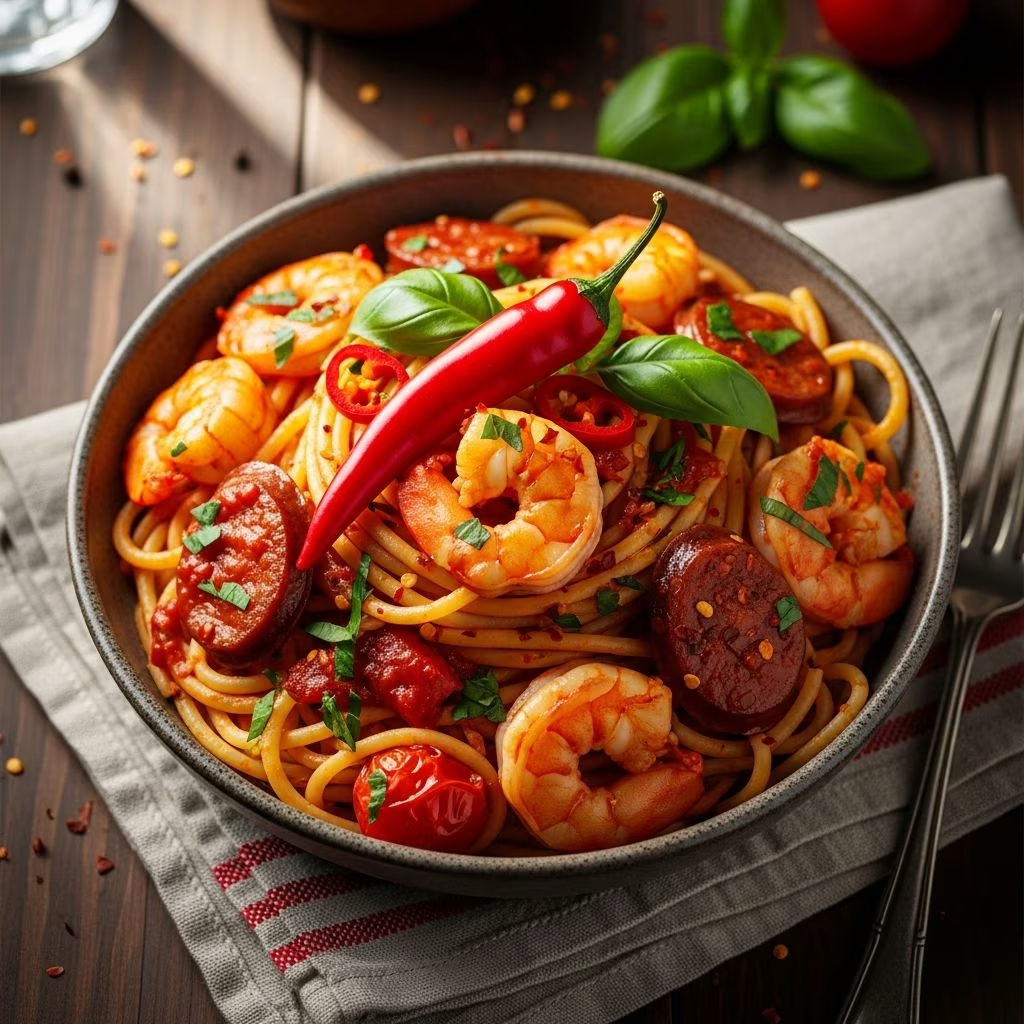
Fra diavolo translates to “Brother Devil” in Italian, and this evocative name perfectly captures the essence of this bold and passionate dish. The sauce represents a beautiful intersection of simplicity and intensity, combining basic pantry ingredients—tomatoes, garlic, and chili peppers—into a harmonious blend that ignites the palate. This traditional preparation has become a beloved staple in Italian-American cuisine, celebrated for its ability to transform ordinary pasta into something extraordinary. Whether you’re preparing dinner for yourself or impressing guests, understanding the fundamentals of this classic sauce will elevate your cooking repertoire.
Understanding the Core Elements of Fra Diavolo
The foundation of authentic fra diavolo lies in its minimalist approach. Rather than relying on excessive ingredients or complicated techniques, this sauce achieves its distinctive character through the careful selection and treatment of just a few key components. The sauce’s structure depends on achieving the proper balance between the acidity of tomatoes, the pungency of garlic, and the heat from chili peppers. This balance is what distinguishes a properly executed fra diavolo from merely spicy tomato sauce.
The name “Brother Devil” reflects not just the heat of the dish, but also its seductive quality—the way the spice draws you in despite its intensity. Served traditionally with either pasta or seafood, this sauce has earned its reputation as the perfect vehicle for a romantic dinner or a casual weeknight meal that feels anything but ordinary.
Essential Ingredients and Their Selection
The Oil Foundation
Quality olive oil serves as more than just a cooking medium in fra diavolo—it acts as the structural backbone of the sauce itself. Rather than shying away from the generous amount called for, embrace it as an essential component that creates richness and helps bind the tomato elements together. A good extra virgin olive oil will contribute its own subtle flavors, enhancing the overall complexity of the dish. The oil warms until it shimmers, creating the perfect foundation for building flavor layers.
Garlic: The Aromatic Anchor
Garlic demands respect in this preparation. Rather than using a modest amount, traditional recipes call for substantial quantities—often between 6 to 10 cloves. This abundance of garlic is intentional; it creates the aromatic backbone that supports all other flavors. The key lies in cooking the garlic gently until it becomes fragrant without browning, a distinction that prevents bitterness and ensures a smooth, welcoming base.
Tomatoes: The Canvas
Crushed tomatoes work best in this application because they create a more cohesive sauce texture compared to diced varieties. Some recipes incorporate both crushed and whole canned tomatoes for added depth and complexity. The tomatoes should be high-quality, as they form the primary component of your sauce. San Marzano tomatoes are traditionally preferred for their balance of acidity and natural sweetness.
Heat Elements
The spice profile comes from multiple sources—crushed red pepper flakes and fresh chili peppers contribute the characteristic kick. The specific type of chili pepper you choose affects both the heat level and flavor profile. Calabrian chilies offer a distinctive kick with subtle flavor notes, while cayenne pepper delivers straightforward heat. For those preferring less intensity, red serrano or fresno peppers provide moderate spice without overwhelming the palate.
Herbs and Final Touches
Fresh herbs must remain fresh—dried varieties fail to deliver the vibrant notes essential to authentic fra diavolo. Basil, parsley, and oregano combine to create a fresh, aromatic finish. These herbs are added near the end of cooking to preserve their delicate flavors and visual appeal. Some recipes incorporate mint for an unexpected layer of complexity.
Building Your Sauce: A Step-by-Step Approach
Phase One: Establishing the Aromatic Base
Begin by warming your olive oil in a large skillet or pot over medium heat until it shimmers noticeably. This visual cue indicates the oil has reached the optimal temperature for extracting garlic’s aromatic compounds without burning them. Add your minced garlic and cook for approximately 1 to 2 minutes, stirring frequently to ensure even cooking. The transformation is subtle but crucial—the raw garlic aroma transforms into a sweet, mellow fragrance that signals proper development. This stage requires patience and attention; over-cooking results in bitter, unpleasant flavors that compromise the entire sauce.
Phase Two: Introducing Heat and Tomatoes
Once your garlic reaches peak fragrance, introduce the crushed red pepper flakes and stir to combine. This allows the heat compounds to disperse throughout the oil, distributing their intensity evenly. Immediately add your crushed tomatoes and stir thoroughly. At this point, the sauce may appear separated with oil sitting atop the tomatoes. Resist the urge to worry—continued stirring and cooking allows these elements to emulsify naturally. Increase the heat to medium-high briefly to establish a rolling simmer, then reduce back to medium-low for the crucial development phase.
Phase Three: The Crucial Simmering Period
Allow your sauce to simmer for 15 to 20 minutes, stirring occasionally. This extended cooking time permits flavors to meld and develop greater complexity. The tomatoes break down further, releasing additional sugars and acids, while the garlic’s flavors deepen and integrate more thoroughly with the oil base. Some recipes incorporate a small amount of sugar (typically 1 to 2 teaspoons) if the sauce develops an overly bitter or acidic character. This addition should be judicious—the goal is balance, not sweetness.
Phase Four: The Herb Integration and Seasoning
Near the end of cooking, remove the pot from heat and incorporate your fresh herbs along with appropriate salt and pepper seasoning. At this critical juncture, taste your creation and adjust seasonings according to your preferences. A properly balanced fra diavolo sauce should taste fragrant, flavorful, and slightly sweet with an underlying spicy warmth. This is your opportunity to fine-tune the preparation—additional salt, spice, or herbs can still be incorporated.
Cooking Perfect Pasta
While your sauce develops, prepare your pasta with equal care. Fill a large pot with abundant water and bring it to a rolling boil. Salt the water generously—this is not the time for moderation, as the pasta water needs to taste pleasantly salted. Add your pasta and cook until it reaches al dente texture, typically 7 to 8 minutes for dried spaghetti, though cooking times vary by pasta shape and brand.
Reserve at least 1 to 1.5 cups of pasta water before draining. This starchy liquid becomes instrumental in helping your sauce coat the pasta evenly and allowing flavors to penetrate each strand. The starch in pasta water acts as an emulsifier, helping oil and tomato elements combine into a silky coating.
The Marriage: Combining Pasta and Sauce
Add your drained pasta directly to your sauce rather than the reverse. Toss gently to coat each strand with the flavorful sauce. Now begins the crucial hydration phase—slowly drizzle your reserved pasta water into the mixture while stirring constantly. Allow each addition to fully absorb before adding more, building up to your desired consistency. Some prefer a lighter, more fluid sauce, while others favor a heavier coating; adjust accordingly to your preference.
Reduce heat to low and permit the pasta to cook within the sauce for approximately 2 minutes. This final stage allows the pasta to absorb additional sauce flavor while the residual heat ensures everything reaches the proper serving temperature. This technique, known as mantecatura in Italian cooking, represents the difference between a good dish and an exceptional one.
Variations and Adaptations
Seafood Enhancements
Fra diavolo traditionally pairs beautifully with seafood, particularly shrimp and scallops. When incorporating seafood, cook it separately in the pan before creating your sauce. Season the seafood with salt and pepper, sear it briefly until just cooked through (approximately 2 minutes per side for scallops and shrimp), then set it aside. Combine the cooked seafood with your pasta and sauce just before serving to maintain optimal texture and prevent overcooking.
Wine Integration
Some recipes incorporate white wine into the sauce for added acidity and complexity. Add the wine after your tomatoes have cooked briefly, typically allowing it to reduce for 5 minutes to burn off alcohol while concentrating its flavors. This addition complements the heat and acidity of the tomatoes beautifully.
Onion Variations
While minimalist versions omit onions entirely, some interpretations include them for sweetness and body. If incorporating onions, cook them alongside the garlic initially, allowing them to soften before introducing tomatoes. Some recipes purée onions to create a smoother sauce texture without visible pieces.
Serving Suggestions and Pairings
Present your fra diavolo pasta in shallow bowls to showcase the beautiful red sauce coating each strand. Garnish generously with fresh basil and grated Parmesan cheese for traditional presentation. The spicy heat of the sauce pairs exceptionally well with full-bodied red wines or crisp white wines that offer acidity to balance the richness.
Serve alongside garlic bread for soaking up the remaining sauce and a simple green salad dressed with lemon vinaigrette to refresh the palate between bites. These accompaniments transform a simple pasta dish into a complete meal experience.
Frequently Asked Questions
- Can I prepare fra diavolo sauce in advance?
- Absolutely. The sauce actually develops deeper flavor when made a day or two ahead. Store it in an airtight container in the refrigerator for up to 5 days, or freeze for up to 3 months. Reheat gently on the stovetop before combining with freshly cooked pasta.
- How can I reduce the heat if my family prefers milder flavors?
- Cut back on the crushed red pepper flakes or omit fresh chili peppers entirely. Start with 1/4 teaspoon of flakes and adjust upward to your comfort level. The sauce remains flavorful without excessive heat.
- What pasta shapes work best with fra diavolo?
- While spaghetti is traditional, any pasta shape functions well. Long, thin shapes like linguine or bucatini allow sauce penetration. Shorter shapes like penne trap sauce in their ridges. Choose based on personal preference.
- Can I use fresh tomatoes instead of canned?
- Yes, though the result differs slightly. Use ripe, in-season tomatoes, roughly chopped. You may need to cook the sauce longer to develop adequate body. Expect a fresher, slightly lighter flavor profile.
- Should I add cream to this sauce?
- Traditional fra diavolo remains cream-free, allowing the tomato and chili flavors to shine. Adding cream dilutes these essential characteristics, creating a different dish entirely.
Mastering the Technique
Success with fra diavolo depends less on rare ingredients and more on understanding fundamental cooking principles. Proper heat management ensures garlic reaches fragrance without bitterness. Adequate simmering time allows flavors to marry and develop. Patient hydration with pasta water creates the silky coating that characterizes this dish. These technical elements, when executed with care, transform simple ingredients into something memorable.
The beauty of fra diavolo lies in its accessibility to home cooks at any skill level. The ingredient list remains short, the technique straightforward, yet the results feel special. This combination—simplicity yielding sophistication—represents the heart of Italian cooking philosophy. Whether you’re cooking for yourself on a busy weeknight or entertaining guests, this classic preparation delivers boldness and satisfaction in equal measure.
References
- Simple Spaghetti Fra Diavolo — Baker by Nature. Accessed April 2026. https://bakerbynature.com/simple-spaghetti-fra-diavolo/
- Fra Diavolo Sauce — Chili Pepper Madness. Accessed April 2026. https://www.chilipeppermadness.com/recipes/fra-diavolo-sauce/
- Perfect Pasta Fra’ Diavolo — Cooking with Nonna. Accessed April 2026. https://www.cookingwithnonna.com/italian-cuisine/perfect-pasta-fra-diavolo.html
- Seafood Fra Diavolo — Host The Toast. Accessed April 2026. https://hostthetoast.com/seafood-fra-diavolo/