Vegetable stock serves as the foundation for countless culinary creations, from soups and risottos to grain dishes and sauces. Unlike store-bought alternatives, homemade vegetable stock allows you to control sodium levels, eliminate artificial additives, and customize flavors to match your preferences. The process of making vegetable stock is straightforward and economical, transforming ordinary kitchen ingredients into liquid gold for your cooking endeavors.
Understanding the Foundation of Quality Stock
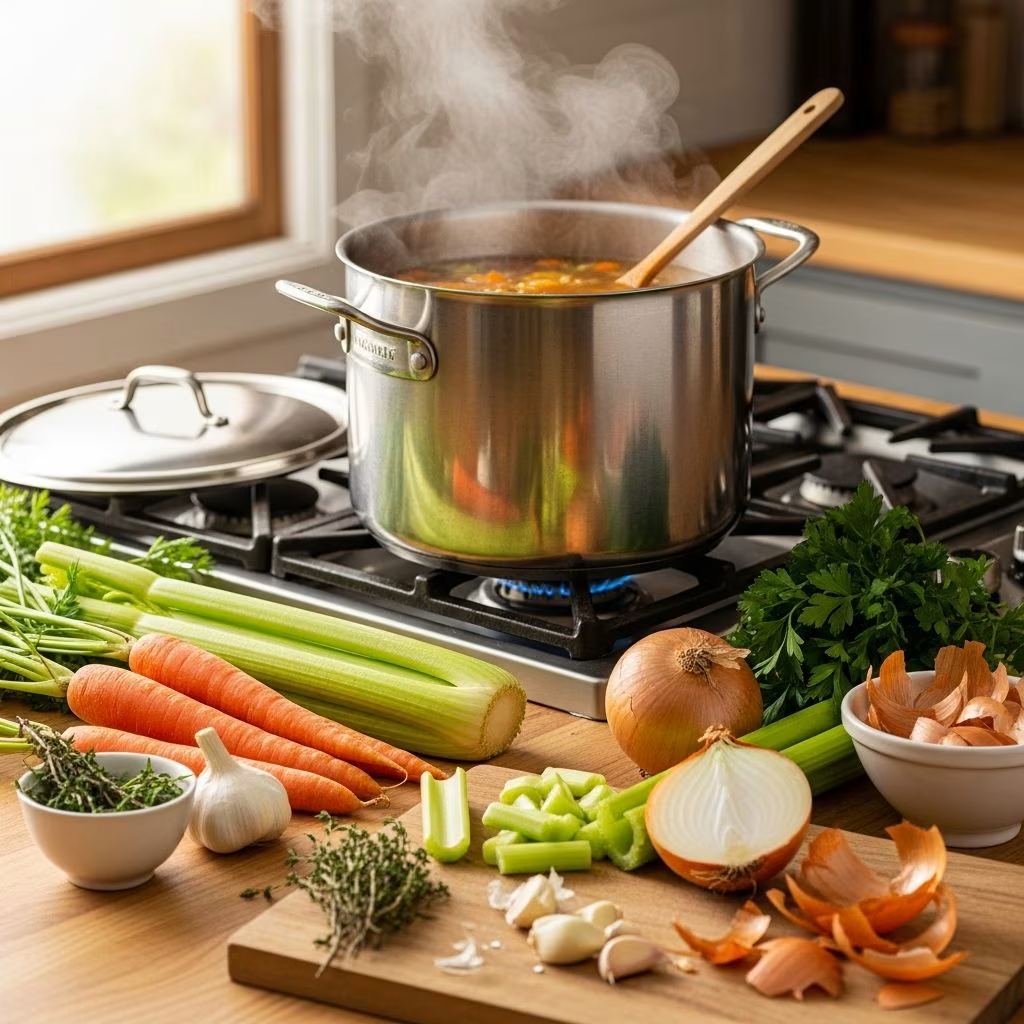
The cornerstone of exceptional vegetable stock rests on three essential aromatic vegetables that form the flavor base. These three components onions, carrots, and celery work synergistically to create a well-rounded, savory foundation that enhances virtually any dish they touch. The aromatic quality of these vegetables develops through slow simmering, allowing their natural compounds to infuse the liquid.
Beyond these primary aromatics, the depth and complexity of your stock can be elevated through the addition of complementary vegetables and herbs. Fresh herbs like thyme and parsley introduce subtle botanical notes, while bay leaves contribute earthy undertones. Garlic cloves, whether whole or smashed, add pungent sweetness when used judiciously. The beauty of homemade stock lies in your ability to adjust these components according to personal preference and available ingredients.
Two Approaches to Stock Creation
Home cooks have two distinct methods for creating vegetable stock, each offering unique advantages:
Method One: Fresh Vegetable Approach
This traditional method utilizes whole, fresh vegetables purchased specifically for stock production. Begin by washing all vegetables thoroughly to eliminate any soil or debris that might cloud your finished stock. Rough chopping serves the primary purpose of breaking down vegetables into manageable pieces; aesthetic presentation matters little since these solids will be discarded after simmering.
The fresh vegetable method provides superior control over the final flavor profile. You select premium-quality vegetables at their peak ripeness and combine them in precise proportions. This approach works exceptionally well when you desire a stock tailored for specific culinary applications, such as a delicate broth for Asian cuisine or a robust base for hearty bean stews.
Method Two: Kitchen Scrap Utilization
This environmentally conscious approach transforms vegetable remnants that would otherwise enter the waste stream into liquid culinary treasure. Many vegetables contain concentrated flavor in portions typically discarded onion skins and ends, carrot tops and tips, celery bulb bases, herb stems, and garlic skins all contribute substantially to stock quality.
Smart cooks maintain a dedicated freezer container for vegetable scraps accumulated during routine meal preparation. When approximately six cups of frozen scraps accumulate, sufficient material exists to produce a batch of stock. This method reduces food waste while proving remarkably economical, effectively transforming preparation byproducts into a valuable ingredient.
Ingredient Selection and Preparation
Primary Vegetable Components
The foundation trio deserves careful attention in terms of quantity and quality. Medium onions, halved rather than diced, contribute substantial flavor without becoming overpowering. Four medium carrots, roughly chopped, provide natural sweetness and body to the stock. One to two celery stalks, similarly chopped, add subtle vegetal notes and contribute to the stock’s mouthfeel.
When utilizing scraps instead of fresh vegetables, maintain proportional representation of these three aromatics. The base should comprise recognizable quantities of onion, carrot, and celery material, even if sourced from accumulated kitchen remnants rather than whole vegetables.
Aromatic and Herb Additions
Fresh herbs elevate stock from functional to exceptional. A generous handful of fresh parsley, combined with a small bunch of fresh thyme, creates a balanced herbal profile without overwhelming delicate flavors. Three bay leaves provide subtle earthiness and complexity. These herbs work harmoniously, with parsley offering brightness while thyme contributes depth.
Garlic presents an optional but worthwhile addition. Rather than mincing individual cloves, smashing an entire garlic bulb and adding it unpeeled allows the stock to absorb garlic essence without the vegetable becoming mushy and fragmented. This technique preserves structural integrity while maximizing flavor extraction.
Seasonings and Flavor Enhancers
Salt usage depends on your intended application. Traditional stock preparation often omits salt, allowing cooks to control sodium levels in finished dishes. However, adding salt during cooking can enhance extraction of flavors from vegetables and herbs. Whole black peppercorns, added in modest quantities, provide subtle heat and complexity without the sharpness of ground pepper.
Leek tops, fennel fronds, and mushroom stems represent superior scrap choices that contribute distinctive flavor notes. Conversely, cruciferous vegetable scraps from broccoli, cabbage, or cauliflower should be avoided, as their sulfur compounds can impart unwanted bitterness to finished stock.
Step-by-Step Preparation Process
Initial Setup and Organization
Begin by selecting an appropriately sized stockpot typically an 8-quart capacity works well for most home cooking needs. Gather all ingredients and equipment before beginning, ensuring smooth workflow without mid-process interruptions. Having a fine-mesh strainer, large heatproof bowl, and storage containers prepared in advance streamlines the entire operation.
Vegetable Preparation and Cooking
For the fresh vegetable method, combine cleaned and chopped onions, carrots, celery, leek tops, and garlic in your stockpot. Add herbs, bay leaves, peppercorns, and salt if desired. Pour 10 to 12 cups of water over the vegetables, ensuring they remain submerged. Bring the mixture to a boil over high heat, then reduce the temperature to achieve a gentle simmer.
For the scrap-based method, loosely combine approximately four cups of mixed vegetable scraps in a two-quart pot with enough water to cover, approximately one quart plus one cup. Bring this mixture to a boil, then reduce heat and simmer for approximately 20 minutes before straining. This abbreviated cooking time produces stock efficiently while still extracting substantial flavor.
Simmering and Development
The traditional fresh vegetable method requires simmering, covered, for one hour minimum, though two hours produces notably richer, more developed flavor. Some practitioners employ an alternative technique, sautéing the base vegetables briefly in oil over low heat, stirring occasionally, until they soften, become fragrant, and begin to develop light coloring approximately 30 minutes. This preliminary step concentrates flavors and can be followed by the standard simmering process.
Gentle simmering rather than vigorous boiling prevents vegetable matter from breaking apart and clouding the finished stock. The covered pot maintains consistent temperature and prevents excessive evaporation, though some cooks prefer leaving the pot uncovered for the final portion of cooking to allow excess water to evaporate.
Straining and Finishing
Once the simmering period concludes, carefully pour the stock through a fine-mesh strainer positioned over a large heatproof bowl, capturing the flavorful liquid while discarding softened vegetables and solid matter. Allow the stock to cool slightly before proceeding to storage. Some cooks prefer straining twice to achieve exceptional clarity, particularly when stock will be served in delicate applications like refined soups or consommés.
Storage and Preservation Methods
Refrigeration
Freshly prepared stock keeps refrigerated in sealed glass containers for up to five days. Store in the coldest portion of your refrigerator, typically the back of the bottom shelf. Fat may solidify on the surface as the stock cools this natural layer actually protects the stock beneath, extending shelf life.
Freezing for Extended Storage
Freezing preserves homemade stock for extended periods, allowing you to produce large batches when convenient and utilize them across multiple cooking occasions. Cool the stock completely before transferring to freezer-safe containers. Glass mason jars work excellently, though leaving approximately one inch of headspace prevents container damage from expansion during freezing. Alternatively, freezing stock in ice cube trays creates convenient single-portion servings suitable for finishing sauces or enriching individual bowls of soup.
Properly frozen stock maintains quality for several months, though some sources suggest it remains viable for up to one year in deep freezers maintaining consistent temperature. Thaw overnight in the refrigerator before use, or reheat directly from frozen over gentle heat when time is limited.
Frequently Asked Questions
Can I make stock in a slow cooker or instant pot?
Yes, alternative cooking methods work well. Slow cookers allow eight to twelve hours of gentle simmering, developing exceptionally rich flavor. Instant pots prepare stock in approximately 30 minutes under pressure, producing concentrated results. Adjust water quantities slightly based on your equipment’s specifications and intended final yield.
Should stock be salted during cooking?
Professional chefs typically avoid adding salt during stock production, instead seasoning finished dishes individually. This approach provides maximum flexibility, allowing the stock to enhance various dishes without predetermined sodium levels. However, light salting during cooking can enhance flavor extraction from vegetables and herbs.
Why is my stock cloudy?
Cloudy stock usually results from vigorous boiling breaking vegetable matter into tiny suspended particles. Maintain a gentle simmer, avoid stirring, and consider straining twice through increasingly fine mesh to achieve clarity.
What vegetables should I avoid for stock?
Cruciferous vegetables like broccoli, cabbage, and cauliflower impart bitter, sulfurous flavors unsuitable for stock bases. Additionally, avoid starchy vegetables in excess, as they can cloud the liquid and create an undesirable texture.
Customization and Flavor Variations
The basic stock formula provides an excellent foundation for culinary creativity. Asian-inspired variations might include lemongrass, ginger, and star anise. Mediterranean versions could emphasize fennel, orange zest, and additional garlic. Roasting vegetables before simmering intensifies caramelized notes for stocks destined for robust applications like French onion soup or beef consommés, though vegetable stock particularly benefits from this technique when you desire deeper complexity.
Experimentation with different herb combinations—perhaps substituting dill for thyme, or adding rosemary for Mediterranean applications—allows you to tailor stock to specific culinary projects. Document your variations and results, gradually developing a repertoire of customized stocks suited to your cooking style and preferences.
Practical Advantages of Homemade Stock
Producing stock at home offers substantial economic benefits compared to purchasing commercial alternatives, particularly when utilizing kitchen scraps that would otherwise be discarded. Beyond cost considerations, homemade stock eliminates sodium concerns, provides control over ingredient quality, and reduces dependence on processed foods. The process requires minimal active participation—primarily waiting while simmering occurs—making it an efficient use of kitchen time.
Additionally, the aroma of simmering stock creates an inviting kitchen atmosphere, and the satisfaction of transforming simple ingredients into a versatile culinary foundation provides immeasurable value that extends beyond practical cooking applications.
References
- How To Make Vegetable Stock — Blue Apron. Accessed April 2026. https://blog.blueapron.com/guides/vegetable-stock
- How to Make Vegetable Stock Recipe — Love and Lemons. Accessed April 2026. https://www.loveandlemons.com/how-to-make-vegetable-stock/
- Basic Vegetable Stock — Cedar Circle Farm. Accessed April 2026. https://cedarcirclefarm.org/recipes/entry/basic-vegetable-stock
- How to Make Vegetable Stock — Pickles & Honey. Accessed April 2026. https://picklesnhoney.com/how-to-make-vegetable-stock/
- Ultimate Vegetable Stock — Anson Mills. Accessed April 2026. https://ansonmills.com/recipes/523
- How To Make Vegetable Broth with Kitchen Scraps — Oh My Veggies. Accessed April 2026. https://ohmyveggies.com/how-to-make-vegetable-broth-with-kitchen-scraps/
- How To Make Vegetable Broth/Stock — Chef Jean-Pierre. Accessed April 2026. https://www.youtube.com/watch?v=vh5fLYBZyjc