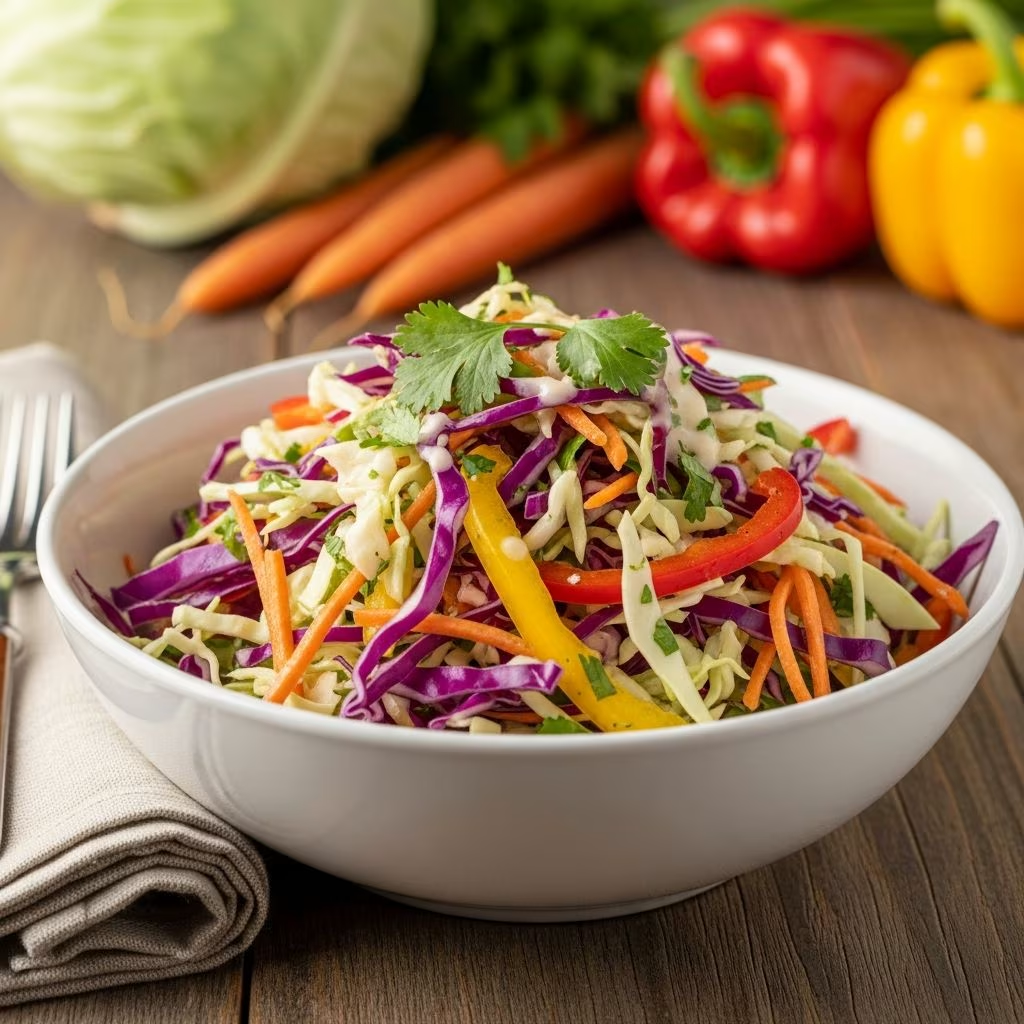
Vegetable slaws have become a staple in contemporary cuisine, offering a refreshing counterbalance to heavier main courses. These crisp, colorful dishes combine raw vegetables with flavorful dressings to create something that is both nutritious and satisfying. Whether you’re planning a summer barbecue, a casual family dinner, or a special gathering, understanding how to construct the perfect slaw can elevate your culinary repertoire and impress your guests.
Understanding the Foundation of Quality Slaws
The backbone of any exceptional slaw begins with selecting the right vegetables. The primary component—shredded cabbage—provides the structural foundation, offering both substance and a mild, slightly sweet flavor profile. Beyond cabbage, incorporating additional vegetables creates complexity and visual interest. Cucumbers add hydration and a crisp, clean taste, while celery contributes a subtle herbaceous note and pleasing textural contrast. The combination of these vegetables ensures that each bite offers multiple layers of flavor and mouthfeel.
Preparation techniques significantly influence the final result. Vegetables should be cut into appropriately sized pieces—not so large that they dominate individual bites, nor so small that they become mushy. For shredded cabbage, using a mandoline or food processor ensures consistent thickness, which promotes even distribution of dressing throughout the slaw. Fresh herbs like cilantro and parsley introduce aromatic qualities that elevate the dish beyond simple vegetable combinations.
The Art of Crafting the Perfect Dressing
The dressing serves as the crucial element that transforms individual vegetables into a cohesive dish. A balanced slaw dressing typically combines creamy elements with acidic components and strategic seasonings. Mayonnaise or similar creamy bases provide richness and help bind the ingredients together, while vinegar or citrus juice introduces brightness and prevents the slaw from tasting flat or one-dimensional.
When formulating your dressing, consider the proportions carefully. The ratio of creamy to acidic components should be roughly 3:1, though personal preferences may warrant adjustments. Beyond these fundamental elements, incorporating complementary seasonings creates depth. Celery seeds echo the vegetables naturally, while dill weed adds a distinctive herbal note. Salt and pepper should be added gradually, allowing you to taste and adjust as needed.
Key Dressing Components:
- Creamy base (mayonnaise or similar ingredient)
- Acidic element (vinegar or fresh citrus juice)
- Aromatic seasonings (celery seeds, dill weed)
- Basic seasoning (salt and pepper to taste)
- Optional flavor enhancers (garlic, onion powder, or fresh herbs)
Building Your Slaw: Step-by-Step Assembly
Creating a superior slaw requires a methodical approach rather than haphazardly combining ingredients. Begin by preparing all vegetables and arranging them in a large mixing vessel. This allows you to assess the proportions visually before combining everything together. A general guideline suggests using approximately 16 ounces of shredded cabbage as your base, with one medium cucumber and several celery stalks as supporting vegetables.
The next phase involves preparing your dressing separately. By combining creamy and acidic components along with seasonings in a distinct bowl, you maintain control over the flavor profile before introducing it to the vegetables. This method also allows for easier adjustment should you desire a creamier or tangier result. Once the dressing reaches your desired consistency and flavor balance, pour it over the prepared vegetables and toss thoroughly, ensuring every piece becomes coated with the dressing.
Vegetable Selection and Preparation Techniques
While cabbage forms the traditional base, modern slaw recipes have expanded the vegetable repertoire considerably. Cucumbers contribute significant hydration and a refreshing quality, particularly valuable during warm months. English cucumbers work particularly well because they contain fewer seeds and offer a more refined texture than standard varieties. Seeding cucumbers before incorporating them prevents excess moisture from diluting your dressing over time.
Celery brings a distinctive crunch and subtle earthiness to slaws. Unlike many vegetables that soften during storage, celery maintains its textural integrity, making it ideal for slaws that will be refrigerated before serving. The celery leaves—often discarded—actually contribute pleasant, delicate herbal notes worth including. Carrots, when grated rather than cut into chunks, add natural sweetness and visual appeal through their vibrant orange color.
Red onions provide pungent, sharp flavors that become mellowed slightly as the slaw sits, creating a more balanced taste profile with extended refrigeration. Using approximately one-quarter of a medium red onion prevents the onion flavor from overwhelming more delicate vegetable tastes. Fresh herbs such as cilantro and parsley introduce complexity and aromatic qualities that distinguish your slaw from basic versions.
Dressing Variations and Flavor Profiles
While the creamy dressing represents the classic approach, exploring different flavor directions can prevent slaw from becoming monotonous. Some recipes incorporate apple cider vinegar, which offers a slightly fruity quality compared to standard white vinegar. Others experiment with sugar substitutes or minimal sweetening to balance acidic and savory elements.
For those following specific dietary approaches, substituting regular mayonnaise with alternatives like avocado-based creams or Greek yogurt creates lighter versions while maintaining creaminess. The fundamental principle remains consistent: balancing flavors and ensuring the dressing complements rather than overwhelms the vegetables themselves.
Storage and Make-Ahead Considerations
One significant advantage of vegetable slaws is their ability to improve with time. Unlike some salads that wilt quickly, slaws benefit from several hours of refrigeration, during which flavors meld and vegetables soften slightly to a more palatable texture. Generally, slaws maintain optimal quality for 24 to 48 hours when stored in airtight containers. The slaw will gradually become more saturated with dressing flavor, creating increasingly cohesive dishes as time progresses.
For meal planning purposes, you can prepare vegetables in advance and store them separately from the dressing. This approach allows you to combine components shortly before serving, ensuring maximum crispness if preferred. Alternatively, making the complete dish a day ahead takes advantage of the marinating benefits while simplifying your preparation timeline.
Serving Suggestions and Culinary Pairings
Vegetable slaws function beautifully alongside various main courses. Their crisp, refreshing nature provides excellent contrast to rich, warm foods like grilled meats or creamy pasta dishes. Summer barbecues particularly benefit from slaw’s light, cooling qualities. Tacos, pulled pork sandwiches, and grilled fish all gain complementary accompaniment from thoughtfully prepared slaws.
Beyond traditional picnic settings, slaws can serve as component ingredients in other dishes. Some cuisines utilize slaws as taco fillings, while others incorporate them into grain bowls or composed salad arrangements. The versatility of slaw-style preparations means they deserve consideration beyond their traditional supporting role.
Frequently Asked Questions
How long can homemade slaw be safely refrigerated?
Properly stored vegetable slaws maintain quality for 24 to 48 hours when kept in sealed containers at standard refrigeration temperatures. Beyond this timeframe, texture degradation becomes more pronounced and flavors may become unpalatably acidic.
Can slaw ingredients be prepared ahead without the dressing?
Yes, preparing vegetables several hours or even a day in advance and storing them in airtight containers works well. Add the dressing only when ready to serve or shortly before consumption for maximum crispness.
What vegetables work best for slaw preparations?
Cabbage provides the foundation, while cucumbers, celery, carrots, and red onions offer complementary flavors and textures. Fresh herbs like cilantro and parsley enhance aromatic qualities.
How can I adjust slaw dressing consistency?
Adding more mayonnaise creates a creamier consistency, while incorporating additional vinegar or citrus juice produces a tangier, lighter result. Gradual adjustments allow you to reach your preferred balance.
Are there dietary modifications available for slaw recipes?
Substituting regular mayonnaise with Greek yogurt, avocado-based creams, or other alternatives accommodates various dietary preferences while maintaining creamy texture and flavor.
Conclusion: Mastering the Slaw
Creating exceptional vegetable slaws requires attention to ingredient selection, proportional balance, and thoughtful preparation. By understanding the roles different vegetables and dressing components play, you can develop slaws that complement your intended meals while offering nutritional benefits and visual appeal. Whether following traditional recipes or experimenting with creative variations, the principles of vegetable preparation and flavor balancing remain consistent. With practice and experimentation, slaw-making becomes an intuitive culinary skill that enhances your overall cooking abilities and expands your repertoire of side dish options.
References
- Produce Guidelines — U.S. Department of Agriculture. 2024. https://www.usda.gov
- Food Storage and Safety — U.S. Food and Drug Administration. 2024. https://www.fda.gov
- Vegetable Nutrition Profiles — National Institutes of Health. 2023. https://www.nih.gov