Creating a pie crust that is both tender and crisp requires understanding the balance of ingredients, precise techniques, and proper handling. This guide explores everything from basic recipes to advanced methods, helping bakers of all levels produce professional-quality results.
Why Homemade Pie Crust Beats Store-Bought
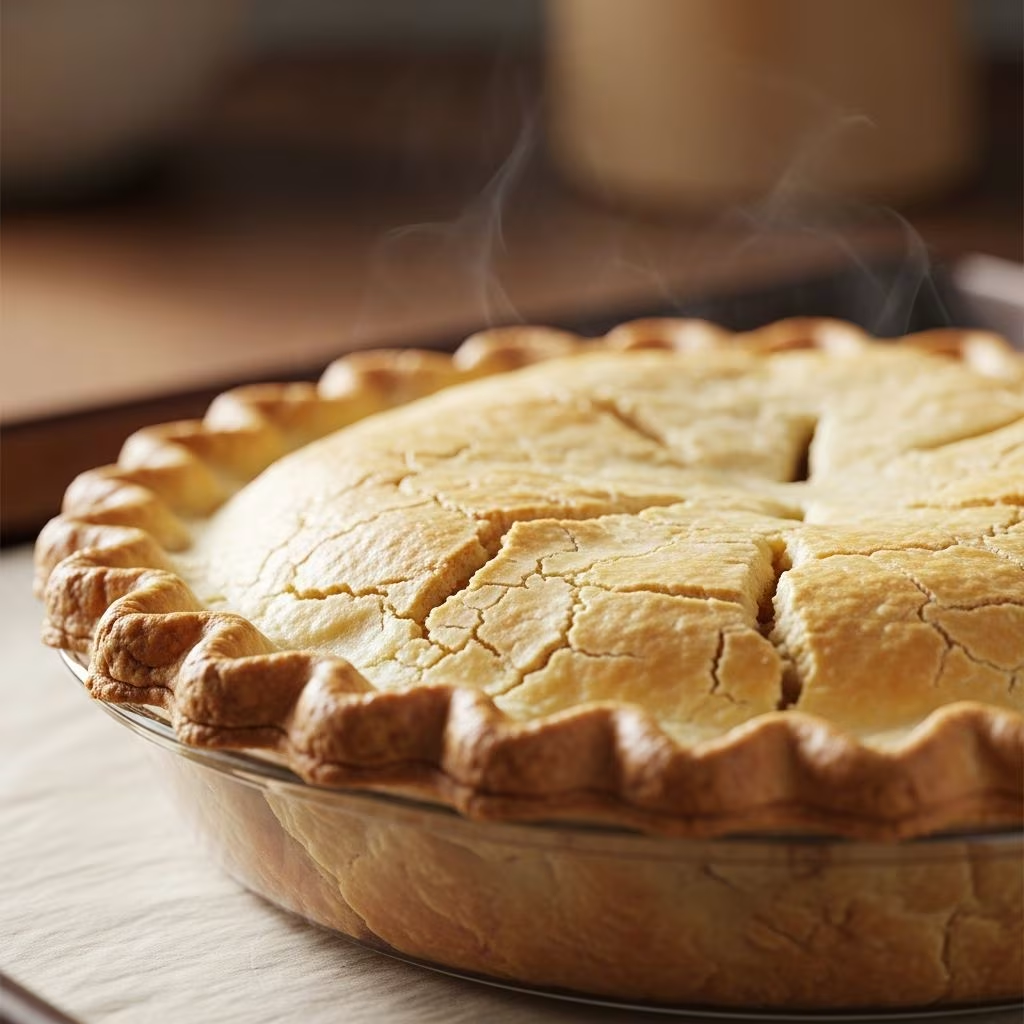
Store-bought crusts often lack the flavor depth and texture of homemade versions. Fresh dough allows customization for sweetness or savoriness, and the process builds baking skills. Key advantages include control over fat types for flakiness and the satisfaction of a golden, layered crust.
Essential Ingredients for Success
The foundation of any great pie crust lies in high-quality components. Flour provides structure, fats create tenderness, and liquids bind everything together.
- All-purpose flour: Offers the ideal protein content for structure without toughness.
- Cold butter or shortening: Butter imparts rich flavor; shortening ensures easy rolling.
- Salt and sugar: Enhance taste; sugar aids browning.
- Ice water or vinegar: Prevents gluten development for tenderness.
Comparing Fat Options
| Fat Type | Flavor | Texture | Best For |
|---|---|---|---|
| Butter | Rich, buttery | Flaky layers | Sweet pies |
| Shortening | Neutral | Tender, sturdy | Savory pies |
| Combo | Balanced | Flaky and easy | All-purpose |
Step-by-Step Recipe for a Double-Crust Pie
This versatile recipe yields enough for a top and bottom crust, perfect for fruit pies.
Ingredients
- 3 cups all-purpose flour
- 1 tsp salt
- 3/4 cup cold vegetable shortening, cubed
- 3/4 cup cold butter, cubed
- 1 egg, beaten
- 1 Tbsp white vinegar
- 5-7 Tbsp ice water
Instructions
- Combine flour and salt in a large bowl. Add shortening and butter, cutting them in until the mixture forms coarse crumbs.
- Mix egg, vinegar, and ice water. Gradually stir into flour mixture until dough holds together when pinched. Add water if needed, 1 Tbsp at a time.
- Divide dough into two discs, wrap in plastic, and chill for at least 2 hours.
- Roll out on a floured surface to 12-inch circles. Fit one into a 9-inch pie plate, add filling, top with second crust, crimp edges, and bake as recipe directs.
Chilling relaxes the gluten, making the dough easier to roll without shrinking during baking.
All-Butter Variation for Maximum Flavor
For pies where buttery taste shines, skip shortening entirely. This version is ideal for apple or cherry pies.
Ingredients (Single Crust)
- 1 1/2 cups all-purpose flour
- 1 Tbsp sugar
- 3/4 tsp salt
- 10 Tbsp cold unsalted butter, grated
- 4-6 Tbsp ice water
Grate frozen butter for even distribution, pulse in a food processor, then add water until dough just forms clumps. Rest overnight for best texture.
Mastering the Mixing Techniques
Overworking dough leads to toughness. Use these methods for optimal results.
- Pastry cutter: Ideal for beginners; cuts fat into flour quickly.
- Food processor: Pulse briefly to avoid warming the fat.
- Hands: Warm them first in cold water, then gently rub ingredients.
The goal is pea-sized fat pieces, which melt during baking to create steam pockets for flakiness.
Perfect Rolling and Shaping
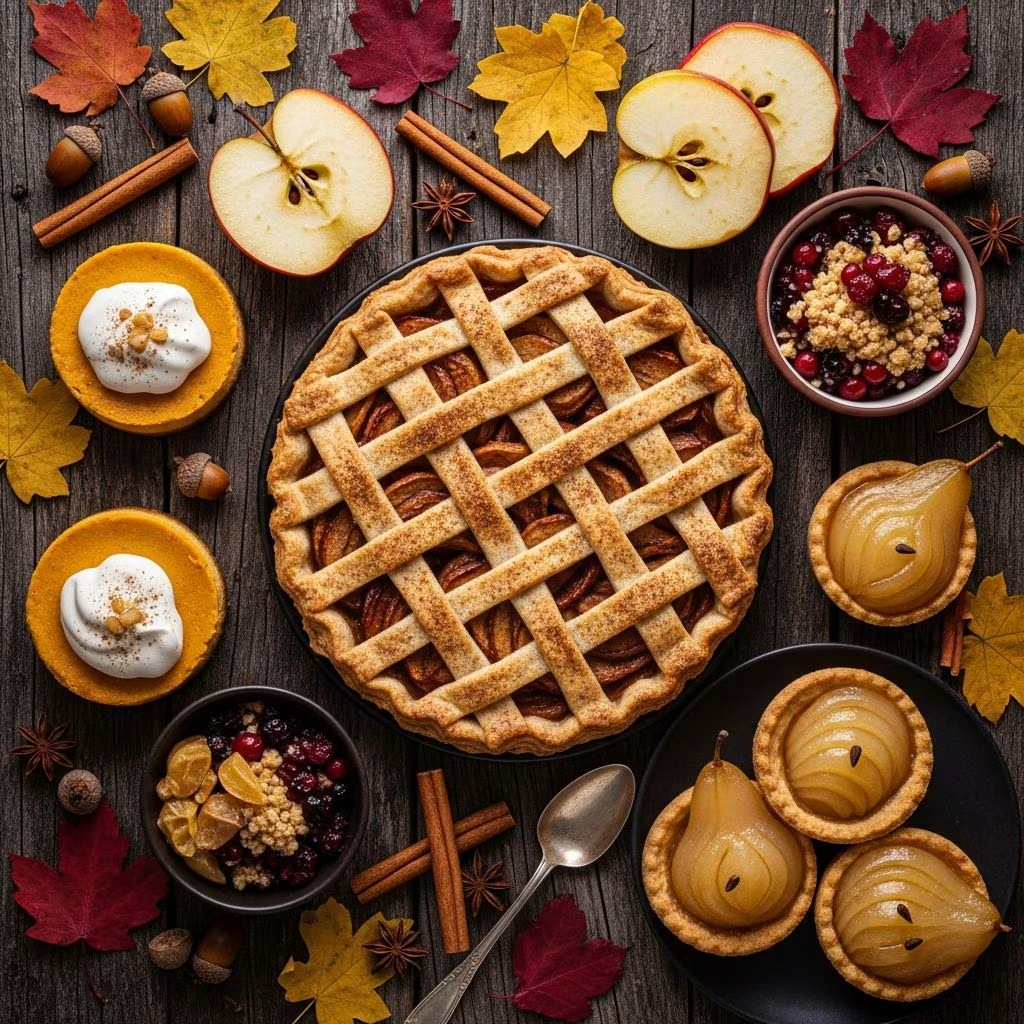
Roll from the center outward on a lightly floured surface. Use a bench scraper to lift and prevent sticking. For lattice tops, cut strips 1/2-inch wide and weave over filling.
Crimp edges by pressing thumb into dough between floured fingers or use a fork for a rustic look. Brush with egg wash for shine.
Pre-Baking for Cream Pies
Blind baking prevents soggy bottoms in custard or fruit pies with wet fillings.
- Line crust with parchment and fill with pie weights or beans.
- Bake at 425°F for 15-20 minutes until edges are golden.
- Remove weights, prick bottom, and bake 5-10 more minutes.
Troubleshooting Common Issues
| Problem | Cause | Solution |
|---|---|---|
| Tough crust | Too much water or overmixing | Measure water precisely; handle minimally |
| Soggy bottom | No pre-bake or hot filling | Blind bake; cool filling first |
| Shrinking | Insufficient chill time | Refrigerate dough 2+ hours |
| Cracks when rolling | Too cold or dry | Let warm 5-10 min; add water |
Storage and Freezing Tips
Dough keeps in the fridge for 3 days or freezer for 6 months. Thaw overnight before using. Baked crusts freeze well unfilled for up to 1 month.
Creative Twists for Special Pies
- Cheese crust: Add 1/2 cup grated cheddar for apple pie.
- Nutty: Mix in 1/4 cup ground almonds.
- Herbed: Incorporate 1 Tbsp fresh thyme for savory quiches.
Science Behind Flaky Texture
Flakiness comes from fat layers separating gluten sheets. Cold fats create steam upon heating, puffing the dough. Acid like vinegar inhibits gluten for tenderness.
Frequently Asked Questions
Can I make pie crust vegan?
Yes, substitute vegan butter or coconut oil for animal fats and use plant-based egg replacer.
How do I know when dough has enough water?
It should hold together when squeezed but not feel sticky.
What’s the best flour for pie crust?
All-purpose works best; avoid bread flour’s high protein.
Can I roll dough between parchment?
Absolutely, reduces sticking and cleanup.
Why use vinegar in pie dough?
It tenderizes by weakening gluten bonds.
References
- Best Perfect Pie Crust Recipe — The Pioneer Woman. 2023-10-01. https://www.thepioneerwoman.com/food-cooking/recipes/a62334576/perfect-pie-crust-recipe/
- Pie Crust Recipe (with Video) — Natasha’s Kitchen. 2022-11-15. https://natashaskitchen.com/easy-pie-crust-recipe/
- BEST Ever Pie Crust — Handle the Heat. 2023-05-20. https://handletheheat.com/best-ever-pie-crust/
- World’s Best Pie Crust — Butter & Air. 2021-09-10. https://butterandair.com/worlds-best-pie-crust/
- How to Make the Perfect Homemade Pie Crust — Carla Hall. 2020-11-05. https://carlahall.com/how-to-make-the-perfect-homemade-pie-crust/