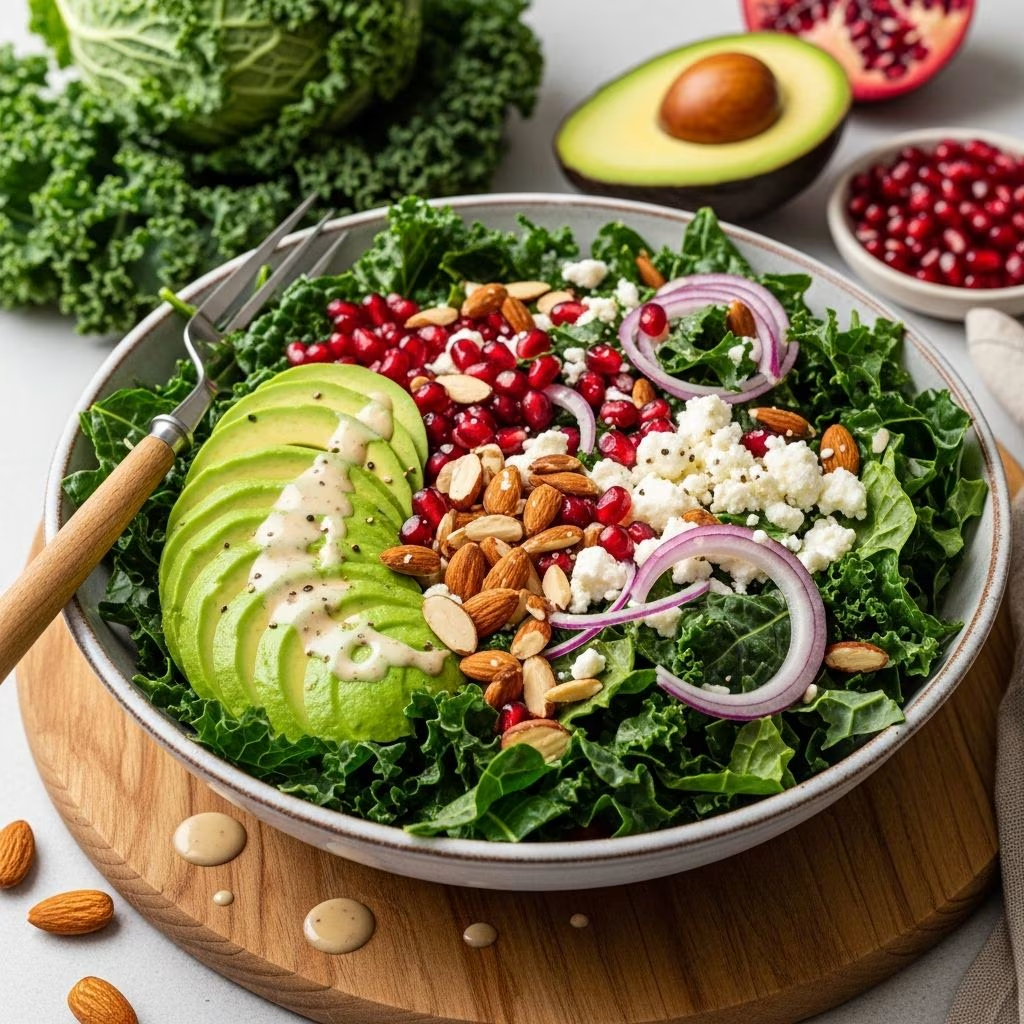
Kale has earned its crown as a superfood for good reason. Packed with vitamins A, C, and K, fiber, and antioxidants, this leafy green offers a powerhouse of nutrition in every bite. Yet, its notoriously tough texture can deter even seasoned eaters. The key to an unforgettable kale salad lies in proper preparation, thoughtful flavor balancing, and creative assembly. This guide dives deep into crafting salads that are not just healthy but irresistibly delicious, suitable for meal prep, potlucks, or everyday lunches.
Why Kale Deserves a Spot in Your Salad Bowl
Unlike delicate lettuces that wilt under dressing, kale stands up to bold flavors and storage, making it ideal for make-ahead meals. Its robust leaves hold dressings for days without sogginess. Nutritionally, one cup of raw kale delivers over 100% of your daily vitamin K needs, supporting bone health and blood clotting. Studies from the USDA highlight kale’s high antioxidant content, which combats oxidative stress linked to chronic diseases.
Choosing the right variety matters. Curly kale offers the most crunch, lacinato (dinosaur) kale a silkier texture, and red Russian a milder taste. Opt for organic when possible to minimize pesticide exposure, as recommended by the Environmental Working Group.
Essential Tools and Ingredients for Success
Stock your kitchen with these basics:
- Fresh kale: 1 large bunch (about 8-10 cups chopped)
- Acid base: Lemon juice, apple cider vinegar, or balsamic
- Oil: Olive, avocado, or nut oils for emulsification
- Sweetener: Honey, maple syrup, or dates
- Salt: Sea salt or flaky for tenderizing
- Add-ins: Nuts, seeds, fruits, cheeses, proteins
Tools include a sharp knife for fine chopping, a large bowl for massaging, and a whisk or jar for dressings. No fancy gadgets required.
Step-by-Step: Prepping Kale Like a Pro
The magic starts with de-stemming. Hold the stem end and strip leaves with your thumb and forefinger—quick and efficient. Wash thoroughly in cold water, then dry using a salad spinner or towels to ensure dressing clings properly.
Mastering the Massage Technique
Massaging kale breaks down tough fibers, making it tender and enhancing digestibility. Here’s how:
- Chop kale into bite-sized pieces, ribs removed.
- Sprinkle with 1/2 tsp salt and 1 tbsp acid (lemon juice works best).
- Using clean hands, squeeze and rub leaves for 2-5 minutes until color darkens and volume reduces by half.
- Taste-test: Leaves should be soft like spinach.
This method activates enzymes that soften cellulose, per food science insights from Harvard’s nutrition resources. For extra tenderness, let massaged kale rest 10-30 minutes.
Crafting Dressings That Elevate Every Bite
A great dressing ties everything together. Aim for a 3:1 oil-to-acid ratio, balanced with sweetness and umami.
| Dressing Type | Key Ingredients | Best Pairings |
|---|---|---|
| Citrus Vinaigrette | Olive oil, lemon, Dijon, honey | Fruits, nuts, goat cheese |
| Tahini Lemon | Tahini, lemon, garlic, water | Chickpeas, avocado, seeds |
| Maple Balsamic | Balsamic, olive oil, maple, mustard | Dried cranberries, apples, cheddar |
| Peanut Ginger | Peanut butter, soy, ginger, rice vinegar | Mango, cucumber, chicken |
Whisk or shake in a jar until emulsified. Start with 1/4 cup dressing per 8 cups kale, adjusting to taste. Dress just before serving or marinate massaged kale overnight for deeper flavor infusion.
Flavor Profiles: Building Balanced Combinations
Great salads balance sweet, sour, salty, bitter, and umami. Divide your bowl into layers:
- Base (40%): Massaged kale
- Sweet (15%): Apples, pears, pomegranate, roasted squash
- Acid crunch (15%): Pickles, onions, radishes
- Protein/fat (15%): Quinoa, eggs, salmon, feta
- Texture boost (15%): Toasted almonds, sunflower seeds, croutons
Seasonal Twists for Year-Round Appeal
Summer: Tomatoes, corn, basil, mozzarella.
Fall: Butternut, apples, sage, pecans.
Winter: Citrus, beets, goat cheese, walnuts.
Spring: Strawberries, asparagus, feta, mint.
Experiment with global inspirations: Add miso for Japanese flair or harissa for North African heat.
Make-Ahead and Storage Strategies
Kale salads shine in meal prep. Store undressed kale in an airtight container for 5 days. Add dressing and toppings right before eating. Fully dressed versions last 3-4 days in the fridge. Pro tip: Keep wet ingredients separate to maintain crispness.
Nutrition Breakdown and Health Benefits
A basic 2-cup serving (with nuts, fruit, cheese) clocks in at 300-400 calories, 15g protein, 10g fiber. Kale’s glucosinolates may reduce cancer risk, as noted in NIH studies. Pair with vitamin C-rich foods to boost iron absorption.
Frequently Asked Questions
Can I eat kale salad every day?
Yes, in moderation. Rotate greens to avoid excess vitamin K interfering with blood thinners. Consult a doctor if on medication.
Is massaging kale necessary?
Absolutely for tenderness. Skipping it leaves chewy leaves.
How do I make it vegan?
Swap cheese for nutritional yeast or tofu; use maple instead of honey.
What’s the best kale variety for salads?
Lacinato for tenderness, curly for crunch.
Can I freeze kale for salads?
Freeze chopped kale for smoothies, but thaw ruins salad texture.
Advanced Techniques for Foodies
Elevate with quick-pickled onions (vinegar soak 30 mins), roasted garlic in dressings, or dehydrated kale chips as toppers. Infuse oils with herbs for custom flavors. For crowds, scale up and serve in a trifle dish for visual wow.
Incorporate fermented elements like sauerkraut for gut health probiotics. Experiment with grains: Farro adds chew, freekeh a smoky note.
Troubleshooting Common Pitfalls
- Too bitter? More sweet acid balance.
- Soggy? Dress lightly, pat dry add-ins.
- Not tender? Massage longer or use baby kale.
- Bland? Salt generously, add umami (parmesan, soy).
With practice, kale salads become intuitive. Track winning combos in a journal for repeatability.
Whether you’re a health enthusiast or flavor chaser, mastering kale opens doors to endless variations. This versatile dish proves nutritious eating needn’t be boring. Start with one recipe, then riff endlessly.
References
- National Nutrient Database for Standard Reference — USDA Agricultural Research Service. 2023-05-15. https://fdc.nal.usda.gov/fdc-app.html#/food-details/168421/nutrients
- Dirty Dozen Produce List — Environmental Working Group. 2025-06-12. https://www.ewg.org/foodnews/summary.php
- Glucosinolates in Brassica Vegetables — National Institutes of Health (PubMed). 2022-11-08. https://pubmed.ncbi.nlm.nih.gov/32365651/
- Harvard T.H. Chan School of Public Health: Vegetables and Fruits — Harvard University. 2024-03-20. https://www.hsph.harvard.edu/nutritionsource/what-should-you-eat/vegetables-and-fruits/
- USDA MyPlate: Dark Green Vegetables — USDA. 2024-09-01. https://www.myplate.gov/eat-healthy/vegetables