The gin and tonic stands as one of the most celebrated cocktails in history, revered for its elegant simplicity and refreshing character. Despite requiring only a handful of ingredients, creating a truly exceptional gin and tonic demands understanding of proportions, ingredient quality, and technique. This guide explores the foundational principles and advanced methods that elevate this classic drink from ordinary to extraordinary.
Understanding the Foundation of This Timeless Cocktail
The beauty of a gin and tonic lies in its minimalist composition. With typically just three core components—gin, tonic water, and citrus—this cocktail demonstrates how simplicity combined with quality creates sophistication. Because the drink contains so few elements, each ingredient becomes critically important. There is no room for mediocre components to hide or be masked by complex flavor interactions.
The drink’s history intertwines with colonial-era traditions when gin was used to mask the medicinal qualities of tonic water, which contains quinine. Over time, this practical combination evolved into a refined beverage enjoyed globally. Today’s version celebrates the original concept while emphasizing premium ingredients and careful preparation.
Selecting Quality Gin as Your Primary Spirit
The gin you choose serves as the foundation for your entire drink. London Dry style gins remain the traditional and most popular choice for this cocktail. This classification indicates a specific production standard emphasizing juniper prominence while incorporating complementary botanical elements. When shopping for gin, consider these important factors:
- Juniper character: The dominant botanical should provide piney, woodsy notes rather than being overpowered by other flavors
- Botanical balance: Look for gins with multiple botanicals that work in harmony rather than competing for attention
- Proof and body: Mid-range proof gins (typically 80-94 proof) work well without dominating the drink
- Personal preference: Your taste preferences matter more than expensive price tags
Popular options range from classics to contemporary selections. Bombay Sapphire offers a smooth, balanced profile that allows its character to shine without overwhelming other components. For those seeking lighter, less juniper-forward expressions, Hendrick’s provides an alternative with its distinctive cucumber notes. Tanqueray delivers classic London Dry character appreciated by traditionalists. Rather than defaulting to whatever bottle appears first, taste different options to discover your preferred style.
Choosing Tonic Water That Complements Rather Than Dominates
Tonic water quality significantly impacts the final drink. Commercial tonic waters vary dramatically in their botanical profiles, sweetness levels, and carbonation intensity. Premium tonic waters typically contain higher-quality quinine extracted from natural sources and use better botanical infusions than mass-market alternatives.
Fever-Tree represents one of the most respected premium tonic water brands, available in multiple varieties including Mediterranean and elderflower expressions. Q Tonic offers a drier profile that some drinkers prefer. When selecting tonic water, consider these characteristics:
- Carbonation level—some prefer robust fizz while others enjoy gentler bubbles
- Sweetness profile—ranges from bone dry to slightly sweet
- Botanical notes—from traditional to specialized flavors
- Quinine intensity—affects the characteristic bitter edge
Experimentation reveals which tonic waters complement your chosen gin. Some combinations create harmonious partnerships while others clash. Dedicating an evening to sampling various pairings transforms the selection process into an enjoyable exploration of flavor.
The Critical Role of Proportions in Achieving Balance
The ratio of gin to tonic water fundamentally determines your drink’s character. Three primary ratios define the spectrum of possibilities:
| Ratio | Gin Amount | Tonic Amount | Drink Character |
|---|---|---|---|
| 1:1 | 2-3 ounces | 2-3 ounces | Assertive, spirit-forward, strongest profile |
| 1:2 | 2 ounces | 4 ounces | Balanced, versatile, widely preferred |
| 1:3 | 2 ounces | 5-6 ounces | Light, refreshing, tonic-forward |
The 1:2 ratio provides the sweet spot for most drinkers, delivering sufficient gin character while maintaining refreshing qualities. However, personal preference ultimately guides your choice. Those enjoying spirit-forward cocktails may prefer the 1:1 proportion, while those seeking a lighter, more refreshing beverage might opt for 1:3.
Ice Selection and Temperature Management
Ice serves purposes beyond simple chilling. Quality ice prevents dilution while maintaining proper temperature. Use plenty of ice cubes to fill your glass—this seems obvious but many home bartenders underestimate ice quantity. More ice means less rapid melting and maintains consistent drink temperature throughout consumption.
Large format ice cubes melt more slowly than standard ice, reducing unwanted dilution. If available, using premium ice elevates the experience. At minimum, ensure your ice comes from fresh water and hasn’t absorbed flavors from your freezer. Some mixologists recommend chilling the glass before pouring to further minimize temperature loss.
Fresh Citrus as the Essential Third Component
Limes traditionally garnish and flavor the gin and tonic. Fresh lime juice or expressed lime oils add brightness and balance the spirits’ intensity. Rather than using bottled lime juice, fresh squeezed provides superior flavor and aroma.
Preparation methods vary based on preference. Some drinkers prefer squeezing lime wedges directly into the drink before stirring. Others express lime zest to release oils across the surface, then garnish with the wedge. Adding actual lime juice—approximately one-half ounce—intensifies the citrus character.
For variations, lemon offers a different citrus profile with brighter acidity. Blood orange provides beautiful color and unique sweetness. Grapefruit introduces deeper notes with slight bitterness. Experimenting with different citrus options reveals how dramatically garnish selection affects the overall experience.
Glassware Selection and Presentation
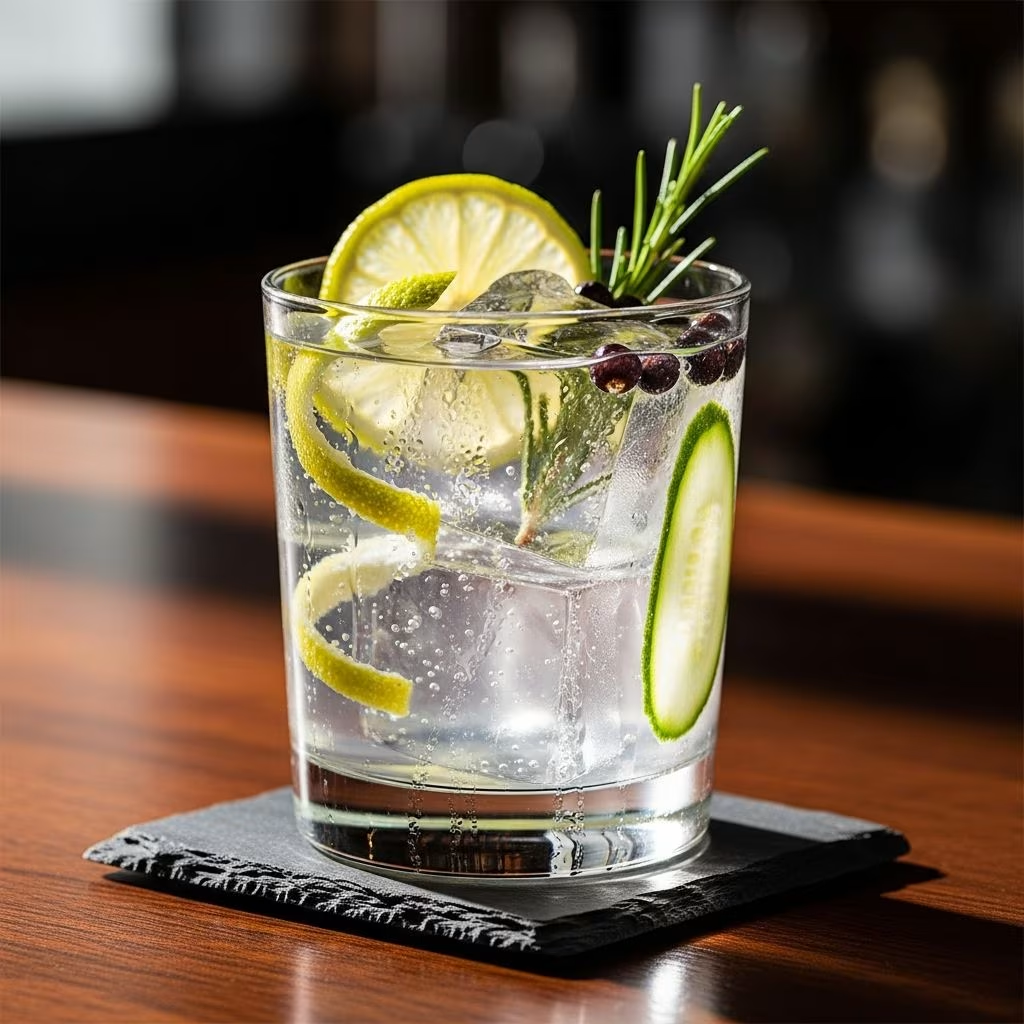
While gin and tonics can be served in various glasses, certain vessels optimize the drinking experience. A highball glass stands as the traditional choice, providing adequate height for ice and tonic while concentrating aromas. Rocks glasses work well for those preferring lower-volume servings. Wine glasses and specialized gin glasses have gained popularity as presentation vessels that showcase the drink’s clarity and color.
Glass choice influences not just aesthetics but also the drinking experience. Tall glasses allow carbonation to persist longer. Wider vessels expose more surface area, potentially affecting aroma perception. Choose glassware that makes you feel elegant while holding practical volume.
Preparation Technique for Optimal Results
Method matters when constructing your cocktail. Follow this sequence for consistent results:
- Fill your chosen glass with quality ice, packing it generously
- Pour your selected gin amount into the ice
- Top with tonic water, filling to near the rim
- Stir gently to combine—avoid vigorous stirring which damages carbonation
- Express citrus garnish over the surface to release oils
- Drop the citrus piece into the drink
- Serve immediately
Timing proves important—prepare your drink immediately before consumption to preserve carbonation. Allowing it to sit diminishes the refreshing fizz that defines the experience.
Beyond Tradition: Creative Garnish Options
While lime remains the classic choice, numerous garnish alternatives expand the flavor profile. Cucumber slices complement gin styles featuring floral or herbal notes, particularly with lighter gins. Juniper berries add visual interest and reinforce botanical character. Fresh herbs like rosemary, thyme, or basil introduce aromatic complexity.
Blood orange slices create striking visual presentation while adding subtle sweetness. Grapefruit introduces deeper citrus notes with slight bitterness. Fresh berries muddled gently before pouring add fruit-forward complexity. Even unconventional options like edible flowers can elevate your presentation for special occasions.
When using alternate garnishes, consider adjusting other components. A cucumber-garnished drink pairs beautifully with gentler, more floral tonic varieties. Herb-forward garnishes work well with botanical-forward gin selections. Matching your garnish to your core ingredients creates cohesive flavor profiles rather than disjointed combinations.
Creative Variations Expanding Your Repertoire
The Sweeter Version: For those finding traditional gin and tonics too dry, adding simple syrup balances the bitterness. Begin with one-half ounce and adjust to taste. Pair this variation with herb garnishes like rosemary to maintain sophistication while increasing sweetness.
Botanical-Infused Expression: Homemade gin infusions allow complete flavor control. Add five to ten grams of your chosen botanicals—perhaps fresh berries, citrus peel, or dried flowers—to a bottle of gin. Seal tightly and allow to steep for two to seven days depending on desired intensity. Strain through cheesecloth before using. These custom infusions create personalized gin and tonics reflecting your taste preferences.
Champagne Variation: Substitute approximately one-third of the tonic water with champagne or sparkling wine for celebratory occasions. This addition elevates the drink without completely transforming it, creating a festive twist on the classic formula.
Berry-Forward Version: Gently muddle fresh berries—blackberries or raspberries work beautifully—in your glass before adding ice and spirits. This introduces subtle fruit character without overwhelming the gin’s botanical profile. Add a basil garnish for herbal complexity.
Pink Peppercorn Creation: Lightly muddle pink peppercorns to release their subtle spicy notes. Combine with fresh grapefruit juice for brightness, then complete with gin and tonic water. A thick grapefruit slice garnish provides visual appeal and flavor reinforcement.
Temperature and Serving Considerations
Proper temperature transforms the drinking experience. Ice-cold drinks maximize refreshment and carbonation preservation. Pre-chilling your glass before pouring ensures the coldest possible serving temperature. Conversely, allowing ice to melt slightly during consumption can actually enhance flavor as subtle dilution opens up botanical notes.
Serve immediately after preparation. Gin and tonics don’t improve with time sitting on countertops or tables. The carbonation diminishes, ice melts excessively, and flavors begin separating. The ideal gin and tonic is consumed fresh, cold, and fizzy.
Common Mistakes to Avoid
Even with simple recipes, certain missteps undermine quality. Using insufficient ice allows rapid dilution before the drink is consumed. Neglecting ice quality or using old ice that absorbed freezer flavors impacts the entire experience. Substituting bottled lime juice for fresh eliminates bright citrus character. Using cheap, mass-market tonic water diminishes the entire drink regardless of premium gin quality. Excessive stirring damages carbonation.
Overcomplicating simple drinks by adding unnecessary ingredients removes the gin and tonic’s essential charm. Similarly, using substandard gin undermines the entire preparation. Remember that with so few components, quality matters proportionally more than in complex cocktails.
Frequently Asked Questions About Gin and Tonics
What is the ideal serving temperature?
Gin and tonics should be served extremely cold, ideally between 35-40°F. Fill your glass generously with ice before pouring to achieve and maintain this temperature throughout consumption.
Can I prepare gin and tonics in advance?
No—these cocktails lose quality if prepared ahead. The carbonation dissipates, ice melts excessively, and flavors separate. Prepare each drink immediately before serving for optimal results.
Does gin quality really matter that much?
Yes, significantly. With only three primary components, each ingredient’s quality proportionally affects the finished drink. Premium gin provides superior botanical complexity and balance compared to budget options.
Should I use filtered or tap water ice?
Filtered water produces superior ice compared to tap water, which may contain minerals affecting taste. Using ice that absorbed freezer odors ruins the entire drink, so store ice carefully.
What’s the difference between gin styles?
London Dry emphasizes juniper with botanical balance. Sloe gin adds berry sweetness. Genever features grain character. Plymouth offers distinctive terroir. Each style creates different flavor profiles in your final drink.
Can I use diet or zero-sugar tonic water?
Absolutely—quality matters more than sugar content. Many premium tonic waters now offer reduced-sugar options without sacrificing flavor complexity or botanical character.
Conclusion: Mastering the Art of Simplicity
The gin and tonic teaches an important lesson about cocktail creation: exceptional results emerge from respecting quality ingredients and understanding fundamental technique. Rather than complex recipes or numerous components, this classic demonstrates how thoughtful preparation and premium selections combine to create genuinely satisfying drinks.
Begin with a quality London Dry gin you genuinely enjoy. Select a premium tonic water that complements your spirit choice. Use fresh citrus and plenty of excellent ice. Master the basic proportions and preparation method. From this foundation, explore variations that express your personal preferences.
The perfect gin and tonic isn’t determined by following rigid rules but rather by understanding principles and applying them to create drinks that satisfy your palate. Experiment, taste critically, and refine your approach. Over time, you’ll develop an intuitive sense for balancing gin and tonic that transforms this simple cocktail into your personal masterpiece.
References
- The Best Gin and Tonic Recipe (Is a Stiff One) — Umami Girl. Accessed April 2026. https://umamigirl.com/make-gin-tonic/
- Fizzy Finesse: The Best Gin And Tonic Recipes — Hush and Whisper. Accessed April 2026. https://hushandwhisper.com/gin/fizzy-finesse-the-best-gin-and-tonic-recipes/
- Gin and Tonic Cocktail — A Beautiful Mess. Accessed April 2026. https://abeautifulmess.com/gin-and-tonic-cocktail/