Vegetarian chili stands as one of the most versatile and satisfying plant-based dishes available to home cooks. Unlike common misconceptions, the absence of meat does not diminish the depth of flavor or the hearty, warming quality that makes chili a beloved cold-weather staple. By understanding the fundamental building blocks of exceptional vegetarian chili and mastering the cooking techniques that bring them together, you can create a dish that rivals any traditional preparation.
Understanding the Foundation of Vegetarian Chili
The success of any vegetarian chili begins with understanding how to layer flavors and create complexity without relying on meat. The key lies in building a strong aromatic base, selecting the right combination of beans and vegetables, and using spices strategically to develop depth. When properly executed, vegetarian chili becomes a showcase for how plant-based ingredients can deliver the same satisfaction and comfort as meat-based versions.
Vegetarian chili works exceptionally well as both a weeknight dinner and a make-ahead meal for batch cooking. It freezes beautifully, making it an ideal choice for meal preparation. The longer it sits, the more flavors meld together, which means leftovers often taste even better than the initial serving.
Essential Ingredients for Building Flavor
The Aromatic Foundation
Every exceptional chili begins with a carefully prepared aromatic base. This foundation typically includes onion, garlic, and bell peppers that are sautéed until they become soft and fragrant. The choice to sauté these vegetables before adding other ingredients is not merely a cooking step—it’s a flavor-building technique that mellows the raw sharpness of the aromatics and allows them to release their natural sugars.
Beyond the classic trio, many recipes benefit from the addition of carrots and celery ribs, which add subtle sweetness and complexity. Some preparations include jalapeños or other fresh chiles for a grassy heat that complements the earthiness of chili powder. The size and uniformity of your chopped vegetables matter more than most home cooks realize; roughly equal pieces cook at the same rate and create a more cohesive texture throughout the finished dish.
Selecting Your Beans
The choice of beans fundamentally shapes the character of your chili. Most traditional vegetarian versions combine multiple bean varieties to achieve both textural interest and nutritional balance. Black beans provide earthiness and a slightly firmer texture, kidney beans offer a meatier consistency and mild flavor, while pinto beans add a creamier element when they begin to break down during cooking.
Using canned beans offers convenience without sacrificing quality, provided you rinse and drain them thoroughly to remove excess sodium and the thick packing liquid that can muddy flavors. If you prefer dried beans, remember that they require advance preparation but often deliver superior texture and allow you to control sodium content from the beginning.
Tomato Selection and Its Impact
The tomato component serves as both the liquid base and a primary flavor contributor to your chili. Fire-roasted diced tomatoes have become the preferred choice among experienced cooks because they contribute a naturally smoky, complex depth that regular diced varieties cannot match. The roasting process develops the tomatoes’ natural sugars and creates a caramelized quality that enhances overall flavor complexity.
Crushed tomatoes offer an alternative that creates a different texture—finer and more sauce-like—which some cooks prefer for achieving their desired consistency. The choice between diced and crushed ultimately depends on whether you want visible tomato pieces or a more integrated sauce. Whichever you select, using the best quality canned tomatoes available will noticeably improve your final result.
Building the Spice Profile
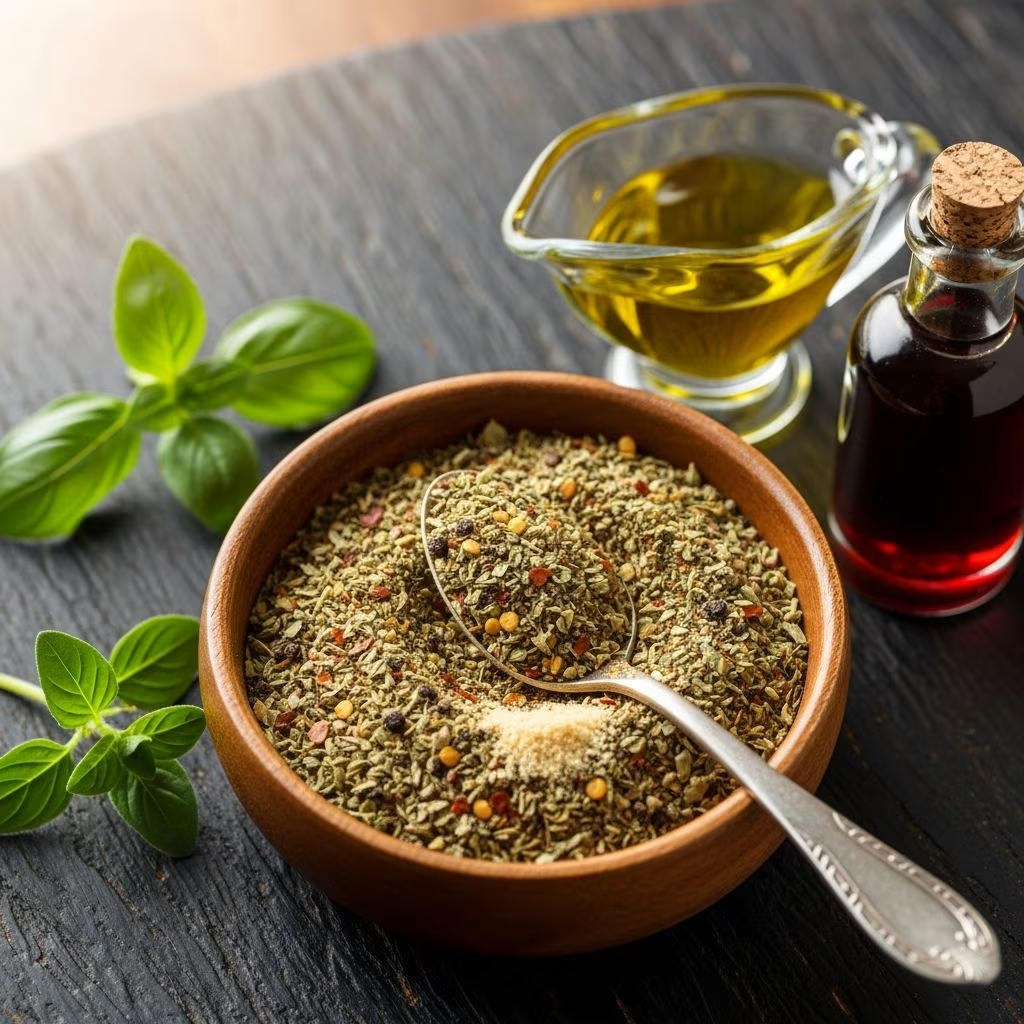
The spice blend is where vegetarian chili transforms from a simple bean stew into something with genuine character. The core components typically include chili powder, ground cumin, dried oregano, paprika, and cayenne pepper, with quantities adjusted according to your heat preference. Rather than adding all spices simultaneously, the technique of blooming them—stirring them in oil for 30 seconds to a minute before adding other ingredients—releases their essential oils and intensifies their flavor contribution.
Smoked paprika deserves special consideration in vegetarian chili because it mimics some of the smoky undertones traditionally associated with meat-based versions. Garlic powder and salt round out the blend, though freshly ground black pepper should always be adjusted to taste at the end of cooking rather than determined beforehand.
Advanced Ingredient Considerations
Texture Modifiers
Many vegetarian chili recipes incorporate ingredients that replicate the textural element traditionally provided by ground meat. Quinoa offers a light, grainy texture that adds substance without heaviness. Bulgur wheat provides a slightly firmer bite and absorbs flavors readily. Some preparations use mushrooms—particularly sautéed and finely chopped varieties—to contribute umami depth and a meaty mouthfeel.
Pearl barley presents another interesting option that creates a hearty, chewy element while adding nutritional value through its fiber content. The choice among these options depends on your dietary preferences and the final texture you envision. Each brings distinct characteristics that influence not just mouthfeel but also how the chili ages and how well it holds together during reheating.
Flavor Amplifiers
Certain ingredients function as flavor amplifiers without announcing their presence. Soy sauce contributes umami depth, particularly valuable in vegetarian preparations where the savory complexity of meat is absent. Chipotle peppers in adobo sauce add smoky heat and complexity. Corn provides textural contrast and subtle sweetness that balances the earthiness of beans and spices.
Sweet potatoes, cubed and cooked within the chili, develop a tender texture while contributing natural sweetness that rounds out the spice profile. Bay leaves add subtle herbal complexity without dominating the final flavor. These secondary ingredients work quietly in the background but collectively create the difference between pedestrian and exceptional vegetarian chili.
Cooking Techniques That Ensure Success
The Sauté Stage
Begin by heating olive oil in a large pot or Dutch oven over medium-high heat. Add your chopped aromatic vegetables and sauté for five to seven minutes, stirring frequently to ensure even cooking. This stage should not produce browning—you want the vegetables to soften and release their flavors into the oil, not to caramelize. The point is to develop sweetness and mellow sharpness, which happens through gentle heat and adequate time.
The Spice Blooming Process
Once your vegetables have softened, reduce heat to medium and add your spice blend. Stir constantly for approximately 30 seconds to one minute, allowing the spices to warm through and release their aromatic compounds into the oil. This bloom stage prevents the spices from tasting raw or one-dimensional in your final dish. The aroma at this point should be noticeably intense and complex—a sign that the technique is working correctly.
Building the Body
Add your tomatoes, beans, broth or water, and any textural modifiers you’ve chosen. Stir everything together thoroughly, ensuring the spices are evenly distributed throughout the liquid. Bring the mixture to a boil, then immediately reduce the heat to maintain a gentle simmer. This transition is crucial—a rolling boil can break down the beans excessively and create an unattractive texture.
Simmer for 30 to 45 minutes, stirring occasionally to prevent sticking and to ensure even cooking. The chili is finished when the vegetables are tender, the beans have softened further but retain their shape, and the liquid has thickened somewhat as starches from the beans leach into the sauce. The finished chili should be thick enough that a spoon drawn through it leaves a trail that fills slowly.
Seasoning Adjustments and Final Refinement
Taste your chili when it reaches the desired thickness. At this point, you may need to adjust seasoning with additional salt and black pepper. Remember that flavors intensify as the chili sits and as liquid continues to reduce slightly during serving. It’s better to err on the side of underseasoning initially and adjust after a brief rest period.
If your chili seems too thin, continue simmering uncovered to allow more liquid to evaporate. If it seems too thick, you can thin it slightly with vegetable broth. Some cooks prefer to partially mash some of the beans against the side of the pot to release their starches and create a thicker overall consistency without adding additional ingredients.
Serving Suggestions and Toppings
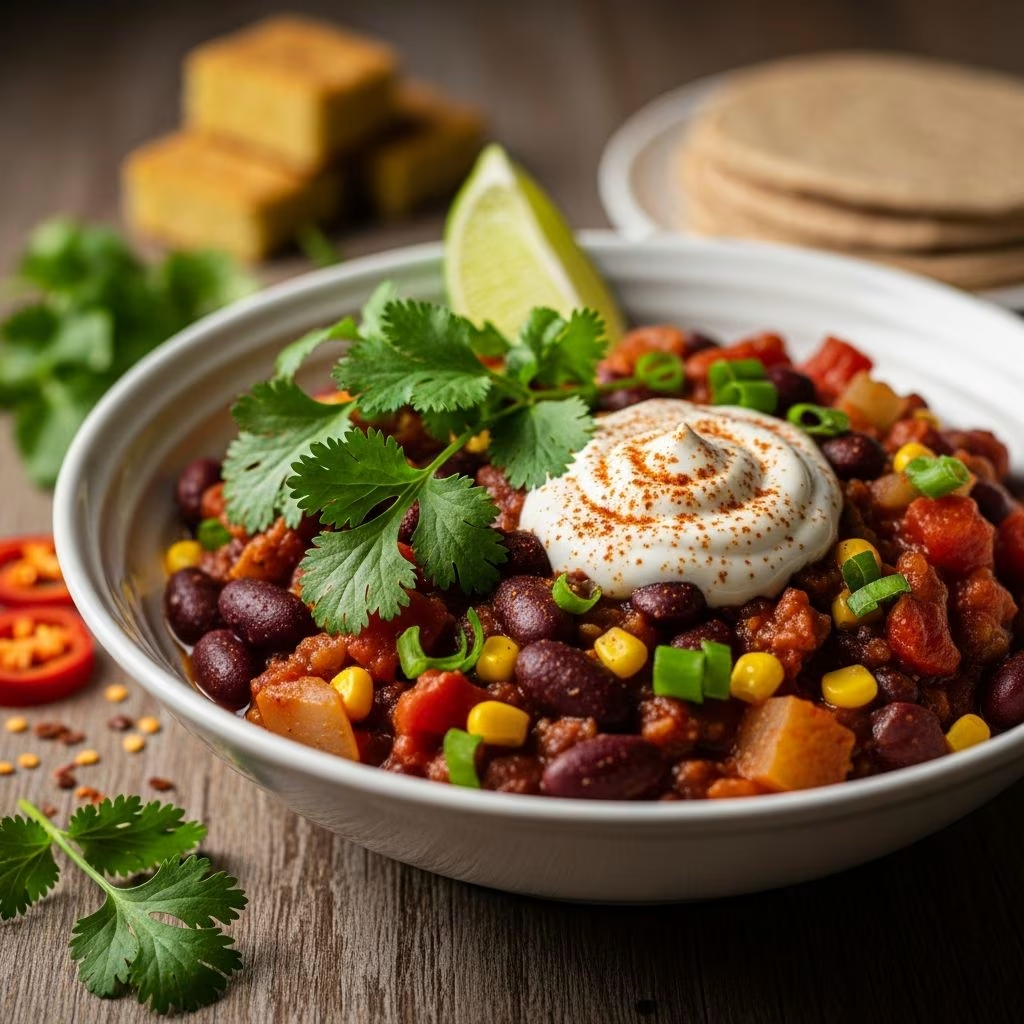
Vegetarian chili shines with thoughtful accompaniments. Fresh diced onion, sliced jalapeños, fresh cilantro, diced avocado, and a dollop of vegan sour cream or Greek yogurt all provide textural and flavor contrast. A squeeze of lime juice brightens the earthiness of the beans and spices. Crushed tortilla chips or cornbread crumbles add crunch. Some people enjoy grating dairy-free cheese over the top or serving with warm cornbread on the side.
The beauty of vegetarian chili is its adaptability to different serving contexts. It works equally well as a casual weeknight dinner, as a component of a larger meal, or as part of a layered dip with beans, rice, and cheese. It can be served at room temperature in summer applications or steaming hot during colder months.
Storage and Make-Ahead Strategies
Vegetarian chili stores beautifully in the refrigerator for up to five days in an airtight container. It also freezes exceptionally well for up to three months, making it an ideal candidate for batch cooking and weekend meal preparation. When freezing, leave slightly more headspace than usual in your container because the chili expands as it freezes.
To reheat, thaw overnight in the refrigerator and warm gently on the stovetop over medium heat, stirring occasionally and adding a splash of vegetable broth if the chili has become too thick. Reheated chili often tastes better than the initial serving because additional time allows the flavors to meld and develop further complexity.
Customization and Variations
The basic framework of vegetarian chili accommodates endless customization based on dietary preferences, available ingredients, and personal taste. If you prefer less heat, simply reduce the cayenne pepper or omit the jalapeños entirely. If you enjoy smokier notes, increase the smoked paprika or add liquid smoke. Different bean combinations create different characters—an all-black-bean chili will taste distinctly different from one with mixed varieties.
Regional variations in chili preparation offer inspiration for customization. Some traditions use tomato sauce rather than diced tomatoes, creating a smoother texture. Others incorporate unusual ingredients like chocolate for subtle depth or coffee for enhanced earthiness. Some versions skip fresh tomatoes entirely in favor of dried chiles that are rehydrated and blended into a sauce.
Frequently Asked Questions
Q: Can vegetarian chili be made vegan?
A: Yes, completely. Since most vegetarian chili recipes already exclude meat and dairy, simply ensure your spices are vegan, use vegetable broth rather than chicken broth, and skip dairy toppings like cheese and sour cream in favor of plant-based alternatives.
Q: How can I make my vegetarian chili thicker?
A: Continue simmering uncovered to allow more liquid to evaporate. Alternatively, mash some of the cooked beans against the pot’s side to release their starches, or incorporate a texture modifier like quinoa or bulgur that absorbs liquid.
Q: What vegetables work well in vegetarian chili?
A: Beyond the classic onion, garlic, and bell pepper base, carrots, celery, zucchini, sweet potatoes, corn, and mushrooms all integrate beautifully. Avoid vegetables with high water content that might make the chili watery.
Q: Can I use dried beans instead of canned?
A: Absolutely. Soak dried beans overnight, then cook them until tender before incorporating them into your chili. This gives you greater control over sodium content and often results in superior texture.
Q: How far in advance can I make vegetarian chili?
A: Make it up to five days ahead and refrigerate, or up to three months ahead and freeze. Many cooks find that chili tastes better after sitting for a day or two as flavors fully develop.
References
- Best Vegetarian Chili Recipe Ever — Ambitious Kitchen. https://www.ambitiouskitchen.com/best-vegetarian-chili-recipe/
- Homemade Vegetarian Chili — Cookie and Kate. https://cookieandkate.com/vegetarian-chili-recipe/
- Vegetarian Chili Recipe — Love and Lemons. https://www.loveandlemons.com/vegetarian-chili-recipe/
- Vegetarian Chili — The Modern Proper. https://themodernproper.com/vegan-chili
- Best Vegetarian Chili — A Couple Cooks. https://www.acouplecooks.com/vegetarian-chili-recipe/
- Best Vegetarian Chili Recipe — Delish. https://www.delish.com/cooking/recipe-ideas/a58719/easy-vegetarian-chili-recipe/
- The Best Vegetarian Chili: No Meat Required, Full of Flavor — America’s Test Kitchen. https://www.youtube.com/watch?v=2lsulUV3weg