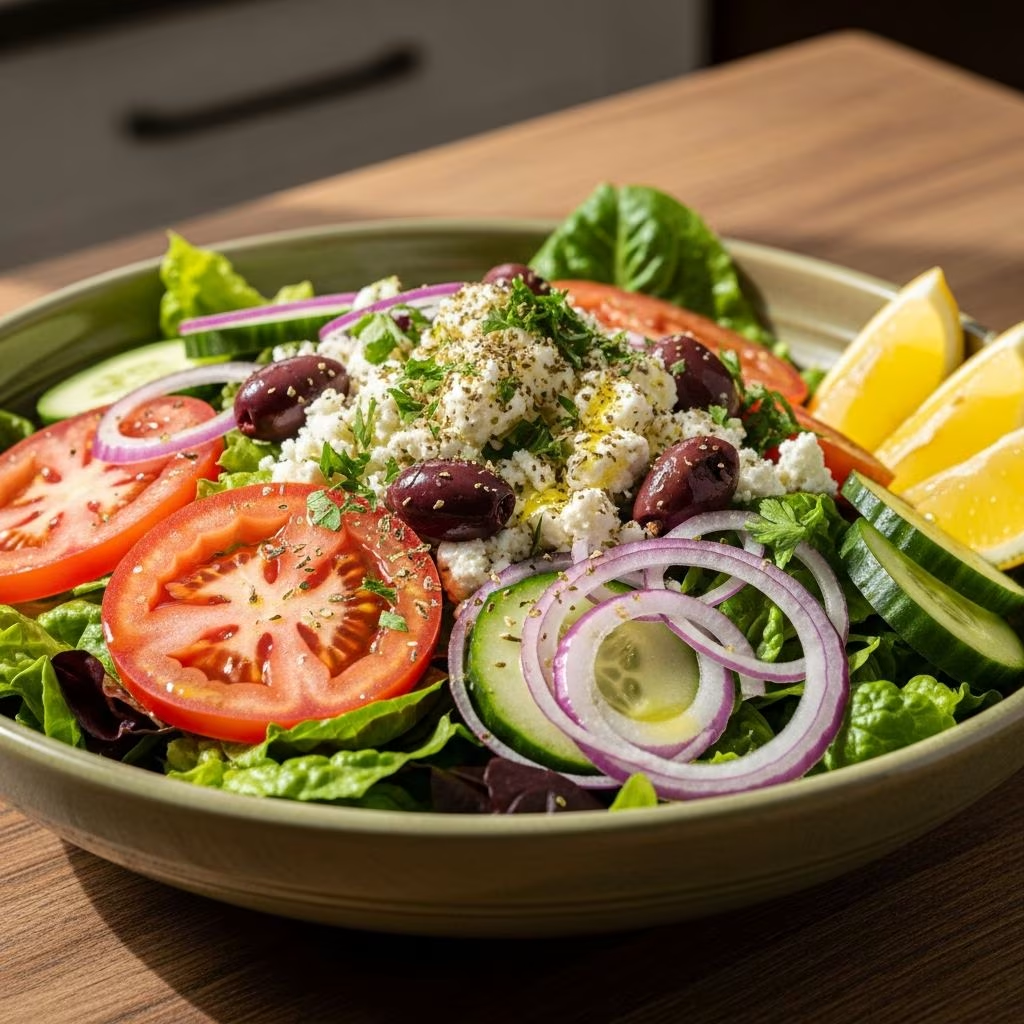
Mediterranean cuisine celebrates the bounty of fresh produce and simple preparation methods that highlight natural flavors. One of the most iconic dishes from this culinary tradition is the Mediterranean salad, a refreshing combination of crisp vegetables, briny olives, tangy cheese, and aromatic herbs united by a classic vinaigrette. This guide explores how to create these vibrant salads that capture the essence of seaside dining.
Understanding Mediterranean Salad Traditions
The Mediterranean salad represents more than just a collection of ingredients thrown together. It embodies a culinary philosophy that emphasizes quality produce, minimal processing, and letting each component shine. The beauty of this dish lies in its simplicity and versatility, allowing home cooks to adapt recipes based on seasonal availability and personal preferences.
Many people assume that traditional Mediterranean salads always contain lettuce or leafy greens as a base. However, authentic versions often skip this foundation entirely. The reason traces back to geography and seasonality. In Mediterranean regions, particularly Greece, fresh produce follows natural growing cycles. While tomatoes and cucumbers thrive during warm summer months, lettuce prefers cooler conditions and grows primarily in winter. This agricultural reality shaped traditional recipes, which feature cucumber, tomato, and onion as primary components rather than a bed of greens.
American and modern interpretations frequently deviate from this traditional approach by incorporating lettuce and additional vegetables. These adaptations create a different eating experience but remain delicious and nutritious in their own right. Understanding these distinctions helps cooks make informed choices about which style appeals to their palate and dietary preferences.
Core Ingredients and Their Selection
Building an exceptional Mediterranean salad begins with selecting high-quality, fresh ingredients. Each component contributes distinct flavors and textures that must work in harmony.
Essential Vegetables
Cucumbers form the foundation of most Mediterranean salads. English cucumbers or Kirby varieties work particularly well because they contain fewer seeds and have thinner skins than standard slicing cucumbers. Chopping cucumbers into bite-sized pieces ensures even distribution throughout the salad and makes each bite flavorful and manageable.
Tomatoes should be at peak ripeness for maximum flavor and sweetness. Cherry tomatoes offer several advantages: they maintain their structural integrity better when mixed with acidic dressing, provide bursts of concentrated flavor, and add visual appeal through their natural color variations. Halving cherry tomatoes rather than chopping them preserves their shape and prevents excessive juice release that can make the salad soggy.
Red onions contribute a sharp, peppery note that balances the sweetness of tomatoes and the richness of feta. Thinly slicing red onions and using them sparingly—about one-quarter of a medium onion—prevents the onion flavor from overwhelming other components. If you prefer a milder onion presence, allow the sliced onion to sit in cold water for ten to fifteen minutes before adding it to the salad; this process mellows the intensity while retaining the onion’s crisp texture.
Red bell peppers add both color and a subtle sweetness without introducing seeds and moisture like other pepper varieties. Dicing them into small, uniform pieces creates visual interest and ensures they distribute evenly throughout the salad.
Olives and Briny Elements
Both Kalamata and green olives appear in Mediterranean salads, each bringing distinct characteristics. Kalamata olives offer a deep, fruity flavor and buttery texture, while green olives provide a more assertive, briny taste with firmer texture. Using a combination of both types creates complexity and depth. Pitting olives before adding them to the salad improves the eating experience by eliminating the need for diners to navigate around pits while eating.
Cheese Selection
Feta cheese plays a starring role in Mediterranean salads, contributing saltiness, creaminess, and a distinctive tang. High-quality feta made from sheep’s milk or a sheep-goat milk blend offers superior flavor compared to mass-produced versions made entirely from cow’s milk. Dicing feta into small cubes rather than crumbling it ensures that each bite contains cheese and prevents it from becoming over-distributed or pulverized during tossing.
Herbs and Seasonings
Oregano represents the signature herb in Mediterranean salads, bringing warmth and earthiness. Fresh oregano delivers superior flavor to dried varieties, though dried oregano works acceptably when fresh is unavailable. One tablespoon of fresh minced oregano or one teaspoon of dried oregano adequately seasons a full-sized salad. Some variations incorporate fresh parsley for added freshness and visual appeal, while capers introduce additional briny complexity.
Crafting the Perfect Dressing
The dressing serves as the connective element that brings all ingredients together while infusing them with complementary flavors. A proper Mediterranean vinaigrette balances acidity, oil, and seasoning in proportions that coat vegetables without making them soggy.
The Acid Component
Red wine vinegar forms the foundation of traditional Mediterranean dressing, providing acidity that brightens flavors and helps preserve vegetables. One-quarter cup of red wine vinegar typically suits a full salad. Some variations incorporate lemon juice, either alone or combined with vinegar, for a fresher, brighter taste profile. Apple cider vinegar occasionally appears in modern interpretations, offering a slightly fruity note.
Oil Selection and Ratio
Extra virgin olive oil is essential for authentic Mediterranean salads, as it contributes fruity, complex flavors that refined oils cannot match. The traditional ratio of vinegar to oil follows a roughly one-to-one proportion, though personal preferences vary. Generally, one-third cup of olive oil balances one-quarter cup of vinegar. Some prefer a more acidic salad with slightly less oil, while others favor a richer, more oil-forward dressing.
Critical Preparation Technique
An important distinction separates mediocre salads from exceptional ones: the order in which ingredients are combined. Adding vinegar to vegetables first, before introducing olive oil, ensures proper emulsification and flavor distribution. When vinegar contacts vegetables directly, it penetrates and seasons them throughout. Adding oil afterward allows it to coat vegetables evenly without creating an oily barrier that prevents vinegar penetration. This technique requires about thirty seconds of vigorous stirring to fully incorporate all components.
Assembly and Timing Considerations
How and when you combine ingredients significantly impacts the final result. While many recipes suggest refrigerating the complete salad for extended periods, experimentation shows that timing matters.
For optimal flavor and texture, combine all ingredients—except feta—about thirty to sixty minutes before serving. This window allows flavors to meld while vegetables maintain adequate crispness. Beyond one hour, vegetables begin releasing excess moisture that dilutes the dressing and creates a watery consistency. Feta should be added just before serving to prevent it from absorbing excess moisture and becoming dense rather than creamy.
If preparing salad well in advance, make the dressing separately and store it in a sealed container. Keep chopped vegetables in separate containers until shortly before serving, then combine all components just before the event. This approach preserves both the vegetables’ texture and the dressing’s flavor intensity.
Ingredient Variations and Adaptations
| Traditional Mediterranean | American-Style Variation | Protein-Enhanced Version |
|---|---|---|
| Cucumber, tomato, onion, olives, feta | All traditional ingredients plus romaine lettuce, bell peppers, radishes | Grilled chicken breast, all salad ingredients, additional oregano in marinade |
| No lettuce base | Lettuce forms foundation | Optional lettuce with protein layer |
| Simple vinaigrette | May include additional seasonings | Dressing serves dual purpose as marinade |
Beyond standard versions, Mediterranean salads accommodate various additions and substitutions. Pepperoncini peppers introduce heat and vinegary complexity. Anchovies, though polarizing, provide umami depth and saltiness that amplifies other flavors. Fresh parsley brightens the overall profile, while stuffed grape leaves add textural interest and Mediterranean authenticity. Capers contribute pops of briny flavor throughout.
For protein-enhanced versions, grilled chicken breast works exceptionally well. Marinating chicken in the same vinaigrette used for the salad ensures flavor coherence. Grill chicken strips for three to four minutes per side until cooked through but still moist, then cool slightly before slicing into chunks. This approach transforms the salad from a light side dish into a complete meal.
Nutritional Considerations
Mediterranean salads offer substantial nutritional value beyond their appealing taste. The combination of fresh vegetables provides vitamins, minerals, and dietary fiber essential for good health. Olives and olive oil contribute monounsaturated fats linked to cardiovascular health. Feta cheese supplies calcium and protein. Oregano contains antioxidants and anti-inflammatory compounds.
The dressing ratios in Mediterranean salads create dishes that remain relatively low in calories while delivering satisfying richness from the oil component. A typical serving of one cup contains approximately 150-200 calories depending on exact ingredient proportions, with the majority from healthy fats in olive oil and feta.
Storage and Make-Ahead Tips
Preparing components in advance streamlines weeknight dinners while ensuring optimal freshness and texture. Store chopped cucumbers, tomatoes, and onions in separate airtight containers in the refrigerator for up to two days. Olives keep well for several days, as their brined environment preserves them naturally. Feta cheese should remain in its brine until shortly before serving.
The vinaigrette stores beautifully in sealed glass containers for up to one week. Shake well before using, as oil and vinegar naturally separate during storage. This preparation strategy allows quick salad assembly even on busy evenings—simply combine prepared vegetables and dressing about thirty minutes before the meal.
Seasonal Adaptations
While Mediterranean salads shine during summer when tomatoes and cucumbers peak, adaptations extend their appeal year-round. Winter versions might incorporate roasted red peppers, hearty greens, and preserved vegetables while maintaining the essential character. Spring brings tender vegetables and fresh herbs that update the classic formula. Fall allows inclusion of grapes or pomegranate seeds for sweetness and visual appeal.
Frequently Asked Questions
Can I make Mediterranean salad without lettuce?
Absolutely. Traditional Mediterranean salads do not include lettuce. The classic version relies on cucumber, tomato, onion, olives, and feta as its foundation, creating a satisfying dish without any greens.
How long can I store prepared salad?
Undressed vegetables keep well for up to two days when stored separately in airtight containers. Once dressed, the salad is best consumed within thirty to sixty minutes for optimal texture and flavor, though it remains edible for up to several hours.
Should I refrigerate the completed salad?
Refrigerating for an hour allows flavors to develop and meld slightly. However, extended refrigeration beyond this point results in progressively softer vegetables and diluted dressing as vegetables release moisture.
What type of olives works best?
Both Kalamata and green olives work excellently. Kalamata olives offer fruity, buttery characteristics, while green olives provide assertive, briny notes. Combining both creates complexity and depth.
Can I prepare this salad the day before?
Yes, but prepare components separately. Store chopped vegetables and dressing in separate containers, then combine about thirty to sixty minutes before serving to preserve texture and flavor.
Mastering the Balance
Creating an exceptional Mediterranean salad ultimately depends on understanding how each ingredient contributes to the whole and respecting the balance between components. Fresh, high-quality ingredients require minimal intervention—a good vinaigrette, proper timing, and careful assembly transform simple vegetables into a dish that captures the essence of Mediterranean cuisine.
Whether serving as a side dish, light lunch, or foundation for a protein-enhanced main course, Mediterranean salads offer versatility and nutrition wrapped in vibrant colors and fresh flavors. By mastering these fundamental principles and techniques, home cooks can create restaurant-quality salads that transport diners to sun-soaked Mediterranean coastlines with each bite.
References
- Mediterranean Diet Foundation: Culinary Heritage and Traditional Recipes — Mediterranean Diet Foundation. 2024. https://www.oldwayspt.org/
- Nutritional Composition and Health Benefits of Extra Virgin Olive Oil — International Olive Council. 2024. https://www.internationaloliveoil.org/
- Seasonal Vegetable Production and Culinary Applications — United States Department of Agriculture. 2024. https://www.usda.gov/
- Fresh Herbs in Mediterranean Cuisine: Oregano Varieties and Flavor Profiles — Herbs Society. 2023. https://www.herbsociety.org/
- Food Safety Guidelines for Fresh Produce Storage and Preparation — Food and Drug Administration. 2024. https://www.fda.gov/