Understanding the Foundation of Yellow Curry
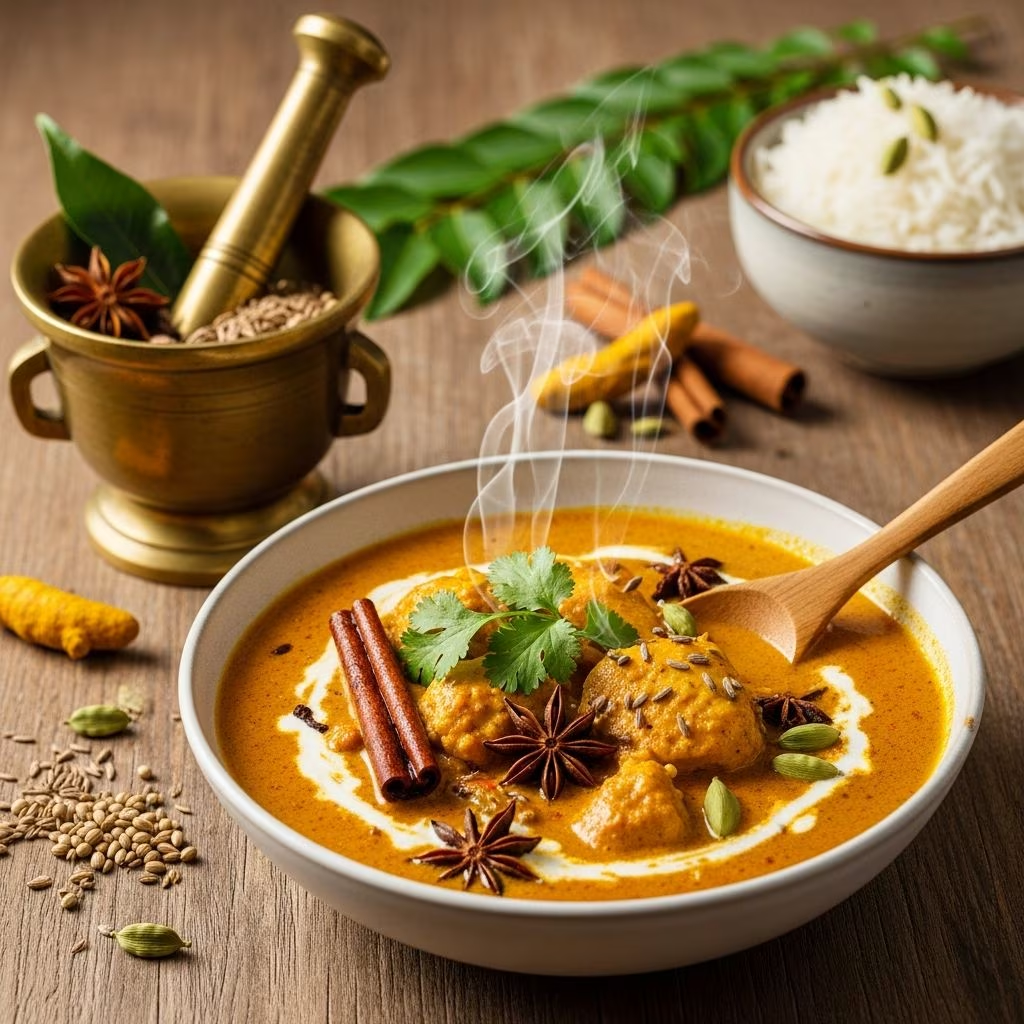
Yellow curry represents one of the most approachable entries into Thai cuisine for home cooks. The distinctive golden hue comes from turmeric and curry paste, which form the aromatic backbone of this beloved dish. Unlike its red or green counterparts, yellow curry delivers a milder heat profile while maintaining complex flavor layers that develop through careful ingredient selection and cooking technique. The beauty of this curry lies in its versatility—it accommodates various protein options, but chicken remains the classic choice for its neutral flavor that allows supporting ingredients to shine.
The foundation of any successful yellow curry begins with understanding how individual components work together. The coconut milk provides richness and balance, while fresh aromatics create depth. Proper technique in layering these flavors transforms simple ingredients into a dish that rivals restaurant offerings.
Essential Components and Selection Criteria
Protein Selection and Preparation
Choosing the right chicken cut significantly impacts the final dish’s texture and flavor absorption. Boneless, skinless chicken thighs offer superior moisture retention compared to breast meat, though both options work effectively. Cut chicken into uniform pieces—approximately half-inch cubes create ideal surface area for both flavor absorption and even cooking throughout the sauce. The consistency in sizing ensures predictable cooking times and prevents some pieces from becoming overcooked while others remain undercooked.
Prepare chicken by patting it dry before cooking. This simple step promotes better browning and helps develop deeper flavor through the Maillard reaction. Browning chicken separately before adding it to the sauce allows you to achieve a golden exterior while maintaining tender, juicy meat throughout.
Curry Paste: The Flavor Powerhouse
Commercial curry paste serves as the primary seasoning vehicle and eliminates the need to source and grind individual spices. Quality curry paste contains turmeric, cumin, coriander, and other aromatic compounds that would be laborious to source separately. When selecting curry paste, examine ingredient lists for authenticity—genuine products list recognizable spices rather than vague flavoring compounds.
The amount of curry paste determines the final dish’s intensity. Start with two to three tablespoons per pound of chicken, adjusting according to your heat tolerance and preference. Breaking up paste thoroughly when it first contacts hot oil ensures even distribution throughout the sauce rather than creating concentrated pockets of intense flavor.
Coconut Milk and Creaminess
Full-fat coconut milk creates the characteristic richness that defines this curry. The ratio of coconut milk to other ingredients affects both texture and flavor concentration. One can (approximately 13.5 ounces) typically suits one pound of protein. Some recipes benefit from additional stock, which extends the sauce without diluting flavor when coconut milk is limited.
Allow coconut milk to reach room temperature before opening if it’s been refrigerated. This step makes stirring easier and prevents separation. If separation has occurred, whisk vigorously before use to reincorporate the fat and liquid components.
Vegetable Integration and Timing
Selecting Complementary Vegetables
Traditional yellow curry includes onions, carrots, and potatoes, but the beauty of this dish lies in its flexibility. Different vegetables contribute distinct textures and flavors that create complexity in each bite. Hard vegetables like potatoes require extended cooking—approximately fifteen to twenty minutes—while tender varieties like bell peppers or zucchini need only five minutes. Quick-cooking options such as spinach, snap peas, and bok choy should be added during the final minute to preserve their delicate texture and nutritional value.
Cut vegetables into consistent sizes to ensure even cooking. Carrots benefit from thin slicing or half-moon cuts that maximize surface area and reduce cooking time. Potatoes should be cut into half-inch pieces rather than larger chunks, which would require excessive cooking time.
Strategic Vegetable Addition
Begin cooking with vegetables that require the longest time. Add potatoes, carrots, and onions to the curry sauce early, allowing them to soften gradually as flavors meld. Medium-cooking vegetables like cauliflower or broccoli florets can be added midway through cooking. Reserve delicate vegetables for the final minutes to preserve their vibrant color and crisp-tender texture.
This staged approach prevents mushy vegetables while ensuring everything reaches ideal tenderness simultaneously. It also creates visual appeal through varied vegetable textures in the finished dish.
Cooking Methodology and Technique
Initial Preparation and Heat Management
Begin by heating cooking oil over medium-high heat until shimmering. The oil temperature directly impacts browning quality—insufficient heat results in steaming rather than searing. Watch for visible shimmer across the oil surface, indicating readiness for protein addition. Add chicken pieces in a single layer, avoiding overcrowding the pan, which causes temperature drops and steam release rather than browning.
Allow chicken to cook undisturbed for two to three minutes before stirring, enabling browning on one side. Cook until the exterior loses its pink appearance, though internal cooking continues later in the sauce. This partial cooking step preserves moisture while building surface flavor.
Aromatics and Paste Integration
Remove partially cooked chicken and set aside temporarily. In the same pan, sauté onions and other firm aromatic vegetables until they begin softening—approximately five to eight minutes. Add minced garlic and ginger, cooking just until fragrant, about thirty seconds. This timing prevents garlic from burning while releasing its essential oils.
Add curry paste directly to the vegetables and oil, stirring constantly for one minute. This blooming process activates curry compounds and distributes them throughout the cooking medium. The mixture should become fragrant and slightly deeper in color.
Sauce Development and Protein Return
Pour in coconut milk gradually while stirring, smoothing out any curry paste lumps. Return the partially cooked chicken to the pan along with potatoes and carrots if using. Bring the mixture to a gentle boil, then reduce heat to maintain a simmer. The curry should barely bubble at the surface rather than rolling vigorously.
Simmer for ten to fifteen minutes, allowing tough vegetables to soften and chicken to cook completely. The sauce will gradually thicken as it reduces and as starches from vegetables leach into the liquid. Stir occasionally to prevent sticking and ensure even cooking.
Flavor Enhancement and Final Adjustments
Acidic Balance and Brightness
Fresh lime juice brightens the curry and provides balance against the richness of coconut milk and spices. Add lime juice near the end of cooking, approximately two teaspoons per serving, adjusting to taste. Some recipes incorporate lime zest for additional fragrant oils that provide complexity beyond simple acid.
Fish sauce, a traditional Thai ingredient, amplifies savory depth without adding fishiness when used judiciously. Begin with half a teaspoon per pound of protein, stirring thoroughly and tasting before adding more. This umami-rich ingredient transforms the curry from pleasant to exceptional.
Texture and Consistency Management
If the curry seems too thin after vegetables have cooked, several options exist. Simmer uncovered for additional minutes to allow evaporation and natural thickening. Alternatively, create a slurry by whisking cornstarch with cold water, adding it gradually while stirring until desired consistency is achieved. For those avoiding cornstarch, coconut milk reduced on high heat thickens naturally as water evaporates.
The finished curry should coat a spoon lightly but flow freely from it. This consistency allows sauce to permeate vegetables and protein while maintaining enough body to support them in bowls.
Service and Complementary Components
Rice Selection and Preparation
Jasmine rice traditionally accompanies Thai curry, though white, brown, or aromatic varieties all work effectively. Prepare rice according to package directions, ensuring separate grains rather than a sticky mass. Some diners prefer cauliflower rice for lower-carbohydrate options, which provides textural contrast while soaking up sauce beautifully.
Garnishing and Flavor Amplification
Fresh cilantro adds brightness and herbal notes that elevate the finished dish. Slice fresh lime into wedges for individual seasoning adjustments at the table. Sliced Thai chilies provide visual interest and heat for those desiring additional spice. These garnishes aren’t mere decoration—they functionally improve the dish by allowing customization to individual preferences.
Adaptations and Variation Strategies
Ingredient Substitutions
Dried spice powders can replace fresh aromatics in a three-to-one ratio—one tablespoon dried powder equals approximately three tablespoons fresh. This modification saves significant prep time on busy weeknights while maintaining authentic flavor profiles. Ground ginger, garlic powder, and onion powder all perform admirably in curry preparation.
Nut butters, particularly peanut or almond varieties, add richness and subtle depth to yellow curry. One to two tablespoons stirred in near the end of cooking creates a more complex sauce without dramatically altering the dish’s essential character.
Dietary Accommodations
This curry format accommodates numerous dietary approaches. Vegetarians substitute chicken with firm tofu, chickpeas, or additional vegetables. Low-carbohydrate adherents replace potatoes with zucchini, bell peppers, and cauliflower. Dairy-free diets naturally align with curry preparation since coconut milk replaces cream entirely.
Common Questions and Solutions
Why does my curry taste flat or one-dimensional?
Insufficient seasoning remains the primary cause. Add fish sauce gradually, as small amounts dramatically enhance perception of all other flavors. Ensure curry paste was adequately bloomed in hot oil before liquid addition. Fresh lime juice at the end brightens flavors that may seem muted during cooking.
How can I achieve restaurant-quality results at home?
Quality curry paste makes the most significant difference between home and restaurant preparations. Brown chicken properly before sauce addition to develop deep flavor. Allow adequate simmering time for sauce reduction and flavor concentration. Finish with lime juice and fish sauce rather than beginning with these ingredients.
Can this curry be prepared in advance?
Yes, yellow curry actually improves after twenty-four hours as flavors continue melding. Prepare entirely, cool to room temperature, and refrigerate in an airtight container for up to four days. Reheat gently over medium heat, adding additional coconut milk if the curry has thickened excessively during storage.
What protein alternatives work well?
Shrimp cooks in two to three minutes and works beautifully. Beef yields a heartier version when cut into small cubes. Fish fillets add delicate flavor but require careful handling to prevent breaking apart. Tofu appeals to vegetarians and absorbs sauce flavors excellently despite its neutral profile.
Storage and Make-Ahead Strategies
This curry freezes successfully for up to three months when stored in freezer-safe containers. Cool completely before freezing to prevent condensation and ice crystal formation. Thaw overnight in the refrigerator before reheating, adding additional coconut milk if needed to restore consistency.
Prepare mise en place—measuring and preparing all ingredients before cooking begins—streamlines the actual cooking process significantly. Many components can be prepped several hours ahead, with only the cooking itself required at service time.
References
- Carlsbad Cravings – Thai Yellow Curry Chicken Recipe — Carlsbad Cravings. Accessed April 2026. https://carlsbadcravings.com/thai-yellow-curry-chicken-recipe/
- Get Inspired Everyday – Thai Yellow Chicken Curry — Get Inspired Everyday. Accessed April 2026. https://getinspiredeveryday.com/food/my-favorite-yellow-thai-curry/
- Hot Thai Kitchen – Thai Yellow Curry Chicken Recipe & Video Tutorial — Hot Thai Kitchen. Accessed April 2026. https://hot-thai-kitchen.com/yellow-curry-chicken/
- Starch-Free Feasting – Yellow Curry with Chicken and Veggies — Starch-Free Feasting. Accessed April 2026. https://starchfreefeasting.com/recipe/yellow-curry-with-chicken-and-veggies/