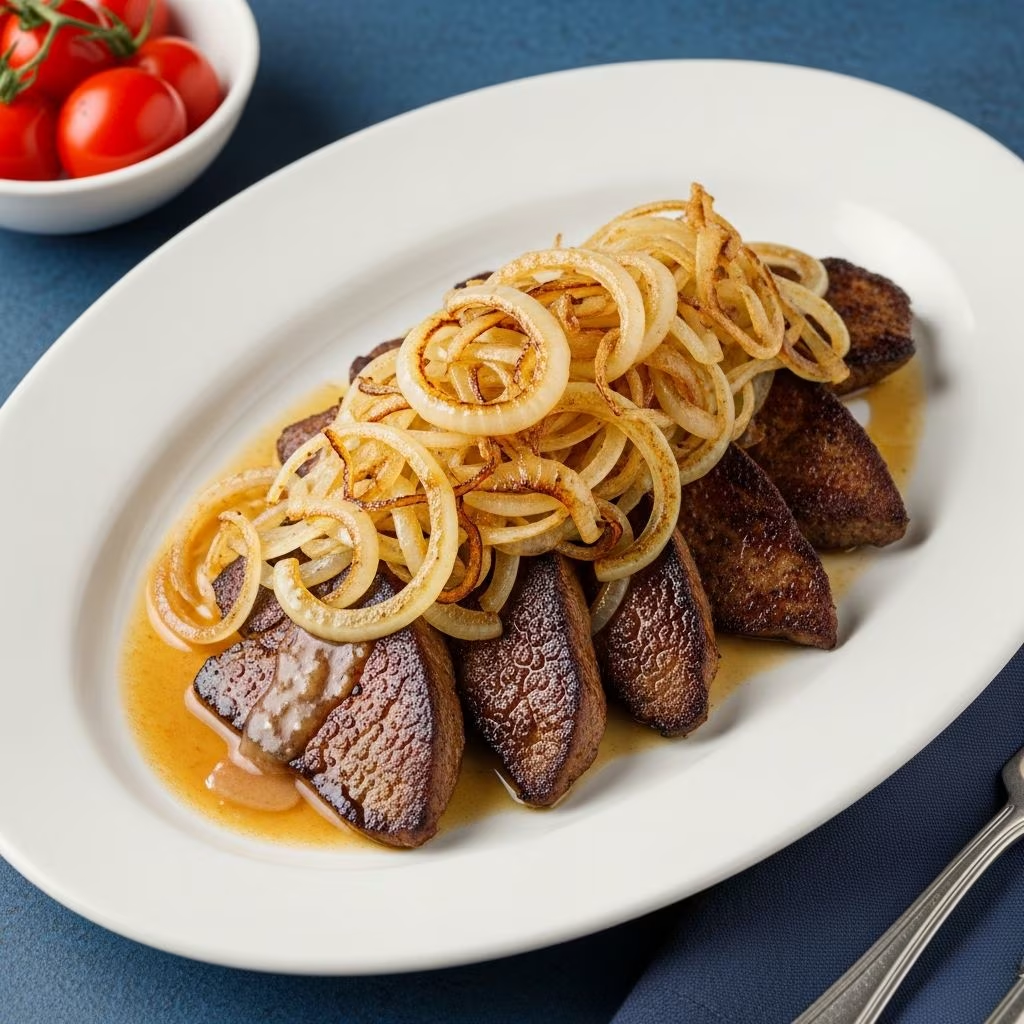
Liver and onions represents one of the most enduring comfort food combinations in culinary tradition, offering both nutritional density and satisfying flavors when prepared correctly. This classic pairing has maintained its place in home kitchens and restaurants across generations, though many home cooks approach it with apprehension due to concerns about texture and taste. Understanding the fundamental principles of preparation transforms this dish from potentially challenging to consistently delicious.
Understanding Your Protein: Selecting the Right Liver
The foundation of exceptional liver and onions begins with thoughtful protein selection. Beef liver serves as the traditional choice, offering a robust flavor profile and readily available supply at most grocers. Within beef liver options, calf’s liver stands apart as a superior choice for this preparation, delivering a milder, more tender texture compared to mature beef liver. The distinction matters considerably—younger animal liver generally contains less developed muscle fibers and pronounced organ flavors that some diners find challenging.
When purchasing liver for this dish, thickness matters significantly. Slices approximately three-eighths of an inch thick provide an ideal balance, allowing sufficient surface area for browning while remaining thin enough to cook through without toughening. Thinner pieces cook rapidly and can transition from tender to rubbery within seconds, while excessively thick cuts risk remaining undercooked at the center while the exterior overcooks.
Quality indicators include vibrant coloring without gray or brown patches and a fresh, clean aroma. Discoloration or off-odors suggest the protein has aged beyond its prime. Some recipes incorporate a soaking technique using milk or buttermilk before cooking, a traditional method believed to mellow the organ’s natural flavors and improve overall palatability.
The Art of Preparation: From Raw to Pan-Ready
Proper preparation separates good results from exceptional outcomes. Begin by blotting liver slices thoroughly with paper towels immediately before cooking. This moisture removal proves critical—excess surface moisture inhibits browning and extends cooking time, increasing the risk of overcooking. Pat each slice individually, ensuring both sides are completely dry.
Seasoning application should occur just before cooking to prevent salt from drawing additional moisture to the protein’s surface. A straightforward seasoning profile works best: kosher salt, freshly ground black pepper, and optional additions like garlic powder or smoked paprika create depth without overwhelming the liver’s natural character. Some traditional preparations incorporate freshly ground spices using a molcajete or mortar and pestle, creating a paste consistency that adheres more effectively than dry seasonings alone.
Certain recipes employ dredging techniques, coating seasoned liver pieces in flour mixed with additional spices. This creates a protective crust that seals in juices while developing a textured exterior. Those choosing this method should follow a standard breading protocol: season the protein, dip in egg mixture, coat with flour mixture, and allow a brief resting period on a wire rack before cooking.
Cooking Technique: Managing Heat and Timing
The cooking process demands attention and precision. Heat your cooking fat—whether olive oil, vegetable oil, or butter—over medium heat until it shimmers but remains below the smoking point. Adding cold protein to adequately heated fat initiates the Maillard reaction, developing flavorful browned surfaces while preserving interior tenderness.
Sear liver slices for approximately two to three minutes per side, depending on thickness. The edges will visibly transition from deep red to gray as the protein cooks from the outside inward. Resist the urge to move pieces excessively during the initial searing phase; allowing contact with the hot pan surface develops the browned crust. After flipping, cook the second side briefly—approximately two minutes maintains a slightly pink center that remains safe when liver reaches an internal temperature of 160°F, though some diners prefer more thorough cooking.
Batch cooking prevents overcrowding, which drops pan temperature and creates steam rather than desirable browning. Work in stages if necessary, maintaining consistent heat throughout the process. Remove cooked pieces to a warm plate and tent loosely with foil to preserve heat while completing remaining batches.
Complementary Preparation: Perfecting the Onions
Onions function as more than a garnish in this classic pairing—they’re essential flavor components requiring independent preparation. Slice onions into thin rings or strips, separating the layers to facilitate even cooking. Begin cooking onions before the liver since they require seven to eight minutes to develop color and tenderness, while liver needs only five or six minutes total.
Use the same hot oil to sauté onions, allowing them to caramelize gradually over medium heat. Stir frequently to ensure even cooking and prevent burning. Properly cooked onions transform from white to translucent to golden brown, developing natural sweetness and a silky texture that contrasts beautifully with the liver’s firmer bite.
Some preparations incorporate additional vegetables—bell peppers in various colors, garlic cloves, or fresh herbs—alongside onions. These additions expand the dish’s flavor complexity and visual appeal. Cook all vegetables briefly to maintain their individual character rather than creating a homogenous mixture.
Gravy and Sauce Considerations
While simple sautéed preparations showcase liver’s natural qualities, many traditional recipes incorporate pan gravies or sauce elements. After removing cooked proteins and vegetables, deglaze the pan using beef broth, chicken broth, or wine, scraping up flavorful browned bits adhering to the cooking surface. These concentrated pan drippings form the foundation for rich sauces.
Thickening agents range from flour-based roux to cornstarch slurries or even baking soda mixed with vinegar, each creating slightly different textural profiles. Some cooks add Worcestershire sauce, hot sauce, or other condiments to develop depth. Tomato-based preparations create hearty variations, combining diced tomatoes, tomato puree, and aromatic vegetables into slow-simmered arrangements that transform this quick dish into something more substantial.
Flavor Variations Across Culinary Traditions
Regional preparations reflect cultural preferences and available ingredients. Latin American preparations frequently incorporate oregano, fresh garlic, and bell peppers, creating lighter profiles suited to quick weeknight preparations. Southern U.S. traditions often feature flour-dredged liver, buttermilk soaking, and slow-simmered gravies served over rice or mashed potatoes.
Mediterranean variations integrate olive oil, fresh herbs like parsley, and bright acidity from vinegar or lemon juice. These lighter approaches highlight ingredient quality rather than masking natural flavors. Asian-inspired adaptations might incorporate soy sauce, ginger, and sesame oil, creating entirely different flavor profiles while maintaining the essential liver-and-onion foundation.
Nutritional Value and Health Considerations
Liver ranks among the most nutrient-dense foods available, containing exceptional concentrations of iron, B vitamins, and essential minerals. A single serving provides substantial portions of daily recommended values for several micronutrients, making this dish particularly valuable for individuals addressing nutritional deficiencies. The pairing with onions enhances absorption of certain nutrients through complementary phytonutrient profiles.
Portion control remains important despite nutritional density. Traditional servings measure approximately three to four ounces of liver per person, providing satisfying portions without excessive intake of concentrated nutrients. Pregnant individuals, people taking certain medications, or those managing specific health conditions should consult medical professionals regarding appropriate liver consumption levels.
Frequently Asked Questions
Why does my liver turn tough and rubbery? Overcooking represents the primary cause of undesirable texture. Liver cooks rapidly; exceeding the target temperature by even a few degrees transforms tender protein into dense, chewy material. Use a meat thermometer to verify reaching 160°F internal temperature, and avoid extended cooking times.
Can I prepare liver in advance? Liver is best cooked immediately before serving, as refrigerated cooked liver develops unpleasant texture changes. However, you can prepare ingredients—slice liver, prepare onions, mix seasonings—several hours ahead, storing components separately until cooking time.
What if I dislike liver’s natural flavor? Soaking in milk, buttermilk, or even water for several hours before cooking significantly reduces pronounced organ flavors. Additionally, selecting younger animal liver provides milder taste profiles. Generous onion quantities and flavorful gravies mask stronger flavors while complementing the dish.
Is there a vegetarian substitute? While no perfect replacement exists, mushrooms—particularly cremini or portobello varieties—provide similar earthiness and meaty texture when sliced and cooked using identical techniques alongside caramelized onions.
How do I store leftovers? Cooked liver and onions keep refrigerated for two to three days in airtight containers. Reheat gently over low heat with a splash of broth to restore moisture, avoiding high temperatures that further toughen the protein.
Serving Suggestions and Accompaniments
Traditional accompaniments complement rather than overpower this dish’s flavors. Mashed potatoes with gravy provide neutral starch bases, while rice or grits appeal to those preferring lighter options. Crusty bread serves double duty—as a plate component and for soaking pan juices and gravy.
Fresh vegetable sides offer contrasting textures and flavors: lightly steamed or roasted vegetables maintain their own character rather than blending into the main dish. Simple salads with vinaigrette provide acidity that brightens rich preparations. Avoid heavy, creamy sides that compete with the liver’s inherent richness.
Conclusion: Embracing a Classic Dish
Liver and onions deserves its place in contemporary cooking, offering nutritional benefits, economical value, and genuine culinary satisfaction when approached with understanding and respect for proper technique. Success requires attention to detail—careful protein selection, precise cooking temperatures, appropriate seasoning choices, and thoughtful accompaniments. With these principles guiding your preparation, this classic combination transforms into a dish worthy of regular table rotation rather than occasional reluctant consumption.
References
- Nutrient Data Laboratory, USDA Agricultural Research Service — United States Department of Agriculture. 2024. https://fdc.nal.usda.gov/
- Food Safety Guidelines for Meat Preparation — U.S. Food and Drug Administration. 2024. https://www.fda.gov/food/foodborne-pathogens-and-illness/meat-poultry-seafood-and-egg-products-safe-handling
- Iron Content and Absorption in Animal-Based Foods — National Institutes of Health Office of Dietary Supplements. 2024. https://ods.od.nih.gov/factsheets/Iron-Consumer/