Understanding the Fundamentals of This Italian-American Classic
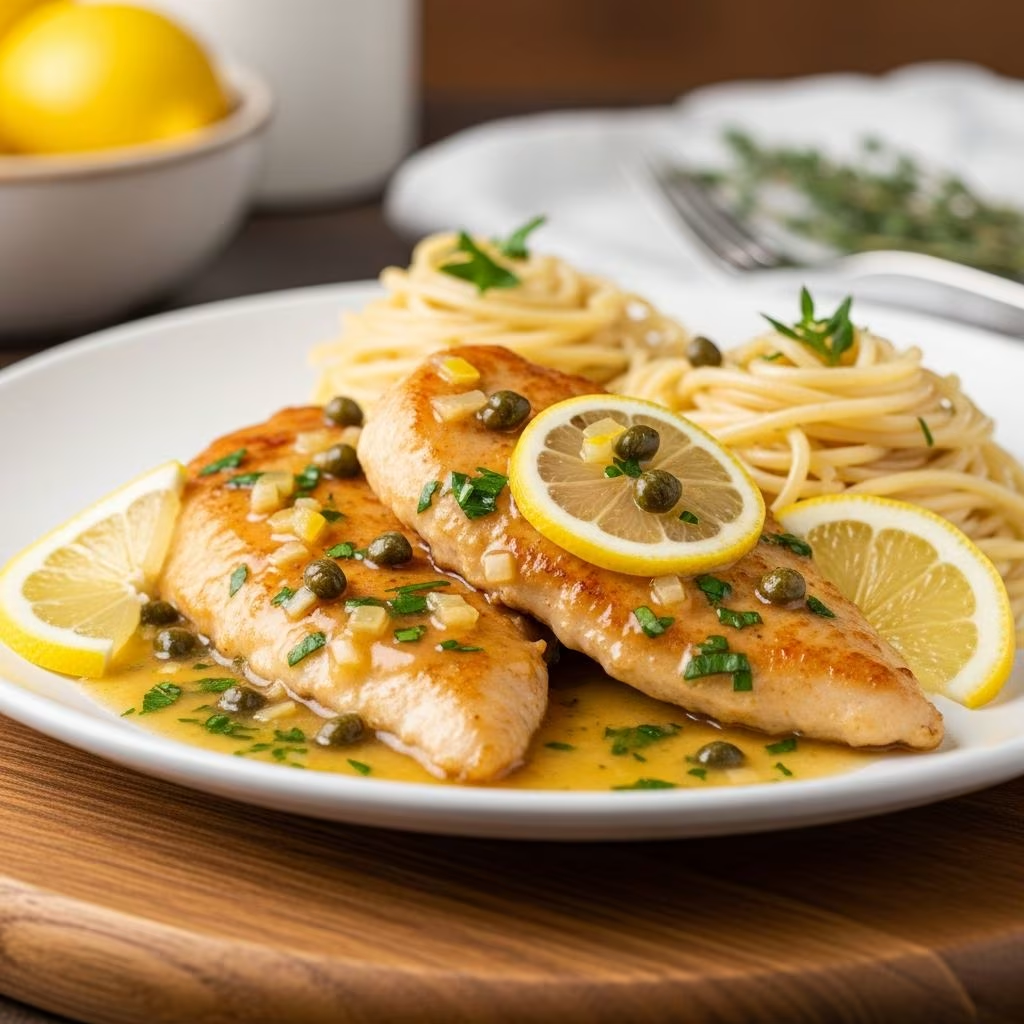
Chicken piccata represents a cornerstone of Italian-American cuisine, combining simplicity with sophistication in a way that appeals to both weeknight cooks and those seeking to impress dinner guests. At its essence, this dish features thinly sliced chicken breast that has been lightly dredged and pan-seared until golden, then finished with a bright, tangy sauce made from fresh lemon juice, butter, capers, and either white wine or chicken broth. The beauty of piccata lies not in complicated techniques or lengthy ingredient lists, but rather in understanding how a few quality components work together to create something greater than the sum of its parts.
The name “piccata” itself derives from the Italian word meaning “small and thin,” referring to the delicate way the chicken is prepared. Unlike heavier chicken dishes that rely on cream or complex reductions, piccata maintains a light quality that makes it an excellent choice for any season. The interplay between the buttery, crispy chicken and the acidic, briny sauce creates a balanced dish that feels both comforting and refined.
Selecting and Preparing Your Chicken
The foundation of exceptional chicken piccata begins with proper chicken selection and preparation. Most recipes call for boneless, skinless chicken breasts, which provide a lean canvas for both browning and sauce absorption. However, the size and thickness of your chicken significantly impacts cooking time and texture.
Optimal Chicken Selection Criteria
- Breast size: Choose chicken breasts that are relatively uniform in thickness, ideally around one-half to three-quarter inches after pounding. This ensures even cooking throughout.
- Quality consideration: Look for chicken that appears pale pink without any gray discoloration, which indicates freshness.
- Fat trimming: Remove any visible fat deposits or tendons before preparing, as these can interfere with texture and sauce adherence.
- Alternative proteins: While not traditional, boneless chicken thighs or cutlets can work well if you prefer meat with more inherent moisture and flavor.
The Crucial Pounding and Slicing Technique
Once you have selected your chicken, the next critical step involves transforming the breast into thin, uniform cutlets. Most recipes recommend butterflying the chicken breast lengthwise and then cutting it in half to create four thinner pieces from two original breasts. This approach yields better surface area for browning while ensuring the chicken cooks through evenly.
Place each piece between plastic wrap and pound gently with a meat mallet or the flat side of a heavy knife until the thickness reaches approximately one-quarter inch. This step serves multiple purposes: it breaks down muscle fibers for tenderness, creates more surface area for the flour coating to adhere, and ensures rapid, even cooking. Avoid aggressive pounding, which can tear the meat and create an unpleasant texture.
Building Your Ingredient Arsenal
Core Components and Their Functions
| Ingredient | Quantity | Purpose |
|---|---|---|
| Chicken breasts | 2 large | Protein base and main component |
| Fresh lemon | 1-2 lemons | Provides acidity and brightness to sauce |
| Butter | 4-5 tablespoons divided | Cooking medium and sauce richness |
| Canola or olive oil | 1 tablespoon | Raises smoke point to prevent burning |
| All-purpose flour | ½ cup | Creates golden crust and sauce thickener |
| Brined capers | 3 tablespoons | Adds briny, acidic counterpoint |
| Chicken broth or white wine | ½ cup | Liquid base for sauce development |
| Kosher salt and pepper | To taste | Season the chicken and sauce |
Why These Ingredients Matter
Understanding the role of each ingredient helps you make informed substitutions and adjustments. Lemon juice and zest provide the characteristic bright, acidic profile that defines piccata sauce, though the intensity mellows considerably when combined with the chicken and butter. The balance between acidity and richness proves critical—too much lemon creates an unpleasantly sharp dish, while too little results in a flat, uninspiring sauce.
The combination of butter and oil serves a practical purpose beyond mere fat for cooking. Butter alone has a lower smoke point and burns easily at the high temperatures needed for properly searing chicken, while oil alone lacks the flavor contribution that butter provides. Using both together allows you to achieve a golden-brown crust with superior color and taste.
Capers deserve particular attention, as they define the piccata flavor profile. Only use capers packed in brine, as salt-packed varieties prove excessively salty even after rinsing. The briny liquid from the caper jar also contributes valuable umami depth to the finished sauce.
The Art and Science of Proper Searing
Creating a beautiful golden crust on your chicken requires understanding heat, timing, and technique. Begin by seasoning your pounded chicken cutlets generously on both sides with kosher salt and ground black pepper. This seasoning step should happen just before cooking to prevent the salt from drawing out moisture and creating a wet surface that won’t brown properly.
Lightly dredge each cutlet in flour, shaking off excess to avoid a thick, doughy coating that would mask the delicate chicken. Some advanced recipes add grated Parmesan cheese to the flour mixture, which creates an even more flavorful, crispy exterior that helps sauce adhesion.
Heat a large skillet over medium-high heat and add your butter-oil combination. The oil should shimmer and move freely across the pan surface before you add the chicken. Test the temperature by touching a corner of a cutlet to the oil—it should sizzle immediately without smoking. Place no more than two cutlets in the pan at a time, as overcrowding lowers the temperature and creates steaming rather than searing.
Cook the first side undisturbed for approximately two to three minutes until the underside turns deep golden brown. Resist the urge to move or flip the chicken prematurely, as this prevents proper browning. Once the crust has formed, flip and cook the second side for approximately one and a half to two minutes until light golden. The chicken interior temperature should reach 165 degrees Fahrenheit for food safety.
Crafting the Perfect Piccata Sauce
Building Flavor Layers
Once your chicken has been cooked through and removed from the pan, the sauce development begins. Reduce heat to medium and add your chosen liquid—either dry white wine or chicken broth creates an excellent foundation. If using wine, let it simmer rapidly for several minutes to reduce by half, which concentrates flavor while cooking off harsh alcohol notes.
Add fresh lemon juice and sliced lemon rounds to the pan, scraping the bottom with a wooden spoon to release any browned bits stuck to the surface. These fond particles contain concentrated chicken and browning flavors that dissolve into the sauce, adding depth and complexity. Simmer these elements together for one to two minutes to allow flavors to meld.
Stir in the drained capers, which release their briny essence into the warming liquid. At this point, taste your sauce and assess the balance. Does it taste too acidic? Add a touch more butter. Too mild? A squeeze of additional lemon juice can brighten it. This tasting and adjusting step proves crucial for achieving a perfectly balanced sauce tailored to your palate.
Finishing the Sauce
Remove the pan from heat and cut the remaining butter into small cubes. Add these to the warm sauce and swirl the pan gently, allowing the butter to melt and emulsify into the liquid without allowing it to foam excessively. This technique creates a glossy, slightly thickened sauce with an appealing light sheen rather than a heavy cream-based coating.
Return the chicken to the pan and warm it through in the sauce for approximately one minute, ensuring the cutlets absorb the flavorful liquid on their surface. A garnish of fresh flat-leaf parsley adds color and a subtle herbaceous note that enhances the overall composition.
Timing and Execution Strategy
One of the greatest appeals of chicken piccata lies in its speed—the entire dish can be prepared in approximately twenty to thirty minutes, making it ideal for busy weeknights. To execute efficiently, organize your ingredients before beginning to cook, a practice chefs call mise en place. Having everything measured, cut, and ready prevents frantic searching mid-cooking when timing proves critical.
Prepare your chicken early, pounding and flouring it in advance if desired. The cutlets can rest at room temperature for up to thirty minutes before cooking, which actually promotes more even browning. Squeeze and zest your lemons beforehand, measure your broth or wine, and drain your capers so you move seamlessly from one step to the next.
Complementary Side Dishes and Serving Suggestions
The light, elegant nature of chicken piccata pairs beautifully with numerous accompaniments. Buttered egg noodles provide a classic pairing that catches and holds the sauce, while mashed potatoes or cauliflower puree offer creamy textural contrast. Polenta, either creamy or set and pan-fried, complements the piccata flavors wonderfully and adds substance to the plate.
For lighter appetites, serve piccata over fresh pasta tossed with a touch of olive oil, or alongside crusty bread for soaking up every drop of sauce. A simple green salad dressed with lemon vinaigrette bridges the gap between courses and refreshes the palate between bites.
Frequently Asked Questions About Chicken Piccata
Can I prepare chicken piccata in advance?
The chicken component reheats reasonably well, though the sauce is best prepared fresh. You can pound and flour the chicken several hours ahead, storing it covered in the refrigerator. Complete the dish just before serving for optimal texture and sauce flavor.
What substitutes work for capers?
While capers provide distinctive flavor, chopped green olives or even drained and rinsed anchovies can substitute in a pinch. The sauce character will shift accordingly, so adjust other seasonings to compensate.
Is cream ever added to authentic piccata?
Traditional Italian piccata contains no cream. The buttery, tangy sauce provides adequate richness and body without dairy beyond the butter itself. Adding cream masks the bright lemon flavors that define the dish.
How do I prevent my sauce from breaking or becoming greasy?
The key lies in removing the pan from heat before adding the finishing butter, allowing residual warmth to emulsify it gently rather than causing it to separate. Keep temperatures moderate and avoid whisking vigorously, which introduces excess air.
Can I use frozen chicken breast?
Yes, though proper thawing in the refrigerator yields better results than quick thawing methods. Thaw completely before pounding to ensure even cooking and proper browning.
Troubleshooting Common Issues
Tough, rubbery chicken: This results from overcooking. Reduce cooking time and invest in a meat thermometer to achieve perfectly cooked 165-degree chicken without exceeding it.
Pale or incomplete browning: Your heat may be insufficient or your pan overcrowded. Ensure the oil shimmers before adding chicken and cook only two pieces at a time.
Excessively sour sauce: Balance acidity by adding more butter or a pinch of sugar. Fresh lemon juice intensity varies considerably between lemons, requiring taste-based adjustments.
Flour coating slips off during cooking: Pat your chicken dry after seasoning—excess moisture prevents flour adhesion. Consider adding Parmesan to your flour mixture for better sticking.
Conclusion: Elevating Your Cooking Skills
Chicken piccata exemplifies how mastering fundamental techniques and understanding ingredient interactions elevates simple dishes into memorable meals. By carefully selecting quality chicken, executing proper searing technique, and thoughtfully building your sauce, you create a restaurant-worthy dish in your own kitchen. The principles you learn through preparing piccata—proper heat management, sauce development, and balanced flavoring—transfer directly to countless other dishes, making this recipe an investment in your overall culinary competence.
References
- Easy Chicken Piccata Recipe — FoodieCrush.com. Accessed April 2026. https://www.foodiecrush.com/easy-chicken-piccata/
- Easy Chicken Piccata — Salt & Lavender. Accessed April 2026. https://www.saltandlavender.com/chicken-piccata/
- Chicken Piccata — Spend With Pennies. Accessed April 2026. https://www.spendwithpennies.com/chicken-piccata/
- Easy and Quick Chicken Piccata That Tastes Fancy But Isn’t — YouTube Cooking Channel. Accessed April 2026. https://www.youtube.com/watch?v=x1hlFFZWE9c
- A Better Chicken Piccata — RecipeTin Eats. Accessed April 2026. https://www.recipetineats.com/chicken-piccata/
- Sheet Pan Chicken Piccata — The Defined Dish. Accessed April 2026. https://thedefineddish.com/the-best-sheet-pan-chicken-piccata/
- Chicken Piccata — The Modern Proper. Accessed April 2026. https://themodernproper.com/chicken-piccata