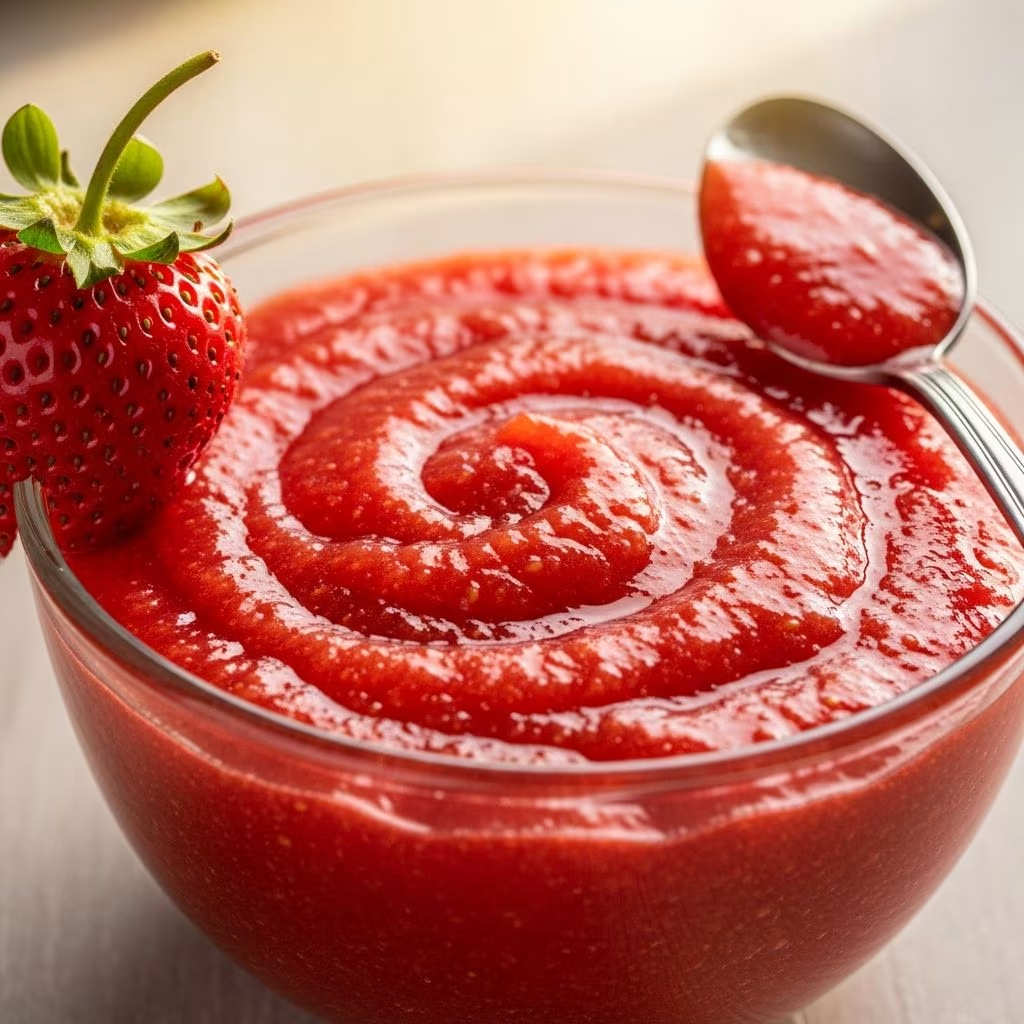
Strawberry puree stands as a cornerstone ingredient in modern kitchens, offering a burst of natural sweetness and vibrant color to countless dishes. This concentrated berry essence captures the essence of ripe strawberries in a smooth, versatile form that elevates everything from breakfast smoothies to elegant desserts. Whether you’re blending fresh summer harvest or using frozen berries year-round, mastering strawberry puree opens doors to creative cooking without complicated equipment or techniques.
Why Strawberry Puree Deserves a Spot in Your Recipes
Beyond its appealing ruby hue, strawberry puree delivers intense flavor with minimal effort. It serves as a healthier alternative to artificial syrups, packing vitamins, antioxidants, and natural sugars into every spoonful. Home cooks appreciate its adaptability—thicken it for cake fillings, thin it for beverages, or reduce it into a glossy sauce. The process enhances strawberry’s natural pectin, creating a stable product that holds up in baking or freezing.
Selecting the Best Strawberries for Superior Puree
Quality starts with your berries. Opt for ripe, firm strawberries with a deep red color and sweet aroma; avoid mushy or pale ones that lack flavor. Fresh strawberries peak in late spring to early summer, but frozen varieties work equally well, often preserving peak ripeness. For 4 cups of puree, begin with about 2 pounds of hulled berries, as processing reduces volume.
- Fresh vs. Frozen: Fresh offer brighter notes; frozen simplify prep with no washing needed.
- Organic Choice: Reduces pesticide exposure for cleaner taste.
- Seasonal Tip: Buy local for optimal freshness and support sustainable farming.
Core Ingredients for Authentic Strawberry Puree
A basic recipe relies on just a few elements to let strawberries shine. Core components include 4 cups hulled strawberries, 1 teaspoon lemon juice for brightness and preservation, and optional 1-1/4 cup sugar adjusted to taste. Lemon’s acidity prevents browning and balances sweetness, while sugar enhances flavor extraction.
| Ingredient | Quantity | Purpose |
|---|---|---|
| Strawberries (hulled) | 4 cups | Flavor base |
| Lemon juice | 1 tsp | Acidity, color retention |
| Sugar (granulated or brown) | 1/4 cup (optional) | Sweetness enhancer |
Step-by-Step Guide to No-Cook Strawberry Puree
For a fresh, uncooked version ideal for smoothies or drizzles, use a blender or food processor. This method preserves maximum vibrancy and nutrients.
- Prepare Berries: Rinse fresh strawberries under cool water, pat dry, remove hulls, and halve or quarter for even blending.
- Blend Smooth: Add berries, lemon juice, and sugar to the appliance. Pulse until silky, about 1-2 minutes, scraping sides as needed.
- Taste and Adjust: Sample for sweetness; add more sugar if berries are tart.
- Optional Strain: For seedless texture, pass through a fine mesh sieve, pressing with a spoon.
Yield: Approximately 2 cups. Prep time: 10 minutes. This quick puree suits immediate use in yogurt parfaits or pancake toppings.
Creating a Luxurious Cooked Strawberry Reduction
A cooked variation intensifies flavor and thickens consistency, perfect for pastries or sauces. It reduces water content for a jam-like spread.
- Combine and Heat: Place prepared strawberries in a saucepan with lemon juice and sugar over medium heat. Mash gently to release juices.
- Simmer Down: Bring to a boil, then lower to medium-low. Stir occasionally for 10-15 minutes until reduced by half, resembling thick syrup.
- Cool and Strain: Remove from heat, strain if desired, and cool completely. Stores like commercial products.
This method evaporates excess moisture, concentrating strawberry solids for bolder taste. Cooking time: 20 minutes total.
Customization Options for Every Palate
Tailor your puree to specific needs. For less sweet profiles, omit sugar entirely. Add a pinch of salt to heighten fruitiness or zest from lemon peel for citrus lift. Experiment with additions like basil for herbal notes or balsamic vinegar for gourmet depth. For thicker results, extend simmering; for thinner, incorporate a splash of water or juice.
Smart Storage and Shelf Life Strategies
Freshness is key. Refrigerate puree in airtight glass jars for up to 5-7 days. For longer storage, freeze in ice cube trays for portioned use—thaw as needed for recipes. Cooked reductions last slightly longer due to lower moisture. Always label with dates and check for off odors or mold before use.
- Fridge: 1 week in sealed container.
- Freezer: 3-6 months; transfer cubes to freezer bags.
- Thawing Tip: Microwave briefly or overnight in fridge.
Versatile Applications in Sweet Treats
Strawberry puree transforms desserts effortlessly. Swirl into cheesecake batter, layer in trifles, or pipe as macaron filling. For cakes, it creates moist fillings that pair with buttercream. Ice cream makers benefit from churned puree bases, while popsicles form with blended puree and yogurt frozen in molds.
Pro Baking Integration
Incorporate 1/2 cup puree into muffin or scone doughs for fruity tenderness. Reduce for stable fillings that won’t sog cakes.
Innovative Uses in Drinks and Smoothies
Bartenders and home mixologists love puree for cocktails—muddle into margaritas or blend into daiquiris. Non-alcoholic options include strawberry lemonade or infused water. Smoothies gain creaminess with 1 cup puree, banana, and milk. Milkshakes become luxurious with a generous scoop.
Savory Twists with Strawberry Puree
Venture beyond sweets: Drizzle over grilled chicken or pork for tangy contrast. Mix into vinaigrettes for summer salads or pair with goat cheese on crostini. The acidity cuts richness in creamy dips or salsas.
Common Pitfalls and Expert Fixes
Watery puree? Cook longer to evaporate liquids. Too seedy? Strain diligently. Dull color signals insufficient acid—add more lemon. Overly sweet? Balance with extra berries or citrus. Blender clogs from frozen chunks? Thaw partially first.
| Issue | Solution |
|---|---|
| Runny texture | Reduce on stove 10+ minutes |
| Bitter taste | Increase sugar gradually |
| Separation in freezer | Stir before freezing; use cooked version |
Health Benefits Packed in Every Batch
Strawberries contribute vitamin C, fiber, and manganese. Pureeing retains most nutrients, especially uncooked. Use as a sugar swap in recipes to lower refined carbs while adding antioxidants.
Seasonal Variations and Substitutions
Swap for raspberries or mixed berries in off-seasons. Use honey instead of sugar for natural sweetness. Vegan by default, it fits all diets.
Frequently Asked Questions
Can I use frozen strawberries?
Yes, they blend seamlessly and often taste more consistent.
Do I need to remove the seeds?
Optional; straining yields smoother results for drinks or fillings.
How much puree from 1 pound of berries?
About 2 cups after processing.
Is cooking necessary?
No, but it thickens and intensifies flavor.
Can puree replace jam in recipes?
Absolutely, especially reduced versions for similar consistency.
Scaling Up for Entertaining
Double or triple batches easily; freeze extras. Host a puree bar with toppings for custom desserts.
References
- How to Make Strawberry Puree — The Suburban Soapbox. N/A. https://thesuburbansoapbox.com/how-to-make-strawberry-puree/
- Homemade Strawberry Puree (Fresh or Frozen Strawberries) — Sustainable Cooks. N/A. https://www.sustainablecooks.com/strawberry-puree/
- Easy Strawberry Purée Recipe (For drinks, desserts and more!) — Emily Laurae. N/A. https://emilylaurae.com/strawberry-puree/
- Easy strawberry reduction recipe (5 Steps) — Sugar Geek Show. N/A. https://sugargeekshow.com/strawberry-puree/
- Strawberry Puree (No blender) for Cakes and Desserts — Sugarologie. N/A. https://www.sugarologie.com/recipes/strawberry-puree
- 10 Ways to Use Strawberry Puree for Cakes, Ice Cream, & More — Fierce Fruit. N/A. https://fiercefruit.com/blogs/blog/strawberry-puree-uses