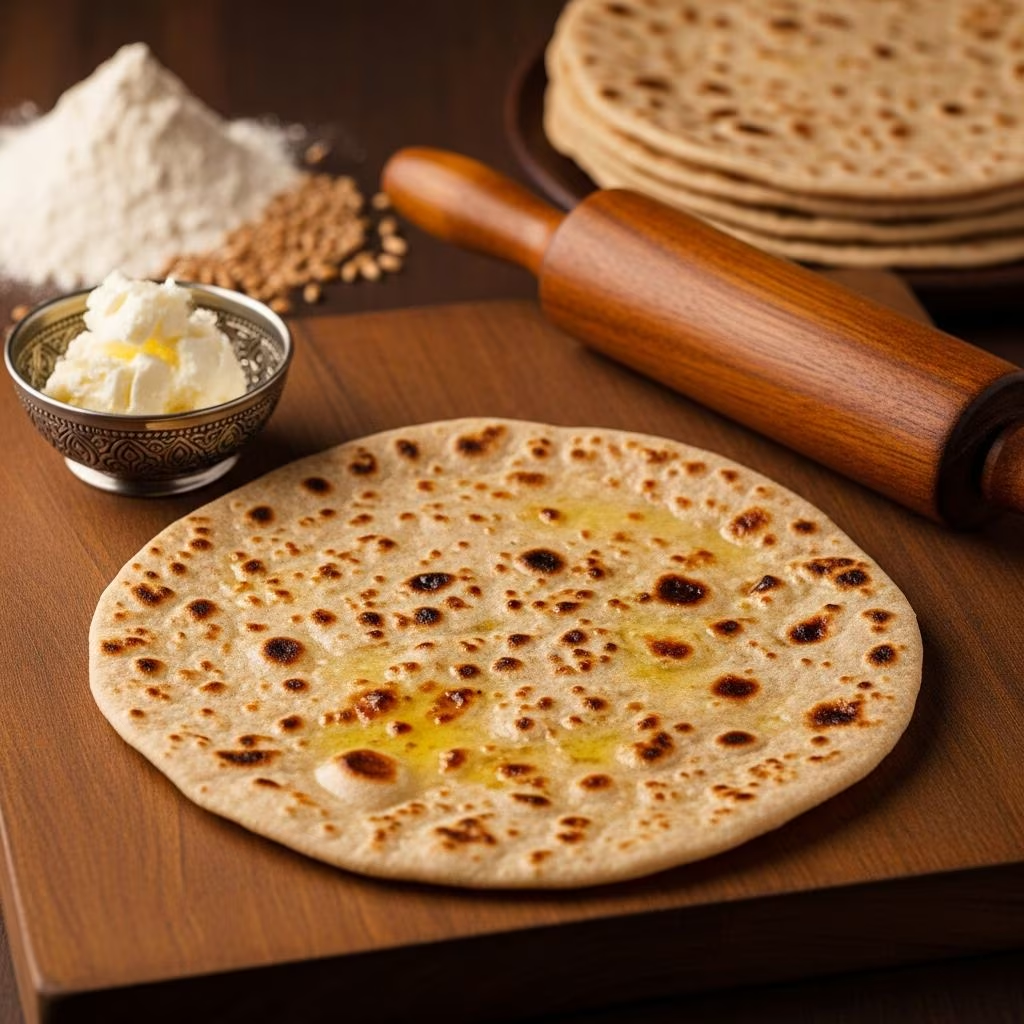
Chapati, a staple in Indian cuisine, stands out as one of the simplest yet most rewarding breads to prepare at home. This unleavened flatbread, crafted from whole wheat flour, water, and minimal additions, puffs up beautifully when cooked right, offering a soft interior and slightly crisp exterior ideal for pairing with curries, vegetables, or dals. Unlike yeast-based breads, chapati relies on technique and fresh ingredients for its signature texture.
The Essence of Chapati in Daily Indian Meals
In households across India, chapati—often interchangeably called roti—forms the backbone of everyday eating. It accompanies a wide array of dishes, from spicy lentils to creamy butter chicken, absorbing flavors while providing wholesome nutrition. Made primarily from atta (finely ground whole wheat flour), it delivers fiber, protein, and complex carbohydrates, making it a healthier alternative to refined breads. Its versatility extends beyond meals; leftovers can be refreshed and enjoyed the next day.
Historically rooted in northern India, chapati’s preparation has remained largely unchanged for generations, emphasizing hands-on kneading and resting to develop gluten naturally. This process ensures pliability without chemical leaveners. Modern home cooks appreciate its quick preparation time—under an hour for a batch—making it accessible for busy schedules.
Essential Ingredients for Perfect Chapati
Success with chapati hinges on quality ingredients measured precisely. Here’s a breakdown:
- Atta flour (whole wheat flour): 2 cups (about 240-280g). Opt for chakki atta for finer texture and better puffing; it absorbs water evenly.
- Warm water: 3/4 to 1 cup (adjust based on flour). Lukewarm water (around 100-110°F) hydrates flour without cooking gluten prematurely.
- Salt: 1/4 to 1/2 teaspoon (optional). Enhances flavor subtly without overpowering.
- Oil or ghee: 1-2 tablespoons. Added during kneading for softness; neutral oils like canola work well.
- Extra flour for dusting: All-purpose or more atta to prevent sticking during rolling.
These components yield 8-12 chapatis, scalable for family needs. Avoid over-flouring, as excess leads to dryness.
Step-by-Step Guide to Chapati Dough
Creating the dough is the foundation. Follow these precise steps for optimal results.
Combine dry ingredients: In a spacious bowl, sift 2 cups atta and 1/4 tsp salt. This aerates the flour, preventing lumps.
Add liquid gradually: Pour 3/4 cup warm water into a well in the center. Mix with fingers in circular motions until shaggy bits form. Add more water 1 tbsp at a time if crumbly—aim for a soft, non-sticky consistency.
Incorporate fat: Drizzle 1 tbsp oil over the dough. Poke holes with fingers and work oil in, then knead 4-5 minutes until smooth and elastic. It should spring back lightly when poked.
Rest the dough: Cover with a damp cloth or plastic wrap. Let sit 30 minutes to 2 hours in a warm spot. This relaxes gluten, easing rolling and promoting puffing.
Post-rest, knead briefly once more if needed to redistribute moisture. Divide into 8-12 equal balls (40-50g each), rolling smooth between palms and keeping covered.
Mastering the Art of Rolling Chapati
Rolling transforms dough balls into thin discs. Use a lightly floured surface to avoid tears.
- Dust a ball lightly with flour, press into a disc.
- Roll from center outward with a rolling pin, rotating 90 degrees every few passes for even thinness (6-8 inches diameter, 1-2mm thick).
- For layered chapati: Roll to 4-5 inches, brush with ghee, sprinkle flour, fold into triangle, then roll to final size. This creates flaky layers.
- Stack rolled chapatis between floured cloths to prevent drying.
Practice yields uniformity; thinner edges puff better. If sticking occurs, dust more flour sparingly.
Cooking Chapati to Golden Perfection
A hot skillet is key—use cast iron or tawah for even heat.
| Step | Action | Time/Temp | Visual Cue |
|---|---|---|---|
| 1 | Heat skillet medium-high (dry, no oil) | 2-3 min | Lightly smoking |
| 2 | Place rolled chapati | 20-30 sec | Bubbles form |
| 3 | Flip once | 20-30 sec | Golden spots |
| 4 | Flip to direct flame (optional) | 10-15 sec | Puffs fully |
| 5 | Brush with ghee, stack | – | Soft & pliable |
Use tongs over open flame for puffing; press gently with cloth if needed. Cover stack with towel to steam and stay soft.
Pro Tips for Flawless Chapati Every Time
- Flour choice matters: Atta over all-purpose for authenticity and nutrition.
- Water temperature: Warm aids smooth dough; hot water for softer results but knead carefully.
- Resting is crucial: Skips lead to tough bread.
- Heat control: Too low=hard; too high=burnt. Test with water droplet—it should sizzle.
- Storage: Refrigerate in airtight container up to 2 days; reheat on skillet with water splash.
Common Mistakes and Fixes
Avoid these pitfalls:
- Dough too dry: Tears while rolling. Fix: Add water droplets during knead.
- No puffing: Thick rolling or cool pan. Solution: Roll thinner, heat properly.
- Hard after cooling: Over-floured or insufficient oil. Use less dust, more rest.
- Sticky dough: Excess water. Incorporate more flour gradually.
Nutritional Profile and Health Benefits
One chapati (30g) offers ~70-80 calories, 12g carbs, 2-3g protein, 1-2g fiber. Whole wheat provides B vitamins, iron, and magnesium, supporting digestion and energy. Low-fat, it’s diabetic-friendly when paired mindfully. Customize with multigrain flours for boosted nutrition.
Flavorful Variations to Elevate Your Chapati
- Layered (Laccha Paratha): Multiple ghee folds for flakiness.
- Herbed: Knead in chopped cilantro, cumin, or garlic.
- Masala: Add ajwain seeds or chili flakes to dough.
- Gluten-free: Use millet or sorghum flour blends (adjust water).
- Sweet: Brush with honey post-cook.
Pairing Suggestions for Chapati
Chapati shines with:
- Curries: Dal tadka, aloo gobi, paneer butter masala.
- Vegetables: Bhindi masala, baingan bharta.
- Meat: Chicken curry, lamb rogan josh.
- Chutneys: Mint or tamarind for wraps.
Roll into wraps with fillings for portable meals.
Frequently Asked Questions
Why doesn’t my chapati puff?
Ensure thin rolling, hot skillet, and rested dough. Direct flame helps.
Can I make chapati ahead?
Yes, dough refrigerates 24 hours. Roll and cook fresh.
Substitute for atta?
Whole wheat pastry flour; results slightly denser.
How to keep chapati soft longer?
Stack under towel; ghee brushing preserves moisture.
Vegan version?
Use oil instead of ghee.
Conclusion: Your Gateway to Indian Home Cooking
With practice, chapati becomes second nature, opening doors to authentic Indian flavors. Start simple, refine techniques, and enjoy this timeless bread daily.
References
- Easy Chapati Recipe (Indian Flatbread) — The Conscientious Eater. 2023. https://theconscientiouseater.com/how-to-make-traditional-indian-flatbread-chapati/
- Chapati Recipe (Indian Flatbread) — Swasthi’s Recipes. 2024-01-15. https://www.indianhealthyrecipes.com/chapati/
- How to Make Homemade Chapati — Home Cooking Collective. 2023-05-20. https://homecookingcollective.com/chapatis-indian-whole-wheat-flatbreads/
- Chapati (Indian Flat Bread) Recipe — Rasa Malaysia. 2022-11-10. https://rasamalaysia.com/chapati-recipe/
- Easy Homemade Indian Chapati Flatbread — Krumpli. 2023-08-05. https://www.krumpli.co.uk/homemade-indian-chapati/