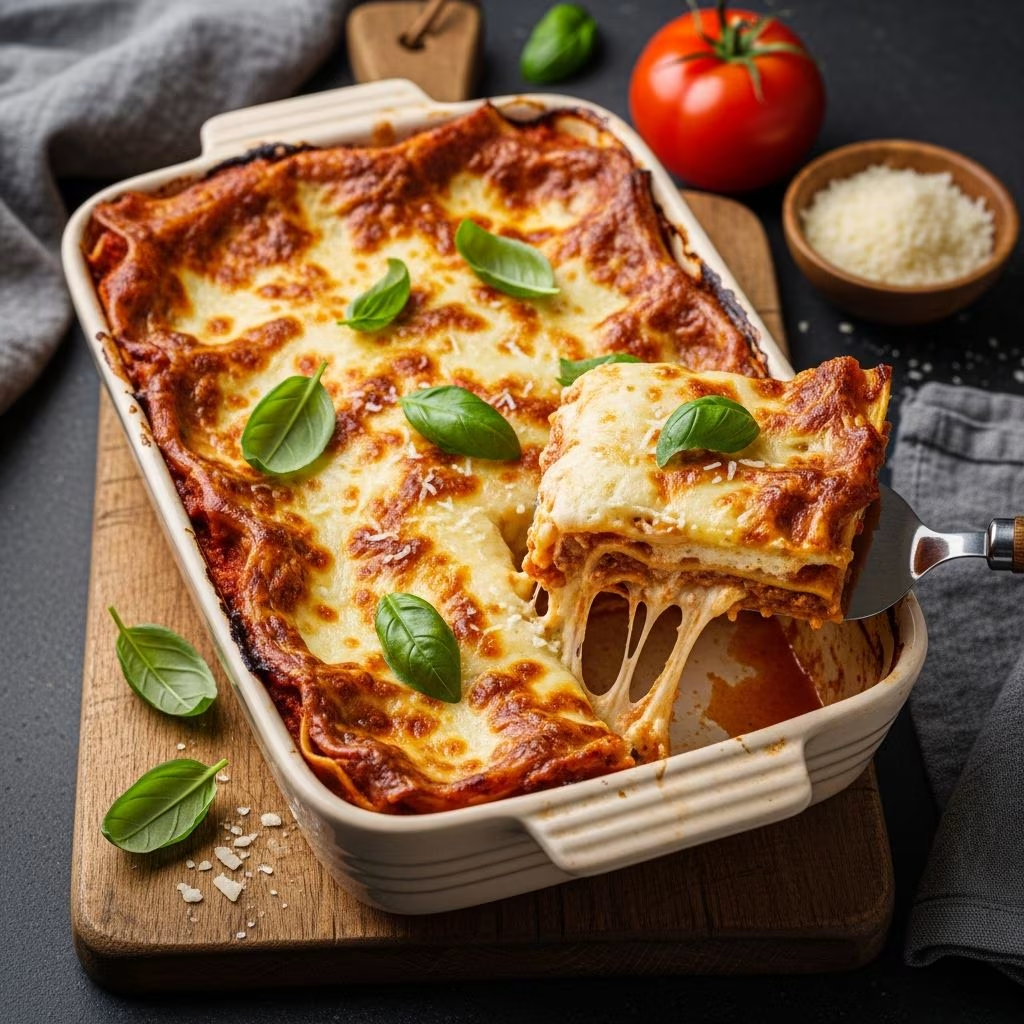
Lasagna stands as one of the most beloved comfort foods worldwide, celebrated for its hearty layers of pasta, rich sauces, and melted cheeses. This guide draws inspiration from classic techniques to help you create a dish that rivals professional kitchens. Whether you’re feeding a family or hosting friends, mastering lasagna involves understanding sauce development, noodle preparation, and precise assembly. Expect a flavorful result that balances meaty depth, creamy textures, and bubbling cheese.
Why Lasagna Captivates Home Cooks
At its core, lasagna is a testament to layered simplicity elevated by quality ingredients. Originating from Italian traditions, it combines wide pasta sheets with ragù—a slow-simmered meat sauce—and creamy béchamel or ricotta fillings. Home versions allow personalization, from vegetarian twists to spicy meat blends. The magic lies in the contrast: tender noodles absorbing sauce flavors while cheese forms a golden crust. Patience in simmering sauces yields complexity, turning basic components into something extraordinary.
Essential Ingredients for Success
Gathering the right components sets the foundation. Focus on fresh, high-quality items for optimal taste.
- Pasta Sheets: No-boil lasagna noodles save time and prevent sogginess; traditional sheets require parboiling.
- Meat Sauce Base: Ground beef, pork, turkey, or sausage provide richness. Add pancetta or bacon for umami depth.
- Tomatoes: Canned San Marzano for authenticity, crushed or whole for texture control.
- Cheeses: Mozzarella for melt, Parmesan and Pecorino for sharpness, ricotta for creaminess.
- Aromatics: Onions, garlic, carrots, celery (soffritto), and herbs like basil and oregano.
- Optional Add-Ins: Mushrooms, spinach, or chili flakes for variety.
Quantities for a 9×13-inch pan serving 8-10: 1 lb ground meat, 28 oz tomatoes, 15 oz ricotta, 4 cups shredded mozzarella, 1 cup grated Parmesan, 12-15 lasagna noodles.
Building the Heart: The Perfect Meat Sauce
The sauce is the soul of lasagna, requiring low-and-slow cooking to meld flavors. Start with a soffritto—finely diced onion, carrot, and celery sautéed in olive oil until soft. This mirepoix builds sweetness and balances acidity.
- Brown meats separately: Ground beef or turkey first, then sausage or pork ribs for fat and tenderness. Render pancetta for salty depth.
- Incorporate aromatics: Add garlic last to avoid burning. Deglaze with red wine (optional) for complexity.
- Tomatoes and simmer: Stir in crushed tomatoes, tomato paste, salt, pepper, and herbs. Simmer 1-2 hours until thickened and oil separates on top.
Aim for a sauce that’s saucy but not watery—perfect for coating noodles without pooling. Taste and adjust: a pinch of sugar tames acidity, chili flakes add heat.
| Sauce Variation | Key Ingredients | Flavor Profile |
|---|---|---|
| Classic Bolognese | Beef, pork, soffritto, milk | Rich, meat-forward |
| Turkey Mushroom | Turkey, mushrooms, spinach | Lighter, earthy |
| Spicy Sausage | Hot sausage, chili flakes | Bold, fiery |
Creamy Fillings: Ricotta or Béchamel?
Choose between ricotta for ease or béchamel for silkiness. Ricotta mixture: Blend 15 oz ricotta with one egg, salt, pepper, and fresh parsley. Season generously to cut tanginess.
Béchamel elevates: Melt 4 tbsp butter, whisk in 4 tbsp flour for roux, then slowly add 3 cups milk. Simmer until thickened, grate in nutmeg. It prevents dryness and adds luxury.
Preparing the Noodles
No-boil noodles absorb moisture during baking, ideal for beginners. If using fresh or dried, parboil briefly in salted water, then shock in ice water to stop cooking. Lay flat to prevent sticking. Pro tip: Coat cooked noodles lightly in sauce for infused flavor.
Assembly: Layering Like a Pro
Assembly is artistic, akin to stacking a cake. Use a deep 9×13-inch dish.
- Bottom layer: Thin sauce coat to anchor noodles.
- Noodles: Fit edge-to-edge, trim if needed.
- Sauce and cheese: Spoon meat sauce, dollop ricotta or spread béchamel, sprinkle mozzarella and Parmesan.
- Repeat: 4-5 layers total, ending with cheese-heavy top for browning.
- Final touch: Tent with foil initially to steam, then uncover for crust.
Avoid over-saucing early layers; distribute evenly for balanced bites. Press gently to eliminate air pockets.
Baking to Perfection
Preheat oven to 375°F. Bake covered 30-40 minutes, then uncovered 20-30 until bubbly and golden (internal temp 165°F). Rest 20-30 minutes post-bake—crucial for clean slices. Bubbling edges signal success.
Make-Ahead and Storage Tips
Lasagna shines as a prep-ahead dish. Assemble up to 2 days ahead, refrigerate, or freeze unbaked up to 3 months. Thaw overnight before baking. Leftovers store 4-5 days in fridge; reheat at 350°F covered.
Common Mistakes and Fixes
- Soggy Layers: Use no-boil noodles, don’t over-sauce, simmer sauce fully.
- Dry Texture: Add béchamel, cover while baking.
- Sliding Slices: Rest adequately, chill briefly if needed.
- Curdled Cheese: Low moisture mozzarella, gentle mixing.
Vegetarian and Dietary Twists
Swap meat for lentils, eggplant, or zucchini. Use vegan ricotta from cashews. Gluten-free noodles work seamlessly. These adaptations maintain structure and flavor.
Pairing Suggestions
Serve with Caesar salad, garlic bread, and Chianti. A crisp green counters richness.
Frequently Asked Questions
Can I make lasagna without ricotta?
Yes, substitute cottage cheese (drained) or extra béchamel for creaminess.
How long does lasagna last in the freezer?
Up to 3 months unbaked; bake from frozen, adding 20-30 minutes.
What’s the best cheese for topping?
Fresh mozzarella for pull, Parmesan for crisp.
Why rest after baking?
It sets layers, preventing soupy cuts.
Can I use oven-ready noodles?
Absolutely—ensure ample sauce for hydration.
References
- 4 Levels of Lasagna: Amateur to Food Scientist — Epicurious (YouTube). 2020-01-15. https://www.youtube.com/watch?v=GcNeRccLgDw
- The Best Lasagna You’ll Ever Make (Restaurant-Quality) — Epicurious (YouTube). 2020-05-20. https://www.youtube.com/watch?v=3zlJNWWJBlU
- How to Make A Perfect Lasagna — Epicurious (YouTube). 2019-11-10. https://www.youtube.com/watch?v=L7-opq-3npA