French toast stands as one of the most versatile and forgiving breakfast dishes, transforming simple pantry staples into a luxurious morning meal. Whether you’re preparing breakfast for yourself or feeding a crowd, understanding the fundamentals of this classic preparation ensures consistently excellent results. This comprehensive guide explores the techniques, ingredient considerations, and professional methods that elevate French toast from ordinary to extraordinary.
Understanding the Foundation: Essential Ingredients and Their Roles
The beauty of French toast lies in its simplicity—just a handful of ingredients create something truly special. However, each component serves a specific purpose in developing texture, flavor, and appearance.
The Egg Base
Eggs provide the structure and richness that define French toast. Most recipes call for three to four large eggs per batch, depending on the number of servings desired. Room temperature or cold eggs work equally well, though room temperature eggs blend more smoothly into a homogeneous mixture. The yolk contributes fat and emulsifying properties that create a silky coating, while the whites provide structure and help bind the bread during cooking.
Liquid Components
Milk creates the foundational liquid that transforms eggs into a dippable batter. Whole milk offers superior richness compared to lower-fat alternatives, though personal preference and dietary considerations may influence this choice. Heavy cream, used in more decadent preparations, produces an exceptionally custardy interior and more luxurious mouthfeel. The ratio of liquid to eggs significantly affects batter consistency—too much liquid creates a thin mixture that fails to coat adequately, while insufficient liquid produces a thick, paste-like consistency that doesn’t adhere properly to bread.
Bread Selection and Preparation
The bread choice fundamentally impacts the final dish’s character and texture. Thick-cut slices, ideally between half an inch and five-eighths of an inch, provide substantial structure that withstands soaking and cooking without disintegrating. Brioche and challah offer rich, tender crumbs that absorb the egg mixture beautifully, creating an exceptionally fluffy interior. Texas Toast or artesanal thick-sliced breads deliver heartier textures with more pronounced crusts. Slightly stale bread, counterintuitively, performs better than fresh bread because it has lost some moisture and absorbs the batter more evenly. Fresh bread, with higher moisture content, can become soggy if over-soaked.
Flavor Enhancements
Cinnamon provides the signature warm spice that most people associate with French toast. Ground nutmeg adds subtle depth and complexity, particularly when combined with a splash of rum or vanilla. Vanilla extract contributes aromatic richness without overpowering the other flavors. Sugar enhances sweetness gradually—some recipes incorporate it into the batter, while others dust it on the cooked surface for textural contrast and caramelization. A pinch of salt, often overlooked, amplifies all other flavors and prevents the dish from tasting one-dimensional.
Batter Preparation: Achieving the Ideal Consistency
Creating proper batter consistency distinguishes successful French toast from mediocre versions. The mixture should thoroughly coat bread without creating a dripping mess.
Blending Methods
A blender produces the smoothest, most uniform batter by thoroughly incorporating all ingredients. This method eliminates lumps and ensures even flavor distribution. Alternatively, whisking by hand allows more control and works perfectly well, particularly when starting with flour and eggs before adding remaining ingredients. Hand whisking typically produces marginally lighter results due to deliberate air incorporation.
Consistency Assessment
Properly prepared batter should run easily through fork tines in an uninterrupted stream. When a slice of bread dips into the mixture, it should absorb liquid evenly and feel heavy like a wet sponge, but shouldn’t drip excessively. This moisture level ensures the bread’s interior becomes custardy and moist while the exterior develops a golden crust. Over-saturated bread becomes mushy, while under-soaked bread remains dry and unappealing.
Optional Enrichments
All-purpose flour, sometimes added to commercial recipes, thickens the batter and creates more structure, resulting in fluffier finished pieces. This ingredient isn’t essential but produces noticeably different texture than traditional egg-and-milk formulations. Alcohol, particularly rum or brandy, adds sophisticated flavor notes and speeds up moisture evaporation during cooking.
Bread Soaking: The Critical Timing Challenge
The soaking duration varies significantly based on bread characteristics and staleness. Understanding these variables prevents over-saturation.
Fresh, thin-sliced bread requires only a brief dip—one to two seconds per side—to prevent excessive moisture absorption. Thick-cut standard bread benefits from slightly longer soaking, approximately thirty seconds per side. Stale, thick-cut bread demands extended soaking time, sometimes several minutes, to rehydrate and absorb the custard-like mixture. The bread should feel pleasantly heavy when removed from the batter but shouldn’t drip like a saturated sponge. Practice and visual assessment develop intuition for proper timing.
Cooking Technique: From Pan Selection to Temperature Control
Achieving that coveted golden exterior and creamy interior depends on proper heat management and pan selection.
Equipment Considerations
Heavy-bottomed pans or skillets distribute heat evenly, preventing hot spots that char the exterior before the interior cooks through. Griddles, whether stovetop or electric, offer broad cooking surfaces that accommodate multiple slices simultaneously. Non-stick surfaces reduce the required fat and minimize sticking, though traditional cast iron or stainless steel pans work excellently when properly prepared.
Temperature Management
Medium-low heat, contrary to intuition, produces superior results compared to high-heat cooking. This moderate temperature allows the bread’s interior to warm gradually while the exterior develops a golden-brown crust without charring. Electric griddles set to 300°F provide consistent, reliable cooking temperatures. The butter should foam when the bread enters the pan, indicating adequate heat without excessive intensity.
Fat Selection and Balance
Butter provides superior flavor but burns at high temperatures. Mixing butter with vegetable or cooking oil raises the smoke point, preventing burnt exteriors while maintaining buttery taste. Approximately one to two tablespoons of butter per batch, combined with half a tablespoon of oil, creates an ideal cooking medium.
Cooking Process
Place prepared bread slices directly into the heated, buttered pan. Each side requires approximately two minutes, though thickness and heat intensity influence exact timing. The bread is ready to flip when the bottom develops golden-brown coloring. Pressing a finger gently into the center should produce a spring-back response, indicating proper cooking. For the second side, additional sugar sprinkled on the surface caramelizes during cooking, creating textural contrast and deeper flavor.
Batch Management and Temperature Control
When preparing French toast for multiple people, maintaining consistent serving temperature becomes crucial.
Keeping a 200°F oven preheated and ready receives finished pieces, maintaining warmth without drying out the bread. Limit oven storage to thirty minutes maximum to prevent overbaking and moisture loss. Remove pieces from the oven immediately before serving to preserve optimal texture. This approach ensures all servings arrive at the table hot and fresh, preventing the common problem where early servings cool while later batches cook.
Finishing Touches and Flavor Combinations
Classic Toppings
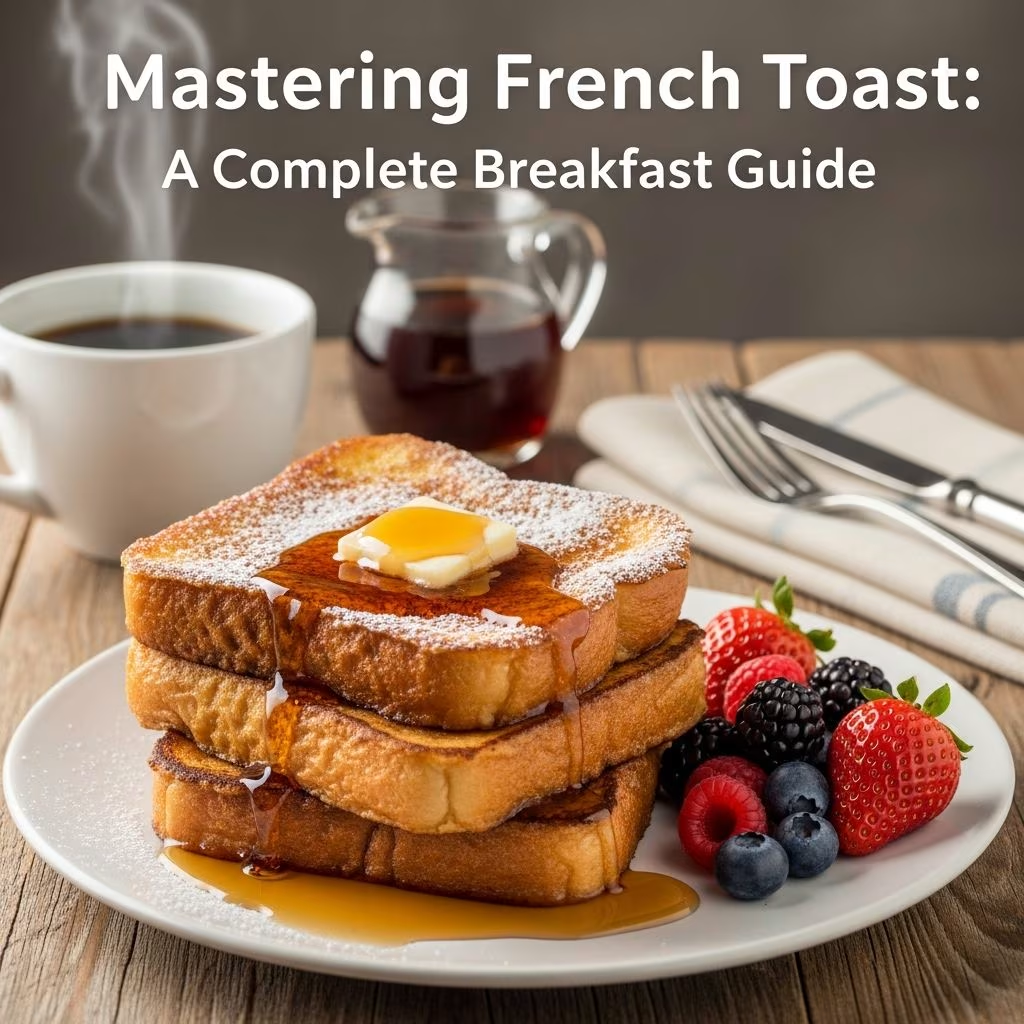
Warm maple syrup remains the traditional accompaniment, complementing the custardy interior and providing familiar sweetness. Powdered sugar, sifted over warm pieces, adds visual appeal and subtle sweetness. Fresh berries contribute tartness and textural contrast, while whipped cream adds luxurious richness.
Elevated Variations
Caramelized bananas introduce subtle fruit flavor and elegant presentation. Rich maple butter, created by mixing softened butter with maple syrup, melts into warm French toast, creating an indulgent sauce. Crème fraîche provides sophisticated tang that balances sweetness. Caramelized brown sugar and cinnamon create textural complexity, while chocolate chips or drizzles appeal to those preferring sweeter preparations.
Common Mistakes and Solutions
| Problem | Cause | Solution |
|---|---|---|
| Soggy, waterlogged interior | Excessive batter soaking or low cooking temperature | Reduce soaking time, increase heat slightly, or use staler bread |
| Dry, tough texture | Insufficient batter absorption or overcooking | Increase soaking duration, lower heat, or remove from heat sooner |
| Burnt exterior, raw interior | Excessive heat without adequate cooking time | Reduce temperature, ensure adequate pan size, and increase cooking duration |
| Pale, unappealing color | Insufficient butter or too-low cooking temperature | Add more butter or oil, increase heat slightly |
| Bread falling apart | Bread too soft or excessive soaking | Use sturdier bread or thicker slices, reduce soaking time |
Frequently Asked Questions
Can I prepare the batter ahead of time?
Yes, batter keeps refrigerated for up to twenty-four hours. Stir briefly before using, as separation may occur during storage. Preparing batter the evening before reduces morning preparation time for busy households.
What bread types work best for French toast?
Brioche, challah, Texas Toast, and thick-cut artisanal breads all produce excellent results. Avoid thin sandwich bread, which lacks structural integrity. Day-old bread performs better than fresh due to improved moisture absorption characteristics.
Is it possible to make French toast in an oven rather than on a stovetop?
While some recipes bake prepared French toast in a hot oven, traditional stovetop cooking provides better crust development and more consistent results. Oven methods work adequately for large-batch preparation but typically produce less textural contrast.
How does cream affect the final product compared to milk?
Heavy cream creates substantially richer, more custardy interiors compared to milk-based preparations. The higher fat content produces silkier texture and more luxurious mouthfeel, though milk remains perfectly acceptable for standard preparations.
What makes French toast fluffy versus dense?
Adding flour to the batter increases fluffiness by incorporating more structure. Thicker bread slices, adequate soaking time, and moderate cooking temperatures also contribute to light, airy texture rather than dense, heavy results.
Scaling Recipes for Different Occasions
French toast adapts seamlessly to various serving sizes. A standard recipe using four eggs and one cup milk yields approximately eight slices, serving four people generously. For smaller households, halving the recipe produces two to three servings. Larger gatherings require simple multiplication of ingredients, though cooking in batches rather than increasing pan size maintains temperature control and consistent results.
Conclusion: Developing Mastery Through Practice
Creating exceptional French toast requires understanding ingredient roles, respecting proper technique, and developing judgment about bread characteristics and heat management. The fundamentals—quality bread, properly balanced batter, moderate heat, and appropriate soaking time—provide the foundation for success. With practice, home cooks develop intuition about timing and temperature, adapting recipes based on available ingredients and personal preferences. French toast transforms from a simple breakfast dish into an opportunity for culinary creativity, whether served at casual family meals or elegant brunch gatherings. By mastering these techniques and understanding the reasoning behind each step, anyone can consistently produce restaurant-quality French toast at home.
References
- Easy French Toast Recipe — Tastes Better From Scratch. Accessed 2026. https://tastesbetterfromscratch.com/classic-french-toast/
- Classic French Toast Recipe — Budget Bytes. Accessed 2026. https://www.budgetbytes.com/french-toast/
- French Toast Recipe — King Arthur Baking. Accessed 2026. https://www.kingarthurbaking.com/recipes/french-toast-recipe
- Easy French Toast Recipe — Preppy Kitchen via YouTube. Accessed 2026. https://www.youtube.com/watch?v=Km7KRbKVu88
- How NYC’s Best French Toast is Made — Bon Appétit via YouTube. Accessed 2026. https://www.youtube.com/watch?v=EcgxV1KLjvI