Custard represents one of the most timeless and elegant desserts in culinary tradition, offering both simplicity and sophistication in a single spoonful. This creamy, delicate confection has graced tables for centuries, yet many home cooks hesitate to attempt it, fearing technical complexity or unpredictable results. However, with the right understanding of ingredients, proportions, and technique, anyone can create restaurant-quality custard in their own kitchen. This comprehensive guide unveils the secrets to achieving custard perfection, transforming what seems like an intimidating dessert into an achievable and rewarding culinary creation.
Understanding the Fundamentals of Custard
Custard’s magic lies in its deceptively simple ingredient list combined with precise cooking methodology. At its core, this dessert consists of eggs, milk or cream, sugar, and flavoring—nothing more. The transformation from these basic components into a luscious, velvety texture depends entirely on understanding how heat affects egg proteins and how to manage that transformation carefully. The egg serves as both binder and emulsifier, creating the characteristic smooth consistency that defines excellent custard.
The chemistry behind custard involves protein coagulation. When eggs are exposed to heat, their proteins gradually set, trapping liquid and creating a gel-like structure. The challenge lies in reaching the optimal temperature where proteins set sufficiently to create structure without overheating, which causes the mixture to become grainy or break apart. This balance distinguishes mediocre custard from exceptional versions.
Essential Ingredients and Their Roles
Creating exceptional custard begins with understanding each ingredient’s contribution to the final product. The dairy component provides richness and volume. While whole milk creates a lighter custard, combining milk with cream or half-and-half produces a more luxurious texture. The proportion of dairy typically ranges from two to four cups, depending on whether you prefer a denser or more pourable custard.
Eggs serve as the primary thickening agent. Most recipes call for four to six large eggs, with some preparations including additional egg yolks for extra richness. The yolk contains more fat than the white, contributing both to texture and flavor development. Sugar not only sweetens but also raises the coagulation temperature slightly, providing a margin of safety during cooking. Vanilla extract adds aromatic complexity, though some recipes incorporate other flavorings such as nutmeg or other spices.
Salt plays a critical role that many overlook. Even a quarter teaspoon enhances flavor perception and balances sweetness, creating a more sophisticated taste profile.
Ingredient Quality Considerations
- Use the freshest eggs available, as they create smoother, more homogeneous mixtures
- Select whole milk or cream from reputable dairy sources for optimal flavor
- Choose pure vanilla extract rather than imitation for superior taste
- Consider freshly grated nutmeg rather than pre-ground for enhanced aromatics
Preparation Methodology: From Mixing to Baking
The preparation process begins with careful mixing. Eggs, sugar, and salt should be whisked together until thoroughly combined, but not to the point of creating excessive foam. Over-whisking introduces air bubbles that create an uneven texture in the finished custard. Many recipes recommend using a blender for smooth, uniform mixing without incorporating excess air.
The milk heating step requires particular attention. Warming the milk to approximately 180 degrees Fahrenheit, just before it reaches a simmer, prepares it for gradual incorporation into the egg mixture. This temperature threshold prevents the eggs from shocking into premature coagulation when combined with the liquid. The slow addition of warm milk while whisking vigorously ensures even distribution and prevents curdling.
The Water Bath Technique
The water bath, or bain-marie, represents the most crucial aspect of custard preparation. This method surrounds the custard with gently circulating hot water, providing uniform, gentle heat that prevents the outer edges from overcooking while the center remains underdone. The water should reach approximately halfway to the rim of the custard dish, or ideally to the same level as the custard itself.
Covering the casserole dish with foil during baking prevents the top from browning excessively while the interior cooks. This protective barrier maintains even heat distribution and prevents moisture loss that could result in a tough, rubbery surface.
Baking Parameters and Temperature Control
Oven temperature significantly influences the final outcome. Most custard recipes call for temperatures between 300 and 350 degrees Fahrenheit. Lower temperatures (300-325°F) provide gentler, more even cooking, particularly for individual portions in ramekins or jars. Higher temperatures (350°F) work better for larger casserole dishes and produce faster cooking times, though they require closer monitoring to prevent overcooking.
Cooking time varies based on portion size and oven characteristics. Individual custard cups typically bake for 30 to 40 minutes, while a full 9×13 casserole might require up to an hour. The custard reaches completion when the edges appear set but the center retains a slight jiggle when gently shaken. This seemingly underdone state indicates proper doneness, as residual heat continues cooking the center after removal from the oven.
Achieving the Perfect Texture
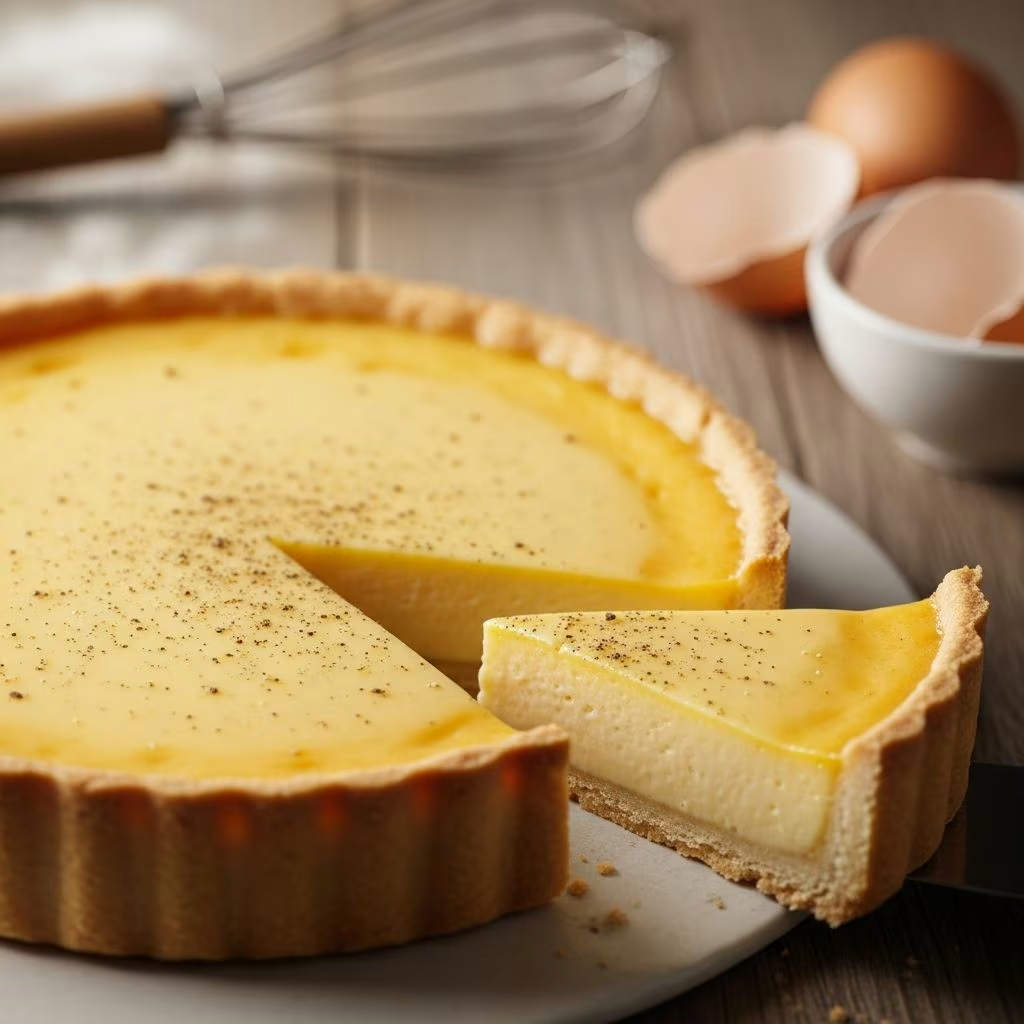
The textural distinction between excellent and ordinary custard comes down to precise execution. A perfectly prepared custard presents a silky, smooth consistency that coats the spoon without being thick or starchy. The surface may exhibit slight weeping—small pools of clear liquid that separate from the custard—which is entirely normal and indicates proper moisture balance.
Common texture problems typically stem from temperature mistakes. Overcooking creates a grainy, curdled appearance caused by excessive protein coagulation. Undercooking results in a watery mixture that fails to set properly. Inconsistent heat distribution produces an uneven texture with firm edges and liquid center.
Texture Troubleshooting Guide
| Problem | Cause | Prevention |
|---|---|---|
| Grainy, curdled texture | Overcooking or uneven heat | Use water bath; monitor carefully; remove at first sign of doneness |
| Too thin or watery | Undercooking | Ensure adequate baking time; verify oven temperature accuracy |
| Separated or weeping | Excessive cooling or age | Serve within 24 hours; store covered; serve chilled or at room temperature |
| Rubbery texture | Extended cooking or high temperature | Reduce temperature; use foil cover; shorten baking time |
Flavor Variations and Creative Adaptations
While classic custard relies on vanilla and nutmeg, this versatile dessert welcomes numerous flavor interpretations. Citrus zest—lemon, orange, or lime—adds brightness and complexity. Almond extract provides subtle nuttiness when used sparingly. Ground cinnamon or cardamom introduces warm spice notes that complement the inherent richness.
Some recipes incorporate brown sugar instead of white sugar, creating deeper caramel notes. Others add a tablespoon of rum or brandy for sophisticated depth. Experimenting with flavoring combinations allows home cooks to develop signature versions that reflect personal preferences.
Serving Suggestions and Storage
Custard achieves its best flavor and texture when served slightly warm or at room temperature, rather than directly from the refrigerator. This temperature range allows the subtle flavors to develop fully while maintaining the silky texture. Individual portions in elegant dishes create impressive dessert presentations suitable for formal occasions.
Proper storage extends custard’s shelf life significantly. Covered containers in the refrigerator preserve quality for up to three days, though consumption within 24 hours typically provides optimal texture and flavor. Freezing generally produces unsatisfactory results due to separation and texture changes upon thawing.
Advanced Techniques for Consistent Success
Professional bakers employ several techniques that ensure reliable results. Pre-straining the mixture through fine mesh removes any coagulated egg bits that might have formed during mixing, creating a completely smooth final product. Some recipes recommend placing individual ramekins or cups directly into a muffin tin before adding to the water bath, preventing shifting and ensuring even cooking.
Oven thermometer verification eliminates guesswork about actual baking temperature. Many home ovens run hot or cool, making calibration essential for consistent results. Similarly, testing oven heat distribution by placing the thermometer in various positions reveals whether particular areas cook hotter than others.
Frequently Asked Questions About Custard
Can custard be made without a water bath?
While traditional methods employ water baths for gentle, even cooking, some recipes successfully bake custard directly in the oven at lower temperatures without a water bath. This method requires careful monitoring and typically produces acceptable results, though the water bath method remains more reliable for achieving perfectly silky texture throughout.
What type of milk produces the best results?
Whole milk provides superior flavor compared to lower-fat options, though recipes using 2% milk also produce satisfactory results. Cream or half-and-half incorporated with whole milk creates the richest texture. Some preparations combine different dairy types for balanced flavor and texture.
How can excessive foam be prevented?
Gentle whisking rather than vigorous beating minimizes foam formation. Using a blender to combine eggs with sugar and flavorings produces smooth mixtures without the aeration that whisks create. Allowing any foam that forms to dissipate before pouring into baking dishes also improves final texture.
Is nutmeg topping essential?
Nutmeg garnish serves as a traditional finishing touch that adds aromatic appeal and visual interest. While entirely optional, it enhances the classic custard experience. Fresh nutmeg provides superior flavor compared to pre-ground versions.
Conclusion: Embracing Custard as an Achievable Dessert
Creating exceptional custard requires understanding fundamental principles rather than complicated techniques. By respecting ingredient interactions, managing heat precisely, and following proven methodology, anyone can produce silky, luxurious custard that rivals restaurant versions. This timeless dessert deserves a place in home cooking repertoires, offering elegance, simplicity, and the satisfaction of mastering a classic culinary technique. With practice and attention to detail, custard transforms from an intimidating challenge into a reliable, rewarding dessert that impresses family and guests alike.
References
- Simple Egg Custard Recipe — An Edible Mosaic. Retrieved April 2026. https://www.anediblemosaic.com/simple-egg-custard-recipe/
- Fail-Proof Egg Custard — 12 Tomatoes. Retrieved April 2026. https://12tomatoes.com/fail-proof-egg-custard/
- Easy Egg Custard — Meyer Eats, YouTube. Retrieved April 2026. https://www.youtube.com/watch?v=mfdTEAzDl0U
- Baked Egg Custard — My Country Table. Retrieved April 2026. https://mycountrytable.com/baked-egg-custard/
- Old Fashioned Egg Custard Recipe — One Hundred Dollars a Month. Retrieved April 2026. https://www.onehundreddollarsamonth.com/old-fashioned-egg-custard-recipe/
- The Best Baked Egg Custard — A Feast For The Eyes. Retrieved April 2026. https://afeastfortheeyes.net/2025/04/baked-egg-custard.html