Understanding Apple Pie Moonshine and Its Appeal
Apple pie moonshine represents a distinctive category of home-infused spirits that captures the essence of autumn in a bottle. This creation blends the comforting flavors of fresh apples with warm spice undertones, producing a beverage that appeals to those seeking unique homemade spirits. The drink gained popularity as an artisanal alternative to commercially produced liqueurs, offering creators the ability to control ingredients, sweetness levels, and overall flavor profiles.
The appeal of making moonshine at home extends beyond simple flavor preference. Crafting this beverage provides an engaging culinary project that yields multiple servings suitable for gatherings, celebrations, or thoughtful homemade gifts. The process requires minimal specialized equipment compared to traditional distilling methods, making it accessible to home beverage enthusiasts with varying experience levels.
Essential Components for Your Recipe
Creating exceptional apple pie moonshine begins with understanding the foundational ingredients and their specific roles in flavor development. Each component contributes meaningfully to the final product’s character and taste experience.
Base Liquid Elements
The foundation of quality apple pie moonshine relies on combining fresh apple cider with apple juice to establish the characteristic fruity undertones. These two ingredients work synergistically—apple cider provides deeper, more complex apple flavors while juice contributes lighter, brighter notes. Together, they create a balanced fruit platform that supports the alcohol and spice additions without becoming overly sweet or thin.
A typical batch combines one full gallon of apple cider alongside one gallon of apple juice. This ratio ensures sufficient volume for infusion while maintaining proper flavor concentration. When shopping for these ingredients, selecting products without artificial additives preserves the authentic taste profile and allows the spice elements to shine without competing flavors.
Sweetening Agents
Sugar plays a crucial role in both flavor development and preservation of your finished moonshine. The combination of white and brown sugar creates dimensional sweetness—white sugar provides clean sweetness while brown sugar introduces subtle molasses notes that complement warm spices. Typically, recipes incorporate two cups of white sugar and two cups of brown sugar per standard batch.
The sweetness level significantly impacts the drinking experience. Some enthusiasts prefer intensified sweetness while others advocate for subtler backgrounds that let spice characteristics dominate. This flexibility allows personal preference to guide adjustments after the initial infusion period, discussed in detail later.
Spice Selection and Proportions
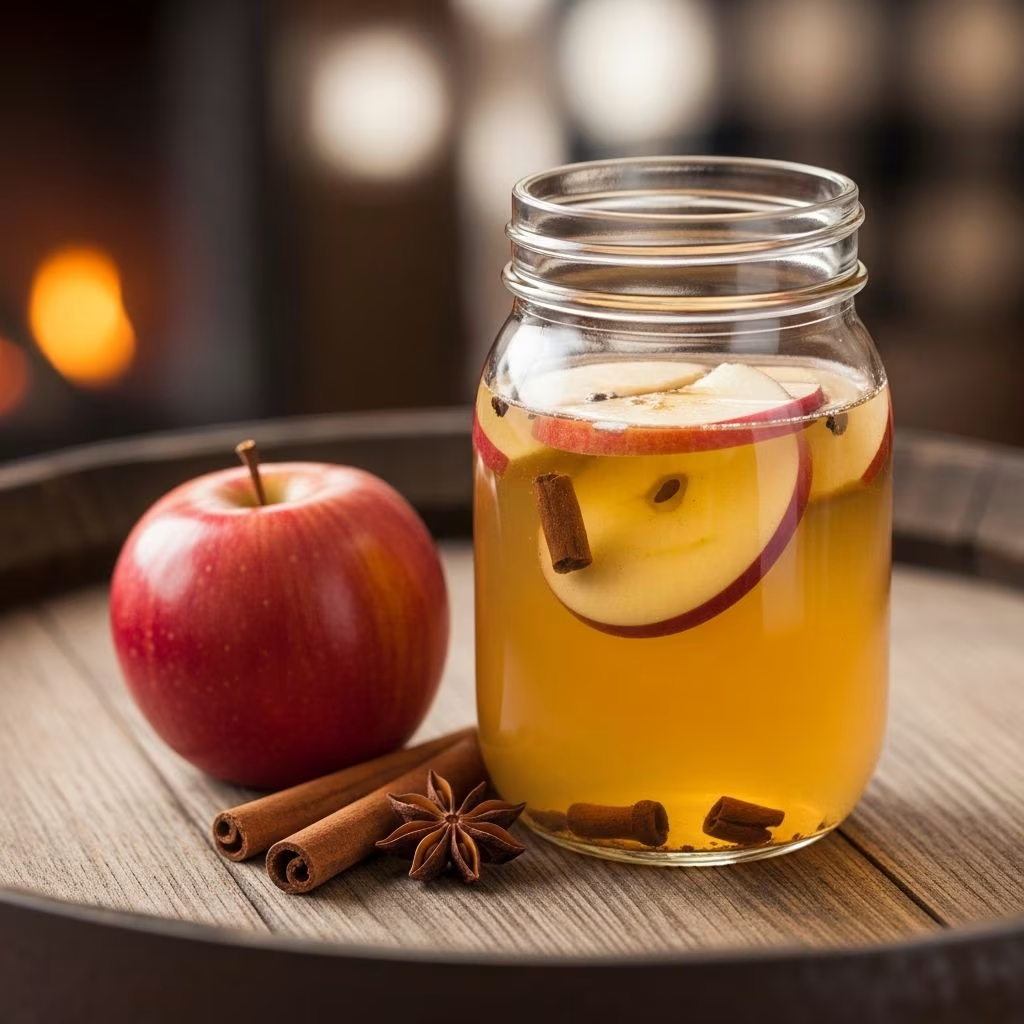
Spices define the signature character of apple pie moonshine, transforming ordinary apple-sweetened alcohol into an evocative seasonal beverage. Cinnamon sticks serve as the primary spice element, typically using six full-length sticks plus additional pieces for garnish. These sticks release their essential oils gradually during the heating and infusion process, creating warmth that feels natural rather than artificial.
Apple pie spice blends combine multiple complementary spices into convenient packages, typically featuring cinnamon, nutmeg, allspice, and cloves. This mixture approach streamlines ingredient assembly while ensuring proper flavor balance among various spice components. Beyond pre-mixed options, some recipes incorporate individual spice additions such as nutmeg dashes or allspice pinches to customize the final flavor intensity.
Alcohol Foundation
The alcohol base fundamentally determines your moonshine’s strength and smoothness. Professional recipes typically employ 190-proof grain alcohol as the primary spirit component, combined with vodka to moderate the raw grain alcohol intensity. A standard approach uses one 750-milliliter bottle of each spirit per batch, though variations exist based on personal preference for alcohol strength and flavor profile.
Alternative alcohol combinations appear in different preparations. Some creators substitute spiced rum or bourbon for traditional vodka, introducing additional flavor dimensions from the aged spirits. These modifications yield distinctive variations while maintaining the core apple-pie character that defines the category.
Step-by-Step Production Method
Initial Preparation Phase
Begin by gathering all ingredients and assembling your equipment in an organized workspace. A large stock pot serves as the primary vessel for combining and heating liquid components. Ensure the pot is thoroughly cleaned and dry before beginning, preventing any contamination that might affect flavor development or preservation.
Heating and Infusion Process
Combine the apple cider, apple juice, white sugar, brown sugar, cinnamon sticks, and apple pie spice in your stock pot, then apply heat gradually. Bring the mixture to near-boiling temperature—watch for steam rising and gentle bubbling around the pot’s edges—without allowing a full rolling boil. This controlled heating allows sugar dissolution and initiates spice infusion while preventing volatile flavor compound loss through excessive evaporation.
Once appropriate temperature is reached, reduce heat and cover the pot with a lid. Allow the mixture to simmer gently for approximately one hour. This extended heating period permits complete sugar incorporation and comprehensive spice extraction. The covered pot prevents excessive liquid evaporation while containing aromatic compounds within the vessel.
Cooling and Spirit Integration
Remove the pot from heat and allow the entire mixture to cool to room temperature without covering. This cooling period is essential—adding high-proof spirits to hot liquid risks unintended chemical reactions and flavor degradation. Patience during this stage directly impacts final quality, making it a worthwhile investment of time.
Once completely cool, remove the cinnamon sticks and discard them. At this point, introduce the grain alcohol and vodka by stirring thoroughly to ensure even distribution. The cold base liquid properly dilutes and integrates the high-proof spirits, creating a smooth final product rather than a harsh or unbalanced mixture.
Storage and Maturation
Transfer the finished moonshine into sterilized quart jars or bottles for storage. Include a cinnamon stick in each container for visual appeal and gentle continued flavor enhancement during storage. Proper sterilization prevents bacterial contamination and ensures your creation maintains quality throughout the storage period.
Flavor Customization Strategies
Spice Experimentation
While cinnamon represents the foundation spice, creative experimentation can yield unique variations. Nutmeg, allspice, and cloves each contribute distinct character when incorporated thoughtfully. These additions create depth and complexity that moves beyond straightforward cinnamon sweetness into more sophisticated territory.
Begin customization conservatively, adding small amounts of supplementary spices rather than large quantities. The infusion process allows flavors to intensify over days or weeks, so initial restraint prevents over-spicing that becomes unpalatable. Taste testing after the initial maturation period guides subsequent batches toward your preferred flavor balance.
Sweetness Adjustment
Personal sweetness preferences vary considerably, making post-infusion adjustment a valuable capability. After one to two days of infusion, sample your creation and evaluate whether sweetness meets your expectations. Additional sugar can be incorporated gradually if a sweeter profile is desired, taking care to avoid overwhelming apple and spice flavors.
For those preferring less sweetness, dilution with additional grain alcohol or apple cider can reduce the sugar concentration. This flexibility transforms recipes into starting points for personalization rather than rigid formulas that don’t accommodate individual taste preferences.
Texture and Body Enhancement
Some variations incorporate fresh apple chunks into the infusion process, adding texture and intensifying fruit flavor. These apple pieces are typically cut into two-inch chunks and added during the heating phase. After cooling, they can be mashed with a potato masher and strained from the finished product, or left intact for visual effect.
Serving Suggestions and Cocktail Applications
Straight Consumption
Apple pie moonshine serves beautifully as a neat spirit, chilled and enjoyed in small quantities. The balance of fruit sweetness and spice warmth creates a complete flavor experience requiring no additional ingredients. Serving over ice mellows the alcohol intensity while highlighting crisp apple characteristics.
Mixer Combinations
Ginger ale creates a naturally harmonious pairing with apple pie moonshine, the spicy ginger notes complementing warm baking spices inherent to the spirit. This simple combination produces an immediately refreshing beverage requiring minimal preparation during gatherings.
Apple cider mixed with moonshine recreates autumn flavors in contemporary form, either served hot for winter occasions or chilled for extended seasons. The natural affinity between cider and infused apple spirit makes this combination intuitive and accessible.
Advanced Cocktail Recipes
Milkshake preparations blend moonshine with vanilla ice cream and milk, creating dessert-like beverages topped with whipped cream and caramel drizzle. These indulgent creations work particularly well for special occasions or themed gatherings where unexpected beverage presentations generate conversation.
Classic cocktail adaptations incorporate moonshine into old-fashioned preparations, substituting moonshine for traditional whiskey while maintaining supporting ingredients like bitters and citrus. Ginger beer-based drinks create refreshing alternatives for warm weather consumption, transforming the spirit into balanced beverages rather than sweet shots.
Storage Guidelines and Shelf Life Considerations
Properly stored apple pie moonshine remains viable for extended periods due to high alcohol content inhibiting bacterial growth. Storage in cool, dark locations away from direct sunlight preserves flavor integrity and prevents color degradation from UV exposure. Glass containers with tight-sealing lids provide optimal protection compared to plastic alternatives.
The high-proof alcohol acts as a preservative, meaning your creation doesn’t require refrigeration for safety, though chilling before service enhances the drinking experience. Most homemade preparations maintain quality for six months to one year under appropriate storage conditions, though gradual flavor evolution may occur over extended periods.
Frequently Asked Questions
What’s the Difference Between Moonshine and Regular Spirits?
Moonshine traditionally refers to illegally distilled spirits, but modern usage encompasses home-infused creations like this recipe. Commercial moonshine products are legitimately produced and sold, while homemade versions represent infused spirits using commercially available high-proof alcohol rather than actual distillation.
Can I Reduce the Alcohol Content?
Yes, decreasing the amount of grain alcohol and vodka proportionally reduces overall proof. Substituting additional apple juice or cider for portions of the alcohol creates a less potent final product, though this affects preservation properties and flavor intensity. Experimentation guides proper ratios for individual preferences.
How Long Until It’s Ready to Consume?
The moonshine is technically drinkable immediately after alcohol addition and cooling, but flavors benefit from 24-48 hours of maturation. Extended storage for weeks or months allows spice flavors to deepen and integrate more completely, yielding superior results compared to immediate consumption.
What Containers Work Best for Storage?
Glass jars and bottles with tight-sealing lids represent the ideal storage solution. Avoid plastic containers that may leach materials into high-proof spirits or absorb flavors, compromising purity. Mason jars and decorative glass bottles serve equally well for storage and gift presentation.
Can This Be Gifted?
Homemade apple pie moonshine makes a thoughtful gift option when local laws permit home spirit creation and gifting. Properly labeled bottles with flavor descriptions and serving suggestions enhance the gift presentation. Including small recipe cards or serving suggestions adds personalization and recipient guidance.
Conclusion
Creating apple pie moonshine at home combines straightforward technique with meaningful flavor customization potential. From ingredient selection through serving presentations, each step offers opportunities to refine the final product toward personal preferences. Whether prepared for personal enjoyment, gathering service, or thoughtful gift-giving, this versatile spirit captures seasonal appeal while providing creative expression through beverage crafting.
References
- Apple Pie Moonshine Recipe — Inspired by Charm. 2024. Available at: https://inspiredbycharm.com/apple-pie-moonshine/