Cream cheese frosting stands as one of the most versatile and beloved toppings in the baking world. Its tangy, rich flavor profile pairs beautifully with countless cake varieties, from classic carrot cakes to red velvet creations and contemporary flavor innovations. Despite its sophisticated taste, achieving the ideal texture and consistency requires understanding key techniques and ingredient selection methods that separate mediocre frosting from exceptional results.
Understanding Your Core Ingredients
The foundation of exceptional cream cheese frosting begins with selecting the right components. Each ingredient serves a specific purpose in creating the final product’s texture, flavor, and workability. Choosing premium-quality ingredients directly impacts the frosting’s performance and taste profile.
Cream Cheese: The Essential Base
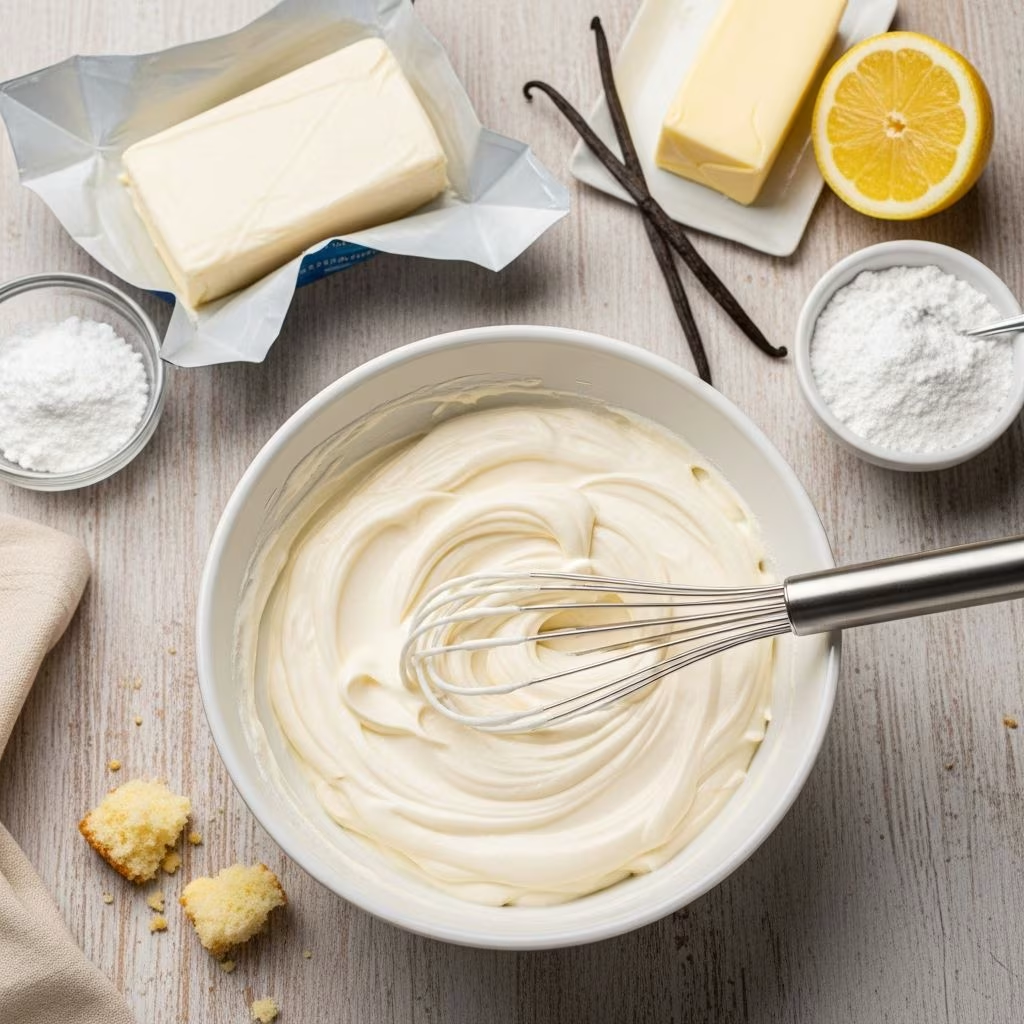
Full-fat, brick-style cream cheese forms the frosting’s flavor foundation and provides its characteristic tangy taste. Block-style cream cheese, as opposed to spreadable or whipped varieties, delivers superior texture and richer flavor complexity. The cream cheese should reach room temperature or be slightly softened before incorporation into your mixing bowl. Cold cream cheese resists proper blending and creates lumpy, undesirable textures. For optimal results, remove cream cheese from refrigeration 30 to 45 minutes before preparation, allowing it to soften naturally without becoming too warm or greasy.
Butter Selection and Temperature
Unsalted butter contributes essential fatty richness and enables proper piping consistency for cake decoration. Softened butter combines smoothly with cream cheese, creating a unified, creamy base. Temperature control proves critical—butter that remains too firm produces grainy, lumpy frosting, while excessively soft or melted butter results in a runny, unworkable consistency. Room temperature butter should be soft enough to indent easily with your finger but still maintain its shape.
Powdered Sugar: Creating Structure
Confectioners’ sugar, also called powdered sugar, provides sweetness and structure to the frosting while creating the desired thickness for piping and spreading. The quantity varies based on desired consistency preferences—additional powdered sugar creates stiffer frosting suitable for intricate piping work, while less sugar produces a softer, spreadable consistency. Sifting powdered sugar before incorporation prevents lumps and ensures smooth blending with wet ingredients.
Vanilla and Flavor Enhancers
Pure vanilla extract delivers subtle flavor enhancement without overpowering the frosting’s natural tanginess. Sea salt or table salt in small quantities balances sweetness and brightens flavor complexity. These minor components transform frosting from one-dimensional to nuanced and sophisticated.
Step-by-Step Preparation Process
Initial Mixing Phase
Begin by placing softened butter and room-temperature cream cheese in a large mixing bowl. Using an electric mixer fitted with a paddle attachment (or a standard hand mixer), beat these ingredients together on low to medium speed for approximately one minute. The mixture will initially appear grainy and separated, resembling cottage cheese in texture. Continue mixing for an additional two to three minutes until the butter and cream cheese transform into a smooth, fluffy, and completely homogeneous blend. Scrape down the mixing bowl’s sides and bottom periodically to ensure all ingredients incorporate fully.
Adding Flavor Components
Once the butter and cream cheese reach proper consistency, add vanilla extract and salt. Mix these additions thoroughly until completely combined. At this stage, the mixture should display a creamy appearance and smooth texture free of visible lumps or separation.
Powdered Sugar Incorporation
Reduce mixer speed to low and gradually add powdered sugar in batches, mixing thoroughly between each addition. This gradual approach prevents powdered sugar from dispersing into the air and ensures even distribution throughout the frosting. After each powdered sugar addition, increase mixer speed briefly to high for a few seconds, incorporating additional air into the frosting for improved volume and texture. Continue this process until all powdered sugar combines completely.
Achieving Desired Consistency
The final frosting consistency depends on intended application. For piping intricate designs and decorations, beat in additional powdered sugar one tablespoon at a time until reaching a thick, stiff consistency that holds peaks. For spreading on cake layers or creating smooth finishes, stop mixing once sugar incorporates fully. Taste the frosting and adjust seasoning by adding a pinch of salt if needed.
Ingredient Measurements and Variations
Different recipes yield varying quantities suitable for different cake sizes and decoration intensity levels. Understanding proportional relationships helps you scale recipes according to your specific needs.
| Cake Size | Butter | Cream Cheese | Powdered Sugar | Vanilla | Yield |
|---|---|---|---|---|---|
| 8-9″ Two-Layer Cake | ½ cup (1 stick) | 8 oz | 3-4 cups | 1 teaspoon | Full Coverage |
| 12 Cupcakes (Generous) | ½ cup (1 stick) | 8 oz | 3-4 cups | 1 teaspoon | Abundant Frosting |
| 24 Cupcakes (Standard) | ½ cup (1 stick) | 8 oz | 4 cups | 1 teaspoon | Moderate Coverage |
| Large Celebration Cake | ¾ cup (1.5 sticks) | 12 oz | 7 cups | 2 teaspoons | Generous Layers |
Troubleshooting Common Issues
Lumpy Texture Problems
Lumpy frosting typically results from inadequate initial mixing of butter and cream cheese or insufficient incorporation of powdered sugar. Solution: Return the frosting to your mixer and beat on medium speed for an additional minute or two. Scrape down the sides frequently to capture unmixed portions. If lumpiness persists, strain the frosting through a fine-mesh sieve before using.
Overly Soft or Runny Consistency
Soft frosting develops when ingredients remain too warm, butter was excessively soft, or insufficient powdered sugar was incorporated. Solution: Refrigerate the frosting for 15 to 20 minutes to firm the texture, or gradually incorporate additional powdered sugar one tablespoon at a time while mixing.
Overly Stiff Texture
Adding excessive powdered sugar or over-mixing creates frosting too thick for spreading or piping smoothly. Solution: Beat in a few teaspoons of heavy cream or milk to soften the consistency without compromising structure.
Grainy or Gritty Quality
Grainy frosting results from unmelted powdered sugar, cold cream cheese, or insufficient mixing time. Solution: Sift powdered sugar before incorporation, ensure all ingredients reach room temperature, and extend mixing time to allow proper integration.
Storage and Make-Ahead Preparation
Cream cheese frosting keeps refrigerated in an airtight container for up to one week. Remove from refrigeration 15 to 20 minutes before using to allow the frosting to soften slightly for optimal spreading or piping consistency. The frosting may be prepared one to two days in advance, allowing busy bakers to manage preparation timelines effectively. For longer storage, freeze frosting in airtight containers for up to three months. Thaw overnight in the refrigerator before use.
Flavor Enhancement and Creative Variations
While traditional cream cheese frosting appeals to numerous palates, creative modifications expand its versatility. Add unsweetened cocoa powder for chocolate variations, instant coffee dissolved in hot water for mocha-inspired flavors, or fruit purees for natural color and flavor complexity. These additions maintain the frosting’s essential character while introducing exciting new dimensions. Approximately one-quarter cup of puree per two cups of frosting maintains proper consistency while delivering noticeable flavor impact.
Professional Tips for Success
- Temperature Control: All ingredients must reach room temperature for optimal blending and smooth texture development
- Gradual Sugar Addition: Slowly incorporate powdered sugar to prevent lumps and ensure even distribution
- Paddle Attachment Usage: Stand mixers with paddle attachments outperform hand mixers by incorporating adequate air while maintaining proper texture
- Scraping Bowl Sides: Frequently scrape mixing bowl sides and bottom to capture all unmixed ingredients
- Timing Consideration: Prepare frosting shortly before cake decoration for best results, as frosting stiffens slightly over time
- Piping Practice: Test frosting consistency by piping onto parchment paper before applying to finished cake
Frequently Asked Questions
Can I use salted butter instead of unsalted?
While unsalted butter allows better salt control, salted butter may substitute in equal quantities. Reduce or eliminate added salt from the recipe to prevent excessive saltiness.
What’s the difference between cream cheese and whipped cream cheese?
Full-fat brick-style cream cheese provides superior texture and richer flavor compared to whipped or spreadable varieties, which contain added air and moisture affecting frosting consistency and stability.
How long does cream cheese frosting last once applied to cake?
Frosted cakes should remain refrigerated and may be stored for three to four days before serving. Remove from refrigeration 30 minutes before serving for optimal texture and flavor.
Can cream cheese frosting be made in advance?
Yes, frosting keeps refrigerated in airtight containers for one week or frozen for up to three months. Refrigerate frosted cakes immediately and consume within four days.
Why does my frosting separate or become greasy?
Over-mixing or overly warm ingredients cause separation and greasy appearance. Mix only until ingredients combine completely, and ensure all components reach proper room temperature before blending.
References
- Love and Lemons Cream Cheese Frosting Guide — Love and Lemons. Retrieved April 2026. https://www.loveandlemons.com/cream-cheese-frosting/
- Best Cream Cheese Frosting Recipe — Sugar Spun Run. Retrieved April 2026. https://sugarspunrun.com/cream-cheese-frosting/
- How to Make Perfect Cream Cheese Frosting — Mrs. Happy Homemaker. Retrieved April 2026. https://www.mrshappyhomemaker.com/cream-cheese-frosting/
- Cream Cheese Frosting Recipe — To Simply Inspire. Retrieved April 2026. https://www.tosimplyinspire.com/cream-cheese-frosting.html
- The Best Cream Cheese Frosting Recipe — The Pioneer Woman. Retrieved April 2026. https://www.thepioneerwoman.com/food-cooking/recipes/a66031083/cream-cheese-frosting-recipe/