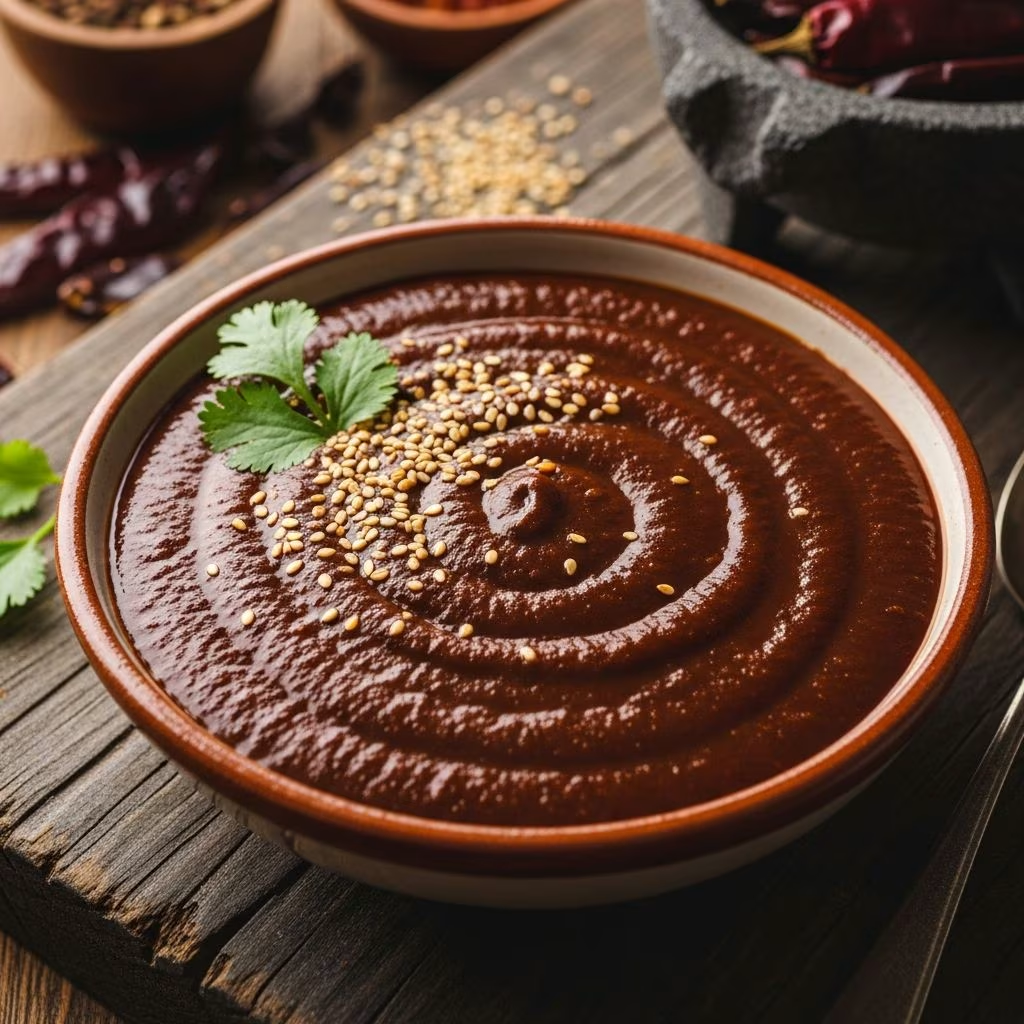
Rich, velvety, and layered with flavors, mole poblano stands as one of Mexico’s most celebrated culinary creations. This traditional sauce combines the heat of dried chiles, the earthiness of nuts and seeds, the sweetness of fruit and chocolate, and aromatic spices into a harmonious blend that’s both complex and comforting. Often poured over tender chicken or used to fill enchiladas, mole poblano transforms simple ingredients into a feast worthy of special occasions.
The Rich Heritage of Mole Poblano
Mole poblano originates from the Puebla region of Mexico, where it evolved over centuries. Legend ties its creation to the 16th century, blending indigenous ingredients like chiles, cacao, and corn with Spanish introductions such as cinnamon and nuts. This fusion reflects Mexico’s vibrant culinary history, making mole a symbol of cultural synthesis. Today, it’s a staple in festive meals, especially during holidays like Day of the Dead or Christmas, showcasing the depth of pre-Hispanic and colonial influences.
At its core, mole poblano—often simply called “mole”—relies on toasting and blending to unlock flavors. The process, though time-intensive, rewards with a sauce that’s nutty, spicy, slightly sweet, and profoundly savory. Understanding its roots helps appreciate why patience is key: each step builds the sauce’s signature profile.
Essential Ingredients for True Mole Poblano
Authentic mole poblano demands specific dried chiles, which provide the foundation of heat, color, and smokiness. Key players include ancho, mulato, and pasilla chiles for their mild fruitiness and depth. Chipotle chiles add smokiness, while nuts like peanuts and almonds contribute creaminess. Seeds such as sesame and spices like cinnamon, cloves, and anise bring warmth and complexity. Finally, Mexican chocolate and piloncillo (unrefined sugar) balance the flavors with subtle sweetness.
- Dried Chiles: 7 ancho, 6 mulato, 6 pasilla, 3 chipotle—stemmed, seeded, and toasted.
- Nuts and Seeds: Peanuts, almonds, sesame seeds, pepitas—for texture and richness.
- Aromatics: Onion, garlic, tomatoes—simmered for base notes.
- Thickeners: Stale bread, corn tortillas, plantain—for body without flour.
- Spices: Cinnamon, cloves, peppercorns, cumin, anise—lightly toasted.
- Sweeteners: Raisins, piloncillo, dark chocolate—for balance.
- Broth: Chicken or vegetable stock—to achieve silky consistency.
These components, when properly prepared, yield about 8-10 servings of sauce, enough for a family feast.
Step-by-Step Guide to Preparing Mole Poblano
Crafting mole poblano from scratch involves toasting, soaking, blending, and simmering. Allow 2-3 hours for the full process, though much is hands-off. Start with fresh, high-quality chiles to avoid bitterness.
1. Prepare and Toast the Chiles
Using scissors, open dried chiles lengthwise, remove veins and seeds to reduce heat. Heat a dry comal or skillet over medium flame. Toast chiles 10-20 seconds per side until fragrant and blistered, but not burnt—this step intensifies their flavor. Transfer to a heatproof bowl, cover with boiling water, and soak 15-20 minutes until pliable.
2. Toast Nuts, Seeds, and Spices
In the same skillet, toast sesame seeds until golden, stirring constantly (about 2 minutes). Set aside a portion for garnish. Separately toast peanuts, almonds, pepitas, peppercorns, cloves, cinnamon stick, coriander, cumin, and anise for 30-45 seconds each. This releases essential oils, preventing a raw taste in the final sauce.
3. Cook Aromatics and Thickeners
Simmer quartered onion, garlic cloves, and Roma tomatoes in water for 5-7 minutes until soft. Fry stale bolillo bread slices, corn tortillas, and plantain pieces in a bit of oil until crisp. These absorb excess fat and thicken the mole naturally.
4. Blend into a Smooth Paste
Drain chiles and combine with cooked aromatics, toasted nuts/seeds/spices, raisins, and a splash of soaking liquid in a blender. Puree in batches until silky—high-powered blenders work best; strain if needed. Add reserved chicken broth to facilitate blending. The result is a thick, vibrant paste.
5. Simmer and Season
Heat lard or oil in a large pot over medium-low. Pour in the paste, stirring to prevent sticking. Simmer 20-30 minutes as fat rises to the surface—a sign of readiness. Stir in piloncillo, bouillon, and chopped Mexican chocolate. Continue cooking 20-40 more minutes, thinning with broth as needed. Taste and adjust salt, sugar, or acidity. The sauce should coat a spoon thickly and shine with oil.
Classic Pairings and Serving Suggestions
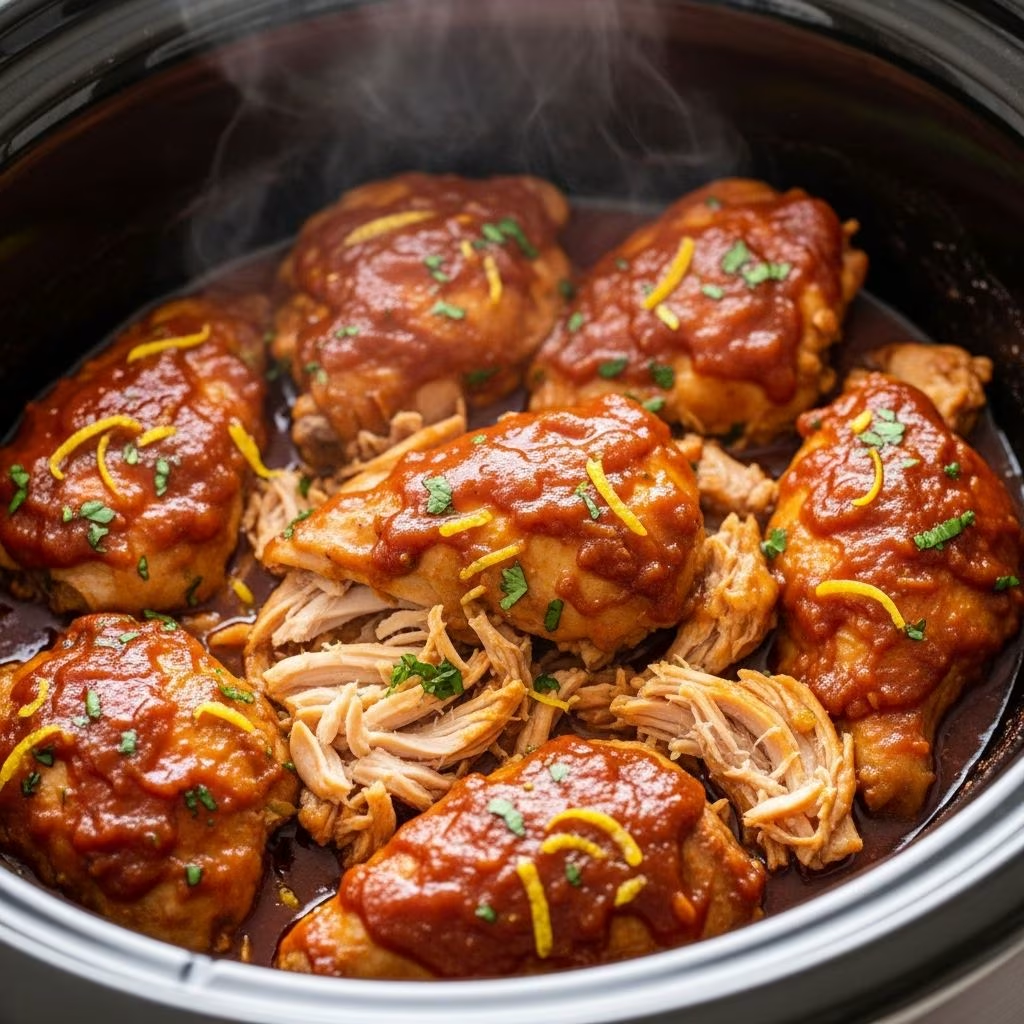
Mole poblano shines over poached chicken pieces, where the sauce’s richness contrasts tender meat. Serve with Mexican rice, refried beans, and warm corn tortillas for sopping up every drop. Garnish with toasted sesame seeds and thin onion rings.
| Dish | How to Serve with Mole | Prep Tip |
|---|---|---|
| Chicken Mole | Ladle generously over bone-in pieces | Poach in spiced broth first |
| Enmoladas | Fill corn tortillas, roll, bake | Use mole paste diluted |
| Tamales | Drizzle on top | Pair with verde mole contrast |
| Pork or Turkey | Slow-cook submerged | Marinate overnight |
For vegetarians, swap chicken broth for vegetable stock and serve over roasted mushrooms or eggplant.
Helpful Tips for Mole Success
- Avoid Burning: Watch chiles and spices closely; burnt bits make bitter mole.
- Strain Thoroughly: Use a fine mesh for ultra-smooth texture.
- Balance Flavors: Taste iteratively—add sugar/chocolate gradually.
- Make Ahead: Mole improves overnight; refrigerate up to 5 days or freeze 3 months.
- Scale Down: Halve ingredients for smaller batches, but keep ratios intact.
Common Variations and Adaptations
While poblano is traditional, regional twists abound. Mole oaxaqueño uses more black chiles for smokiness. Vegan versions replace lard with oil and chocolate with cacao nibs. Quick methods use paste bases like Doña María, diluted with broth and enhanced with peanut butter or cocoa—ideal for beginners but less nuanced.
For milder palates, reduce chipotles or add more anchos. Experiment with plantains for sweetness or pumpkin seeds for nuttiness.
Storage, Freezing, and Reheating
Cool mole completely before storing in airtight containers. Refrigerate up to a week; flavors deepen daily. Freeze in portions up to 3 months—thaw overnight and reheat gently with broth to restore silkiness. Avoid boiling to prevent separation.
Frequently Asked Questions
What makes mole poblano authentic?
Authenticity comes from using specific dried chiles (ancho, mulato, pasilla), toasting ingredients, and slow-simmering with Mexican chocolate—no shortcuts like jarred pastes.
How spicy is mole poblano?
Mild to medium; ancho and mulato provide warmth without overwhelming heat. Remove seeds for less spice.
Can I make mole without chocolate?
Chocolate adds depth and balance, but substitute with unsweetened cocoa powder and extra sugar if needed.
What’s the best chicken for mole?
Bone-in thighs or leg quarters hold up best, poached in garlic-onion broth for infused flavor.
How long does homemade mole last?
5-7 days refrigerated; 3 months frozen. Reheat with broth.
Nutritional Insights
A 1/2-cup serving offers about 200-300 calories, rich in antioxidants from chiles and cacao, healthy fats from nuts, and fiber from tortillas. It’s nutrient-dense but calorie-heavy due to nuts and oil—enjoy in moderation.
References
- Authentic Mole Sauce – Tastes Better From Scratch — Tastes Better From Scratch. 2023-05-15. https://tastesbetterfromscratch.com/mole-sauce/
- How to Make Authentic Mole Poblano From Scratch – Dora’s Table — Dora’s Table. 2022-11-10. https://dorastable.com/vegan-mole-poblano-recipe/
- Mole Sauce (Mole Poblano) – Isabel Eats — Isabel Eats. 2023-08-20. https://www.isabeleats.com/mole-sauce/