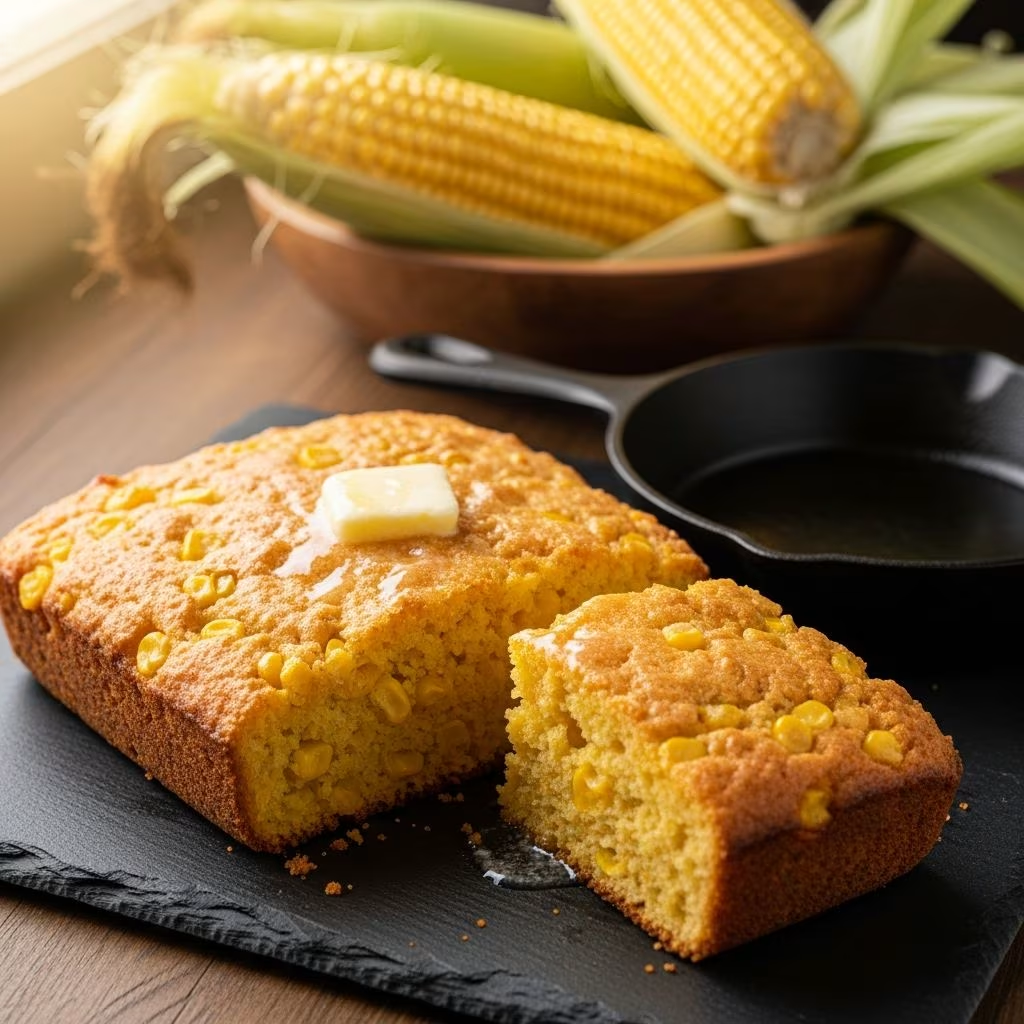
Cornbread stands as a timeless staple in American cuisine, evoking images of cozy family gatherings, hearty barbecues, and festive holiday tables. Its versatility allows it to shine alongside soups, chili, or even as a sweet treat with honey butter. Whether you’re a novice baker or a seasoned cook, perfecting cornbread involves understanding key ingredients, precise techniques, and creative adaptations. This guide dives deep into everything you need to know to create cornbread that’s moist, flavorful, and textured just right.
Understanding Cornbread Fundamentals
At its core, cornbread is a quick bread that relies on cornmeal for its distinctive gritty texture and nutty flavor. Unlike yeast-based breads, it uses chemical leaveners like baking powder and baking soda for a fast rise. The balance between cornmeal, flour, and liquids determines whether your cornbread turns out crumbly, dense, or delightfully tender.
Traditional Southern cornbread leans savory, often baked in a cast-iron skillet with a crispy edge from hot bacon fat. Northern versions incorporate more sugar and flour for a cake-like sweetness. Both styles offer a canvas for personalization, but starting with quality basics ensures success.
Essential Ingredients Breakdown
Selecting the right components is crucial. Here’s a detailed look:
- Cornmeal: Opt for medium-grind stone-ground cornmeal for authentic flavor and texture. Fine cornmeal yields a softer crumb, while coarse adds chewiness. According to the Whole Grains Council, stone-ground varieties retain more nutrients like fiber and antioxidants (wholegrainscouncil.org).
- Flour: All-purpose flour provides structure. For gluten-free options, use a 1:1 blend with xanthan gum.
- Fats: Butter or oil keeps it moist; buttermilk adds tang and tenderness via acidity that activates leaveners.
- Sweeteners: Sugar enhances corn’s natural sweetness; honey or molasses offers depth.
- Eggs: Bind and aerate the batter for lift.
| Ingredient | Role | Best Substitutes |
|---|---|---|
| Cornmeal | Flavor & texture | Polenta (coarse) |
| Buttermilk | Tenderness & rise | Milk + vinegar |
| Baking Powder | Leavening | Baking soda + acid |
Step-by-Step Baking Process
Follow these instructions for foolproof results. This recipe yields one 8×8-inch pan or skillet, serving 8-10.
- Preheat and Prep: Heat oven to 425°F (220°C). Place a cast-iron skillet or baking dish with 2 tablespoons fat inside to heat.
- Dry Mix: Whisk 1 cup cornmeal, 1 cup flour, 1/4 cup sugar, 1 tbsp baking powder, 1/2 tsp salt, and 1/4 tsp baking soda.
- Wet Mix: In another bowl, combine 1.5 cups buttermilk, 2 eggs, and 1/3 cup melted butter.
- Combine: Stir wet into dry until just mixed—lumps are okay for tenderness.
- Bake: Pour into hot skillet; bake 20-25 minutes until golden and a toothpick comes out clean.
- Cool: Rest 10 minutes before slicing.
Pro tip: The hot pan creates a signature crust, mimicking old-school methods from Southern kitchens.
Flavor Enhancements and Variations
Elevate your cornbread beyond the basics with these ideas:
- Cheesy Jalapeño: Fold in 1 cup shredded cheddar and 1/4 cup diced jalapeños for spicy kick.
- Honey Butter Swirl: Drizzle batter with honey before baking.
- Bacon Cornbread: Add crumbled cooked bacon and green onions.
- Sweet Corn: Mix in 1 cup fresh or frozen kernels for bursts of sweetness.
- Gluten-Free: Swap flour with a certified blend; add 1 tsp xanthan gum.
For vegan adaptations, use plant-based milk soured with lemon juice, flax eggs, and coconut oil. These tweaks maintain moisture and rise effectively.
Advanced Techniques for Perfection
To achieve professional results, consider these methods:
Skillet Mastery: Season your cast-iron with each bake for nonstick surface and flavor buildup. The USDA recommends cast-iron for even heat distribution in baking (usda.gov).
Batter Resting: Let batter sit 10 minutes; hydration softens cornmeal grit.
Muffin Tin Option: Grease tins, fill 3/4 full, bake 15-18 minutes for portable portions.
Storage Tips: Wrap tightly; freezes up to 3 months. Reheat at 350°F wrapped in foil.
Troubleshooting Common Issues
Even experts face mishaps. Here’s how to fix them:
- Dense Texture: Overmixing deflates air—stir minimally.
- Crumbly: Insufficient liquid or fat; measure accurately.
- Flat Top: Stale leaveners; test baking powder in hot water (should bubble).
- Gummy Center: Underbaked; use oven thermometer for accuracy.
- Too Dry: Add an extra egg yolk or sour cream.
Humidity affects baking; high moisture may require less liquid. Track adjustments for consistency.
Pairing Cornbread with Meals
Cornbread’s adaptability makes it a star sidekick:
- With chili or stew for sopping up juices.
- Topped with fried eggs and sausage for breakfast.
- As stuffing base in turkey for holidays.
- Crumbled into salads for crunch.
- Sweetened and served with ice cream for dessert.
In Southern tradition, it’s essential with collards, black-eyed peas, or fried chicken, balancing richness with its subtle corn essence.
Nutritional Profile and Health Twists
A standard serving (1/8 pan) offers about 200 calories, 8g fat, 28g carbs, 2g fiber, and 5g protein. Cornmeal provides whole grains; buttermilk adds calcium.
Healthier spins:
- Whole Grain: Use 100% whole wheat or corn flour.
- Low-Sugar: Reduce to 2 tbsp or use fruit purees.
- High-Fiber: Incorporate oat flour or chia seeds.
The FDA notes corn products contribute to daily whole grain intake goals (at least 3 servings) for heart health (fda.gov, updated 2023).
History and Cultural Significance
Cornbread traces to Native American nixtamalization, adapted by European settlers into modern forms. During the Civil War, it sustained Confederate soldiers as “Johnny cake.” Today, it symbolizes comfort across U.S. regions, from Appalachian hoe cakes to Tex-Mex skillets.
Frequently Asked Questions
Can I make cornbread without buttermilk?
Yes, substitute with milk mixed with 1 tbsp vinegar or lemon juice per cup; let sit 5 minutes to curdle.
Why use a hot skillet?
It fries the bottom for crispiness while baking the top, creating irresistible contrast.
How long does cornbread last?
2-3 days at room temp, 1 week refrigerated, 3 months frozen.
Is cornbread vegan-friendly?
Easily—swap eggs, dairy with plant alternatives as noted.
What’s the best cornmeal brand?
Look for stone-ground like Bob’s Red Mill or local mills for freshness.
With these insights, you’re equipped to bake cornbread that impresses. Experiment confidently, and enjoy the warm, golden rewards!
References
- Whole Grains Council: Types of Whole Grains — Whole Grains Council. 2024-01-15. https://wholegrainscouncil.org/whole-grains-101/whole-grains-z
- USDA Food Safety and Inspection Service: Cast Iron Cookware — U.S. Department of Agriculture. 2023-05-10. https://www.fsis.usda.gov/food-safety/safe-food-handling-and-preparation/food-safety-basics/cast-iron-cookware
- FDA Dietary Guidelines: Whole Grains — U.S. Food and Drug Administration. 2023-11-20. https://www.fda.gov/food/nutrition-education-resources-materials/dietary-guidelines
- King Arthur Baking Company: Cornbread Science — King Arthur Baking. 2025-02-28. https://www.kingarthurbaking.com/blog/2025/02/28/cornbread-science