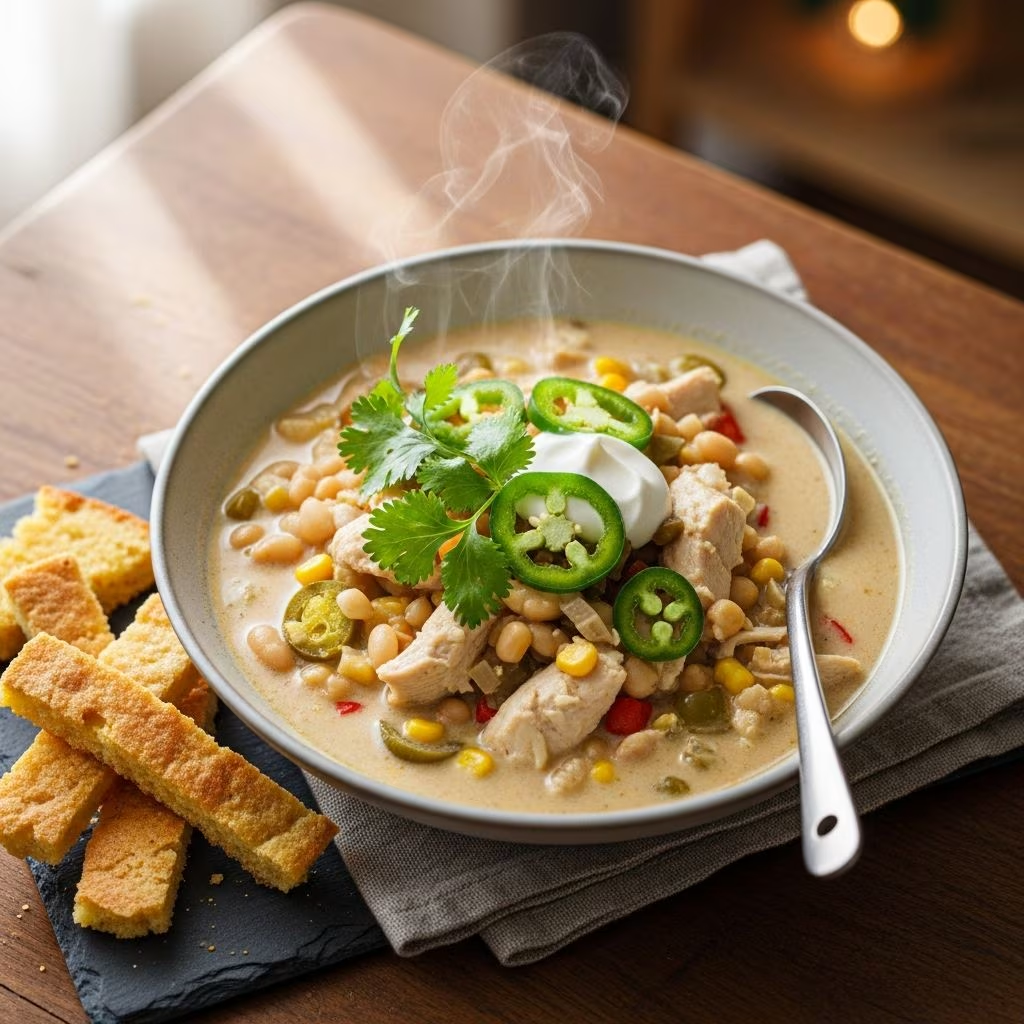
Creamy white chicken chili has emerged as a beloved alternative to traditional red chili preparations, offering a milder flavor profile with luxurious textural qualities that appeal to diverse palates. This dish combines tender chicken, aromatic spices, and a velvety cream base to create a satisfying meal suitable for casual family dinners or more formal entertaining occasions. Unlike its tomato-based counterparts, white chicken chili provides a blank canvas that allows individual ingredients to shine while maintaining remarkable depth of flavor.
Understanding the Foundation: Key Ingredients and Their Roles
The success of creamy white chicken chili depends on understanding how each component contributes to the overall dish. The base typically features chicken—whether breasts or thighs—as the primary protein, with thighs offering superior moisture and flavor retention during extended cooking periods. White beans, particularly great northern or cannellini varieties, provide textural contrast and nutritional substance without overpowering the delicate cream-forward profile.
Cream cheese serves as the cornerstone ingredient that distinguishes this preparation from lighter broths or soups. When incorporated properly, it creates a silky mouthfeel without requiring heavy cream, which can become cloying in larger quantities. The aromatic vegetable base—typically onions and garlic—builds foundational flavor layers, while fresh jalapeños or poblano peppers introduce gentle heat and bright notes that complement rather than dominate the palate.
Salsa verde and diced green chiles add complexity through their subtle acidity and herbaceous qualities, creating a more interesting flavor landscape than salt alone could achieve. Spices such as cumin, paprika, and chili powder work synergistically to create warmth without excessive spiciness, allowing the dish to appeal to those who prefer gentle seasoning.
Ingredient Specifications for Optimal Results
- Chicken: 1.5 to 2 pounds boneless, skinless pieces (mixed breasts and thighs recommended)
- Cream cheese: 8 ounces, brought to room temperature for smooth incorporation
- White beans: Two 15-ounce cans, thoroughly drained and rinsed
- Broth: 6 cups low-sodium chicken stock to maintain seasoning control
- Salsa verde: 1 cup fresh or jarred, depending on preferred intensity
- Green chiles: One 4.5-ounce can, drained
- Cheese: 1 to 1.5 cups shredded pepper jack or cheddar for finishing
- Aromatics: 1 medium onion, 4 cloves garlic, and 1 large jalapeño
- Spices: Ground cumin, smoked paprika, chili powder, oregano, and coriander in measured quantities
- Garnishes: Fresh cilantro, avocado slices, lime wedges, and additional sour cream
Stovetop Preparation: The Direct Method
The stovetop approach offers the advantage of quicker cooking and greater control over flavor development through monitoring and adjustment. Begin by heating extra virgin olive oil in a large, heavy-bottomed pot over medium heat. Add the chopped onion and allow it to soften and become translucent, which typically requires approximately 5 minutes of gentle cooking.
Once the onion has developed a fragrant quality, introduce minced garlic, chopped jalapeño, and the complete spice blend—cumin, smoked paprika, chili powder, oregano, and coriander. This aromatics phase should continue for 5 to 10 minutes, allowing the heat to release volatile oils and create a deeply fragrant foundation. The kitchen will fill with warming spice aromas that signal proper flavor development.
Add the chicken pieces directly to the pot, ensuring they make contact with the aromatic mixture before adding liquid. Pour in the chicken broth gradually while stirring to incorporate the spice coating evenly across all chicken pieces. Reduce heat to medium-low and partially cover the pot, allowing gentle simmering for approximately 20 minutes until the chicken reaches complete internal temperature.
Remove cooked chicken to a cutting board and shred using two forks, working against the grain to achieve desirable texture. Simultaneously, melt room-temperature cream cheese directly into the simmering broth, stirring continuously until fully incorporated and smooth. Return the shredded chicken to the pot and add white beans, salsa verde, drained green chiles, sour cream, and cheese. Maintain gentle heat for an additional 5 to 10 minutes, allowing cheese to fully melt and flavors to marry.
Slow Cooker Method: The Convenient Approach
For those preferring extended, hands-off cooking, the slow cooker method delivers comparable results with minimal active preparation. Combine onion, garlic, jalapeño, and all dry spices directly in the slow cooker bowl without oil. Add chicken pieces and room-temperature cream cheese, then pour in 6 cups of low-sodium broth. Season with salt and pepper, cover, and select the appropriate cooking time based on intended use.
High heat settings require 4 to 5 hours of cooking, while low settings demand 6 to 7 hours. The extended low-temperature cooking method develops deeper, more nuanced flavors through gradual protein breakdown and spice infusion. Once cooking completes, remove chicken and shred thoroughly before returning to the slow cooker.
Add white beans, salsa verde, drained green chiles, cheese, and fresh cilantro. Continue cooking on low for an additional 30 minutes to allow final flavor integration and cheese melting. This two-phase cooking approach ensures chicken doneness while preventing overcooking of vegetables and cream components.
Thickness Adjustment Techniques
Some preparations benefit from additional body and richness beyond what cream cheese naturally provides. A traditional roux method involves melting butter over medium-high heat, whisking in flour to create a light brown mixture, then gradually incorporating milk while whisking continuously. Once the sauce thickens appropriately, add a chicken bouillon cube and allow the mixture to cook for approximately 5 minutes before stirring into the finished chili.
This thickening approach creates a more substantial texture that some diners prefer, particularly when serving alongside crusty bread or other accompaniments. The roux-based addition should be prepared separately and incorporated gradually to prevent lumping and ensure smooth integration.
Flavor Customization and Personal Preferences
While the base recipe provides excellent results, individual preferences and available ingredients may warrant adjustments. Those seeking increased heat can substitute chipotle chili powder for standard varieties or increase cayenne pepper quantities. Conversely, those preferring milder preparations can reduce jalapeño quantities or remove seeds before chopping.
The cheese selection significantly impacts final flavor—pepper jack provides subtle spiciness and complexity, while sharp cheddar offers more straightforward dairy richness. Monterey jack delivers balanced flavors suitable for mixed preferences. Experimenting with different salsa verde brands reveals varying acidity levels and herb profiles, allowing customization based on personal taste preferences.
Serving Strategies and Accompaniments
White chicken chili deserves thoughtful presentation and complementary serving elements. Classic toppings include fresh cilantro, avocado slices, lime wedges for juice, additional cheese, and dollops of sour cream. Some diners enjoy crispy tortilla strips for textural contrast, while others prefer cornbread or crusty bread alongside.
Serving temperature matters considerably—this preparation is best enjoyed hot but not boiling, as excessive heat can separate cream components. Allow finished chili to rest 5 to 10 minutes before ladling into warmed bowls, which maintains optimal texture and allows flavors to settle.
Storage and Make-Ahead Considerations
Properly stored white chicken chili maintains quality for 3 to 4 days in sealed containers within the refrigerator. The dish actually develops enhanced flavor integration as components meld overnight, making it excellent for advance preparation. Freezing is possible but may affect cream cheese texture; however, the dish remains entirely edible and delicious after thawing and gentle reheating.
Frequently Asked Questions
- Can this recipe be prepared in advance?
- Yes, the chili can be fully prepared 1 to 2 days ahead and refrigerated. Gentle reheating on the stovetop with additional broth if needed restores optimal consistency and temperature.
- Is this recipe suitable for dietary restrictions?
- The basic recipe is naturally gluten-free when using certified products. Dairy-free adaptations require replacing cream cheese with coconut milk or cashew cream, though results will differ.
- What chicken cuts work best?
- A combination of breasts and thighs provides optimal texture and moisture. Thighs alone create richer results, while breasts alone yield lighter preparations.
- How can I reduce fat content?
- Substitute Greek yogurt for sour cream, use lower-fat cream cheese alternatives, and reduce total cheese quantities. The dish remains creamy but provides reduced caloric density.
Practical Tips for Success
- Bring cream cheese to room temperature before addition to prevent lumping and ensure smooth incorporation
- Drain and rinse canned beans thoroughly to remove excess sodium and starch
- Use low-sodium broth to maintain seasoning control throughout cooking
- Partially cover during stovetop cooking to prevent excessive evaporation while allowing some moisture reduction
- Taste and adjust seasonings during final stages before serving
- Allow finished chili to rest briefly before serving to allow flavors to settle and prevent burns
- Keep additional broth available for thinning if needed after refrigeration or freezing
Nutritional Considerations
White chicken chili provides substantial protein from both chicken and legumes, supporting satiety and muscle maintenance. White beans contribute dietary fiber and complex carbohydrates, while cream components add richness that encourages slower eating and greater satisfaction from smaller portions. Capsaicin from pepper components may offer metabolic benefits, though quantities are modest.
Individual servings vary significantly based on bowl size and topping quantities. The base preparation without excessive garnishes typically provides 300 to 400 calories per serving, with protein content ranging from 25 to 35 grams depending on chicken and cheese proportions.
References
- Creamy White Chicken Chili — Half Baked Harvest. 2023. https://www.halfbakedharvest.com/creamy-white-chicken-chili/
- USDA FoodData Central: White Beans — United States Department of Agriculture. https://fdc.nal.usda.gov
- Culinary Techniques: Building Flavor Foundations — Cordon Bleu Institute. https://www.cordonbleu.edu
- Food Safety Guidelines for Chicken Preparation — Centers for Disease Control and Prevention. https://www.cdc.gov/foodsafety