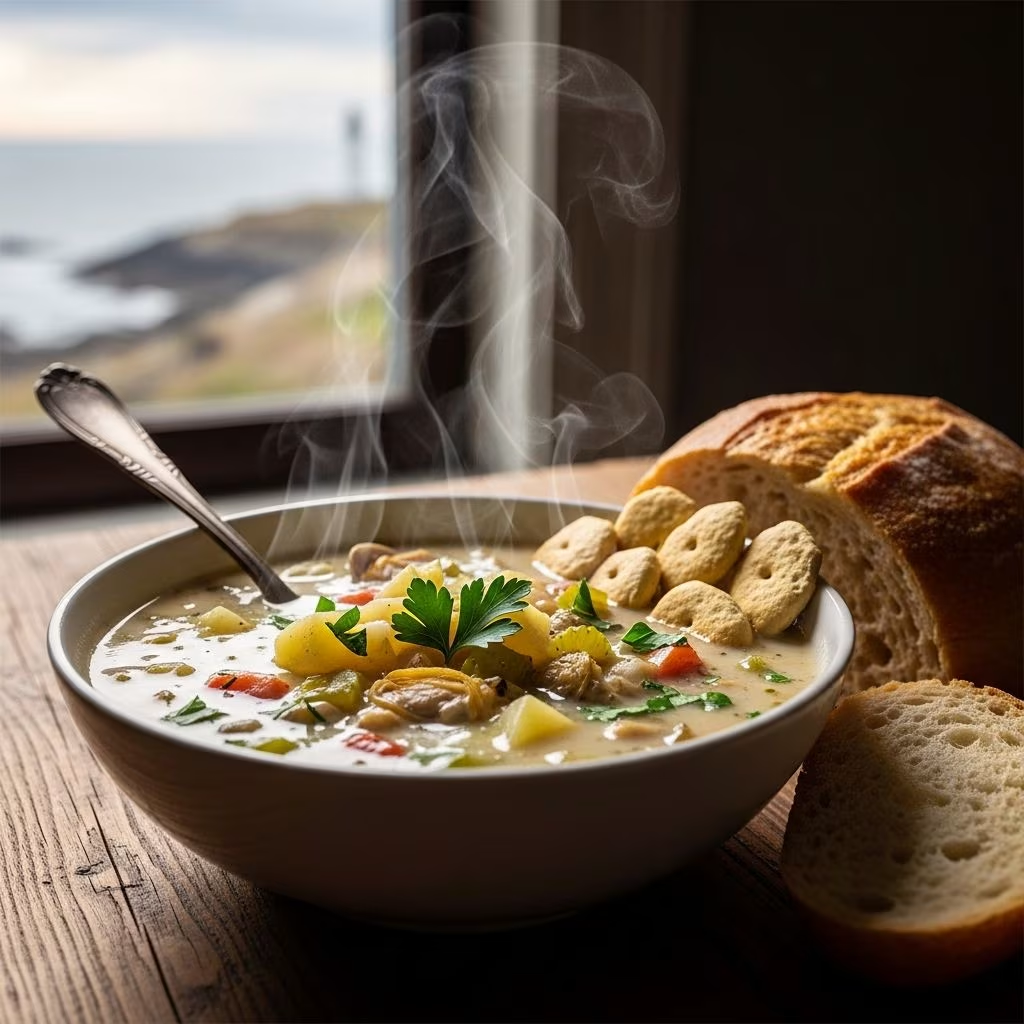
New England clam chowder represents one of America’s most beloved comfort soups, combining briny seafood with creamy richness and hearty vegetables. This iconic dish has graced dinner tables for generations, evolving from a simple fisherman’s stew into a refined culinary classic. Creating an exceptional version requires understanding the interplay between quality ingredients, proper technique, and timing. Whether you’re preparing this dish for the first time or refining an existing recipe, this guide will walk you through the essential elements that transform basic components into a memorable meal.
Understanding the Foundation: Key Ingredients Explained
The success of your clam chowder hinges on selecting premium ingredients and understanding their roles. Each component contributes distinct flavors and textures that must work in harmony to create the final dish.
Selecting Your Clams
Fresh clams offer superior flavor and texture compared to canned alternatives. When shopping for fresh clams, look for cherrystones, top necks, or littleneck varieties, which provide tender, flavorful meat ideal for chowder preparation. For a more traditional approach with maximum flavor intensity, chowder clams work well since their larger size allows for easy chopping into appropriately sized pieces. Expect to use approximately six pounds of whole fresh clams to yield one and a half cups of usable clam meat.
Canned clams present a convenient alternative that produces excellent results without requiring live clam steaming. Two standard six-and-a-half-ounce cans provide adequate quantity for most recipes, and the included juice serves as concentrated seafood stock that strengthens your broth. This option appeals to those seeking simplicity without sacrificing quality.
Pork Components and Seasoning Layers
Bacon serves as the aromatic backbone of this dish, delivering smoky depth and savory undertones. Six ounces of diced bacon cooked until crispy creates fat for sautéing aromatics while the rendered pieces add textural contrast. Alternatively, salt pork provides a more historically accurate flavor profile that emphasizes maritime traditions.
Fresh thyme and bay leaves infuse subtle herbal notes without overwhelming delicate clam flavors. These aromatics should be added early during the cooking process to allow their essential oils to distribute throughout the broth, then removed before serving to prevent overpowering bitterness.
Thickening Agents and Cream
All-purpose flour creates the roux that transforms broth into silky chowder. Mixed with rendered bacon fat and cooked for one to two minutes, this paste eliminates raw flour taste while developing subtle toasted flavors. Heavy cream contributes luxurious richness and mouthfeel in the final minutes of cooking, balancing acidic clam juice and salty bacon with dairy smoothness.
Ingredient Comparison: Fresh Versus Canned Clams
| Factor | Fresh Clams | Canned Clams |
|---|---|---|
| Flavor Intensity | Briny, oceanic, complex | Mild, consistent |
| Texture | Tender when properly cooked | Slightly softer, pre-cooked |
| Preparation Time | Significant (steaming, cleaning) | Minimal (open and drain) |
| Juice Yield | Variable, requires collection | Predictable, included in can |
| Cost | Higher initial investment | Budget-friendly |
Step-by-Step Preparation Technique
Building the Aromatic Base
Begin by rendering bacon in a large pot or Dutch oven over medium-high heat for approximately ten minutes until it achieves complete crispness. Transfer the cooked bacon to a paper towel-lined plate using a slotted spoon, reserving approximately one tablespoon of the rendered fat in the pot while discarding excess grease.
Add finely chopped onions and celery to the bacon fat and cook for eight minutes until these vegetables become translucent and release their aromatic compounds. This foundational step develops flavor through the Maillard reaction, creating complex taste notes impossible to achieve through rushing. Add minced garlic and continue cooking for two additional minutes, allowing the heat to activate garlic’s volatile sulfur compounds without burning them into bitterness.
Creating the Roux Foundation
Sprinkle one-third cup of all-purpose flour over your aromatic vegetables and stir continuously for one to two minutes. This crucial step cooks out raw flour taste while the flour particles coat in bacon fat, creating a paste that will thicken your broth. For those preferring thicker chowder, doubling the flour quantity at this stage yields denser, more luxurious texture without creating a heavy, starchy consistency.
Liquid Integration and Potato Cooking
Add four cups of clam juice (from canned clams or reserved from steaming fresh clams) along with two cups of water to your pot. Stir continuously as you introduce liquids, preventing flour lumps from forming. Add fresh thyme sprigs and bay leaves to infuse herbal complexity. Bring the mixture to a boil, then immediately reduce heat to a gentle simmer.
Add two pounds of diced red-skinned potatoes and season with freshly cracked black pepper. Cover and simmer for twenty minutes or until potatoes become fork-tender, indicating they’ve absorbed surrounding flavors while maintaining structural integrity. Slightly undercooking potatoes allows them to marinate with clam juice and seasonings during the final cooking stages, deepening their flavor profile.
Final Assembly and Finishing Touches
Remove your pot from heat and stir in one and a half cups of finely chopped clams along with one cup of heavy cream. The residual heat gently warms clams without overcooking them into rubbery texture. Discard bay leaves and thyme sprigs, then taste your creation and adjust salt and pepper as needed. Fresh herb garnishes—particularly chopped parsley or chives—add brightness and visual appeal before serving.
Working With Fresh Clams: Extended Preparation
Steaming fresh clams requires gentle heat and careful monitoring. Place live clams in a pot with minimal liquid, cover, and apply medium heat. After approximately five minutes, carefully remove the lid and use tongs to transfer opened clams to a separate bowl, preventing them from overcooking and toughening. Continue cooking remaining clams, giving stubborn specimens additional time—they often open after several more minutes of gentle heat. Discard any clams that refuse to open after extended cooking, as these have died before cooking and pose food safety risks.
Once cooled slightly, remove clam meat from shells and chop into appropriately sized pieces for chowder. Strain steaming liquid through cheesecloth or a fine-mesh strainer to remove sand, preserving this flavorful liquid for your broth.
Flavor Development: Broth Refinement and Seasoning
Quality broth distinguishes exceptional chowder from mediocre versions. Many recipes incorporate unsalted chicken broth alongside clam juice, as canned clams and rendered bacon already contribute significant salinity. This balanced approach prevents over-seasoning while maintaining oceanic character.
Some preparations add unexpected flavor dimensions through hot sauce and Worcestershire sauce, introducing subtle heat and umami depth without announcing their presence. A chicken bouillon cube can intensify savory notes, though it should be used judiciously to avoid overpowering delicate seafood flavors.
Texture Considerations and Consistency Control
Chowder consistency represents a matter of personal preference. Some prefer thick, almost stew-like texture while others favor brothier preparations. The flour-to-liquid ratio determines final consistency: using more flour creates density, while additional broth creates lighter character. You can adjust consistency after cooking by adding chicken broth if your chowder seems too thick, or by cooking uncovered to allow excess moisture to evaporate.
Frequently Asked Questions About New England Clam Chowder
Can I make this soup ahead of time?
Yes, clam chowder actually improves with time as flavors meld and develop. Prepare it completely, cool to room temperature, then refrigerate in an airtight container for up to three days. Reheat gently over medium-low heat, stirring occasionally and adding additional broth if the soup has thickened excessively during storage.
What bread pairs best with clam chowder?
Crusty bread serves as the traditional accompaniment, allowing diners to tear off pieces for dipping into creamy broth. Sourdough, Portuguese rolls, or New England-style brown bread complement the soup’s richness while providing textural contrast.
Is there a dairy-free version?
Coconut milk or cashew cream can replace heavy cream while maintaining creamy texture, though these alternatives shift flavor profiles away from traditional preparations. The soup will be thinner without dairy, so additional flour or potato starch might be necessary for desired consistency.
How do I store leftovers properly?
Store cooled chowder in glass or plastic containers with tight-fitting lids for up to three days in the refrigerator. Freeze for up to two months, though cream-based soups can separate slightly upon thawing. Reheat frozen chowder in a pot over low heat, stirring frequently until completely warmed through.
Can I substitute ingredients I don’t have?
While substitutions are possible, they alter the dish’s character. Half-and-half can replace heavy cream for lighter texture. Smoked ham can substitute for bacon, though this changes flavor completely. Always maintain the clam-to-liquid ratio and basic cooking technique for best results.
Serving Suggestions and Presentation
Serve your chowder piping hot in warmed bowls to maintain temperature longer and enhance aromatic perception. Garnish generously with reserved bacon crumbles, fresh parsley, and a twist of freshly cracked black pepper. Oyster crackers on the side provide optional textural contrast. A crisp white wine such as Sauvignon Blanc or a light lager beer complements the soup’s richness without overwhelming palates.
For elegant entertaining, consider serving chowder in bread bowls created from hollowed round loaves. This presentation makes an impressive statement while providing edible vessels that guests can consume after finishing the soup.
Troubleshooting Common Issues
If your chowder separates or appears curdled, it likely experienced too-high heat during cream addition. Prevent this by removing the pot from direct heat before stirring in cream. If separation occurs, gently reheat over the lowest possible heat while stirring constantly, often bringing the emulsion back together.
Rubbery clams indicate overcooking. Whether using fresh or canned clams, add them only in the final minutes, allowing residual heat to warm them through without toughening muscle fibers. If your broth seems too thin despite adequate flour, allow it to simmer uncovered for several additional minutes to concentrate flavors and reduce excess moisture naturally.
References
- New England Clam Chowder Recipe — Coley Cooks. Accessed April 2026. https://coleycooks.com/ne-chowder/
- Easy New England Clam Chowder Recipe — To Simply Inspire. Accessed April 2026. https://www.tosimplyinspire.com/new-england-clam-chowder.html
- Clam Chowder Recipe — The Cozy Cook. Accessed April 2026. https://thecozycook.com/clam-chowder-recipe/