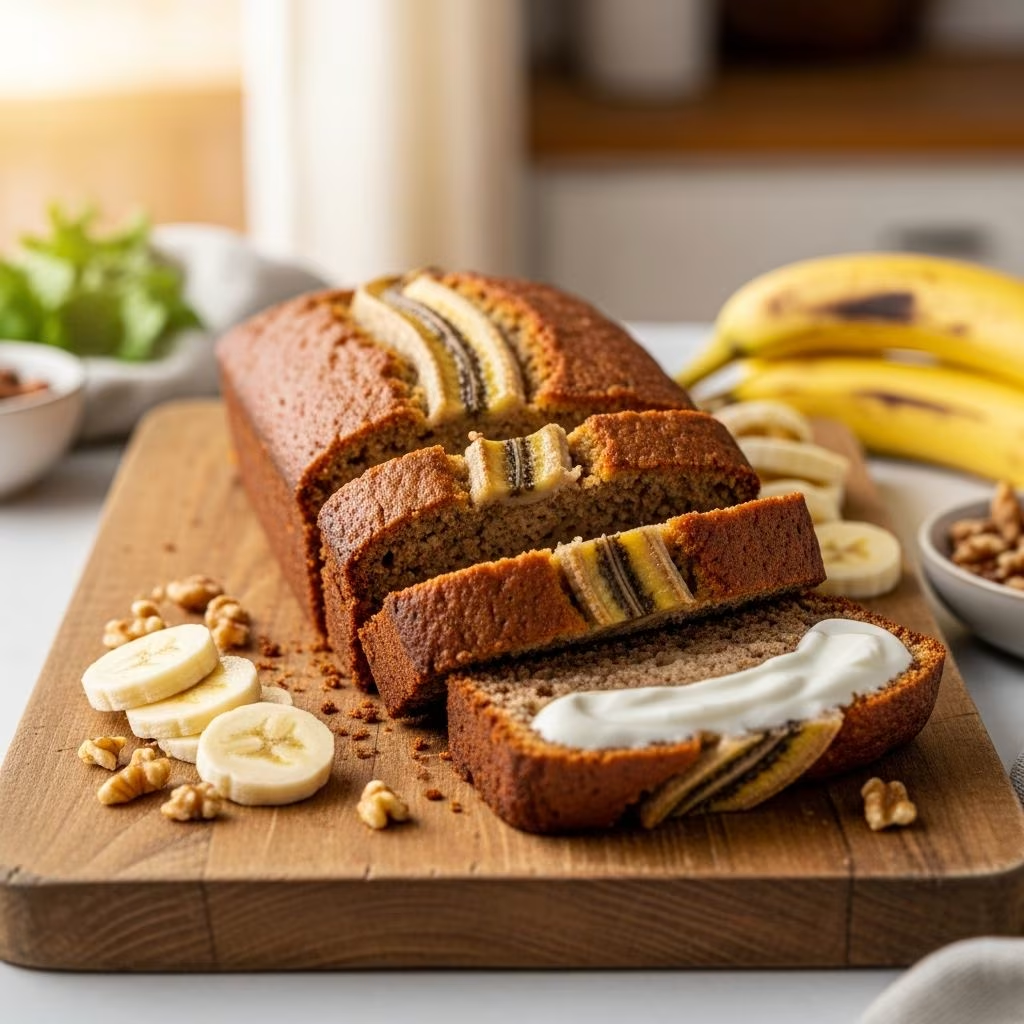
Banana bread holds a special place in home baking traditions across many households. This beloved quick bread offers warmth, comfort, and satisfaction with its dense crumb structure and natural sweetness. However, traditional recipes often rely heavily on butter, oils, and excess sugar to achieve their characteristic moisture and indulgence. For those seeking to enjoy this timeless treat while maintaining a health-conscious approach to their diet, the solution lies in understanding how to reformulate the recipe without sacrificing the qualities that make banana bread so appealing.
Creating a lighter version of banana bread requires knowledge about ingredient substitution, baking science, and technique modification. The good news is that achieving this balance is entirely possible. With careful attention to the role each ingredient plays, bakers can produce loaves that are moist, flavorful, and satisfying while containing significantly less fat than traditional versions.
Understanding the Role of Fat in Banana Bread
Fat serves multiple critical functions in banana bread and other baked goods. Beyond simply adding richness, fat contributes to the bread’s moisture retention, creates a tender crumb structure, and helps distribute flavors throughout the loaf. When reducing fat content, bakers must replace these functions through alternative means rather than simply eliminating the ingredient entirely.
Traditional banana bread recipes typically call for between one-half to three-quarters cup of oil or melted butter. Light versions reduce this dramatically to just one or two tablespoons while achieving comparable results. The key lies in understanding that moisture can come from multiple sources, and fat is just one avenue to achieving a desirable texture.
Essential Ingredients for Lower-Fat Banana Bread
A successful low-fat banana bread recipe begins with high-quality, carefully selected ingredients. The foundation of any banana bread is, naturally, bananas. For optimal results, bananas should be very ripe, exhibiting brown spots or even browning on the skin. Overripe bananas contain higher natural sugar content and break down more easily, creating a more uniform, moist batter.
Beyond bananas, the ingredient list typically includes:
- Large eggs, which provide structure, binding, and moisture
- Sweetening agents such as brown sugar, granulated sugar, honey, or maple syrup
- All-purpose flour or a blend incorporating whole wheat pastry flour
- Baking powder and baking soda for rise and lift
- Minimal oil—typically vegetable, canola, or coconut varieties
- Liquid ingredients such as buttermilk, yogurt, or sour cream
- Vanilla extract for enhanced flavor
- Salt to balance sweetness and enhance all flavors
- Optional spices like cinnamon or nutmeg
The inclusion of dairy-based ingredients like buttermilk or yogurt proves particularly valuable in lighter recipes. These tangy liquids add moisture and tenderness while contributing minimal fat, especially when using low-fat or nonfat varieties. Greek yogurt has emerged as a popular choice, offering creamy texture with protein benefits.
Moisture Management Without Excess Oil
The primary challenge in creating low-fat banana bread lies in maintaining adequate moisture when dramatically reducing oil content. This objective is achieved through layered approaches rather than single solutions.
First, the quantity and quality of bananas matters significantly. Most light recipes call for three to four medium or large ripe bananas, yielding approximately one and one-quarter to one and three-quarters cups of mashed banana. This abundance of banana puree serves as the primary moisture source, effectively replacing much of the oil that would traditionally hydrate the bread.
Second, incorporating dairy products adds moisture without fat when using reduced-fat options. Buttermilk, with its tangy profile, creates a more tender crumb and adds subtle flavor complexity. Sour cream and yogurt contribute similar benefits, with the advantage that plain varieties introduce minimal additional fat.
Third, proper mixing techniques prevent overdrying. Overmixing develops gluten excessively, resulting in tougher, drier bread. Instead, ingredients should be combined just until no dry flour remains visible. This technique, while important in all baking, becomes particularly critical when fat is limited.
Sweetener Selection and Balance
Sweetening decisions significantly impact both flavor and health profile of the finished bread. Many lighter recipes employ honey or maple syrup rather than relying solely on refined white sugar. These liquid sweeteners contribute moisture in addition to sweetness, partially offsetting the reduced oil.
Brown sugar, whether light or dark, creates a moister final product compared to granulated white sugar alone due to its molasses content. Combining brown sugar with smaller quantities of granulated sugar or incorporating liquid sweeteners creates complex flavor development while managing overall sugar content.
The psychological effect of sweetness should not be underestimated. When fat is reduced, perceived sweetness may seem diminished despite maintaining similar sugar quantities. Strategic additions like vanilla extract, cinnamon, or nutmeg enhance flavor complexity and sensory satisfaction without adding calories or fat.
Flour Choices and Their Impact
Traditional banana bread recipes rely exclusively on all-purpose white flour. Some lighter versions incorporate whole wheat pastry flour, which adds nutritional value without introducing excessive bitterness or density that standard whole wheat flour might contribute. Pastry flour varieties contain less protein than bread flour, resulting in a more tender crumb.
The decision between all-purpose flour alone versus a flour blend depends on individual preferences regarding nutrition, flavor, and texture. Pure all-purpose flour produces a lighter, more delicate crumb, while whole wheat pastry flour additions increase fiber content and offer subtle nutty undertones. Most successful light recipes use either approach, with the choice coming down to personal preference.
Step-by-Step Preparation Method
Proper preparation technique ensures optimal results from lighter banana bread recipes. Following a methodical approach yields consistent, high-quality outcomes:
Preparation Phase: Begin by preheating the oven to between 325 and 350 degrees Fahrenheit, depending on the specific recipe. Prepare the loaf pan by lightly coating it with nonstick cooking spray or oil, then dusting the interior with flour. This prevents sticking without adding significant fat to the final product.
Wet Ingredient Combination: In a large mixing bowl, combine mashed bananas with eggs, then add dairy ingredients (yogurt, sour cream, or buttermilk) along with vanilla extract. Whisk these elements together until well integrated. If using oil, add it at this stage. Some recipes call for using an electric mixer for this phase to incorporate air, creating a lighter final texture.
Dry Ingredient Preparation: In a separate bowl, sift together flour, baking powder, baking soda, salt, and any spices. Sifting aerates the dry mixture and ensures even distribution of leavening agents throughout the batter.
Combination and Folding: Add the dry ingredient mixture to the wet ingredients, stirring just until flour is no longer visible. This is the critical juncture where restraint proves essential—overmixing creates a dense, tough loaf rather than the tender crumb desired in lighter recipes. A few lumps in the batter at this stage actually indicate proper technique.
Optional Additions: If including nuts or chocolate chips, fold these into the batter last, ensuring even distribution without additional mixing.
Baking: Pour the batter into the prepared pan, smoothing the top gently. Bake for approximately one hour, or until a toothpick inserted into the center emerges clean or with just a few moist crumbs clinging to it. The exact timing varies based on oven characteristics and recipe variations.
Cooling: Allow the bread to cool in the pan for approximately five to ten minutes before turning it out onto a wire cooling rack. This initial cooling phase allows the crumb structure to set, preventing the bread from breaking apart during removal.
Nutritional Advantages of the Lighter Approach
Reducing fat content in banana bread produces measurable nutritional improvements. A typical slice of lower-fat banana bread contains approximately 100 to 150 calories, with fat content ranging from just one to three grams per serving, compared to traditional versions containing twice or triple that amount. These reductions can be significant for individuals managing their overall caloric or fat intake.
The presence of whole bananas throughout the recipe ensures significant potassium content and natural fiber, particularly if using whole wheat flour components. Unlike heavily processed baked goods, this recipe retains some nutritional integrity from its whole-food components.
Ingredient Substitutions and Variations
| Ingredient | Traditional Use | Light Version Alternative | Benefit |
|---|---|---|---|
| Oil or Butter | ½ to ¾ cup | 1 to 2 tablespoons | Reduces fat significantly while bananas and dairy maintain moisture |
| Sweetener | 1 to 1½ cups sugar | ⅔ cup combined sugars plus honey or maple syrup | Liquid sweeteners add moisture; reduced overall sugar |
| Dairy | None or whole milk | Greek yogurt or nonfat sour cream | Adds moisture and tenderness with minimal fat |
| Flour | All-purpose only | All-purpose blended with whole wheat pastry | Increases nutrition without excessive density |
Troubleshooting Common Issues
Bread Turns Out Dry: Ensure bananas are truly ripe and mashed thoroughly. Verify baking soda and powder are fresh, as expired leavening agents don’t create proper rise. Avoid overbaking by checking doneness starting a few minutes before the recipe’s recommended time.
Dense, Heavy Crumb: This typically results from overmixing the batter or packing flour during measurement. Use the spoon-and-level method or, ideally, weigh flour for accuracy. Avoid vigorous mixing once dry ingredients are incorporated.
Insufficient Rise: Verify that baking soda and powder are within their effective dates. Ensure oven temperature is accurate using an oven thermometer. Some ovens run cool, potentially requiring temperature adjustment.
Sinking in the Middle: This often indicates underbaking. The center should no longer look wet when a toothpick is inserted, though a few moist crumbs are acceptable. Allow adequate cooling time in the pan before removing.
Storage and Keeping Qualities
Lower-fat baked goods sometimes have shorter shelf lives due to reduced fat content, which naturally preserves moisture over time. Store cooled banana bread wrapped tightly in plastic wrap or aluminum foil at room temperature for up to three days. For extended storage, wrap well and freeze for up to three months. Thaw at room temperature before serving.
Slices can be individually wrapped and frozen, allowing removal of single portions as desired. This approach proves convenient for portion control and prevents waste.
Frequently Asked Questions
Can I use applesauce instead of oil in banana bread? While applesauce is sometimes suggested for fat reduction, many experienced bakers advise against it for banana bread specifically. Applesauce can introduce excessive moisture, resulting in an overly dense, gummy loaf. Greek yogurt or sour cream prove more effective substitutes, maintaining proper moisture balance.
Will using egg whites only reduce fat further? While egg whites contain virtually no fat, whole eggs provide beneficial structure and emulsification properties. Using only egg whites often yields inferior texture. Most successful light recipes use one or two whole large eggs, which contribute minimal fat while maintaining essential baking properties.
Is coconut oil healthier than vegetable oil for this recipe? Both work effectively in light banana bread recipes. Coconut oil offers a subtle flavor note some enjoy, though it solidifies in cool environments, requiring careful handling. The primary consideration should be overall fat reduction rather than oil type selection.
Can I omit oil entirely? While theoretically possible, most bakers find that completely eliminating oil creates an undesirably dry loaf despite adequate banana and dairy content. The small amount of fat (typically one to two tablespoons) dramatically improves texture and eating quality without significantly impacting health goals.
How do I know when the bread is fully baked? Insert a toothpick or thin skewer into the center of the loaf. It should emerge clean or with just a few moist crumbs clinging to it. Slight underbaking is preferable to overbaking, as residual carryover cooking continues after removal from the oven.
Conclusion: Balancing Health and Satisfaction
Creating lower-fat banana bread that tastes genuinely delicious requires understanding ingredient functions and baking principles rather than simply cutting fat indiscriminately. By leveraging very ripe bananas as the primary moisture and flavor source, incorporating complementary dairy ingredients, and employing proper technique, bakers achieve results that satisfy both health-conscious goals and sensory expectations.
The recipes emerging from thoughtful reformulation represent genuine improvements in the classic banana bread formula—lighter in fat and sometimes sugar, yet richer in texture and satisfaction than might be expected. For home bakers seeking to enjoy cherished comfort foods within a health-conscious framework, mastering lighter banana bread techniques opens doors to reimagining other traditional recipes with similar principles.
References
- Dietary Guidelines for Americans 2020-2025 — U.S. Department of Agriculture and U.S. Department of Health and Human Services. 2020-12-29. https://www.dietaryguidelines.gov
- Food Composition Database — USDA FoodData Central. 2024. https://fdc.nal.usda.gov
- The Science of Baking — University of Nebraska-Lincoln Institute of Agriculture and Natural Resources. https://food.unl.edu