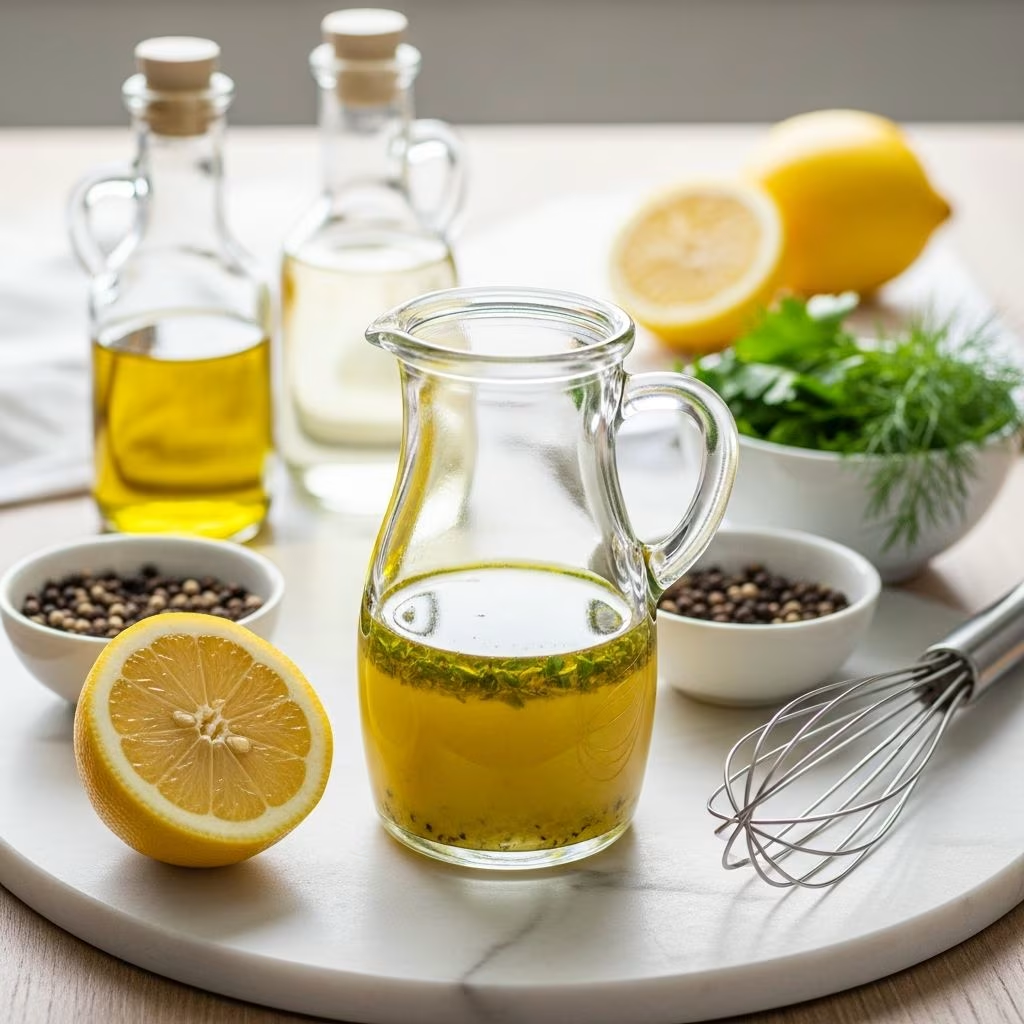
Creating a superior salad dressing begins with understanding the fundamentals of flavor balance and emulsification. A lemon-based vinaigrette represents one of the most versatile and accessible dressings for home cooks, offering brightness and acidity that enhances everything from delicate greens to hearty roasted vegetables. Unlike commercially produced dressings that often contain preservatives and refined ingredients, homemade versions deliver superior taste while allowing complete control over each component.
Essential Ingredients for Quality Vinaigrette
The foundation of an exceptional lemon vinaigrette depends on selecting premium ingredients rather than relying on complicated techniques. Each component serves a specific purpose in creating the final product, working together to achieve balanced flavor and proper texture.
The Acid Component
Fresh lemon juice forms the backbone of this dressing, providing the acidic element that brightens dishes and stimulates the palate. The difference between freshly squeezed juice and bottled alternatives proves significant in the final result. Bottled juice often tastes flat or develops a metallic quality from extended storage, whereas freshly squeezed lemon juice delivers vibrant, clean citrus notes. A typical vinaigrette requires approximately one-quarter to one-half cup of fresh juice, depending on your desired intensity and the ratio of oil you plan to incorporate.
The selection of which lemons to use matters more than many home cooks realize. Lemons at room temperature yield more juice than those fresh from refrigeration, so allowing them to warm slightly before juicing maximizes your yield. Rolling a lemon firmly on a counter surface before cutting breaks down the fruit’s internal structure, further increasing juice extraction.
Oil Selection and Quality
Extra virgin olive oil provides both body and richness to the dressing while contributing its own subtle flavor notes. The quality of oil directly impacts the overall taste profile, making this ingredient worthy of investment. Extra virgin oils showcase their character through distinctive fruity, grassy, or peppery undertones that complement the bright acidity of lemon. When selecting oil, prioritize producer reputation and harvest date when available, as newer oils retain superior flavor compared to those stored for extended periods.
The oil-to-acid ratio determines whether your vinaigrette tastes mellow or sharp. Traditional proportions suggest a three-to-one or four-to-one ratio of oil to acidic components, though this can be adjusted based on what foods the dressing will accompany. Delicate salad greens benefit from mellower dressings achieved through higher oil ratios, while robust preparations like roasted vegetables and potatoes tolerate sharper profiles with closer-to-equal ratios.
Emulsifying Agents
Dijon mustard serves multiple functions within the vinaigrette formula. Beyond adding distinctive tangy depth, this ingredient acts as an emulsifier—a substance that helps combine two liquids that ordinarily resist mixing, such as oil and water-based lemon juice. The mustard’s natural lecithin content facilitates this integration, creating a thicker, more cohesive dressing that clings to salad components rather than pooling at the bowl’s bottom. For those preferring milder profiles, spicy brown mustard or standard yellow mustard can substitute, though each delivers different flavor intensities.
Honey or maple syrup provides additional emulsifying properties while balancing the sharp acidity that can sometimes overwhelm delicate palates. These sweeteners need only modest quantities—typically one-half to one full teaspoon—to tame excessive sourness without creating an overtly sweet preparation. The honey dissolves more readily when whisked with acidic components first, before oil addition, ensuring even distribution throughout the finished dressing.
Aromatics and Seasonings
Fresh garlic contributes pungent complexity that elevates the dressing beyond simple citrus flavoring. A single small clove, finely minced, grated, or pressed, provides sufficient intensity without overwhelming other components. Using a microplane grater reduces garlic to near-paste consistency, maximizing flavor integration and preventing unpleasant chunks in the finished product. For those finding raw garlic too assertive, allowing minced garlic to macerate in the lemon juice for several minutes before adding remaining ingredients mellows its sharp edges.
Optional herbs such as fresh thyme bring aromatic dimension that works particularly well with the citrus base. Thyme’s subtle earthiness provides complexity without competing with the primary flavors. This ingredient represents one of several optional additions that can personalize the basic recipe to suit individual preferences and intended applications.
Quality salt and freshly ground black pepper complete the seasoning profile. Fine sea salt dissolves readily and distributes evenly throughout the acidic base, while coarser kosher salt provides textural element. Freshly ground pepper delivers substantially more aromatic compounds compared to pre-ground versions, which lose volatile oils through prolonged exposure to air.
Preparation Techniques and Methods
The specific approach to combining ingredients significantly influences the final texture and stability of your vinaigrette. Understanding proper emulsification techniques ensures consistent results across multiple batches.
The Whisking Method
Traditional whisking provides excellent control over emulsification and allows for gradual oil incorporation. Begin by combining all non-oil ingredients in a small mixing bowl—lemon juice, mustard, honey, minced garlic, salt, and pepper. Whisk these components together until thoroughly blended, ensuring the honey dissolves completely into the acidic base. This initial step establishes a homogeneous foundation for subsequent oil addition.
With the non-oil mixture prepared, slowly drizzle olive oil into the bowl while whisking continuously. The gradual addition and constant agitation force the oil to break into microscopic droplets suspended throughout the acidic base, creating the characteristic smooth, creamy texture associated with properly emulsified dressings. Rushing the oil addition or ceasing to whisk allows large oil globules to form, resulting in a separated, greasy product that fails to cling to salad ingredients.
Once all oil has been incorporated and the dressing achieves desired consistency, taste and adjust seasonings as needed. The emulsion may be thinned by whisking in additional lemon juice or thickened by incorporating more oil, depending on your preferences and intended use.
The Jar Method
For those preferring minimal equipment or greater convenience, combining all ingredients in a jar with a tight-fitting lid provides equally effective results. Add lemon juice, mustard, honey, garlic, salt, pepper, and oil to the jar, seal tightly, and shake vigorously for thirty seconds to one minute. The mechanical agitation created through vigorous shaking accomplishes the same emulsification as whisking, creating a thick, uniform dressing. This method proves particularly practical for batch preparation or when transporting dressing to outdoor dining locations.
Adapting Vinaigrette for Different Applications
The versatility of lemon vinaigrette extends far beyond simple green salads, with successful applications ranging from grain bowls to roasted vegetables. Understanding how to modify the basic formula ensures optimal results across diverse culinary contexts.
Light Salads and Greens
Delicate lettuces and tender greens require dressing with more subtle presence, achieved through higher oil ratios and reduced garlic quantities. A vinaigrette using four parts oil to one part acid creates a mellow profile that enhances rather than overwhelms sensitive greens. In these applications, honey or maple syrup becomes particularly valuable for tempering sharp acidity, creating balanced flavor that encourages multiple bites rather than becoming tiresome.
Robust Vegetables and Grains
Heartier ingredients including roasted vegetables, legume-based salads, and grain preparations tolerate and often benefit from sharper, more assertive vinaigrettes. A closer-to-one-to-one ratio of acid to oil creates pronounced citrus character that stands up to complex flavors and textures. In these contexts, additional garlic and fresh herbs intensify the overall profile without creating imbalance. Consider the cooking method and inherent flavors of your primary ingredients when adjusting vinaigrette intensity.
Storage and Longevity Considerations
Proper storage extends the usable life of homemade vinaigrette while maintaining optimal flavor and texture. Transfer finished dressing to clean glass containers with tight-fitting lids, storing in the refrigerator for up to two weeks. As the dressing chills, the emulsion may separate slightly, with oil rising to the surface. This represents normal behavior and requires only vigorous shaking or whisking to re-incorporate and restore the original creamy texture.
Should separation occur beyond simple shaking remedies, the dressing can be quickly re-emulsified by whisking in a small quantity of additional mustard or honey, which restarts the emulsifying process. For maximum convenience, prepare larger batches and store in individual mason jars, shaking immediately before use to ensure uniform consistency.
Flavor Variations and Creative Additions
While the basic lemon vinaigrette formula provides an excellent foundation, numerous variations exist to suit different culinary interests and dietary preferences. Fresh herbs such as dill, tarragon, or basil introduce regional flavor profiles, while adding minced shallots instead of garlic creates subtle onion undertones. Some cooks incorporate grated lemon zest to intensify citrus character—a technique that requires using only the yellow outer peel while avoiding the bitter white pith underneath.
For Mediterranean-inspired applications, consider incorporating finely minced anchovy, which dissolves into the dressing while adding umami depth without fishy character. Those preferring vegan preparations simply substitute maple syrup for honey, ensuring all components align with plant-based dietary requirements.
Troubleshooting Common Issues
Several challenges frequently emerge when preparing vinaigrette, most of which yield readily to simple solutions.
| Issue | Cause | Solution |
|---|---|---|
| Greasy, separated appearance | Insufficient emulsification or oil added too quickly | Whisk in additional mustard or honey to re-emulsify; start over with slower oil addition if needed |
| Excessively sour taste | Too much lemon juice or insufficient sweetener | Whisk in additional honey or maple syrup; increase oil ratio for future batches |
| Bland flavor | Insufficient salt, stale garlic, or bottled lemon juice | Taste and add salt gradually; use fresh ingredients; incorporate more mustard for complexity |
| Overly thick consistency | Excessive emulsification or insufficient liquid | Whisk in additional lemon juice or water to achieve desired consistency |
Frequently Asked Questions
Can I substitute other oils for olive oil?
While extra virgin olive oil provides traditional flavor and texture, avocado oil offers a neutral alternative with similar emulsifying properties and nutritional benefits. Other oils like grapeseed or vegetable oil work functionally but contribute minimal flavor. Premium nut oils such as walnut or hazelnut create interesting variations for specific applications, though their stronger flavors may overpower delicate components.
How long does homemade vinaigrette keep?
Properly stored vinaigrette maintains quality for two weeks in the refrigerator. The absence of preservatives found in commercial dressings means homemade versions have shorter shelf lives. Batches prepared with fresh garlic may develop stronger, sometimes unpleasant flavors after extended storage, so consuming within one week is recommended for maximum quality.
What’s the difference between vinaigrette and other dressing types?
Vinaigrettes rely on emulsified oil and acidic components without cream or other dairy products, distinguishing them from ranch, blue cheese, and similar creamy preparations. The absence of heavy ingredients creates lighter mouthfeel while allowing primary salad components to shine.
Can vinaigrette be made in advance for meal preparation?
Yes, vinaigrette serves as an excellent candidate for batch preparation. Making larger quantities at the beginning of the week provides convenient portioning and ensures consistent dressing throughout multiple meals. Store in individual mason jars for grab-and-go convenience.
Does lemon vinaigrette work on warm salads?
Absolutely. Warm salads and grain bowls benefit from vinaigrette’s brightness. For warm applications, prepare the dressing at room temperature or slightly warmed, as chilled dressing can dull flavors when dressed onto warm ingredients. Apply immediately before serving to prevent excessive wilting of delicate components.
Conclusion
Mastering homemade lemon vinaigrette elevates everyday meals through superior ingredients and proper technique. The straightforward formula accommodates numerous variations while maintaining the essential character that makes this dressing beloved across culinary traditions. Whether served over simple greens or complex grain preparations, a properly executed vinaigrette demonstrates how fundamental techniques and quality ingredients combine to create restaurant-quality results in home kitchens.
References
- Lemon Vinaigrette Recipe — Natasha’s Kitchen. Accessed April 2026. https://natashaskitchen.com/lemon-vinaigrette/
- Lemon Vinaigrette Recipe — Love and Lemons. Accessed April 2026. https://www.loveandlemons.com/lemon-vinaigrette/
- The Best Lemon Vinaigrette Recipe — The Real Food Dietitians. Accessed April 2026. https://therealfooddietitians.com/lemon-vinaigrette/
- Lemon Vinaigrette with Honey — Inquiring Chef. Accessed April 2026. https://inquiringchef.com/lemon-vinaigrette/
- The Best Lemon Vinaigrette Recipe — Essy Cooks. Accessed April 2026. https://www.youtube.com/watch?v=I0s4FzRezvM