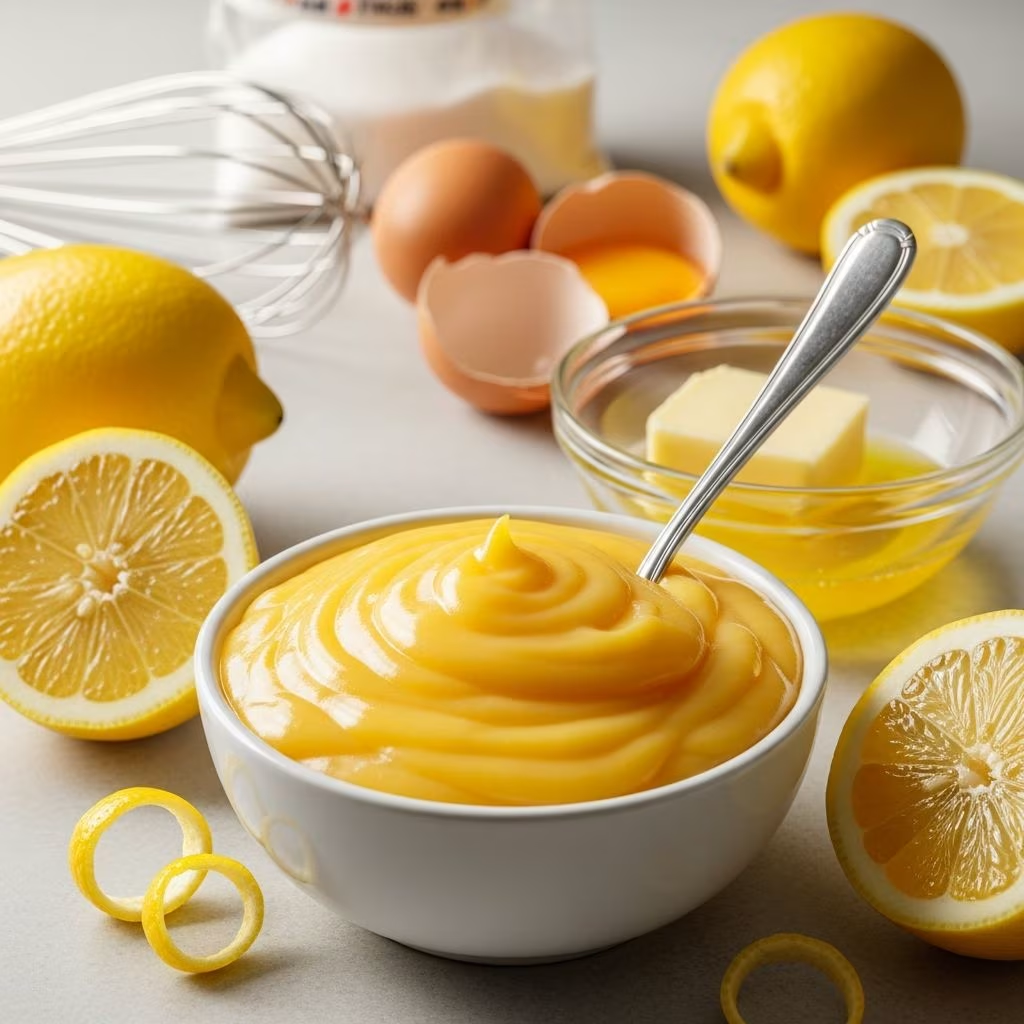
Lemon curd stands as a versatile kitchen staple, delivering a burst of bright, tangy flavor in a creamy, spreadable form. This beloved concoction transforms basic pantry items into a luxurious filling for tarts, cakes, and pastries, or a simple topping for scones and toast. Whether you’re a novice baker or a seasoned chef, mastering lemon curd opens doors to countless sweet treats. In this comprehensive guide, we’ll explore everything from selecting the finest ingredients to perfecting the cooking technique, common pitfalls to avoid, storage tips, and innovative ways to incorporate it into your favorite recipes.
Understanding Lemon Curd: What Makes It Special
At its core, lemon curd is a custard-like mixture that balances sweetness with sharp acidity. It relies on the coagulation of eggs heated gently with sugar, lemon juice, zest, and butter. The result? A velvety texture that’s both rich and refreshing, far superior to store-bought versions which often lack freshness and intensity.
The magic lies in the chemistry: eggs provide structure through proteins that set when heated to around 170°F (76°C), while butter adds gloss and mouthfeel. Fresh lemons are non-negotiable—their oils in the zest amplify flavor, creating an aromatic depth that bottled juice can’t match.
Essential Ingredients for Authentic Lemon Curd
Gathering high-quality components ensures success. Here’s a breakdown:
- Fresh Lemons: Opt for organic, firm fruits with vibrant yellow skin. You’ll need juice (about 3-4 tablespoons per batch) and zest (1-2 tablespoons) from 1-2 lemons.
- Eggs: Large eggs or yolks for richness. Whole eggs yield a lighter curd; extra yolks make it denser.
- Sugar: Granulated white sugar, 3-6 tablespoons depending on batch size and desired sweetness.
- Butter: Unsalted or salted (2-4 tablespoons), cut into cubes for easy incorporation. Cold butter at the end enhances silkiness.
| Ingredient | Standard Batch Amount | Small Batch Amount | Notes |
|---|---|---|---|
| Lemon Zest | 1 tbsp | Zest of 1 lemon | Use microplane for fine shreds |
| Fresh Lemon Juice | ¼ cup | 3 tbsp | Freshly squeezed only |
| Sugar | ½ cup | 3 tbsp | Adjust for tartness |
| Eggs | 2 whole + 2 yolks | 1 whole egg | Room temperature |
| Butter | 4 tbsp | 2 tbsp | Cubed, cold for finish |
Step-by-Step Lemon Curd Recipe
This foolproof method yields about 1 cup of curd in 10-15 minutes. It uses a direct stovetop approach for simplicity.
- Prepare the Lemon Sugar: In a saucepan, combine sugar and lemon zest. Rub with fingertips or a spoon for 1-2 minutes until fragrant and sugar turns pale yellow. This infuses maximum citrus oils.
- Incorporate Eggs: Whisk in eggs (or eggs and yolks) until smooth and fully blended, no streaks remain.
- Add Juice: Stir in fresh lemon juice. The mixture may curdle slightly—don’t worry; heat will smooth it.
- Cook Gently: Place over medium-low heat. Add butter cubes. Stir constantly with a wooden spoon or spatula for 5-10 minutes until thickened to coat the spoon’s back (170°F). Avoid boiling to prevent scrambling.
- Strain and Cool: Pass through a fine sieve into a bowl for ultra-smooth texture (removes zest bits if desired). Cover surface with plastic wrap to prevent skinning. Chill for 2+ hours until set.
Pro Tip: For a double-boiler method, use a heatproof bowl over simmering water to minimize scorching risk, stirring 7-10 minutes.
Customizing Your Lemon Curd
Adapt for different needs:
- Small Batch: Halve ingredients for ½ cup yield—ideal for testing or solo treats.
- Extra Rich: Add an egg yolk for thicker, more luxurious results.
- Flavor Twists: Swap lemons for limes, oranges, or passionfruit. Reduce sugar for sharper tang.
- Vegan Version: Use cornstarch slurry instead of eggs, coconut oil for butter—though texture differs slightly.
Troubleshooting Common Issues
Even pros encounter hiccups. Here’s how to fix them:
| Problem | Cause | Solution |
|---|---|---|
| Too Thin | Undercooked or insufficient eggs | Reheat gently or whisk in a yolk and cook longer |
| Scrambled Eggs | High heat | Strain out bits; next time use low heat and constant stirring |
| Skin Forms | Exposed surface | Press plastic wrap directly on curd while cooling |
| Grainy Texture | Rushed cooking | Sieve thoroughly; ensure even heat |
| Not Tangy Enough | Old lemons | Use fresher fruit and more zest |
Storage and Shelf Life
Fresh lemon curd lasts 1-2 weeks in the fridge in an airtight jar. For longer storage, freeze up to 3 months—thaw overnight in fridge. Always check for off smells or mold before use. Avoid room temperature beyond 2 hours for safety.
Creative Ways to Use Lemon Curd
Beyond basics, elevate your baking:
- Tarts and Pies: Fill pre-baked shells; top with meringue for classic lemon meringue pie.
- Cakes: Layer between sponges or swirl into buttercream.
- Pastries: Pipe into eclairs, macarons, or thumbprint cookies.
- Breakfast: Spread on toast, scones, or yogurt parfaits.
- No-Bake Desserts: Swirl into cheesecakes or trifles.
- Ice Cream: Ripple into vanilla for citrus bursts.
- Cocktails: Rim glasses or mix into drinks for zing.
With 20+ applications, from pavlovas to popsicles, lemon curd proves endlessly adaptable.
Advanced Techniques for Pro Results
For silky perfection:
- Cold Butter Finish: Stir in chilled cubes off-heat for superior emulsion.
- Thermometer Use: Target 170-175°F precisely.
- Infusions: Steep herbs like basil in juice for twists.
- Scaling Up: Double ingredients but use wider pan for even cooking.
Frequently Asked Questions (FAQs)
Can I make lemon curd without eggs?
Yes, substitute with cornstarch (1-2 tsp mixed with water) for vegan curd, though it won’t set as firmly.
Why use fresh lemons over bottled juice?
Fresh juice retains volatile oils for brighter flavor; bottled often contains preservatives dulling taste.
How do I know when it’s done cooking?
It thickens to coat a spoon and holds a line when finger-swiped (170°F). It firms more upon chilling.
Can lemon curd be frozen?
Absolutely—portion into jars, leave headspace, freeze up to 3 months. Thaw slowly in fridge.
Is salted or unsalted butter better?
Either works; salted enhances flavor subtly. Use unsalted for better sweetness control.
Nutritional Snapshot
Per 2 tbsp serving (standard recipe): ~150 calories, 10g fat, 12g carbs, 2g protein. High in vitamin C from lemons; enjoy in moderation due to sugar and eggs.
References
- Easy Small Batch Lemon Curd — Scientifically Sweet. 2023-05-15. https://scientificallysweet.com/small-batch-lemon-curd/
- 30 Delicious Ways to Use Lemon Curd (Plus the Recipe) — International Dessert Blog. 2022-11-20. https://www.internationaldessertsblog.com/delicious-ways-to-use-lemon-curd/
- Easy Lemon Curd Recipe — Preppy Kitchen (YouTube Transcript). 2021-08-10. https://www.youtube.com/watch?v=oFdbnW5tDVM