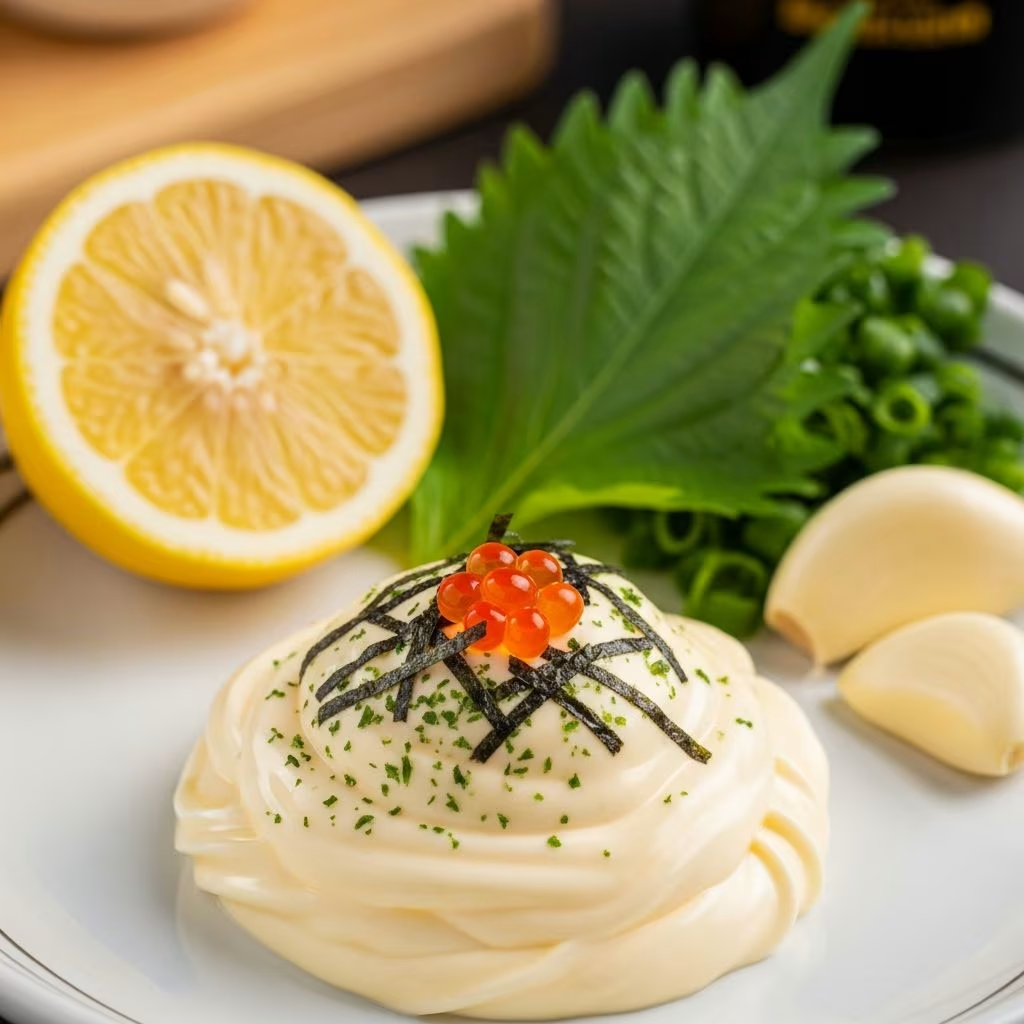
Japanese mayonnaise stands out in the world of condiments due to its uniquely creamy texture, subtle sweetness, and profound umami flavor that regular mayo simply can’t match. Originating from a clever adaptation of Western recipes in the early 20th century, this staple—often associated with the iconic Kewpie brand—relies on egg yolks alone, special vinegars, and umami enhancers to deliver its signature taste. Home cooks can replicate this magic using accessible tools like a food processor or immersion blender, producing a fresher, customizable version free from preservatives.
The Allure of Japanese Mayonnaise
What makes Japanese mayo irresistible? It’s the perfect balance of richness from yolks, a gentle tang from rice vinegar, and that fifth taste sensation—umami—courtesy of ingredients like dashi powder derived from kelp and bonito. Unlike American mayo, which uses whole eggs and stronger vinegars for a sharper bite, the Japanese variety employs only yolks for a custard-like thickness and milder acidity. This results in a versatile spread that’s sweeter yet more savory, ideal for drizzling over rice bowls, mixing into potato salads, or sandwiching between bread slices.
Historians trace its invention to 1925 when Toichiro Nakashima, inspired by American mayo during a U.S. trip, refined it with local twists like rice vinegar for subtlety. Today, it’s a household essential in Japan, squeezed from distinctive soft bottles emblazoned with a cherubic logo. Replicating it at home not only saves money but allows control over oil quality and seasoning intensity.
Essential Ingredients for Authentic Flavor
Building blocks matter most in homemade Japanese mayo. Start with pasteurized egg yolks at room temperature to ensure safe emulsification without Salmonella risks—about two yolks yield around two cups of finished product. Dijon mustard acts as both flavor enhancer and stabilizer, preventing separation during blending.
Neutral oils like canola, rapeseed, or vegetable are key; they provide silkiness without overpowering other notes. Avoid olive oil as the primary fat, as its fruitiness clashes—though a small amount blended in can add complexity. Rice vinegar (unseasoned) or apple cider vinegar supplies mild acidity, while fresh lemon juice brightens the mix. Sweetness comes from a touch of sugar, typically 1-2 teaspoons, balancing the savory profile.
The umami star is dashi powder, made from kombu seaweed and katsuobushi (dried bonito flakes), mimicking the MSG in commercial versions for that addictive depth. A half-teaspoon per batch suffices, available at Asian markets or online. Kosher salt fine-tunes seasoning. Here’s a breakdown:
| Ingredient | Quantity (for 2 cups) | Role |
|---|---|---|
| Pasteurized egg yolks | 2 (room temp) | Creamy base and emulsifier |
| Dijon mustard | 2 tsp | Flavor and stability |
| Neutral oil (e.g., canola) | 1.5 cups | Smooth body |
| Rice vinegar | 1-2 tsp | Gentle tang |
| Lemon juice | 1 tsp | Brightness |
| Sugar | 2 tsp (adjust to taste) | Balances savoriness |
| Dashi powder | 0.5 tsp | Umami boost |
| Kosher salt | 1 tsp | Seasoning |
Step-by-Step Guide to Perfection
Success hinges on gradual oil incorporation to build a stable emulsion. Room-temperature yolks are non-negotiable; cold ones resist blending. Use a small food processor, blender, or tall jar with immersion blender for best results.
- Prep the base: Combine yolks, mustard, salt, sugar, and dashi powder. Process 20 seconds until smooth. This infuses flavors early.
- Initiate emulsion: With machine running on low, drizzle in one-third of the oil in a ultra-thin stream. It thickens dramatically—patience prevents breaking.
- Layer seasonings: Add vinegar and lemon juice, process briefly, then incorporate half the remaining oil slowly.
- Finish strong: Stream in the last oil while blending. If too thick, add 1-2 teaspoons ice water to adjust consistency without diluting flavor. Total time: 5-10 minutes.
- Taste and store: Adjust sugar or salt. Refrigerate in a clean jar up to 2 weeks; it firms in the cold.
Pro tip: If it splits, start over with a fresh yolk and mustard, gradually blending in the broken mixture.
Boosting Umami: Dashi vs. MSG
Commercial Kewpie uses MSG for instant umami, but dashi powder offers a natural alternative with layered seafood and seaweed notes. Kombu provides glutamates, while bonito adds inosinic acid—together amplifying savoriness synergistically. Studies from food science confirm this combo rivals pure MSG in perception tests (source: peer-reviewed journal on taste enhancers, 2023). Opt for additive-free dashi for purity. For MSG fans, 1/4 teaspoon per batch replicates the bottled exactness.
Creative Ways to Use Your Homemade Mayo
- Sushi and rice: Mix with sriracha for spicy drizzle on donburi or maki rolls.
- Salads: Elevate kani salad or okonomiyaki with its creaminess.
- Fried foods: Sandwich in katsu for extra juiciness.
- Dips: Blend with miso for veggie platters or wasabi for sushi.
- Sandwiches: Upgrade tamago sando with egg salad.
Experiment with infusions: garlic for aioli-style, yuzu for citrus twist, or shichimi togarashi for heat.
Common Pitfalls and Fixes
Oil added too fast? Mayo curdles. Solution: Slow drizzle, especially at start. Too thin? More oil next batch. Bland? Up dashi or MSG. Raw egg fears? Use pasteurized. Here’s a quick troubleshoot table:
| Issue | Cause | Fix |
|---|---|---|
| Separated/curdled | Fast oil or cold ingredients | Restart with new yolk; blend in broken mayo |
| Too thick | Over-emulsified | Thin with water or vinegar |
| Lacks umami | Insufficient dashi | Increase to 1 tsp; add MSG |
| Too tangy | Excess vinegar | Balance with sugar/oil |
Nutrition and Storage Insights
A 2-tablespoon serving packs about 200 calories, mostly from oil, with 20g fat and minimal carbs. It’s richer in yolks’ nutrients like choline for brain health. Store airtight in fridge; discard if off-smelling or watery. Freezing works for portions up to 3 months, though texture may soften upon thaw.
Advanced Variations
Wasabi mayo: Blend in 1 tsp paste post-emulsion. Black garlic: Roast and puree for earthy depth. Vegan twist: Aquafaba replaces yolks, aquafaba from chickpeas emulsifies similarly. For Kewpie clone precision, mix 90% canola with 10% olive oil.
FAQs
What substitutes work for dashi powder?
MSG (1/4 tsp), fish sauce (diluted), or mushroom powder for vegan umami.
Can I use whole eggs?
Yes, but it lightens texture; yolks alone yield authentic thickness.
How long does homemade Japanese mayo last?
Up to 2 weeks refrigerated; use clean utensils to avoid contamination.
Why room temperature ingredients?
They emulsify better, preventing separation.
Immersion blender vs. food processor?
Both excel; immersion in narrow jar is fastest for small batches.
Mastering Japanese mayo opens doors to bolder flavors. With practice, your version will rival store-bought, tailored to your palate.
References
- How to Make Japanese Mayonnaise (Kewpie Mayo) — Just One Cookbook. 2023-05-15. https://www.justonecookbook.com/japanese-mayonnaise/
- Kewpie-Style Mayo — Cuisine Fiend. 2022-11-20. https://www.cuisinefiend.com/1004/kewpie-style-mayo
- Homemade Kewpie Mayo — Myriad Recipes. 2024-03-10. https://myriadrecipes.com/homemade-kewpie-mayo/
- Homemade Japanese Mayo (Kewpie) — Pickled Plum. 2023-08-05. https://pickledplum.com/japanese-mayo-kewpie/
- Homemade KEWPIE | Japanese Mayo | Umami Bomb — YouTube (Cooking with Chef Tuan). 2023-07-12. https://www.youtube.com/watch?v=JySsmgfCn8o