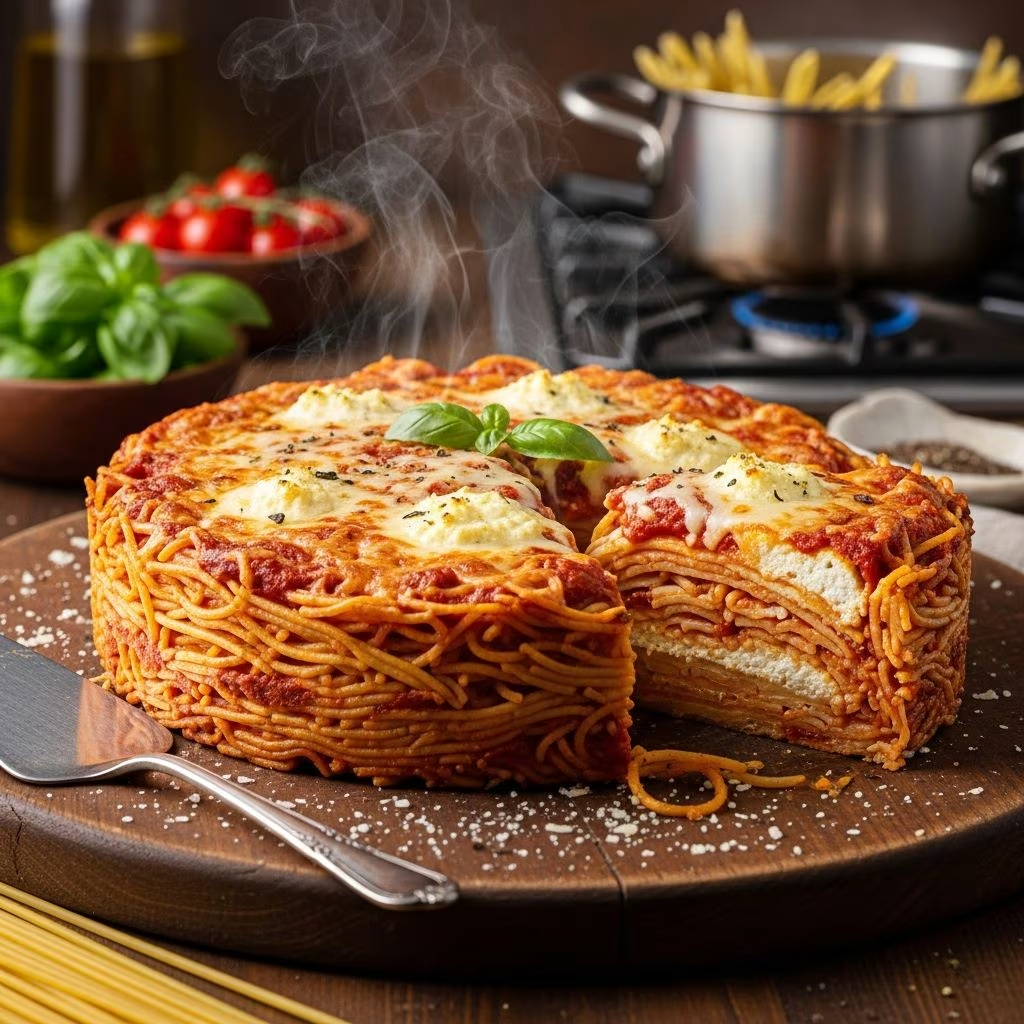
Baked spaghetti pie represents a creative departure from traditional pasta dishes, offering a structured approach to enjoying spaghetti that prioritizes sliceability and presentation. This innovative recipe combines cooked pasta with binding agents, multiple cheese layers, and savory sauce to create a cohesive, pie-shaped casserole that can be portioned into neat wedges. What makes this dish particularly appealing is its versatility—it works equally well as a weeknight family dinner, a make-ahead freezer meal, or a contribution to potluck gatherings.
Understanding the Structure and Composition
A successful spaghetti pie relies on understanding how each component contributes to the final texture and integrity of the dish. Unlike traditional spaghetti served in a bowl, this baked version requires careful attention to layering and ingredient selection to achieve a result that holds together when cut.
The Foundation Layer
The base of a spaghetti pie consists of cooked pasta mixed with binding ingredients that prevent the noodles from falling apart when the pie is sliced. This foundation typically includes butter, grated cheese, and beaten eggs. The butter provides richness and helps coat the noodles, while the eggs act as a natural binder that sets during baking, similar to how eggs function in a quiche or frittata.
Parmesan cheese, either freshly grated or pre-grated, adds both flavor and additional binding properties to this base layer. Fresh basil or Italian seasoning herbs enhance the flavor profile, establishing a Mediterranean foundation for the dish. After combining these ingredients, the mixture is firmly pressed into a deep-dish pie pan or baking vessel, creating a compact base that will support the additional layers.
The Creamy Filling Layer
Between the pasta base and the sauce sits a layer of creamy cheese that adds richness and prevents the sauce from making the bottom layer soggy. Traditional options include cottage cheese, ricotta cheese, or a combination of ricotta and softened cream cheese. Each choice offers distinct advantages: cottage cheese provides a mild flavor and lighter texture, ricotta offers a slightly richer taste and creamier consistency, and the ricotta-cream cheese blend creates the silkiest, most luxurious filling.
This layer can be spread plain or combined with herbs such as garlic, basil, oregano, and parsley. Some recipes include a small amount of Parmesan mixed into this layer for additional depth. The thickness of this filling layer should be moderate—enough to create a distinct textural element without overwhelming the dish.
The Sauce Component
The meat sauce layer provides the savory, umami-rich element that defines the spaghetti pie experience. Most recipes incorporate ground beef browned with onions and garlic, then combined with marinara sauce or homemade tomato-based sauce. Tomato paste can be added to the sauce to increase concentration and prevent excess moisture from compromising the pie’s structural integrity.
For vegetarian versions, the meat sauce can be omitted entirely, and the dish can be topped with additional vegetables such as sautéed spinach, mushrooms, or zucchini. The quantity of sauce matters significantly—too little leaves the pie dry, while too much prevents proper slicing. Most recipes call for approximately 1.5 to 2 cups of sauce total.
The Cheese Topping
A final layer of mozzarella cheese, either shredded or grated, creates a melted, bubbly top that adds visual appeal and flavor. Some recipes include additional Parmesan sprinkled on top for extra flavor. This top layer should be added during the final stages of baking to prevent over-browning while allowing sufficient time for the cheese to melt and the pie to heat through completely.
Preparation Methods and Techniques
Cooking the Pasta
Begin by bringing a large pot of salted water to a rolling boil. Add spaghetti noodles and cook according to package directions until al dente—tender yet still slightly firm when bitten. Properly cooked pasta is crucial because overcooked noodles become mushy and fail to hold their shape, while undercooked pasta may remain chewy in the final baked product.
Drain the pasta thoroughly in a colander, then transfer it to a large mixing bowl while still warm. The residual heat will help melt the butter and incorporate it evenly throughout the pasta.
Creating the Binding Mixture
While the pasta cooks, beat one to four large eggs (depending on the recipe) in a separate bowl. For recipes using multiple eggs, ensure they are room temperature, as this promotes better incorporation. Add softened butter—typically two to four tablespoons—to the warm pasta and toss until the butter is completely melted and coats every strand.
Immediately add the beaten eggs and toss quickly and continuously to distribute them evenly. The heat from the pasta should cook the eggs slightly, creating a light coating that helps bind the noodles together. Add grated Parmesan cheese, fresh or dried herbs, salt, and freshly ground black pepper, tossing gently to combine all ingredients.
Layering in the Pie Pan
Lightly grease a deep-dish pie pan or a 2 to 2.5-quart baking dish with cooking spray. Transfer the pasta mixture into the prepared pan and press firmly into a compact, even layer that covers the bottom and comes slightly up the sides. Use the back of a spoon or your hands to create a uniform base that resembles a pie crust.
Spread the creamy cheese layer over the pasta base, distributing it evenly across the surface. Follow this with the meat sauce, spreading it in an even layer. For recipes using two pie pans, divide all ingredients equally between the two vessels.
Baking and Finishing
Preheat the oven to 350 degrees Fahrenheit. Place the assembled pie in the oven and bake for 20 to 30 minutes, depending on the thickness and density of the dish. The pie is done when the filling is heated through and the edges begin to bubble slightly.
At this point, remove the pie from the oven and sprinkle the mozzarella cheese over the top. Return to the oven and bake for an additional 5 to 10 minutes, until the cheese is fully melted and begins to brown lightly. Remove from heat and allow the pie to rest for at least 5 to 10 minutes before slicing—this resting period allows the filling to set and the pie to firm up, making slicing cleaner and more successful.
Ingredient Variations and Substitutions
Cheese Options
While the recipes mentioned use specific cheeses, several substitutions work effectively. Ricotta can replace cottage cheese for a richer flavor. An Italian cheese blend can substitute for mozzarella to add complexity. Pecorino Romano can replace or supplement Parmesan for a sharper, more pungent taste.
Sauce Alternatives
Homemade marinara sauce allows for flavor customization and control over ingredient quality. Store-bought pasta sauce offers convenience for busy weeknights. For vegetarian versions, marinara sauce alone without meat provides a lighter option.
Protein Variations
Ground beef is the traditional protein choice, but ground Italian sausage offers a more robust, herbed flavor. Ground turkey provides a leaner alternative. For vegetarian diets, sautéed vegetables like mushrooms, spinach, and zucchini can replace meat entirely.
Equipment and Serving Considerations
A deep 9-inch or 10-inch pie pan works well for standard recipes, though a 2 to 2.5-quart baking dish provides similar results. For recipes designed to serve larger groups, two standard pie pans allow for easy doubling. Aluminum disposable pie pans offer convenience and make the dish ideal for gifting or transporting.
To serve, use a sharp knife or a pie server to cut through the layers and create clean wedges. The resting period mentioned earlier is essential for achieving neat slices rather than a crumbly, disintegrated result.
Make-Ahead and Storage Benefits
Spaghetti pie proves particularly valuable as a make-ahead meal because it can be assembled in advance and baked later, or fully baked and refrigerated for reheating. To freeze, allow the baked pie to cool completely, wrap it tightly in plastic wrap, and store in the freezer for up to three months. Reheat thawed pie at 350 degrees for 20 to 30 minutes until warmed through.
For refrigerator storage, cover leftover pie tightly and consume within three to four days. Reheating individual slices in a microwave provides quick results, though the oven method at 350 degrees preserves texture better.
Frequently Asked Questions
What role do eggs play in spaghetti pie?
Eggs function as a binding agent that helps the pasta and cheese mixture hold together when sliced. Without eggs, the pie would be difficult to portion and would fall apart during serving.
Can spaghetti pie be made without meat?
Yes, vegetarian versions exist and can be equally satisfying. Increase the amount of sautéed vegetables or use additional cheese layers to add depth and substance.
How can I prevent a watery, soggy bottom?
Use tomato paste in the sauce to increase its concentration and reduce excess moisture. Additionally, ensure the creamy cheese layer is present to act as a barrier between the pasta base and the sauce.
Is there a difference between spaghetti pie and lasagna?
While both are layered pasta dishes, spaghetti pie uses long, thin noodles arranged in layers rather than flat sheets. Spaghetti pie is baked in a pie pan or round baking dish, creating a different presentation and slicing method compared to traditional lasagna.
Can leftovers be frozen and reheated?
Yes, fully baked spaghetti pie freezes well for up to three months. Thaw in the refrigerator overnight and reheat in a 350-degree oven until heated through.
Nutritional and Practical Advantages
Spaghetti pie combines the comfort of traditional spaghetti with the structural appeal of a casserole, making it suitable for various occasions. Its ability to be portioned into neat slices appeals to those who prefer defined servings over communal bowls. The dish accommodates dietary modifications easily, from reduced-fat cheese options to vegetarian preparations.
References
- Baked Spaghetti Pie Recipe — Tastes Better From Scratch. Accessed April 2026. https://tastesbetterfromscratch.com/spaghetti-pie/
- Easy Spaghetti Pie—Family Favorite Casserole — Julie’s Eats & Treats. Accessed April 2026. https://www.julieseatsandtreats.com/spaghetti-pie/
- Baked Spaghetti Pie Recipe: An Easy Meal Idea — Natural Living Homestead. Accessed April 2026. https://naturallivinghomestead.com/baked-spaghetti-pie-recipe-an-easy-meal-idea/
- Spaghetti Pie — The Cozy Cook. Accessed April 2026. https://thecozycook.com/spaghetti-pie/
- Spaghetti Pie Recipe (Surprise Filling!) — A Spicy Perspective. Accessed April 2026. https://www.aspicyperspective.com/baked-spaghetti-pie/
- Friendship Spaghetti Pie — 12 Tomatoes. Accessed April 2026. https://12tomatoes.com/friendship-spaghetti-pie/
- Spaghetti Pie — The Mediterranean Dish. Accessed April 2026. https://www.themediterraneandish.com/spaghetti-pie/