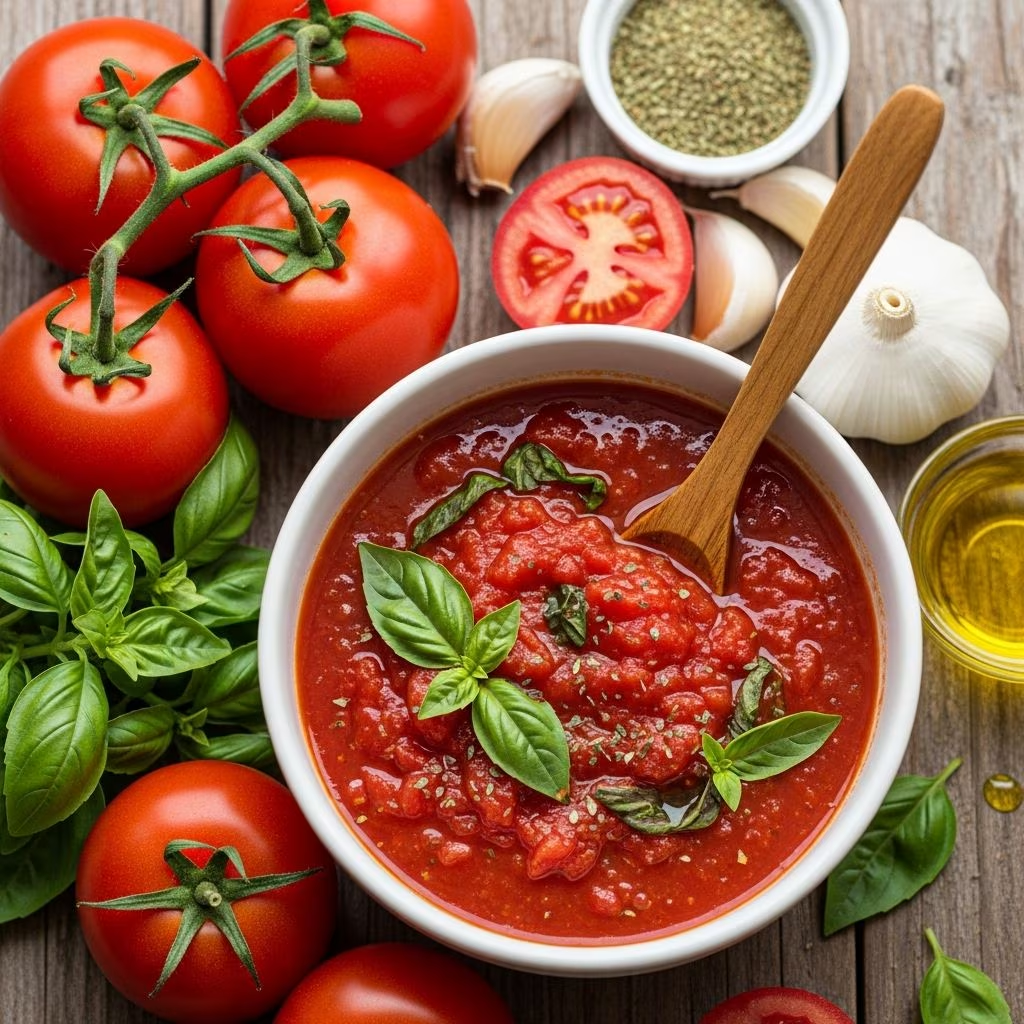
The foundation of an exceptional homemade pizza begins not with the dough, but with the sauce that coats it. Many home cooks overlook the importance of quality pizza sauce, yet this component carries the primary flavor profile of the entire dish. Rather than relying on store-bought options that often contain preservatives and excessive sodium, preparing your own pizza sauce offers superior taste, cost savings, and complete control over ingredients.
Understanding the Core Components of Pizza Sauce
Creating a successful pizza sauce requires understanding the role each ingredient plays in the final product. The foundation typically starts with tomato products, which provide the essential acidic and umami base necessary for authentic flavor development. Beyond tomatoes, aromatic elements and seasonings transform a basic tomato mixture into a sophisticated sauce worthy of quality pizza.
The primary tomato components include whole tomatoes, crushed varieties, and tomato paste, each contributing different textural and flavor qualities. Whole tomatoes offer a fresher taste and require manual breakdown, while crushed tomatoes provide immediate consistency. Tomato paste delivers concentrated flavor and helps achieve the desired thickness without extended cooking times.
Essential Ingredients for Your Pizza Sauce Arsenal
Building a reliable pizza sauce begins with stocking your kitchen with versatile, shelf-stable ingredients. The following components form the basis of multiple sauce variations:
- Tomato paste (concentrated tomato flavor and natural thickening agent)
- Canned tomatoes in various forms (whole, crushed, or diced)
- Extra-virgin olive oil (foundational fat and flavor carrier)
- Fresh or minced garlic (aromatic depth and pungency)
- Dried oregano (classic Mediterranean herb with slightly bitter undertones)
- Italian seasoning blend (convenient combination of complementary herbs)
- Onion powder (savory roundness without moisture)
- Garlic salt (seasoning and flavor intensification)
- Freshly ground black pepper (subtle heat and complexity)
- Granulated sugar or brown sugar (balance for acidity)
- Red pepper flakes (optional heat element)
- Fresh basil (optional finishing herb for brightness)
No-Cook Method: The Fastest Route to Flavorful Sauce
For home cooks seeking maximum convenience without sacrificing quality, the no-cook approach delivers exceptional results in minimal time. This method combines ingredients directly without any heat application, making it ideal for quick pizza nights or when oven space is limited.
Begin by selecting your tomato base carefully. Combine tomato paste with tomato sauce in a medium-sized mixing bowl, whisking the mixture until completely smooth and uniform. The whisking action prevents lumps and ensures even distribution of the concentrated paste throughout the liquid sauce component.
Once your tomato foundation reaches the desired consistency, introduce the remaining seasonings: dried oregano according to personal taste preference (typically one to two tablespoons), Italian seasoning blend, garlic powder, onion powder, garlic salt, and freshly cracked black pepper. Add a small amount of granulated sugar to counterbalance the natural acidity of the tomatoes, creating a more well-rounded flavor profile.
The final step involves thorough mixing until every ingredient distributes evenly throughout the sauce. This ensures that no areas contain concentrated pockets of a single seasoning, which would result in inconsistent flavor when applied to your pizza dough. Taste the completed sauce and make adjustments according to personal preference before spreading it across your pizza base.
Cooked Method: Developing Complex Flavor Through Heat
For those willing to invest slightly more time and effort, cooking your pizza sauce develops deeper, more complex flavors through the Maillard reaction and ingredient interaction. This method works particularly well when starting with whole or crushed tomatoes rather than prepared tomato sauce.
Heat olive oil in a saucepan over medium temperature, adding minced garlic and allowing it to soften for approximately one to two minutes until the kitchen fills with its characteristic aroma. This blooming process activates the garlic’s flavor compounds, creating a more robust foundation than raw garlic alone would provide.
Add your tomato products—whether whole tomatoes that require manual crushing or crushed varieties ready for immediate use—along with complementary seasonings. Bring the mixture to a gentle boil, then reduce the heat to create a steady simmer. Maintain this simmer for fifteen to twenty minutes, allowing the sauce to thicken through natural evaporation while flavors meld and develop.
The cooked approach offers superior thickness compared to no-cook versions, making it particularly suitable for pizza styles that benefit from hearty sauce coverage. Additionally, the extended heat exposure softens dried herbs completely, creating a more integrated flavor profile rather than discernible particles.
Flavor Customization and Personal Preferences
While traditional pizza sauce follows established patterns, personal preferences and regional tastes justify experimentation. The beauty of homemade sauce lies in the ability to adjust ingredients to match individual palates and dietary requirements.
For those preferring sharper, more herbaceous profiles, increase dried oregano quantities and consider adding fresh basil near the end of cooking or after completion. Those favoring sweeter undertones can incorporate additional sugar, brown sugar, or even a small amount of finely grated onion for natural sweetness. Heat enthusiasts benefit from red pepper flakes, cayenne powder, or other spicy elements added according to tolerance levels.
Individuals seeking umami depth—that savory, mouth-filling quality—might enhance their sauce with grated Parmesan cheese, a small amount of anchovy paste, or additional tomato paste beyond standard amounts. These additions create complexity that elevates the sauce from adequate to exceptional.
Storage and Preservation Strategies
One significant advantage of making pizza sauce at home involves the ability to prepare larger batches and preserve them for future use. Proper storage techniques maintain quality while extending usability across multiple pizza-making occasions.
Refrigeration extends pizza sauce viability for approximately five to seven days when stored in airtight containers. The cool temperature slows bacterial growth and prevents flavor degradation, though the sauce will gradually lose some brightness and intensity over extended periods.
Freezing offers substantially longer preservation, maintaining sauce quality for several months when properly contained. Portion the sauce into ice cube trays for convenient single-serving sizes, or store in freezer-safe containers for larger quantities. This approach allows spontaneous pizza preparation without requiring advance sauce preparation time.
When thawing frozen sauce, transfer it to the refrigerator overnight rather than using rapid heat methods, which can create inconsistent texture and potentially separate components. Room-temperature thawing works adequately but requires longer timeframes.
Comparison Table: No-Cook vs. Cooked Sauce Methods
| Characteristic | No-Cook Method | Cooked Method |
|---|---|---|
| Preparation Time | 5 minutes | 20-25 minutes |
| Flavor Development | Fresh, bright, immediate | Deep, complex, melded |
| Texture | Thinner, more spreadable | Thicker, more concentrated |
| Equipment Needed | Mixing bowl, whisk | Saucepan, stovetop |
| Best For | Quick weeknight pizzas | Batch preparation and freezing |
Ingredient Substitutions and Alternatives
Not every pantry contains identical ingredients, and creative substitutions often yield surprisingly successful results. Understanding how different components function within the sauce enables confident substitution when necessary.
For individuals without canned tomato sauce readily available, high-quality crushed tomatoes or whole tomatoes blended until smooth provide viable alternatives with minimal flavor compromise. Fire-roasted tomato varieties offer slightly deeper, smoky undertones compared to standard canned options, making them preferable when available.
Fresh blended tomatoes work beautifully when in-season, though they produce thinner sauce requiring longer cooking times or additional tomato paste for proper consistency. Diced tomatoes function acceptably if thoroughly blended before use, though the larger chunks require more aggressive processing compared to whole or crushed varieties.
Herb variations accommodate regional preferences and personal tastes. While oregano dominates traditional formulations, dried basil, thyme, or marjoram offer distinct flavor profiles. Some recipes incorporate fennel-forward components like anise or tarragon for innovative twists on classical sauce.
Frequently Asked Questions About Pizza Sauce
What makes homemade pizza sauce superior to store-bought versions?
Homemade sauce allows complete ingredient control, eliminates unnecessary preservatives and excessive sodium, and provides superior freshness. The flavor customization possibilities exceed commercial options, enabling sauce tailored specifically to individual preferences rather than generic mass-market formulations.
Can pizza sauce be made in advance?
Yes, pizza sauce improves with time as flavors meld and develop. Prepare sauce up to one week in advance and refrigerate, or freeze for several months. This makes batch preparation highly practical for frequent pizza makers.
Why does my sauce taste too acidic?
Tomatoes naturally contain significant acidity. Counterbalance this by adding granulated sugar, brown sugar, or grated onion. Start with half a tablespoon of sugar and adjust according to taste preference. Extended cooking also reduces perceived acidity through natural evaporation.
How thick should pizza sauce be?
Pizza sauce should spread easily across dough without being watery. It should coat the back of a spoon but maintain pourable consistency. If too thin, add tomato paste in small amounts. If too thick, thin with water one tablespoon at a time.
Should fresh basil be added during cooking or after?
Add fresh basil after cooking or immediately before serving, as heat diminishes its delicate flavor. Dried basil, conversely, benefits from cooking time that allows its flavors to fully integrate throughout the sauce.
Applying Pizza Sauce Correctly to Your Dough
Even exceptional sauce fails to deliver optimal results if applied incorrectly to pizza dough. The distribution method significantly impacts final texture and flavor balance.
Spread sauce in an even layer across the dough, leaving a narrow border for crust development. Avoid excessive amounts that create soggy pizza; approximately three to four tablespoons per pizza proves adequate for most preferences. Use the back of a spoon or ladle to create uniform coverage, ensuring no areas receive concentrated sauce while others remain bare.
For thicker crust styles, generous sauce application works acceptably. Thin crust pizzas benefit from lighter sauce application to prevent overwhelming delicate dough. Experimentation with your preferred pizza style determines ideal sauce quantity.
Conclusion: Elevating Your Pizza Game Through Sauce Mastery
Creating homemade pizza sauce represents one of the simplest yet most impactful improvements home cooks can implement. The minimal ingredient requirements, straightforward preparation methods, and remarkable flavor benefits make sauce preparation an essential skill for pizza enthusiasts. Whether choosing the rapid no-cook approach or investing time in the cooked method, homemade sauce consistently outperforms commercial alternatives while offering unparalleled customization possibilities. Begin with basic recipes provided here, then gradually adjust seasonings and ingredients according to developing preferences until achieving your personal ideal pizza sauce.
References
- Joy Foods Sunshine – Easy Homemade Pizza Sauce Recipe (5-Minutes) — Joy Foods Sunshine. Retrieved from https://joyfoodsunshine.com/easy-homemade-pizza-sauce-recipe/
- The Café Sucre Farine – Super Easy Pizza Sauce — The Café Sucre Farine. Retrieved from https://thecafesucrefarine.com/super-easy-pizza-sauce/
- Love and Lemons – Homemade Pizza Sauce Recipe — Love and Lemons. Retrieved from https://www.loveandlemons.com/pizza-sauce/
- Budget Bytes – Homemade Pizza Sauce Recipe — Budget Bytes. Retrieved from https://www.budgetbytes.com/thick-rich-pizza-sauce/
- Little Spice Jar – The BEST Homemade Pizza Sauce Recipe — Little Spice Jar. Retrieved from https://www.littlespicejar.com/homemade-pizza-sauce/
- A Couple Cooks – Easy Homemade Pizza Sauce (Ready in 5 Minutes!) — A Couple Cooks. Retrieved from https://www.acouplecooks.com/pizza-sauce-recipe/