Creating a silky, luxurious white sauce stands as one of the foundational skills in home cooking. This versatile sauce transforms simple pasta into an elegant dish worthy of restaurant tables. Whether you’re preparing a weeknight dinner or impressing guests, understanding the mechanics of white sauce preparation ensures consistent, delicious results every time.
Understanding the Foundation of White Sauce
White sauce exists in various forms, each with distinct preparation methods and characteristics. The most common approaches include cream-based sauces and flour-thickened roux sauces, each offering unique advantages depending on your culinary goals and available ingredients.
The cream-forward method relies on heavy cream as the primary ingredient, creating an inherently rich and velvety texture. This technique demands minimal thickening agents and produces a naturally smooth consistency. The roux-based approach, conversely, uses a cooked flour and butter mixture as the thickening foundation, offering greater control over sauce consistency and often incorporating milk for a lighter final product.
Essential Ingredients and Their Roles
Every successful white sauce begins with quality ingredients working in harmony. Understanding each component’s purpose elevates your sauce from acceptable to exceptional.
- Butter — Provides richness and serves as the fat base for cooking aromatics and flour. Fresh, unsalted butter allows better seasoning control.
- Garlic — Delivers aromatic depth when properly minced and cooked. Over-cooking creates bitterness, while under-cooking leaves a harsh bite.
- Cream or Milk — Creates the sauce body. Heavy cream produces richness quickly, while milk-based versions require thickening agents for proper consistency.
- Cheese — Parmesan cheese contributes umami depth and subtle nuttiness. Freshly grated cheese melts more smoothly than pre-shredded varieties.
- Flour — Functions as a thickening agent in roux-based preparations, requiring constant stirring to prevent clumping.
- Seasonings — Black pepper, salt, and optional herbs round out flavors and balance richness.
The Cream-Based Method: Speed and Simplicity
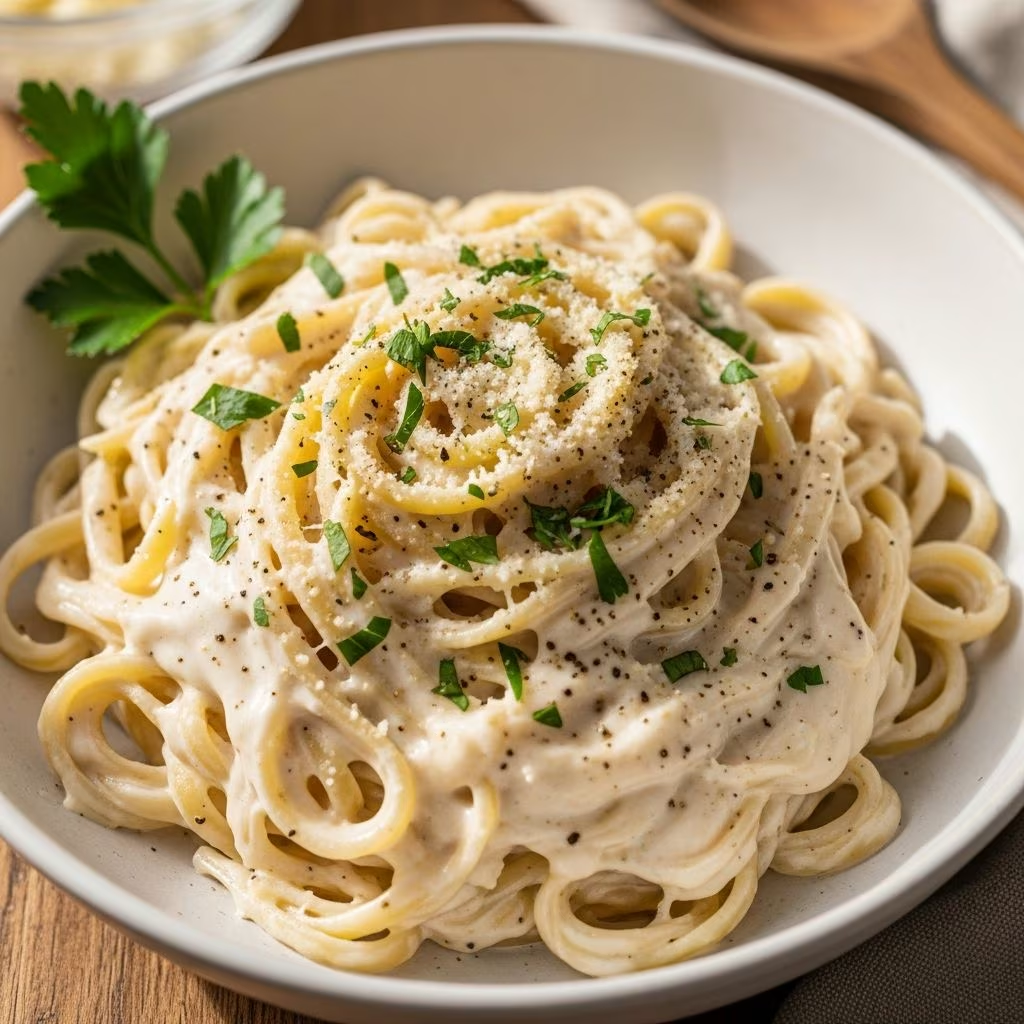
The cream-forward approach represents the quickest path to a finished sauce, typically requiring just 15 minutes from start to serving. This method suits home cooks seeking efficiency without sacrificing quality.
Step-by-Step Process
Heat Fat and Cook Aromatics — Begin by melting butter in a large skillet over medium heat. Add finely minced garlic, stirring constantly for approximately one minute. This brief cooking window releases garlic’s aromatic compounds while preventing the development of bitter flavors that indicate burning.
Introduce Cream Gently — Pour in heavy cream and reduce heat to achieve a gentle simmer rather than a rolling boil. Vigorous boiling can cause cream to separate and create an undesirable texture. The mixture should show small, lazy bubbles breaking the surface.
Incorporate Cheese Progressively — This step proves critical for achieving silky texture. Rather than adding all cheese at once, divide grated Parmesan into two or three portions. Add each portion separately, allowing complete melting before introducing the next addition. This gradual integration prevents clumping and ensures even distribution of cheese flavor throughout the sauce.
Balance with Pasta Water and Seasoning — Add reserved pasta water (approximately ¼ cup) along with freshly ground black pepper. The starchy pasta water helps the sauce cling to noodles while adjusting final consistency. Stir well and allow the sauce to gently bubble for one to two minutes, enabling slight thickening.
The Roux-Based Method: Control and Versatility
Building sauce from a roux foundation offers greater consistency control and accommodates various liquid bases. This classical approach suits cooks who value precision and adaptability.
Creating and Cooking the Roux
Melt butter over medium heat and add minced garlic, cooking for approximately one minute until fragrant. Sprinkle flour over the butter-garlic mixture and stir constantly for one minute. This cooking period allows flour granules to become coated with fat and begins gelatinizing starch molecules, essential for proper thickening without lump formation.
The roux should appear sandy and slightly darkened but never brown, which indicates burning. Constant stirring prevents hot spots where flour particles scorch. Once the flour achieves a light, nutty aroma, the roux has properly developed.
Adding Liquids Properly
Gradually introduce milk and chicken broth (if using) while stirring constantly. Adding liquid too quickly creates lumps as flour particles clump together. Maintain continuous stirring until the mixture boils and thickens, typically requiring about five minutes.
The finished sauce should coat the back of a spoon, with drips running slowly down rather than immediately falling off. Consistency continues developing as the sauce simmers, so slight adjustments happen naturally.
Timing and Temperature Management
Temperature control separates mediocre sauces from exceptional ones. Medium heat provides the ideal balance—high enough to cook ingredients through but low enough to prevent separation or scorching.
Throughout cooking, maintain gentle simmering rather than vigorous boiling. Cream-based sauces particularly benefit from low heat, as high temperatures accelerate separation. Watch for small bubbles breaking the surface rather than rapid boiling action.
Most sauces reach optimal consistency after four to eight minutes of gentle simmering once all ingredients are combined. However, sauces will continue thickening as they cool slightly, so removing from heat before reaching your target consistency prevents over-reduction.
Achieving Perfect Cheese Integration
Cheese serves as both flavor and thickening agent, yet improper addition ruins sauces. The key principle involves grating cheese finely—ideally with a microplane or the star side of a box grater—and never rushing the incorporation process.
When cheese is added to overly hot sauce, proteins and fats separate, creating a grainy, broken texture. Adding cheese in stages gives fats time to properly emulsify, creating that signature silky mouthfeel. Additionally, off-heat finishing—removing the pan from the stove before final cheese additions—provides extra insurance against separation.
Ingredient Quality and Selection
The simplicity of white sauce means ingredient quality directly impacts results. Fresh Parmesan cheese, preferably purchased in blocks and freshly grated, outperforms pre-shredded varieties that contain anti-caking additives affecting melting behavior.
Heavy cream creates richer, smoother sauces than half-and-half or milk, though these alternatives work with adjustment to thickening agents. Butter quality matters for flavor—unsalted butter allows precise seasoning control. Garlic freshness ensures clean flavor rather than harsh or sulfurous notes.
Preparation and Mise en Place
White sauce preparation moves quickly once cooking begins, leaving no time for ingredient gathering mid-preparation. Effective cooks prepare all components before heat touches the pan.
- Mince garlic finely
- Grate cheese with a microplane or box grater
- Measure cream or milk
- Reserve pasta water in a small cup
- Grind fresh black pepper
- Have salt accessible for final seasoning
Troubleshooting Common Issues
Grainy or Broken Sauce — This results from overheating cheese or adding cold ingredients to hot sauce. Remedy by reducing heat, removing from the stove, and slowly whisking in a small amount of room-temperature cream or milk.
Overly Thick Consistency — Gradually whisk in additional cream, milk, or pasta water until reaching desired consistency. Add liquid in small increments, stirring thoroughly between additions.
Insufficient Thickening — In roux-based sauces, extend simmer time to allow flour to fully hydrate and swell. For cream-based sauces, ensure gentle simmering occurs for the full recommended time.
Burnt or Scorched Flavor — Lower heat immediately and transfer sauce to a clean pan if burning is severe. Burnt sauce cannot be salvaged—prevention through careful heat management proves essential.
Versatile Variations and Add-Ins
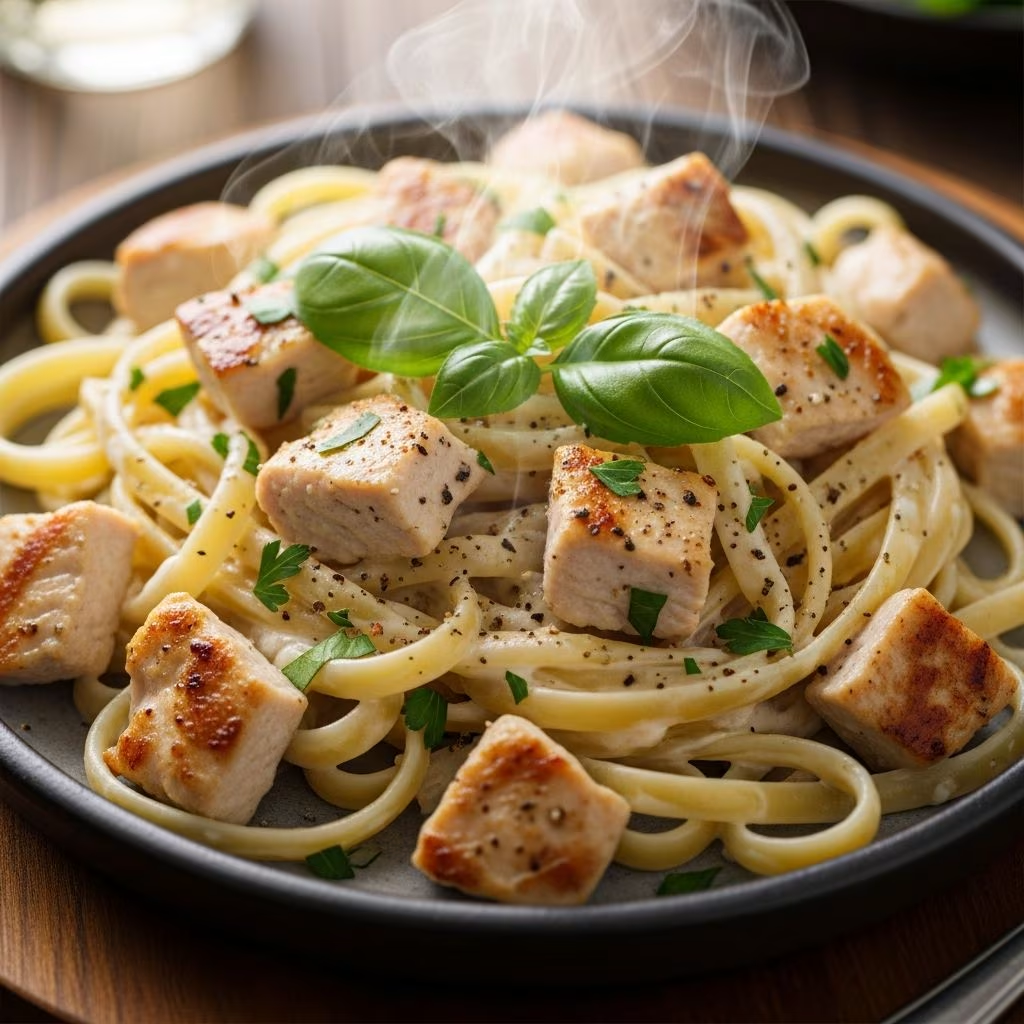
The basic white sauce serves as an excellent foundation for countless variations. Sautéed mushrooms add earthiness and umami depth. Cooked chicken transforms the dish into a protein-forward meal. Crispy bacon provides smoky richness.
Fresh herbs like parsley, thyme, or basil contribute brightness when added near serving time. A squeeze of fresh lemon juice cuts through richness and adds subtle acidity. Red pepper flakes introduce gentle heat for those preferring spiced profiles.
For plant-based preparations, cashews blended with water create creamy texture similar to traditional cream, while nutritional yeast provides savory depth and umami complexity.
Pasta Pairing and Proportions
White sauce texture calls for specific pasta shapes and quantities. Long, thin pastas like fettuccine and linguine work beautifully with cream sauces, allowing sauce to cling evenly along pasta strands. Short shapes like penne and rigatoni trap sauce within their tubes, creating varied texture experiences.
For a simple white sauce with no significant add-ins, use approximately 220 grams (½ pound) dried pasta per two servings. This ratio ensures balanced sauce-to-pasta proportions. With vegetable or protein additions, slightly reduce pasta quantity to maintain proper sauce coverage.
Storage and Make-Ahead Options
White sauce keeps refrigerated for up to one week in an airtight container. However, sauces typically thicken further during storage as they cool. When reheating, gently warm over low heat, adding small amounts of cream or milk to restore original consistency.
Freezing cream-based sauces is not recommended, as cream and milk separate upon thawing, resulting in broken, grainy texture. Roux-based sauces freeze more successfully, though quality may decline slightly.
Professional Tips for Restaurant-Quality Results
Chefs employ several techniques elevating white sauce above home-cook versions. Tempering ingredients—bringing cold cream to room temperature before adding—prevents temperature shock and ensures smooth integration. Tasting progressively throughout cooking allows seasoning adjustments before serving, ensuring balanced flavors.
Finishing with butter off-heat (a technique called mounting) adds silky mouthfeel and subtle richness even to simple sauces. A small knob of cold butter whisked into finished sauce at the last moment creates shine and additional depth.
Frequently Asked Questions
Can I substitute milk for cream?
Yes, though results differ. Milk-based sauces require flour or cornstarch for thickening and produce lighter texture than cream-based versions. A combination of milk and cream works well as a middle ground.
Why does my sauce taste grainy?
Cheese overheating or rapid addition causes graininess. Add cheese gradually to lower-temperature sauce, removing from heat if necessary. This prevents protein separation.
How do I thicken white sauce if it’s too thin?
Allow extended simmering to naturally reduce and thicken. Alternatively, create a small cornstarch slurry (cornstarch mixed with cold water) and whisk in gradually while simmering.
Can white sauce be made ahead?
Yes, up to one day ahead. Store refrigerated and reheat gently over low heat with additional cream or milk to restore consistency. Add fresh herbs and final seasonings just before serving.
What’s the best cheese for white sauce?
Freshly grated Parmesan cheese offers superior melting and flavor compared to pre-shredded varieties. High-quality Parmigiano-Reggiano delivers the best results.
Conclusion
Mastering white sauce opens doors to countless memorable meals. Whether choosing the quick cream method or the controlled roux approach, understanding fundamental principles—proper ingredient selection, temperature management, and patient technique—ensures success. Begin with basic preparations, then explore variations and additions as confidence grows. Soon, creating silky, restaurant-quality white sauce becomes second nature, transforming everyday pasta into something extraordinary.
References
- White Pasta Sauce (Creamy Garlic Parmesan) — The Burnt Butter Table. Accessed April 2026. https://www.theburntbuttertable.com/white-pasta-sauce-creamy-garlic-parmesan/
- White Sauce Penne Pasta — Lil’ Luna. Accessed April 2026. https://lilluna.com/creamy-garlic-penne-pasta/
- The Only White Sauce Pasta Recipe You’ll Ever Need — YouTube. Accessed April 2026. https://www.youtube.com/watch?v=yWLp2cFtJhw
- White Sauce Pasta — Cook With Manali. Accessed April 2026. https://www.cookwithmanali.com/white-sauce-pasta/
- Creamy White Pasta Sauce — 2Hungry Daughters. Accessed April 2026. https://www.2hungrydaughters.com/dinner/creamy-white-pasta-sauce
- Easy Cream Sauce Recipe (White Parmesan Alfredo) — Grilled Cheese Social. Accessed April 2026. https://grilledcheesesocial.com/2025/05/08/cream-sauce-recipe/