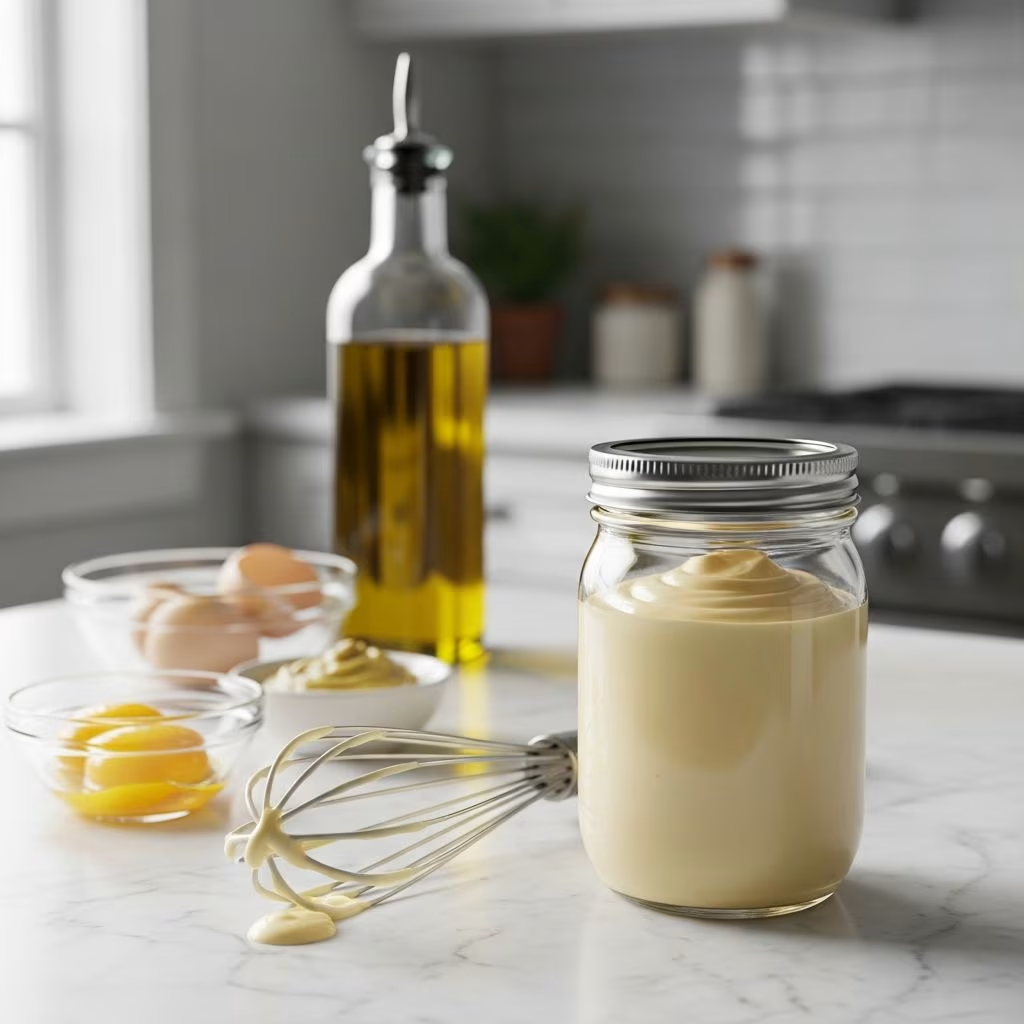
Homemade mayonnaise offers a creamy, versatile condiment far superior to store-bought versions, transforming simple dishes into gourmet experiences. This guide explores its origins, provides foolproof recipes, and shares techniques for consistent success.
The Fascinating Origins of Mayonnaise
Mayonnaise traces its roots to the Mediterranean island of Menorca, specifically the port city of Mahón. During the Seven Years’ War in 1756, French forces under the Duke de Richelieu captured the island from the British. To celebrate the victory, the Duke’s chef improvised a creamy sauce using local ingredients like egg yolks and olive oil, as cream was unavailable. Named mahonnaise after Mahón, this emulsion quickly gained fame in France, evolving into the modern “mayonnaise”.
Ancient influences may predate this event. Roman texts from the first century AD, such as those by Pliny, describe similar emulsions akin to aioli, suggesting a long tradition of oil-and-egg mixtures in Mediterranean cuisine. In Spain, it’s still called mahonesa or mayonesa, reflecting pride in its island heritage despite French popularization. By the 19th century, recipes appeared in French cookbooks with precise ratios, like six egg yolks to half a bottle of olive oil.
Why Make Mayonnaise at Home?
Fresh mayonnaise boasts brighter flavor, customizable textures, and control over ingredients, avoiding preservatives in commercial jars. It’s an emulsion where oil droplets are suspended in egg yolk and acid, creating luxurious silkiness. Home versions allow experimentation with oils, acids, and add-ins for unique profiles.
- Freshness: No additives; pure, vibrant taste.
- Customization: Adjust acidity, herbs, or spice levels.
- Cost-Effective: Basic pantry staples yield multiple batches.
- Skill-Building: Mastering emulsions boosts cooking confidence.
Essential Ingredients for Perfect Mayo
The core components are simple: egg yolks for emulsification, oil for body, acid for tang, and seasonings. Quality matters—use fresh, room-temperature ingredients to prevent breaking.
| Ingredient | Role | Best Choices |
|---|---|---|
| Egg Yolks | Emulsifier | Pasteurized for safety; room temp |
| Oil | Base | Neutral vegetable or 25% olive for flavor |
| Acid | Brightness/Stability | Lemon juice or vinegar |
| Mustard/Salt | Flavor/Helper | Dijon mustard, fine sea salt |
Classic Hand-Whisked Mayonnaise Recipe
This traditional method yields the silkiest results, requiring patience and technique. Yields about 1 cup; prep time: 10 minutes.
- Whisk 2 room-temperature egg yolks, 1.5 tbsp fresh lemon juice, ¼ tsp salt, a pinch of white pepper, and 2 tsp Dijon mustard in a stable bowl until frothy.
- Drizzle in 1 cup neutral oil (or ¼ cup olive + ¾ cup vegetable) drop-by-drop at first, whisking vigorously. Place bowl on a damp cloth for grip.
- After ¼ cup oil emulsifies into a thick ribbon, stream remaining oil steadily while whisking until glossy and stiff.
- Taste and adjust seasoning. Refrigerate up to 1 week.
Pro Tip: Slow oil addition is crucial; rushing causes separation.
Quick Immersion Blender Method
For beginners, the blender technique simplifies emulsification without hand fatigue. Ideal for larger batches.
- In a tall jar, combine 1 whole egg (or yolk), 1 tsp mustard, 1 tbsp lemon juice/vinegar, and salt.
- Pour 1 cup oil atop without stirring.
- Insert blender to bottom, pulse on high until milky, then slowly lift while blending to incorporate all oil.
- Blend 30-60 seconds total for creamy results.
This method mimics commercial stability, perfect for everyday use.
Troubleshooting Common Mayonnaise Mishaps
Emulsions can break if mishandled. Here’s how to fix and prevent issues:
- Runny/Separated: Start over with a fresh yolk, whisk in broken mayo gradually.
- Too Thick: Thin with drops of water or extra acid while blending.
- Bitter Taste: Use fresh oil; avoid overheating ingredients.
- Oil Pooling: Ensure room-temp items; whisk faster initially.
Prevention: Measure precisely, maintain temperatures, and add oil conservatively.
Flavor Variations to Elevate Your Mayo
Transform basic mayo into signature sauces with infusions.
- Garlic Aioli: Blend in 2 roasted garlic cloves post-emulsification.
- Herb Mayo: Stir in minced chives, dill, or basil.
- Spicy Sriracha: Add 1-2 tbsp sriracha for heat.
- Truffle Mayo: Drizzle truffle oil (sparingly) for luxury.
- Vegan Version: Use aquafaba instead of eggs; same method.
These adapt mayo for sandwiches, fries, salads, or dips.
Food Safety Considerations
Raw eggs pose salmonella risk. Opt for pasteurized yolks, especially for vulnerable groups. Store finished mayo chilled; discard after 1 week or if odor/color changes. Acid content (pH below 4.0) inhibits bacteria.
Creative Uses in Everyday Cooking
Mayo isn’t just a spread—it’s a multi-tool.
- Base for potato/egg salads.
- Binder in crab cakes or meatballs.
- Marinade enhancer for grilled chicken.
- Fry coating for extra-crispy results.
Its richness balances bold flavors seamlessly.
Nutritional Profile and Comparisons
| Type | Calories/ Tbsp | Fat (g) | Key Benefit |
|---|---|---|---|
| Homemade Classic | 100 | 11 | No preservatives |
| Store-Bought | 90 | 10 | Longer shelf life |
| Light Version | 35 | 3 | Reduced calories |
Homemade allows healthier tweaks like avocado oil.
Frequently Asked Questions
Can I use whole eggs instead of yolks?
Yes, for blender methods; whites add lightness but may thin texture.
How long does homemade mayo last?
Up to 1 week refrigerated in an airtight container.
Why did my mayo break?
Usually due to cold ingredients or fast oil addition; rescue with fresh yolk.
Is olive oil recommended?
Partially—full olive can overpower; blend with neutral oil.
Vegan mayo substitute?
Aquafaba (chickpea liquid) whips like egg whites effectively.
Advanced Techniques for Pros
Experiment with warm emulsions or double yolks for ultra-stable, restaurant-quality mayo. Infuse oils with herbs beforehand for depth. Scale up for parties using food processors, maintaining slow pours.
With practice, mayonnaise becomes a staple, showcasing emulsion science in delicious form. From Menorcan battlefields to your table, its evolution continues through home cooks worldwide.
References
- Mahonnaise – the origin of mayonnaise — Surprising Recipes. 2021-05-25. https://www.surprising.recipes/2021/05/25/mahonnaise-the-origin-of-mayonnaise/
- The History of Mayo — Flapper Press. N/A. https://www.flapperpress.com/post/the-history-of-mayo
- Memories Making Mayonnaise from Scratch — Portland Food and Drink. N/A. https://portlandfoodanddrink.com/memories-making-mayonnaise-from-scratch/
- Mayonnaise — Wikipedia. N/A. https://en.wikipedia.org/wiki/Mayonnaise