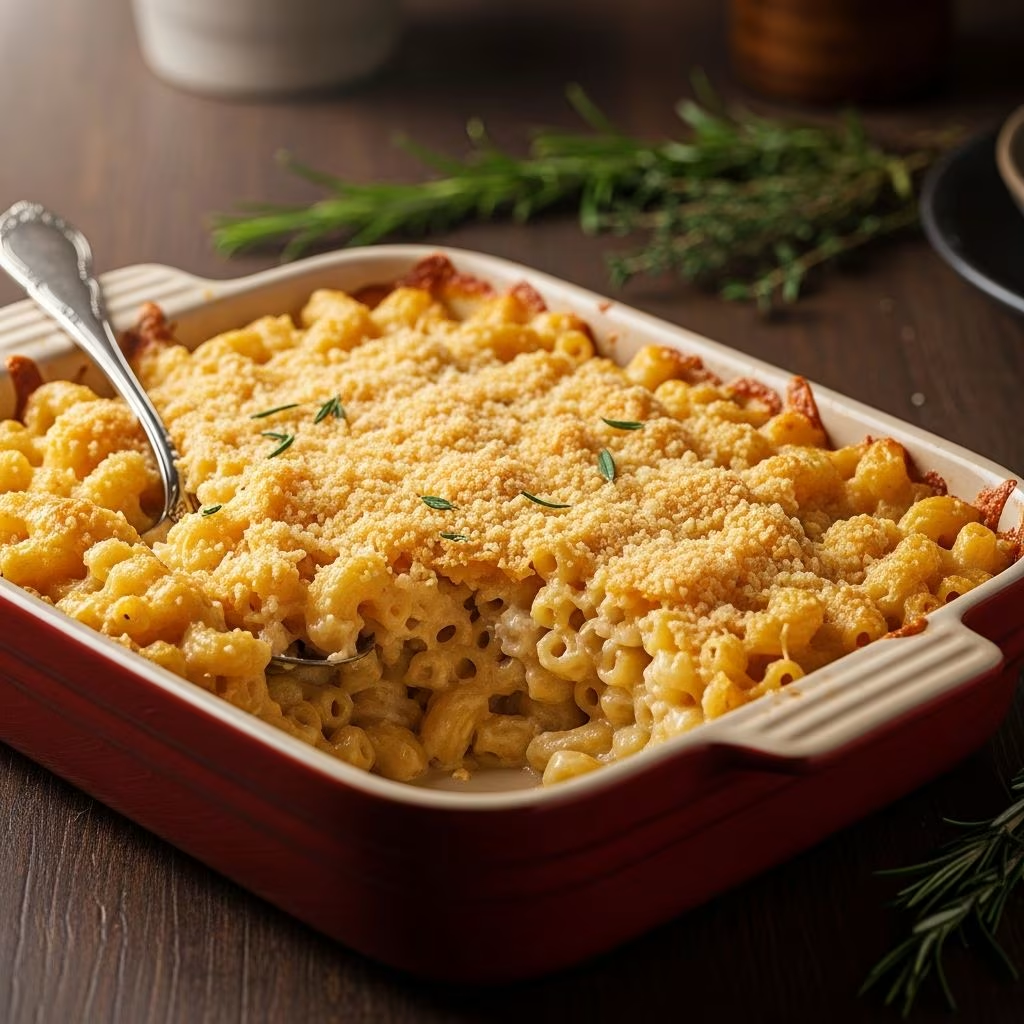
Few dishes evoke the warmth and nostalgia of home cooking quite like baked macaroni and cheese. This beloved comfort food has graced dinner tables across generations, offering a satisfying combination of tender pasta, silky cheese sauce, and often a golden, crunchy topping. Unlike the boxed versions or quick stovetop renditions, a properly prepared baked mac and cheese delivers layers of flavor and a luxurious texture that transforms simple ingredients into something truly memorable.
The beauty of this dish lies in its versatility and accessibility. Whether you’re preparing a weeknight family dinner, hosting a gathering, or seeking a reliable dish for potlucks and celebrations, baked mac and cheese adapts beautifully to various occasions. Understanding the fundamental techniques and ingredient selection will enable you to create a version that rivals any restaurant preparation.
Understanding the Foundation: Essential Ingredients
The success of baked mac and cheese rests upon selecting quality components that work in harmony. Each ingredient serves a specific purpose in creating the final dish, and understanding these roles helps you make informed substitutions or adjustments.
The Pasta Foundation
Elbow macaroni remains the traditional choice for this dish, though other small, tubular pasta shapes work equally well. The key characteristic is pasta that can trap and hold the cheese sauce throughout cooking. When selecting pasta, opt for dried varieties rather than fresh, as dried pasta maintains better structure during the baking process. Cook your pasta just short of al dente—about one minute less than package directions recommend—since it will continue cooking in the oven.
Creating the Cheese Sauce Base
The cheese sauce represents the heart of this dish. This creamy element requires three fundamental components: butter, flour, and dairy products. The butter and flour combine to create a roux, which acts as a thickening agent. This classical French technique forms the foundation for countless sauces and ensures your mac and cheese achieves a smooth, velvety consistency rather than a thin, watery coating.
For the dairy component, whole milk serves as the primary liquid, though many cooks enhance this with heavy cream or half-and-half for added richness. The fat content in these dairy products is crucial—it prevents the sauce from becoming grainy and contributes to the luxurious mouthfeel that distinguishes excellent mac and cheese from mediocre versions.
Cheese Selection and Quality
The cheese choice dramatically influences your final dish. Sharp cheddar provides the classic, bold flavor associated with traditional mac and cheese. For additional complexity, many recipes incorporate a second cheese such as Gruyère or Colby, which adds depth without overwhelming the palate. Always purchase cheese in blocks and shred it yourself rather than using pre-shredded varieties, as the latter contains anti-caking agents that interfere with melting and create a grainy texture.
Building the Perfect Cheese Sauce
Creating an exceptional cheese sauce requires attention to technique and timing. This process involves several sequential steps, each building upon the previous one.
The Roux: Your Thickening Base
Begin by melting unsalted butter in a substantial pot or Dutch oven over medium heat. The use of unsalted butter matters because cheese already contains significant salt, and you want control over total sodium content. Once the butter is fully melted and foaming slightly, sprinkle the flour gradually while whisking continuously. This prevents lumps from forming and ensures even distribution of the thickening agent. Continue whisking for approximately one minute until the mixture becomes bubbly and takes on a light golden color.
Incorporating the Dairy
Next, gradually introduce your milk and cream mixture while whisking steadily. Adding the dairy too quickly can result in lumps, so maintain a patient, consistent whisking motion. Pour the liquid in a thin stream rather than all at once, continuing to whisk until the mixture reaches a smooth consistency. Once all the liquid has been incorporated, continue cooking and whisking over medium heat until you observe small bubbles breaking on the surface, indicating the sauce has reached the correct temperature and thickness.
Adding Cheese and Seasonings
Remove the sauce from heat before adding cheese to prevent the dairy proteins from becoming grainy due to excessive heat. Introduce the shredded cheese in batches, stirring well after each addition to ensure complete melting and integration. Begin with half your cheese quantity, stir until fully melted, then add the remaining cheese and continue stirring until the sauce achieves a smooth, creamy consistency. At this stage, season with salt and pepper to taste, adjusting as needed.
Assembly and Preparation for Baking
Proper assembly ensures even distribution of cheese sauce and creates the ideal texture throughout your finished dish.
Combining Pasta and Sauce
Before combining pasta with your prepared cheese sauce, allow the pasta to cool slightly if it’s still hot. This prevents the sauce from breaking and helps distribute it more evenly. Pour the cheese sauce over the drained pasta and stir gently but thoroughly, ensuring every piece of pasta receives coating. This step determines whether your final dish will be uniformly creamy or have dry, undercoated sections.
Layering in the Baking Dish
Transfer half the mac and cheese mixture to a prepared baking dish, spreading it in an even layer. Sprinkle a portion of reserved shredded cheese over this layer—this creates pockets of concentrated cheese throughout the dish. Top with the remaining mac and cheese mixture, then finish with a final layer of shredded cheese. This three-layer approach ensures maximum cheesy flavor in every bite.
Optional Topping Application
For added texture and visual appeal, many recipes call for a crispy topping. Combine panko breadcrumbs with melted butter and grated Parmesan cheese, optionally adding smoked paprika for color and subtle flavor enhancement. Sprinkle this mixture evenly over the top of your assembled dish just before baking.
Baking Techniques for Optimal Results
The oven transforms your assembled dish into a bubbly, golden masterpiece.
Temperature and Timing Guidelines
Preheat your oven to 350°F, allowing adequate time for it to reach the target temperature before baking begins. Place your prepared casserole on a baking sheet for easier handling and to catch any potential drips. Bake for approximately 25 to 30 minutes, watching for the cheese to bubble around the edges and the top to achieve a light golden-brown color. If you’ve added a breadcrumb topping, this becomes the visual cue for doneness.
Preventing Common Baking Issues
If the top browns too quickly while the center hasn’t heated through, loosely cover the dish with aluminum foil midway through baking to prevent excessive browning. Conversely, if the center seems properly heated but the top remains pale, you may increase the oven temperature to 375°F for the final few minutes. Remove the dish from the oven when you observe active bubbling around the perimeter, which indicates proper heating throughout.
Recipe Comparison Table
| Component | Traditional Method | Premium Enhancement |
|---|---|---|
| Pasta Amount | 1 lb (16 oz) elbow macaroni | 1 lb elbow macaroni |
| Primary Cheese | Sharp cheddar only | Sharp cheddar + Gruyère blend |
| Dairy Ratio | Whole milk | Whole milk + heavy cream |
| Topping | Shredded cheese | Panko, butter, and Parmesan mixture |
| Baking Time | 25-30 minutes | 30-35 minutes |
Customization and Variations
While the classic preparation remains timeless, numerous variations allow for personal preference and creativity.
Cheese Combinations
Explore different cheese pairings to discover your preferred flavor profile. Gruyère adds nutty complexity, while smoked cheddar introduces subtle smokiness. Some cooks incorporate a small amount of cream cheese for additional richness, or add white cheddar for a sharper bite.
Protein and Vegetable Additions
Diced ham, crispy bacon, or sautéed mushrooms can be folded into the pasta mixture before baking. These additions provide textural variety and enhance the overall satisfaction factor of the dish. If adding vegetables, consider pre-cooking firmer varieties like broccoli or cauliflower to ensure they reach the desired tenderness during baking.
Spice and Seasoning Experiments
Beyond salt and pepper, consider incorporating paprika, cayenne pepper, dry mustard powder, or fresh thyme into your cheese sauce. These additions should enhance rather than overpower the fundamental cheese flavor that defines the dish.
Serving and Storage Guidance
Optimal Serving Practices
Serve baked mac and cheese immediately after removing from the oven while the cheese remains at peak creaminess and the topping maintains maximum crispness. If preparing in advance, reheat gently in a 300°F oven, covered with foil, for 15 to 20 minutes until heated through.
Storage and Make-Ahead Strategies
Leftover baked mac and cheese keeps well in the refrigerator for three to four days when stored in an airtight container. Reheat individual portions in the microwave or restore the entire dish in the oven for superior results. You can also assemble the dish completely several hours in advance and refrigerate before baking—simply add five to ten minutes to the baking time if starting from cold.
Frequently Asked Questions
Can I make this dish with evaporated milk instead of fresh milk and cream?
While evaporated milk can work in a pinch, the result lacks the richness and subtle flavor of fresh dairy. Evaporated milk produces a thicker sauce that may require adjustment to your liquid ratios. For best results, stick with fresh whole milk and cream.
What causes a grainy texture in mac and cheese sauce?
Graininess typically results from three factors: overheating the cheese sauce after adding cheese, using pre-shredded cheese with anti-caking agents, or adding cheese to an excessively hot sauce. Always remove the sauce from heat before incorporating cheese, and ensure your cheese is freshly shredded from blocks.
How do I prevent the pasta from becoming mushy during baking?
Cook the pasta one minute short of al dente before mixing with the cheese sauce. This provides leeway for additional cooking during the baking process without resulting in overdone, mushy pasta.
Can this recipe be doubled for larger gatherings?
Yes, recipes scale well when you maintain the same proportions of all ingredients. Use two baking dishes rather than one to ensure even cooking, or use a larger baking dish and extend the baking time slightly.
Is it necessary to use the breadcrumb topping?
The breadcrumb topping is entirely optional. If you prefer a uniform, creamy dish throughout, simply top with shredded cheese and bake. The topping adds textural contrast but isn’t essential for a delicious result.
References
- How to Make Mom’s Baked Macaroni and Cheese — Allrecipes. Video recipe tutorial. https://www.allrecipes.com/recipe/19427/moms-baked-macaroni-and-cheese/
- The BEST Homemade Baked Mac and Cheese — Mom On Timeout. Recipe guide with ingredient techniques. https://www.momontimeout.com/best-homemade-baked-mac-and-cheese-recipe/
- Creamy Baked Mac and Cheese (Contest-Winning!) — The Chunky Chef. Family recipe with step-by-step instructions. https://www.thechunkychef.com/family-favorite-baked-mac-and-cheese/
- Classic Baked Macaroni and Cheese — The Modern Proper. Recipe with cheese selection guidance. https://themodernproper.com/classic-baked-macaroni-and-cheese