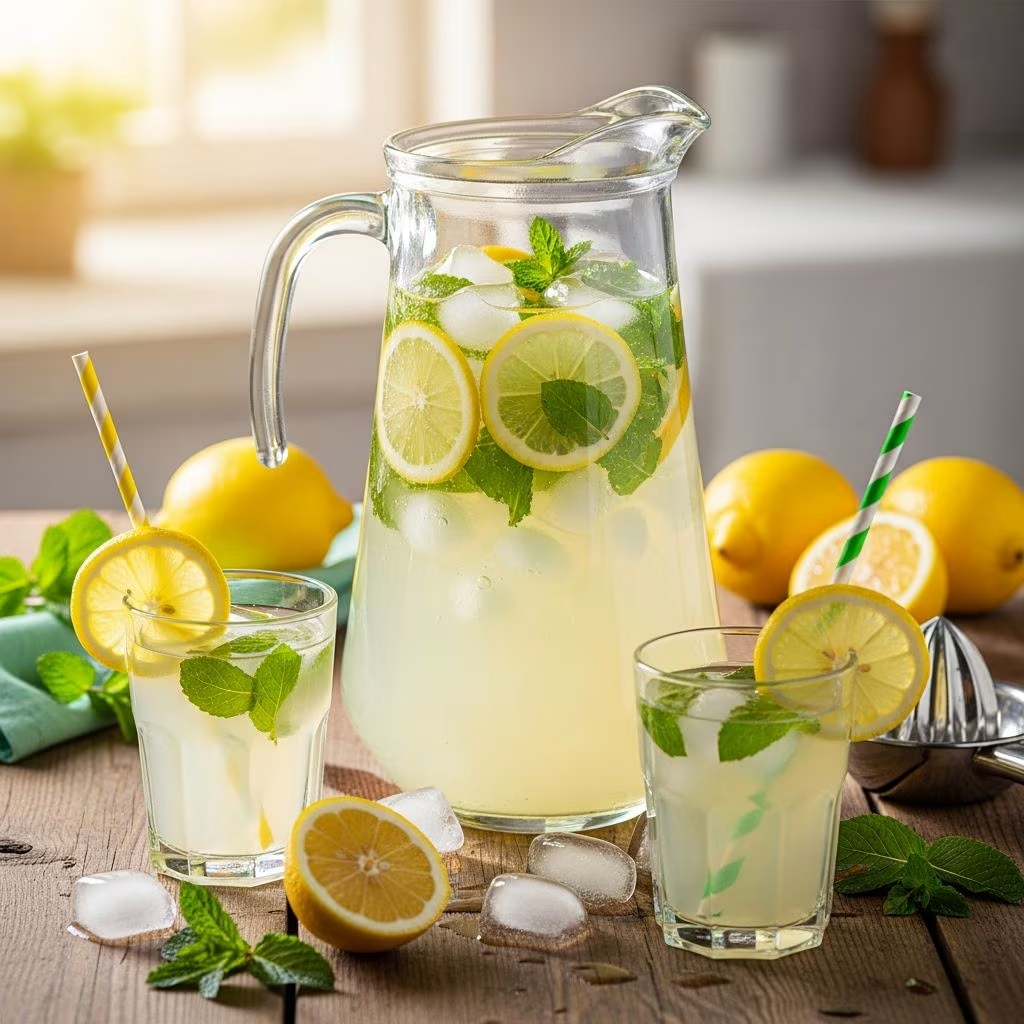
There’s something timeless about a cold glass of freshly made lemonade on a warm afternoon. Unlike commercially produced versions, homemade lemonade offers superior taste and control over sweetness levels, allowing you to customize each batch to your preferences. The beauty of this classic beverage lies in its simplicity—requiring only three fundamental ingredients and minimal preparation time. Whether you’re hosting a summer gathering or simply seeking a refreshing drink, understanding the fundamentals of lemonade preparation will elevate your beverage game.
Understanding the Three Essential Components
The foundation of exceptional lemonade rests on three straightforward ingredients that work in harmony to create a perfectly balanced drink. Each component plays a distinct role in determining the final flavor profile and texture of your beverage.
Fresh Lemon Juice: The Flavor Foundation
Fresh lemon juice serves as the backbone of authentic lemonade, providing the characteristic tartness and vibrant citrus flavor that distinguishes homemade versions from store-bought alternatives. The quantity of juice needed typically ranges from six to ten fresh lemons, yielding approximately one and a half cups of juice. The selection of lemons matters significantly—choose firm, bright yellow fruits without soft spots or blemishes, as these indicate superior juice content and flavor intensity.
To maximize juice extraction, allow lemons to reach room temperature before juicing, as cold fruit yields less liquid. A helpful technique involves rolling lemons gently across a hard surface with moderate pressure, which breaks down internal cell structures and facilitates easier juice extraction. When squeezing, apply consistent pressure rather than sporadic bursts to achieve complete extraction. Straining the juice through a fine mesh sieve removes seeds and pulp particles, ensuring a smooth, refined final product.
Granulated Sugar: Creating Balance and Sweetness
Sugar balances the natural acidity of fresh lemon juice, creating a harmonious flavor profile. Most traditional recipes call for one and a half to two cups of granulated sugar, though personal preference may warrant adjustments. Cane sugar is often preferred for its clean flavor and fine crystal structure, though regular granulated sugar performs equally well. The sugar dissolves completely when heated with water, creating a simple syrup base that distributes sweetness evenly throughout the beverage rather than settling at the bottom of the pitcher.
Water: The Neutral Carrier
Water comprises the largest component of lemonade, typically ranging from five to six cups depending on desired concentration. The quality of water influences the final taste—filtered or bottled water may be preferable if tap water carries a noticeable chlorine taste or mineral content. Water serves dual purposes: dissolving sugar in the initial syrup stage and diluting the concentrated mixture to achieve optimal drinkability.
The Simple Syrup Method: Creating Superior Lemonade
The most effective approach to making lemonade involves creating a simple syrup base before combining all ingredients. This technique ensures even sweetness distribution and superior flavor integration compared to simply mixing ingredients directly in a pitcher.
Step-by-Step Preparation
- Prepare the syrup base: Combine one and a half cups of granulated sugar with one and a half cups of water in a heavy-bottomed saucepan. The ratio of equal parts sugar and water creates the foundation for a balanced syrup.
- Heat the mixture: Place the saucepan over medium heat, stirring occasionally with a wooden spoon. Bring the mixture to a gentle boil and maintain this temperature for approximately four to five minutes until the sugar crystals completely dissolve.
- Add lemon zest (optional): For enhanced flavor complexity, add the zest from one lemon during the heating process. This aromatic component intensifies the citrus character without adding liquid. Be careful to include only the yellow outer layer, avoiding the bitter white pith.
- Remove from heat and cool: Once sugar dissolves completely, transfer the saucepan away from heat and allow the syrup to cool to room temperature. This cooling period prevents the lemon juice from losing volatile flavor compounds that react negatively to excessive heat.
- Incorporate fresh lemon juice: Stir in the freshly squeezed and strained lemon juice once the syrup reaches room temperature. Pour this combined mixture into a large pitcher, creating a concentrated lemonade base.
- Add remaining water: Pour in the remaining water (typically three to four cups of cold water) and stir thoroughly to combine all components. Adjust water quantity based on preferred concentration and sweetness level.
- Chill and serve: Refrigerate until thoroughly cold, then serve over ice with optional lemon slice garnishes.
Temperature and Ingredient Selection Considerations
Temperature management significantly influences the quality of your finished lemonade. The simple syrup base should cool completely before combining with lemon juice, as residual heat can diminish the bright, fresh flavor of citrus. Cold water added during the final step further enhances the refreshing quality without diluting flavor disproportionately.
Ingredient selection extends beyond basic quality considerations. Fresh lemon juice always surpasses bottled alternatives, which contain preservatives and lack the vibrant character of fresh fruit. Similarly, using filtered water if tap water contains noticeable mineral deposits or chlorine taste ensures your lemonade remains a clean, refreshing beverage without competing flavor notes.
Storage and Make-Ahead Strategies
The concentrated lemonade syrup can be prepared in advance and stored in the refrigerator for two to three weeks, allowing you to prepare individual servings on demand. This approach offers significant convenience for frequent consumption. The syrup stores well in glass quart jars or airtight containers, maintaining flavor integrity throughout the storage period. When ready to serve, simply combine desired syrup quantity with cold water and ice for immediate refreshment.
Complete lemonade prepared in full-batch quantities should be consumed within three to five days when properly refrigerated. Store the pitcher in a cool location away from direct sunlight, which can degrade color and flavor over time. If lemons slices are included as garnish, remove them after twenty-four hours to prevent flavor alteration and maintain optimal appearance.
Flavor Enhancement and Creative Variations
While the classic three-ingredient version remains unmatched in simplicity, lemonade welcomes numerous creative additions that expand its versatility. Fresh herbs provide sophisticated flavor dimensions without overwhelming the base citrus character.
Herbal Enhancements
- Fresh mint: A sprig of fresh mint per serving adds cooling sensation and subtle herbaceous notes
- Basil: Sweet or Thai basil introduces unexpected complexity that complements the tartness
- Rosemary: A single sprig infused during the cooling stage creates sophisticated aromatic qualities
- Lavender: Dried culinary lavender steeped in the syrup creates a floral, slightly sweet dimension
Fruit-Based Variations
Incorporate fresh fruit purees for additional layers of flavor. Strawberry lemonade requires approximately two tablespoons of fresh strawberry puree per glass, creating a pink-hued beverage with subtle berry sweetness. Raspberry puree offers a tangier variation, while watermelon creates refreshing summer variations suitable for large gatherings.
Carbonated Options
Replace a portion of still water with sparkling water or club soda to create effervescent versions that appeal to those seeking additional refreshment. The carbonation should be added immediately before serving to maintain bubbles and prevent flavor dissipation.
Frequently Asked Questions
How many lemons are required for homemade lemonade?
Six to ten medium lemons typically yield one and a half cups of fresh juice, which serves as the standard ingredient quantity for traditional lemonade recipes. Larger lemons may require only six to eight fruit, while smaller varieties may necessitate up to twelve lemons.
Can bottled lemon juice replace fresh-squeezed juice?
While bottled lemon juice works in emergency situations, fresh-squeezed juice consistently produces superior flavor, aroma, and overall beverage quality. The preservation chemicals in bottled juice can introduce off-flavors that diminish the refreshing character of homemade lemonade.
What is the ideal sugar-to-lemon ratio?
The classic ratio follows one and a half cups sugar to one and a half cups fresh lemon juice, though personal sweetness preferences may warrant adjustments. Start with this ratio and modify upward gradually if seeking additional sweetness, as reducing sweetness requires remaking the batch.
How long does homemade lemonade remain fresh?
Complete lemonade should be consumed within three to five days when stored properly in the refrigerator. The concentrated syrup base maintains quality for two to three weeks when sealed in airtight containers.
Should lemonade be served immediately cold or can it chill gradually?
Refrigerating the prepared lemonade for several hours before serving allows flavors to fully meld and temperature to become optimal for consumption. This approach is preferable to serving immediately over ice, which dilutes flavor as ice melts.
Serving Suggestions and Presentation Ideas
Presentation enhances the enjoyment of homemade lemonade beyond mere taste. Serve in tall glasses filled with ice, garnished with fresh lemon wheels that provide both visual appeal and subtle flavor enhancement when consumed with the beverage. Fresh mint sprigs placed prominently in the glass contribute aromatic qualities that engage multiple senses.
For gatherings, prepare lemonade in large glass pitchers positioned prominently on serving tables. Provide garnish options separately, allowing guests to customize their individual servings according to preference. This approach maintains beverage freshness while accommodating varied aesthetic preferences.
Nutritional Considerations and Health Benefits
Fresh lemon juice contributes vitamin C and antioxidants to homemade lemonade, providing modest nutritional benefits compared to sugar-sweetened commercial beverages. The juice also aids digestion and supports hydration during warm weather consumption. However, the significant sugar content means lemonade should remain an occasional treat rather than primary hydration source, particularly for individuals managing sugar intake.
Mastering the Art of Homemade Lemonade
Creating exceptional homemade lemonade requires understanding how temperature, ingredient quality, and proportions interact to produce the perfect beverage. The simple syrup method ensures even sweetness distribution and prevents crystallization or unpleasant settling of ingredients. By selecting fresh, high-quality lemons, filtered water if necessary, and carefully managing the cooling process, you’ll consistently produce lemonade that surpasses commercially available alternatives in both flavor and satisfaction.
Whether preparing a single pitcher for personal consumption or batch-cooking for entertaining, these fundamental principles guide successful execution. The versatility of the basic recipe welcomes creative experimentation with herbs, fruits, and carbonation, allowing each batch to reflect personal preferences and seasonal ingredient availability. Once mastered, homemade lemonade becomes an effortless pleasure that transforms ordinary afternoons into refreshing celebrations of simplicity and flavor.
References
- Old Fashioned Lemonade Recipe — Mommy’s Kitchen. 2017. https://www.mommyskitchen.net/2017/06/old-fashioned-lemonade-recipe.html
- Old Fashioned Lemonade — Simply Scratch. https://www.simplyscratch.com/old-fashioned-lemonade/
- The BEST Old Fashioned Lemonade (Homemade Recipe) — Pizzazzerie. https://pizzazzerie.com/recipes/old-fashioned-lemonade/
- Old Fashioned Lemonade — Simply So Good. https://www.simplysogood.com/old-fashion-lemonade/
- Homemade Old Fashioned Lemonade Recipe — Sweet Tea + Thyme. https://www.sweetteaandthyme.com/old-fashioned-southern-lemonade/
- Homemade Lemonade Recipe — Sugar Spun Run. https://sugarspunrun.com/homemade-lemonade-recipe/