Store-bought ketchup often contains high fructose corn syrup, artificial preservatives, and excessive sodium, making homemade versions an attractive alternative for health-conscious cooks. Creating your own ketchup is surprisingly straightforward and requires nothing more than basic pantry ingredients that most home cooks already have on hand. The process takes minimal time and delivers superior flavor compared to commercial varieties, all while allowing you to control sweetness levels, sodium content, and spice profiles to match your personal preferences.
Understanding the Foundation: Why Tomato Paste Works Best
The cornerstone of efficient homemade ketchup production is tomato paste rather than fresh tomatoes. Tomato paste offers concentrated tomato flavor without requiring extensive preparation, peeling, or cooking down of fresh produce. A small amount—typically six ounces—provides the robust tomato foundation necessary for authentic ketchup taste. This concentrated ingredient eliminates the labor-intensive process of reducing fresh tomatoes, which can take hours and requires constant monitoring to prevent scorching or uneven consistency.
For those preferring to work with fresh tomatoes, ripe specimens deliver excellent results, though they demand significantly more prep work and extended cooking times ranging from one to four hours. Fresh tomato ketchup offers a brighter, more nuanced flavor profile that some culinary enthusiasts prefer, despite the additional effort required.
Essential Ingredients and Their Roles
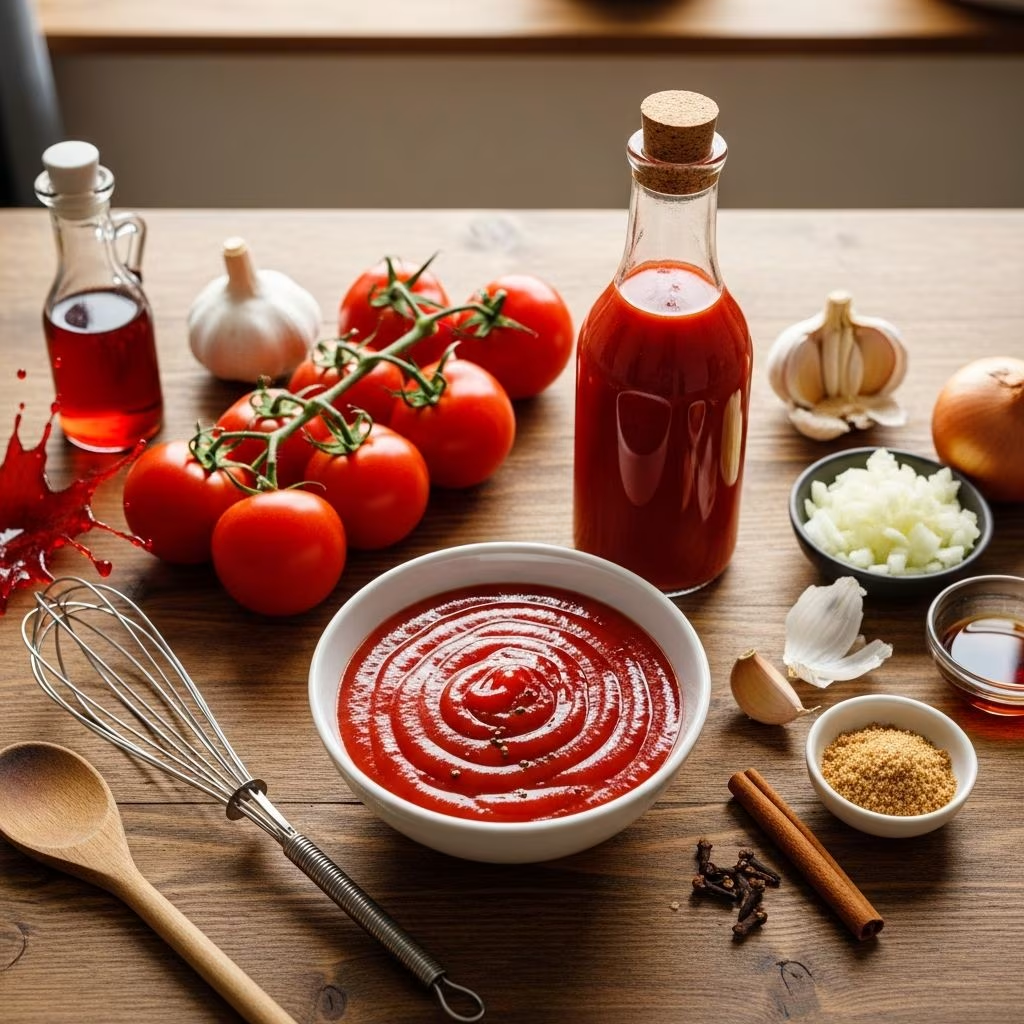
Successful homemade ketchup relies on a balanced combination of complementary flavors and textures. Each ingredient serves a specific function in creating the familiar condiment profile consumers expect.
- Vinegar: Provides essential tanginess and acts as a preservative. Options include white distilled vinegar, apple cider vinegar, and balsamic vinegar, each contributing distinct flavor notes.
- Sweeteners: Balance the vinegar’s acidity and add depth. Choices range from traditional sugar and honey to maple syrup and dates, allowing customization based on dietary preferences and desired flavor intensity.
- Aromatics and Spices: Build complexity through garlic powder, onion powder, mustard powder, and black pepper. Optional additions like cinnamon, cumin, and oregano create unique flavor variations.
- Salt: Enhances all other flavors and aids preservation. Fine sea salt integrates more smoothly than coarse varieties.
- Liquid: Water adjusts consistency to achieve the desired thickness, whether you prefer a pourable sauce or thick, spreadable texture.
Two Primary Cooking Methods
The No-Cook Approach: Speed and Simplicity
The quickest method involves combining tomato paste with vinegar, water, and seasonings in a bowl or measuring cup, then whisking until smooth. This approach takes approximately five minutes from start to finish and produces excellent results with minimal cleanup. The texture develops and flavors meld during a resting period of at least one hour in the refrigerator, where the ketchup continues to thicken and flavors deepen. This method works exceptionally well for cooks seeking immediate results or those uncomfortable with extended stovetop cooking.
The Simmered Method: Extended Flavor Development
Combining ingredients in a saucepan and bringing them to a boil, followed by a gentle simmer lasting 20 to 45 minutes, develops richer, more integrated flavors. The heat accelerates flavor melding and allows excess moisture to evaporate naturally, creating a thicker consistency without additional water reduction. Occasional stirring prevents sticking and ensures even heating. This method produces ketchup with deeper, more complex flavor dimensions compared to the no-cook version.
Ingredient Quantity Considerations
| Method | Tomato Base | Primary Acid | Sweetener | Cooking Time |
|---|---|---|---|---|
| Quick Tomato Paste | 6 oz tomato paste | 2 tbsp vinegar | None or minimal | 5 minutes prep |
| Standard Simmered | 6 oz tomato paste | ½ cup vinegar | 1-2 tbsp honey/sugar | 20 minutes |
| Fresh Tomato Version | 2-3 lbs fresh tomatoes | ½ cup vinegar | ¼-⅓ cup sugar | 1-4 hours |
| Canned Tomato Base | 28 oz can tomatoes | ⅓ cup vinegar | ⅓ cup sugar | 40-45 minutes |
Creating Custom Flavor Profiles
Homemade ketchup’s greatest advantage lies in personalization opportunities. Beginning cooks should start with a foundational recipe, then adjust components based on taste preferences. Those preferring less tang can reduce vinegar quantities or add additional sweetener. Individuals seeking bolder spice character can increase garlic powder, experiment with cumin and mustard powder, or introduce entirely new spices like smoked paprika or cayenne pepper for heat.
Sweetener selection dramatically influences final taste. Honey produces mild sweetness with subtle floral notes. Maple syrup contributes earthy undertones. Dates provide natural sweetness with complex caramel-like flavors. Sugar delivers clean, neutral sweetness. Sugar-free versions appeal to those managing diabetes or reducing caloric intake, relying instead on vinegar’s natural tang to balance tomato acidity.
Storage and Shelf Life
Homemade ketchup stores successfully in the refrigerator for two to four weeks when kept in airtight containers. For longer preservation, consider water bath canning according to established guidelines, which allows shelf storage for up to one year. Proper sterilization of jars and adherence to tested canning procedures prevents foodborne illness risks. Freezer storage extends shelf life indefinitely, though frozen ketchup may experience slight texture changes upon thawing.
Consistency Adjustment Techniques
Achieving desired thickness requires attention throughout preparation. Too-thin ketchup can be thickened by continued simmering, which evaporates excess moisture. Alternatively, a small amount of tomato paste stirred into finished ketchup increases body without requiring additional cooking. Overly thick ketchup responds to gradual water additions, whisking thoroughly after each addition to assess consistency changes.
Frequently Asked Questions
Can I use tomato sauce instead of tomato paste?
Tomato sauce contains more water and lower concentration than paste, requiring extended cooking to achieve proper consistency. While possible, this substitution typically necessitates doubling quantities and adding 30 to 60 minutes of simmering time to reach the desired thickness.
Is homemade ketchup shelf-stable without canning?
Refrigerated homemade ketchup is not shelf-stable at room temperature without proper canning procedures. High acid content from vinegar provides some preservation benefit, but safe storage requires refrigeration or formal canning processes using tested recipes.
What if my ketchup separates during storage?
Separation is normal and harmless. Simply stir or shake the container before serving to recombine separated components. If separation concerns you, adding a small amount of cornstarch slurry (dissolved in cold water) and gently heating can help stabilize the mixture.
Can I make ketchup without added sugar?
Yes, completely sugar-free versions are possible by eliminating sweeteners entirely. However, the resulting condiment tastes more acidic and less balanced than traditional ketchup. Increasing vinegar reduces vinegar strength slightly, though this adjustment changes the final flavor profile.
How do I prevent my ketchup from scorching during cooking?
Use medium or medium-low heat, stir frequently, and maintain a simmering gentle bubble rather than a rolling boil. A heavy-bottomed saucepan distributes heat more evenly than thin cookware, reducing scorching risks.
Comparing Store-Bought and Homemade Options
Commercial ketchup manufacturers optimize products for shelf stability, achieving this through preservatives, stabilizers, and higher-than-necessary sodium levels. Most commercial varieties contain added sugars exceeding what home cooks typically use, creating overly sweet condiments. Homemade versions allow precise control over ingredients, making them ideal for those with dietary restrictions, allergies, or simply preferring transparent ingredient lists. The satisfaction of serving a condiment you created yourself adds intangible value beyond nutritional benefits.
Equipment Needs and Recommendations
Basic ketchup preparation requires minimal equipment—a saucepan for simmered versions, mixing bowls, measuring spoons and cups, and a whisk or small spoon for blending. For fresh tomato ketchup, a food processor or blender creates smooth texture, though a fine-mesh strainer produces excellent results when pushed through carefully. No specialized or expensive equipment is necessary, making this an accessible cooking project for beginners.
Tips for First-Time Success
Start with tomato paste-based recipes rather than fresh tomatoes, as they’re more forgiving and quicker. Prepare small batches until you perfect your preferred ratio of vinegar to sweetness. Taste-test throughout cooking and in the final stages, adjusting seasoning incrementally rather than making large changes that might over-correct. Allow finished ketchup to cool completely before evaluating final consistency, as hot ketchup appears thinner than it will be when chilled. Keep detailed notes on ingredient quantities and cooking times when making adjustments, creating a personalized recipe you can replicate successfully.
References
- USDA Complete Guide to Home Canning — U.S. Department of Agriculture. Accessed April 2026. https://www.nchfp.uga.edu/
- Food Safety: Acidified Foods — FDA Center for Food Safety and Applied Nutrition. https://www.fda.gov/food/chemical-contaminants-food/acidified-foods
- Vinegar in Food Preservation and Flavor — National Center for Home Food Preservation, University of Georgia. https://www.nchfp.uga.edu/