The kitchen staple that transforms ordinary dishes into extraordinary meals often comes down to one simple creation: a silky, aromatic sauce built on the foundation of butter, garlic, and fresh herbs. This condiment represents one of the most accessible yet sophisticated techniques in home cooking, requiring minimal ingredients and effort while delivering maximum flavor impact. Whether you’re preparing a weeknight dinner or hosting guests, understanding how to create this emulsion opens doors to countless culinary possibilities.
The Foundation: Understanding Basic Components
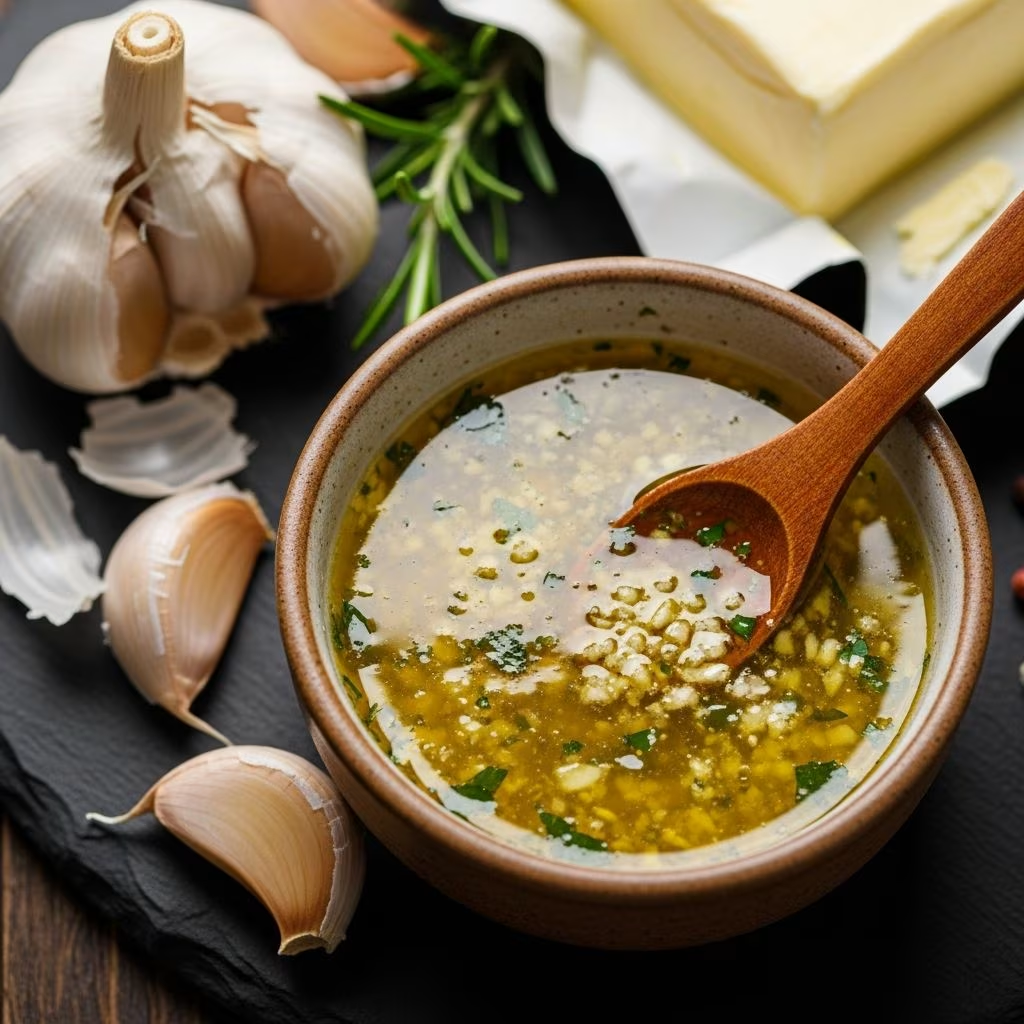
At its core, this sauce relies on three fundamental elements that work in harmony to create something greater than the sum of their parts. Butter serves as the vehicle for flavor, providing a rich, creamy base that coats the palate and carries other ingredients. Garlic contributes its distinctive pungency and depth, which transforms from sharp and raw to mellow and sweet through careful heat application. Fresh herbs add brightness, complexity, and aromatic qualities that prevent the sauce from becoming one-dimensional or overly heavy.
The magic happens when these components are combined with precision and timing. Each ingredient plays a specific role in the final composition, and understanding these roles allows for creative variations while maintaining the sauce’s essential character. The proportion of garlic to butter matters significantly; too little creates a subtle backdrop, while too much can overwhelm other flavors. Fresh herbs similarly require balance—enough to provide fragrance and visual appeal, but not so much that they dominate the more delicate butter and garlic foundation.
Preparation Methods: Two Distinct Approaches
Home cooks can employ two primary techniques when creating this sauce, each offering distinct advantages depending on timing and intended use. The first method involves melting butter in a saucepan, adding minced garlic directly to the warm liquid, allowing it to infuse briefly, then finishing with fresh herbs and seasonings. This approach produces an immediately usable sauce that can be drizzled over dishes right away. The second method calls for beating softened butter with a mixer until fluffy, then incorporating minced garlic, herbs, lemon zest, and other seasonings to create a compound butter that can be stored and portioned as needed.
The hot-pan method works best when you need immediate results. The gentle heat takes the raw edge off the garlic while preserving its vibrant character, and the sauce reaches the table while still warm and pourable. This technique requires attentiveness—the garlic must never brown, as oxidation creates bitterness that ruins the delicate balance. The compound butter method offers flexibility for meal planning, allowing preparation hours or even days in advance. Portioning allows for controlled additions to individual dishes, and the slower warming process prevents the garlic from becoming overpowering.
Core Ingredients and Quality Considerations
| Ingredient | Purpose | Selection Tips |
|---|---|---|
| Butter | Rich base and emulsifier | Either salted or unsalted works; salted requires less additional seasoning |
| Fresh Garlic | Characteristic flavor and aroma | Fresh cloves minced fine; avoid pre-minced varieties that oxidize quickly |
| Parsley | Brightness and herbaceous notes | Flat-leaf parsley preferred; add near end to preserve color and freshness |
| Lemon Juice | Acidity to balance richness | Fresh-squeezed preferred; brightens flavor and prevents heaviness |
| Salt | Flavor amplification | Kosher salt preferred for better control and dissolution |
Butter quality significantly influences the final result. Full-fat butter contributes more authentic flavor than lower-fat alternatives, and European-style butter with higher butterfat content produces noticeably richer results. The distinction between salted and unsalted butter affects overall seasoning strategy; salted butter reduces the need for additional sodium but limits control over total salt content, while unsalted butter requires more careful seasoning but offers flexibility in balancing flavors.
Garlic selection deserves particular attention. Fresh, firm bulbs containing crisp cloves produce superior results compared to soft, aged specimens that have begun sprouting. Mincing should be done as close to cooking time as possible; pre-minced garlic or garlic powder cannot replicate the brightness and subtle sweetness of freshly prepared cloves. The size of the mince matters too—pieces that are too large remain sharp and assertive, while fine mincing encourages even cooking and flavor distribution.
The Cooking Process: Step-by-Step Execution
Successful preparation begins with organization. Gather all ingredients and perform preparatory work—mincing garlic, chopping herbs, zesting lemon—before applying heat. This mise en place approach prevents scrambling during the brief cooking window, ensuring each element is added at precisely the right moment.
Begin by melting butter in a small saucepan or skillet over medium heat. Watch carefully as the solid butter transitions to liquid, but remove it from direct heat before it reaches a rolling boil. Reduce heat to low, then introduce the minced garlic. This critical juncture requires attention; the garlic should cook for approximately one to two minutes, during which it becomes fragrant and tender. The low heat temperature becomes essential here—it softens the garlic’s raw bite while preventing the browning that produces bitter compounds.
Once the garlic reaches the desired fragrance level, remove the pan from heat entirely. This stops the cooking process and prevents overcooking. Now incorporate fresh herbs, lemon juice, and any additional seasonings. The sequence matters because delicate herbs like parsley and basil benefit from minimal heat exposure, preserving their vibrant color and fresh character. More robust herbs like rosemary or thyme can be added during the garlic infusion for deeper integration.
Seasoning should be conservative at first, allowing room for adjustment. A pinch of salt and freshly cracked black pepper typically suffice, though individual tastes vary. For those seeking additional depth, a squeeze of fresh lemon juice adds acidity that cuts through the richness without introducing noticeable sour notes.
Flavor Variations and Creative Adaptations
The basic template accommodates numerous variations that expand its applications across different cuisines and dishes. A lemon-forward version emphasizes citrus brightness through increased juice and zest, making it particularly suitable for fish and delicate seafood where richness might overwhelm. Herbaceous versions incorporate rosemary, thyme, or sage, creating rustic profiles that complement hearty proteins like beef and chicken.
For those enjoying heat, red pepper flakes or cayenne pepper introduce gentle warmth without overwhelming other flavors. A pinch of spice particularly enhances pasta dishes and shrimp preparations. Parmesan cheese stirred into warm butter creates an umami-rich variation that clings beautifully to pasta and provides savory depth that pairs exceptionally with vegetables.
White wine reductions add sophistication and complexity. Deglazing the pan with a splash of wine and allowing it to reduce by half before adding butter introduces acidity and winey notes that elevate the sauce beyond simple herb butter. This variation works especially well with shellfish like mussels and clams, echoing classic French techniques.
Serving Suggestions and Practical Applications
- Drizzle over steamed or roasted vegetables to add richness and encourage consumption
- Toss with hot pasta for an elegant, simple preparation requiring minimal additional ingredients
- Top grilled or pan-seared fish and seafood for moisture and complementary flavor
- Crown roasted or grilled meats with a spoonful for added juiciness and elegance
- Use as a dipping sauce for crusty bread or steamed artichoke leaves
- Whisk into mashed potatoes for luxurious texture and enhanced flavor profile
- Melt over roasted mushrooms to amplify their earthy characteristics
Storage and Make-Ahead Strategies
The compound butter method provides exceptional convenience for meal planning. Transfer the prepared mixture to an airtight container and refrigerate for up to two weeks, or freeze for several months. When ready to use, scoop out the desired amount and warm it gently in a small saucepan or microwave until pourable. Individual portions can be portioned into ice cube trays before freezing, creating perfect single-serve units that thaw quickly.
The hot-pan version cannot be stored in the same manner due to its liquid consistency, but it can be prepared moments before serving. The entire process requires fewer than ten minutes, making last-minute preparation entirely feasible even during busy weeknight cooking.
Common Mistakes and How to Avoid Them
Browning the garlic represents the most frequent error. The transition from fragrant and tender to burnt and bitter happens quickly, particularly over higher heat. Prevention requires attentiveness and lower heat settings that allow gradual cooking without oxidation. Once browning begins, the sauce becomes unsalvageable and must be discarded.
Over-seasoning with salt occurs when cooks fail to account for salted butter already containing sodium. Adding additional salt without tasting creates an excessively salty final product. Conservative initial seasoning with opportunity for adjustment prevents this problem.
Allowing the sauce to break or separate indicates improper temperature management. Butter emulsions require gentle, consistent heat; rapid temperature swings or excessive agitation cause the fat to separate from water components. Maintaining low to medium heat and stirring gently preserves the smooth, cohesive texture.
Frequently Asked Questions
Can this sauce be made ahead? Yes, particularly using the compound butter method. Prepare up to two weeks in advance, storing in airtight containers in the refrigerator, or freeze for several months. The hot-pan version cannot be stored but can be made fresh in under ten minutes.
What if my sauce breaks or separates? If the emulsion separates, gently warm the mixture over very low heat while whisking constantly. Alternatively, start with a small amount of room-temperature sauce and slowly whisk in the separated mixture to rebuild the emulsion.
Can I use garlic powder instead of fresh? While possible, fresh minced garlic provides superior flavor and aroma. Garlic powder tastes significantly different and may not achieve the desired brightness and complexity.
How long does the sauce last? Refrigerated compound butter maintains quality for approximately two weeks. The hot-pan version should be used immediately or kept warm briefly; extended sitting causes flavor degradation.
What vegetables pair best with this sauce? Virtually all vegetables benefit from this preparation, particularly asparagus, green beans, broccoli, Brussels sprouts, and mushrooms. The acidity and richness enhance natural vegetable flavors without masking them.
Is this sauce suitable for people with dairy allergies? Traditional recipes rely entirely on dairy butter, making them unsuitable for those with milk allergies. Substituting plant-based butter can work, though the flavor profile changes noticeably.
Nutritional Considerations and Dietary Flexibility
This sauce is naturally gluten-free, making it suitable for those avoiding wheat and related grains. The basic preparation contains no added sugars, though individual variations may introduce them. Those monitoring sodium intake should use unsalted butter and carefully measure added salt, particularly important for individuals managing hypertension or other health conditions.
Each tablespoon of sauce contains approximately 100 calories, with most derived from butter’s fat content. While calorie-dense, small portions effectively flavor larger quantities of vegetables or proteins, making the nutritional impact manageable within balanced meal planning.
Conclusion
Creating exceptional garlic butter sauce represents one of the most approachable yet rewarding techniques in home cooking. The simple combination of quality ingredients, proper technique, and attentive heat management produces results rivaling restaurant preparations. Whether preparing a quick weeknight dinner or impressing dinner guests, mastering this fundamental sauce elevates everyday cooking into something memorable. With multiple variations and storage options, this versatile condiment deserves a permanent place in every cook’s repertoire, ready to transform simple dishes into culinary highlights.
References
- Easy Garlic Butter Sauce Recipe — Simply Delicious Food. Accessed April 10, 2026. https://simply-delicious-food.com/easy-garlic-butter-sauce/
- Garlic Butter Sauce — Savory Experiments. https://www.savoryexperiments.com/garlic-butter-sauce/
- Quick and Easy Garlic Butter Sauce — California Grown. Accessed April 10, 2026. https://californiagrown.org/recipes/garlic-butter-sauce/
- Easy Garlic Butter Sauce — The Suburban Soapbox. Accessed April 10, 2026. https://thesuburbansoapbox.com/homemade-garlic-butter-sauce/
- Easy Garlic Butter Sauce — Art of Natural Living. Accessed April 10, 2026. https://artofnaturalliving.com/easy-garlic-butter-sauce/