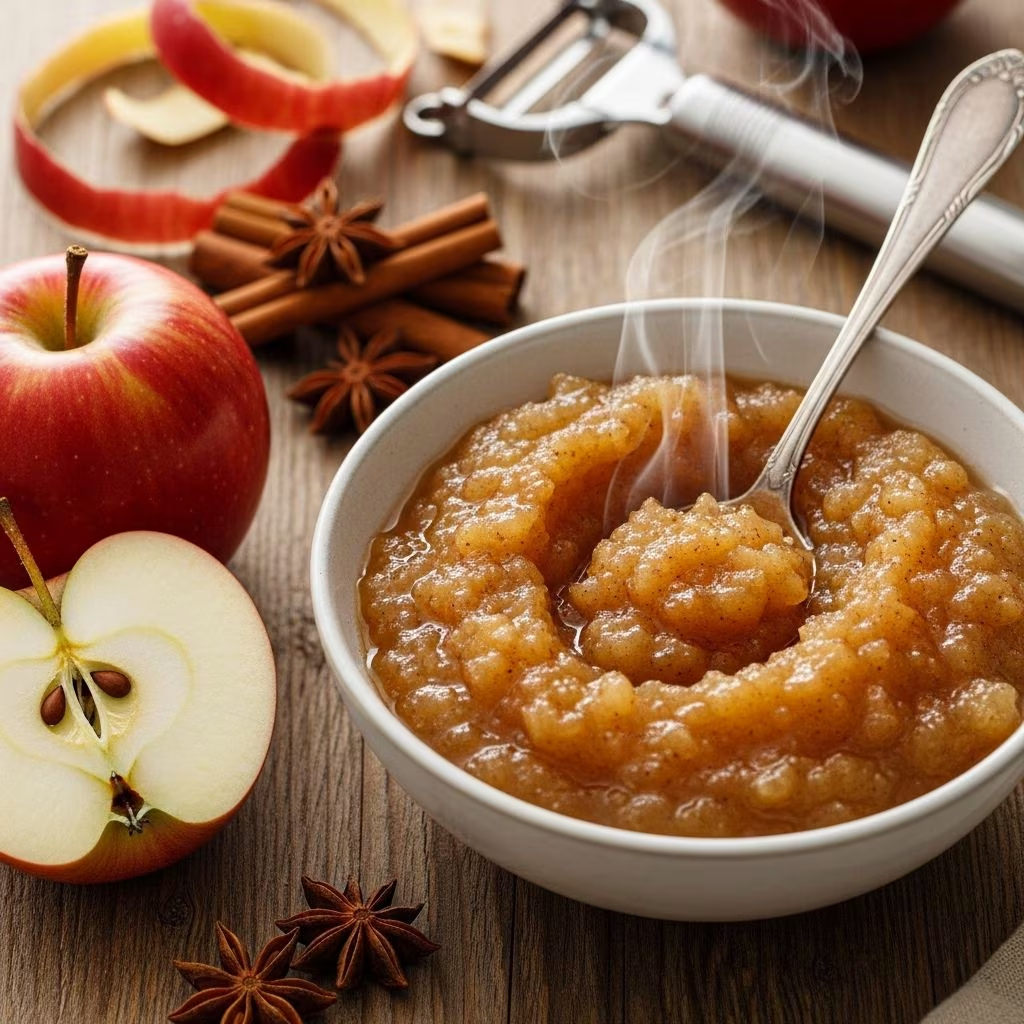
Preparing applesauce from scratch is one of the most rewarding kitchen projects anyone can undertake. Unlike store-bought versions that often contain added preservatives and excess sugar, homemade applesauce allows you complete control over flavors, sweetness levels, and ingredient quality. The process requires minimal equipment and culinary expertise, making it accessible to novice and experienced cooks alike. What makes this endeavor particularly appealing is that the entire procedure can be completed in under an hour, and the finished product stores beautifully for extended periods.
Why Choose Homemade Over Store-Bought Options
The motivation to make applesauce at home extends beyond simple taste preferences. When you prepare this condiment yourself, you eliminate unnecessary additives while maximizing nutritional value. Commercial applesauce products frequently contain added sugars, artificial flavors, and preservatives that homemade versions naturally avoid. Additionally, creating applesauce at home proves significantly more economical, particularly when you purchase apples during peak season or source them from local farmers’ markets. The satisfaction of producing a pantry staple that serves multiple culinary purposes cannot be overstated.
The versatility of homemade applesauce extends its utility far beyond breakfast consumption. You can incorporate it into baked goods as a moisture-enhancing ingredient, serve it alongside savory meat dishes as a complementary sauce, use it as an ice cream topping for desserts, or enjoy it simply as a standalone snack. This multifunctionality means that a single batch can satisfy various family preferences and dietary needs throughout the week.
Selecting the Right Apple Varieties
Apple selection fundamentally influences the flavor profile and texture of your finished applesauce. The optimal approach involves combining multiple apple varieties rather than relying on a single type. Different apple cultivars contribute distinct characteristics to the final product. Tart varieties like Granny Smith apples provide acidic complexity and prevent the applesauce from becoming overly sweet. Sweet varieties such as Golden Delicious or Fuji apples contribute natural sugar and a mellow flavor dimension. McIntosh apples break down readily during cooking and create a naturally creamy texture. Jonathan apples offer a balanced sweet-tart profile that anchors the overall flavor composition.
When shopping for apples, prioritize firm specimens without bruises or soft spots. Medium-sized apples prove easier to process than either very large or diminutive varieties. The quantity required depends on your desired yield, though approximately three to six pounds of apples will produce sufficient applesauce for most households. Seasonal availability typically means the best selection occurs during autumn months when freshly harvested apples reach farmers’ markets and grocery stores.
Essential Ingredients and Flavor Enhancement
The foundation of applesauce requires surprisingly few components. At its most basic, you need apples and liquid—either water, apple juice, or apple cider. Water serves as the most neutral option, while apple juice and cider contribute subtle sweetness and complexity. Many recipes incorporate brown sugar or honey to enhance natural sweetness, though this remains entirely optional depending on apple varieties chosen and personal preference.
Cinnamon represents the classic spice addition, contributing warmth and traditional fall flavors. Beyond cinnamon, you might experiment with nutmeg, allspice, or pumpkin pie spice to create variations that complement specific culinary applications. A small quantity of fresh lemon juice brightens the overall flavor and prevents the applesauce from tasting flat or one-dimensional. Some practitioners add vanilla extract, ginger, or cardamom to develop more sophisticated flavor profiles suitable for special occasions or gift-giving purposes.
Preparation and Initial Setup
Before cooking commences, proper apple preparation proves critical. Begin by thoroughly washing all apples under running water to remove any surface debris or residue. Using a sharp vegetable peeler, carefully remove the skin from each apple. A melon baller or specialized corer effectively removes the central seed cavity, though a paring knife works adequately in its absence. Once peeled and cored, slice each apple into uniform pieces to ensure even cooking. Smaller pieces cook faster and require less blending time, so aim for chunks roughly one to two inches in diameter.
Gather all ingredients and equipment before beginning the cooking process. You will need a large stockpot or Dutch oven with sufficient capacity to accommodate the apple volume without overflow. A reliable heat source and a means of stirring complete your essential equipment list. For the blending stage, options include a traditional blender, food processor, immersion blender, or even a simple potato masher for those preferring a chunkier texture.
The Cooking Process: Step-by-Step Execution
Pour your prepared apples into the large pot along with your chosen liquid. The liquid should barely cover the apple pieces, though you can adjust this quantity based on your preferred final consistency. If using added sweeteners or spices, incorporate them at this stage. Bring the mixture to a boil over medium-high heat, then reduce the temperature to maintain a gentle simmer. Cover the pot partially to contain splashing while allowing steam to escape, which helps achieve better texture development.
Simmer the apples for approximately fifteen to twenty minutes, stirring occasionally to ensure even cooking and prevent sticking. The apples are adequately cooked when they become fork-tender and collapse easily under minimal pressure. At this point, you can crush them with the flat side of a fork to assess doneness. Overcooking is difficult to achieve with this recipe, so erring toward longer cooking times poses minimal risk. The extended cooking actually helps develop deeper flavor complexity.
Achieving Your Preferred Texture
Once the apples have cooked sufficiently, you can manipulate the applesauce to achieve various consistency levels. For chunky applesauce with visible apple pieces, use a potato masher or wire whisk to break down the softened fruit while leaving small chunks intact. This approach works particularly well if you prefer a rustic, textured product and want to minimize cleanup.
Those preferring smoothness should employ a blender or food processor, working in batches to avoid overflow and achieving even puréeing. An immersion blender offers a middle-ground option, allowing you to control the blending intensity and achieve custom textures ranging from slightly chunky to completely smooth. For an exceptionally refined product, pass the blended applesauce through a fine-mesh strainer or food mill to remove any remaining apple pulp particles.
Storage and Preservation Methods
Freshly prepared applesauce maintains quality in the refrigerator for approximately one week when stored in airtight containers. Mason jars provide an attractive storage option while protecting against flavor absorption from other refrigerated items. For extended storage, freezing proves highly effective. Applesauce freezes successfully in freezer-safe containers, ice cube trays, or freezer bags, maintaining quality for several months. Portioning into individual servings in ice cube trays allows convenient thawing of exact quantities as needed.
For long-term preservation without freezing, traditional water bath canning creates shelf-stable products lasting up to one year. This method requires sterilized jars, proper processing times, and careful attention to food safety protocols. If pursuing canning methods, consult established resources from reputable sources like the National Center for Home Food Preservation or university extension services for detailed instructions.
Creative Serving and Utilization Ideas
Beyond consuming applesauce directly, numerous applications expand its utility. Mix it into yogurt for a nutritious breakfast bowl with minimal preparation effort. Layer it in parfaits alternating with granola and whipped cream for elegant dessert presentations. Drizzle it over vanilla ice cream for simple yet satisfying treats. Serve it alongside roasted pork chops where its acidity complements rich meats beautifully. Incorporate it into baked goods like muffins, quick breads, or pancake batters where it provides moisture and subtle sweetness. Use it as a topping for oatmeal or breakfast cereals.
For those watching sugar intake, unsweetened applesauce serves as an excellent substitute for oil or sugar in various baking applications. Consider blending it with spices and using it as a cake frosting component. Mix it with cottage cheese for a unique side dish that works particularly well at brunch. The possibilities expand tremendously once you recognize applesauce’s adaptability across sweet and savory applications.
Flavor Customization and Experimentation
The beauty of homemade applesauce lies in unlimited customization possibilities. Create seasonal variations by incorporating pumpkin pie spice blends during autumn months. Experiment with cardamom or ginger for more exotic flavor profiles. Those enjoying heat can add cayenne pepper in small quantities for subtle warmth. Apple cider enthusiasts should substitute apple cider for water and omit additional sweeteners, allowing the cider’s natural sugars to sweeten the final product. Maple syrup enthusiasts can replace brown sugar with pure maple syrup for deeper, more complex sweetness.
Document your variations and preferred ingredient ratios as you experiment, creating personalized recipes that reflect your taste preferences. Share successful batches with friends and family, and consider these as thoughtful homemade gifts during holiday seasons.
Troubleshooting Common Issues
If your applesauce appears watery after cooking, simmer the uncovered pot for an additional five to ten minutes to allow excess moisture to evaporate. If the texture seems too chunky despite blending, continue processing with your chosen equipment until you achieve satisfactory smoothness. Should the applesauce taste excessively sweet, balance this with lemon juice additions or blend it with a smaller batch of unsweetened applesauce. If flavors seem muted or flat, boost them by adding small quantities of cinnamon, nutmeg, or vanilla extract after cooking, tasting frequently to avoid overpowering the delicate fruit flavors.
Time and Equipment Efficiency
The entire process from apple preparation through finished product typically requires only forty to sixty minutes of active time. Many of these steps involve passive cooking or waiting, allowing you to accomplish other kitchen tasks simultaneously. The minimal equipment required means even those with limited kitchen space and resources can successfully make applesauce. A single pot, a peeler, and a knife represent the bare minimum needed, with additional tools simply offering convenience rather than necessity.
Nutritional Considerations
Homemade applesauce made without added sugars provides beneficial dietary fiber, vitamin C, and various phytonutrients naturally present in apples. The minimal processing preserves nutritional content better than many commercial alternatives. By controlling ingredient ratios, you can adjust the final product to align with specific dietary goals or restrictions. Those managing blood sugar levels can minimize added sweeteners or rely on naturally sweet apple varieties. Parents introducing children to cooking find applesauce production particularly valuable as an educational kitchen project combining basic food preparation skills with immediate, satisfying results.
References
- Best Homemade Apple Sauce Recipe — The Pioneer Woman. Accessed April 8, 2026. https://www.thepioneerwoman.com/food-cooking/recipes/a11239/homemade-applesauce/
- Easy Homemade Applesauce — Pass Me Some Tasty. Accessed April 8, 2026. https://www.passmesometasty.com/easy-homemade-applesauce/
- Homemade Unsweetened Applesauce Recipe — Sugar Geek Show. Accessed April 8, 2026. https://sugargeekshow.com/homemade-unsweetened-applesauce-recipe/
- Homemade Applesauce — Something New For Dinner. Accessed April 8, 2026. https://somethingnewfordinner.com/recipe/homemade-applesauce/
- Applesauce Recipe — Spend With Pennies. Accessed April 8, 2026. https://www.spendwithpennies.com/homemade-applesauce/
- How to Make Homemade Applesauce From Scratch — The Stay At Home Chef (YouTube). Accessed April 8, 2026. https://www.youtube.com/watch?v=lz9IosCcLD4