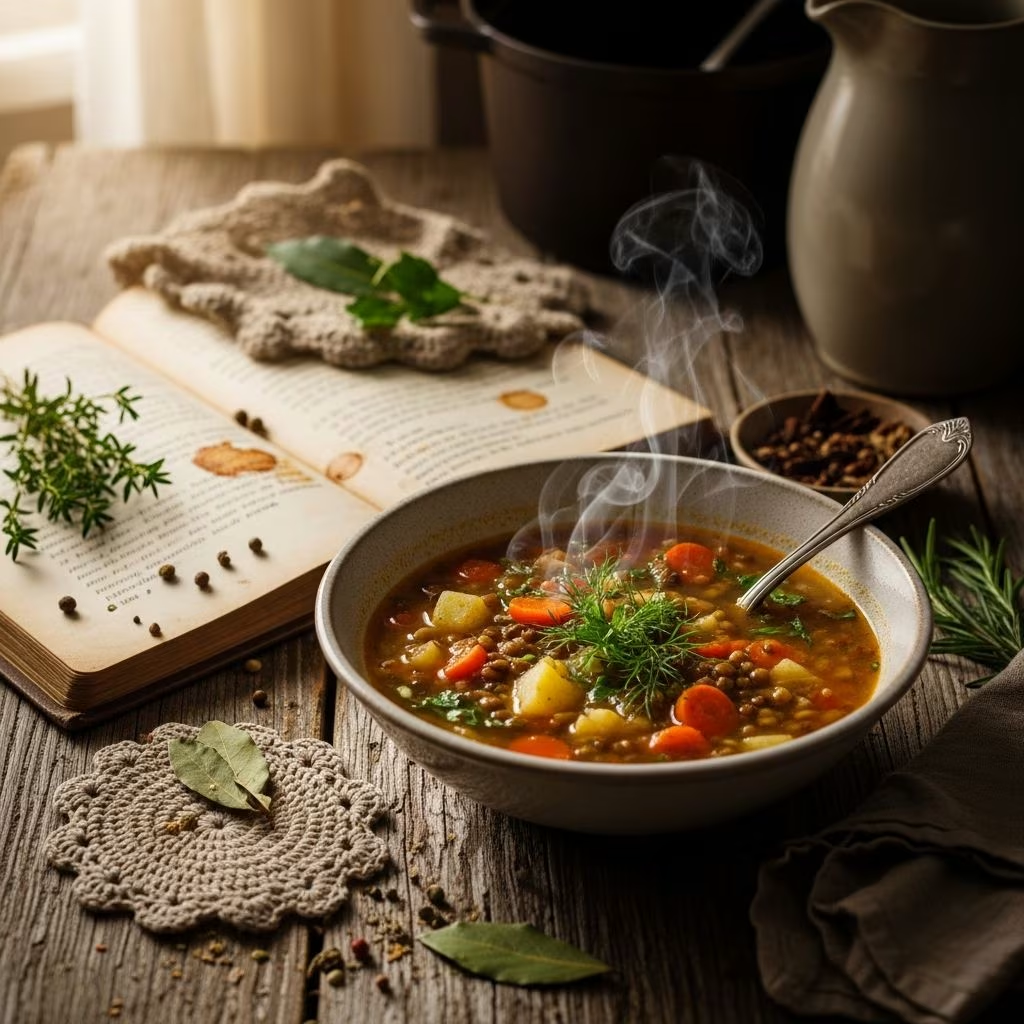
Nothing captures the essence of home-cooked comfort quite like a steaming bowl of soup made from recipes handed down through generations. These dishes, often perfected by grandmothers, rely on fresh ingredients, simple techniques, and a touch of love to create meals that nourish both body and soul. Whether you’re seeking a remedy for chilly days or a way to gather the family around the table, these timeless soups deliver flavor and warmth every time.
Why Grandma’s Soups Stand the Test of Time
Soups from grandma’s kitchen are more than just food; they are vessels of memory and tradition. Crafted with pantry staples and seasonal produce, these recipes emphasize balance—combining vegetables, proteins, and herbs for depth without complexity. Their enduring appeal lies in versatility: many can simmer on the stovetop, cook in a slow cooker, or even be made in an Instant Pot for modern convenience. Health benefits abound too, as these broth-based wonders are typically low in processed additives and high in nutrients from whole foods.
Consider the cultural role of soups in family lore. Across households, they serve as cold remedies, post-holiday leftovers reinvented, or simple weeknight saviors. Drawing from diverse influences—Italian, American, and beyond—these recipes adapt to what’s on hand, proving that true comfort food is forgiving and inclusive.
Essential Ingredients for Authentic Flavor
Building a grandma-worthy soup starts with quality basics. Stock or broth forms the foundation, preferably homemade from chicken bones or vegetable scraps for richer taste. Aromatics like onions, garlic, carrots, and celery—known as mirepoix—provide the savory base. Proteins such as chicken, beef, beans, or lentils add heartiness, while fresh herbs like thyme, parsley, and bay leaves infuse subtle earthiness.
- Vegetables: Root veggies like potatoes and carrots for creaminess; greens like spinach for freshness.
- Grains and Pastas: Barley, rice, or noodles to thicken and satisfy.
- Dairy or Creamers: Used sparingly in creamy varieties for velvety texture.
- Spices: Salt, pepper, and a pinch of paprika or cumin for subtle kicks.
Pro tip: Always taste and adjust seasoning at the end, as grandmas do, to let natural flavors shine.
Top 10 Must-Try Grandma-Approved Soups
Here’s a curated selection of soups that echo the classics every family cherishes. Each includes prep tips, key ingredients, and why it earns grandma’s nod.
1. Classic Chicken Noodle Comfort
This staple soothes like no other, packed with tender chicken, egg noodles, and carrots in a golden broth. Simmer shredded rotisserie chicken with celery and onion for 30 minutes; add noodles last to avoid mushiness. It’s the ultimate feel-better food, ready in under an hour.
2. Hearty Beef and Vegetable Stew
Brown cubed beef with potatoes, peas, and tomatoes for a robust meal. Slow-cook for hours to meld flavors, or stovetop in 45 minutes. Perfect for using leftover roast, it freezes beautifully for busy weeks.
3. Creamy Potato and Leek Delight
Blended smooth with milk or cream, this uses humble potatoes and leeks. Sauté leeks until soft, boil with potatoes, then puree. Garnish with chives for elegance—grandmas served it with crusty bread.
4. Italian-Inspired Wedding Broth
Tiny meatballs, escarole, and acini di pepe pasta swim in chicken broth. Form meatballs from ground pork and beef, bake briefly, then simmer. A festive yet simple dish for gatherings.
5. Spicy Taco-Inspired Bean Soup
Ground turkey, black beans, corn, and salsa create zesty vibes. Add chili powder and cumin; top with avocado and tortilla strips. Quick and kid-friendly with bold flavors.
6. Velvety Butternut Squash Puree
Roast squash with apples and onions, blend with vegetable broth and a swirl of cream. Nutmeg adds warmth. Ideal for fall, it’s naturally sweet and vegan-adaptable.
7. Smoky Ham and White Bean Medley
Ham hocks infuse beans and kale with savory depth. Soak beans overnight, then slow-simmer. A post-holiday hero that stretches every ingredient.
8. Cheesy Broccoli and Cheddar Blend
Steamed broccoli meets sharp cheddar in a roux-thickened base. Puree half for texture contrast. Comforting yet veggie-packed, it’s a crowd-pleaser.
9. Rustic Tomato and Bread Ribollita
Kale, cannellini beans, and stale bread thicken canned tomatoes and broth. Tuscan roots make it hearty; drizzle with olive oil. Doubles as a stew.
10. Golden Split Pea with Ham
Smoky ham bone flavors green split peas, carrots, and bay leaves. No soaking needed; blends creamy after hours of simmering. Budget-friendly and filling.
Step-by-Step Guide to Mastering Soup Basics
Follow this foolproof method for any soup variation.
- Prep Mirepoix: Dice onions, carrots, celery; sauté in oil or butter until soft, 8-10 minutes.
- Add Proteins: Brown meats first; for beans or lentils, rinse and add later.
- Build Broth: Pour in stock, herbs, and salt; bring to boil then simmer.
- Incorporate Veggies/Grains: Add denser items early, delicate ones late.
- Finish and Adjust: Stir in dairy off-heat; taste for acid (lemon) or heat.
| Soup Type | Cook Time | Serves | Key Tip |
|---|---|---|---|
| Broth-Based | 30-45 min | 6 | Skim foam for clarity |
| Creamy | 40 min | 4-6 | Blender in batches safely |
| Stew-Like | 2+ hours | 8 | Low and slow tenderizes |
Seasonal Twists and Modern Adaptations
Adapt classics to seasons: spring peas and asparagus for lightness; winter roots for heartiness. Modern tools shine—Instant Pot cuts time for lasagna soup (layered beef, ricotta, noodles). Air fryer crisps toppings like tortilla strips. Vegan swaps: coconut milk for cream, mushrooms for meat. Freezer tips: portion in bags, thaw overnight, reheat gently to preserve texture.
Health Benefits of Homemade Soups
These recipes pack hydration, fiber, and vitamins. Bone broths offer collagen for joints; veggies provide antioxidants. Low-sodium versions control intake better than canned. Studies from health authorities note soups aid digestion and weight management when vegetable-forward.
Frequently Asked Questions (FAQs)
Can I freeze these soups?
Yes, most freeze well for 3 months. Avoid cream-based if possible, or stir in fresh upon reheating.
What’s the best broth substitute?
Vegetable or chicken stock; water with bouillon works in pinches, but homemade elevates flavor.
How do I thicken soups naturally?
Mash potatoes/beans in-pot, or simmer longer to reduce. Cornstarch slurry for glossy finish.
Are these recipes kid-friendly?
Absolutely—mild flavors appeal broadly; involve kids in stirring for fun.
Gluten-free options?
Swap pasta/barley for rice or quinoa; check broth labels.
Embrace these recipes to create your own family traditions. With minimal effort, you’ll serve bowls of nostalgia that warm hearts across generations.
References
- USDA MyPlate Guidelines for Soups and Stews — United States Department of Agriculture. 2024-01-15. https://www.myplate.gov/eat-healthy/what-is-myplate
- Harvard T.H. Chan School of Public Health: Soups and Health — Harvard University. 2023-11-20. https://www.hsph.harvard.edu/nutritionsource/food-features/soups-stews/
- CDC Tips for Healthy Homemade Soups — Centers for Disease Control and Prevention. 2025-02-10. https://www.cdc.gov/nutrition/healthy-eating/soups.html
- WHO Nutritional Benefits of Broth-Based Meals — World Health Organization. 2024-06-05. https://www.who.int/publications/i/item/9789240091234